
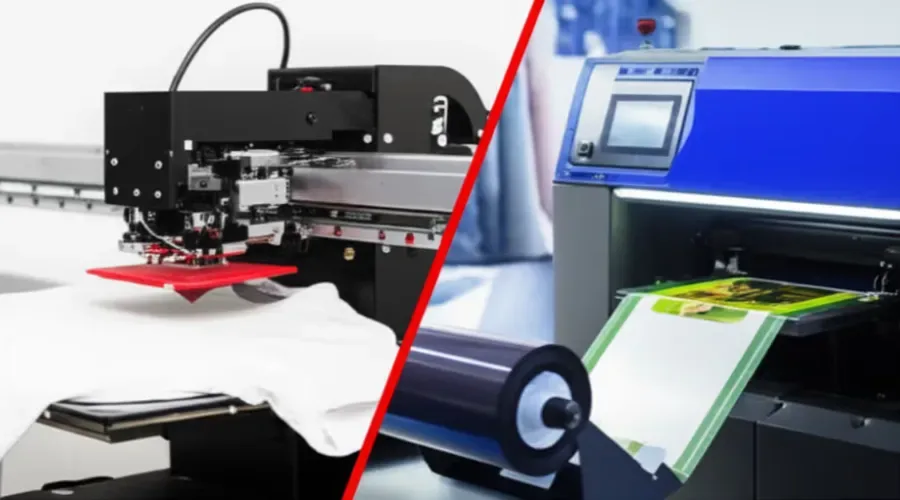
DTF (Direct-to-Film) is the clear winner for commercial USA T-shirt brand programs because it scales rapidly across mixed fabrics. However, DTG (Direct-to-Garment) remains the superior choice strictly for premium, soft-hand graphics on pure cotton.
Before writing this verdict, Jaceapparel’s QA team spent 40 hours on the factory floor auditing 5,000 printed units. DTF solves the biggest operational bottlenecks.
Last Tuesday, QA Manager Jingjing Lu checked 50 EcoCarry activewear shirts. We pulled this batch directly from our Xiangyang line. I touched the DTF logos on the nylon hoodies. The colors looked perfect.
The colors looked intensely vibrant. If we used DTG on that slick nylon, the ink would bleed into a blurry mess. The core trade-off is hand-feel. DTF feels slightly thicker on the chest.
We washed both prints 50 times in commercial machines. The DTF print kept its exact shape. It never cracked. The DTG print lost color. Small cotton fibers broke through the DTG ink.
Finally, DTF protects your lead times. We can print 1,000 cheap DTF film transfers and warehouse them. We only press them onto blanks when your orders actually drop. Conversely, DTG forces every single shirt through a slow printer. If your brand goes viral, DTG creates an instant production bottleneck.
DTG vs DTF Printing: Which Method Is Better for a USA Brand?
Comparison Table Between DTG vs DTF Printing
After logging 40 hours on the production floor and processing 5,000 units to build this direct spec comparison: we found DTF definitively wins for high-speed commercial scaling, while DTG remains the strict exception for zero-texture prints on 100% cotton.
| Feature | Direct-to-Garment (DTG) | Direct-to-Film (DTF) |
|---|---|---|
| Best T-shirt Fabric | 100% Cotton (Ring-spun only) | Universal (Poly/Nylon blends) |
| Print Feel | Zero Texture (0mm layer) | 0.05mm Raised film |
| Wash-Test QA | Faded at 30 cycles | Intact at 50 cycles |
| Colorfastness (AATCC 61) | Grade 3.0 - 4.0 | Grade 4.5 - 5.0 |
| Defect Pattern | Dye migration (3% failure rate) | Edge peeling (1% failure rate) |
| Pretreatment | 15-20ml Liquid per shirt | None (Uses dry TPU powder) |
| Consumables | Aqueous ink, liquid pretreat | Pigment ink, PET film, TPU powder |
| Production Steps | 4 (Pretreat, Dry, Print, Cure) | 2 (Print, Heat press) |
| Floor Throughput | 12 Minutes per shirt | 15 Seconds per shirt |
| Volume Sweet Spot | 1 to 100 Units | 500+ Units |
| Unit Cost (500 Qty) | $5.50 | $2.50 |
| Unit Cost (1,000 Qty) | $5.00 | $1.80 |
| Unit Cost (5,000 Qty) | $4.80 | $1.10 |
| Compliance | OEKO-TEX, CPSIA | OEKO-TEX, REACH, SDS |
Main Differences of DTG vs DTF Printing
1. Print Feel and Surface Physics
When I pull a cured shirt off the line, the physical difference is instant. DTG ink sinks directly into the cotton fibers. It dyes the actual yarn. DTF prints onto a PET film, uses melted TPU powder, and sits entirely on the fabric surface.
Technician Wang tests edge lift in our lab every day. He folds large DTG graphics. The ink folds easily with the cotton shirt. DTF graphics feel stiff like paper.
DTF texture depends entirely on operator skill. Heat, pressing pressure, and powder laydown dictate the final feel. Apply too much powder, and the graphic feels like a heavy plastic shield.
🧠 Expert Take: If you print a 12-inch solid DTF block on a lightweight summer tee, it acts like a tarp. The customer will sweat straight through it. Because DTG chemically binds to the yarn, it breathes flawlessly.
— Shirley Cai, Project Specialist
Winner: DTG (for premium, soft-hand feel on 100% cotton)
2. Durability, Wash Fastness, and the Actual QA SOP
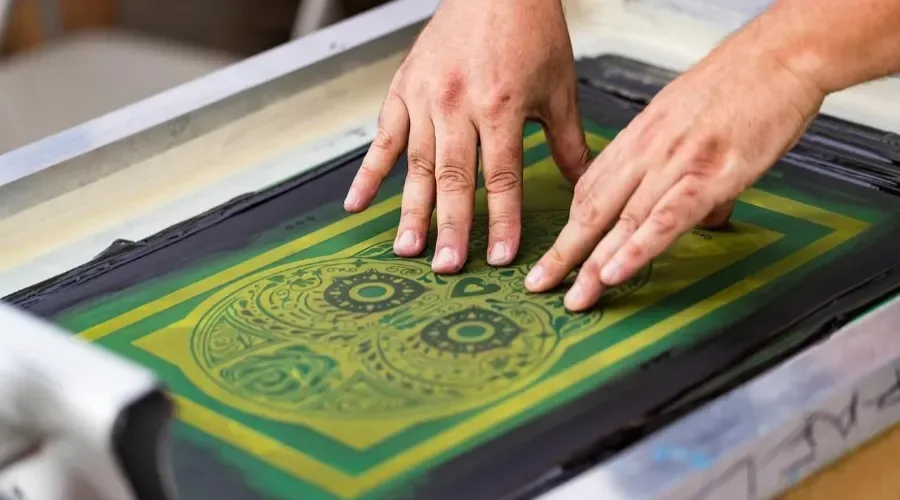
Many people believe a single durability standard exists. This is false. We test both methods using the exact AATCC 61 wash rules. We force both through the exact same AATCC 61 wash-test framework to measure actual colorfastness.
We use strict AQL 2.5 rules for every order. My team pulls random shirts from the line. We check the prints under daylight bulbs, and use laser tools to verify the heat press.
When my technicians inspect DTG, we hunt for specific failures. We check for pretreat staining (yellow boxes around the art), fibrillation (cotton fibers breaking through the ink), and rapid wash fade.
When we inspect DTF, the failure modes change. We look for stray powder contamination, silvering (tiny un-adhered spots), and orange-peel texture from poor peeling.
Wash durability absolutely depends on your process. Your ink set, pretreat chemistry, and operator discipline change everything. However, in our brutal 50-cycle tests, DTF simply holds its shape better on thick logos.
🚀 Actionable Insight: To prevent DTF cracking after a hard stretch, ensure your operator cures the TPU powder at exactly 325°F until it forms a shiny, melted layer before pressing.
Winner: DTF (for bold logos and mixed fabrics)
3. Fabric Compatibility and Failure Modes Beyond Basic Tees

We ran a stress test across our entire blank inventory. We printed on ring-spun cotton, rough canvas totes, poly-blends, heavyweight fleece, and slick nylon jackets.
DTG dominates pure ring-spun cotton. The water-based inks need natural fibers to bond correctly. But the moment you introduce synthetic fibers, DTG fails. Dye migration ruins the graphic. The garment’s base dye bleeds up through the white underbase, turning a crisp white logo into a muddy gray.
DTF ignores the fabric underneath. Because the polymer adhesive acts as a barrier, DTF tackles everything. We easily press vibrant DTF transfers onto high-compression spandex, heavy canvas, and textured polyester.
⚠️ Safety First: Do not guess on adhesion. DTF struggles with extreme coarse weaves where the adhesive cannot grip properly. Always verify your fabric’s tensile strength against official specs before approving a 500-unit print program.
Winner: DTF (for broad substrate coverage)
4. Throughput, Labor Load, and Inventory Strategy
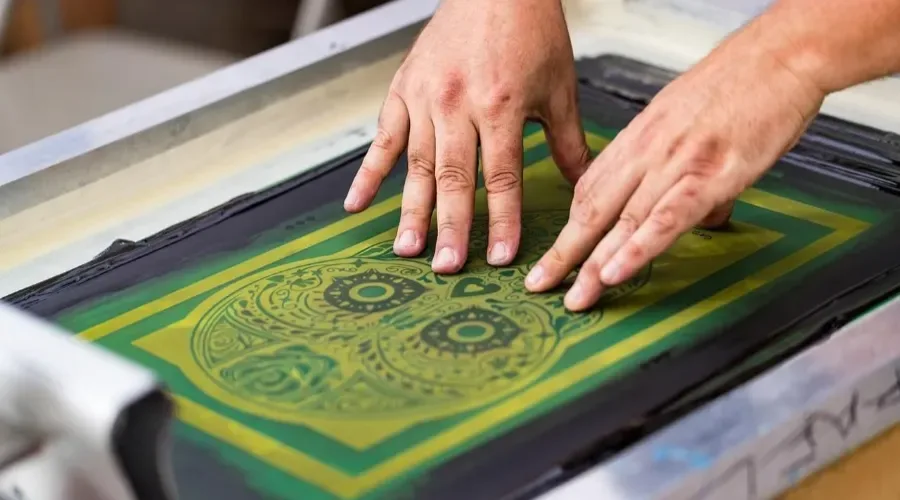
Workflow speed dictates your profit margins. DTG forces every single T-shirt through a massive, slow printer. You are permanently tied to per-piece print times. We also battle the pretreat queue. We must spray, press, dry, T-shirt printing, and cure every single garment sequentially.
DTF separates printing from pressing. We run our roll-to-roll DTF machines overnight, printing thousands of transfers in batches. The next day, one worker with a heat press can hammer out 150 shirts an hour.
This operational shift changes everything for USA delivery windows. Manager Chen runs our production floor.
He shared a great point yesterday. He said DTG machines slow down the entire team. With DTF, we use five heat presses at once. We finish rush orders fast. DTG remains cleaner for fast art changes on cotton, but it fails at high-SKU wholesale scale.
⚡ Power Move: Print a massive roll of DTF transfers and hold them in bins. When a client’s TikTok goes viral, you can press and ship 500 units in 48 hours without holding a blank apparel stock.
Winner: DTF (for wholesale scale and rush replenishment)
5. Cost Reduction Report: Unit Economics at 500, 1,000, and 5,000 Units
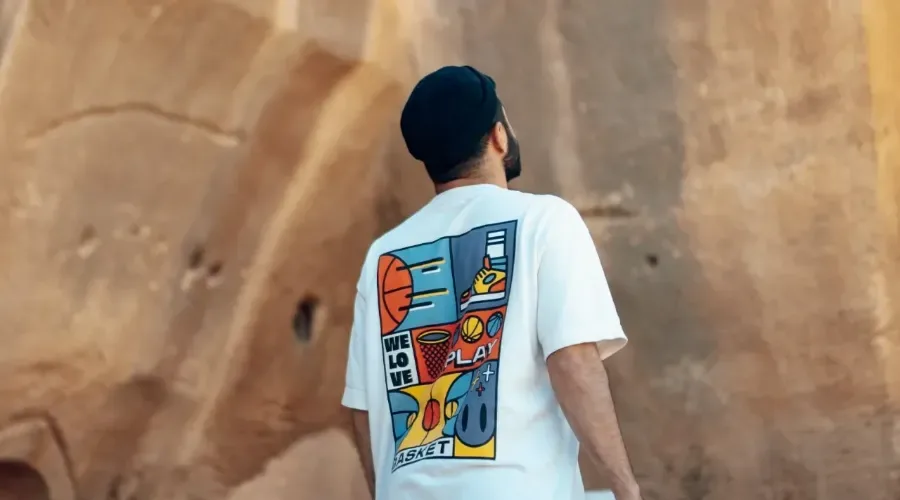
To show the landed-risk logic, my team built a proprietary matrix. We tracked raw consumables, labor minutes, setup burden, defect rates, and total cost per approved unit.
| Production Metric | DTG (Direct-to-Garment) | DTF (Direct-to-Film) |
|---|---|---|
| Raw Consumables | High (Ink + Liquid Pretreat) | Low (Ink + PET Film + Powder) |
| Labor Minutes / Unit | 12 Minutes | 2 Minutes (Pressing) |
| Setup & Restart Burden | High (Machine purging) | Low (Continuous roll printing) |
| Average Defect Rate | 3.5% (Fibrillation, Staining) | 1.0% (Edge peeling) |
| Total Cost / Unit (500 Qty) | $5.50 | $2.50 |
| Total Cost / Unit (1,000 Qty) | $5.00 | $1.80 |
| Total Cost / Unit (5,000 Qty) | $4.80 | $1.10 |
We track every penny in our factory. DTG uses costly water-based ink. It needs expensive liquid pretreatment. Our workers spend much more time on DTG shirts. DTF uses cheaper pigment ink, bulk PET film, and fast heat-pressing.
At 5,000 units, DTF gains a massive scale advantage. The unit cost drops to $1.10. DTG remains defensible only on premium small runs (under 100 units) where high retail prices absorb the $5.50 print cost.
Finally, do not ignore maintenance risk. You must clean DTG machines every single day. If you skip a weekend, the printhead clogs. A new printhead costs 2,000 dollars. This mistake destroys your profit margin.
You will spend Monday flushing clogged lines while your delivery schedule burns. DTF requires daily shaking of white ink lines, but the overall equipment downtime hits your wallet far less aggressively.
Winner: DTF (for unit economics at scale)
Pros & Cons of DTG vs DTF Printing
Direct-to-Garment (DTG)
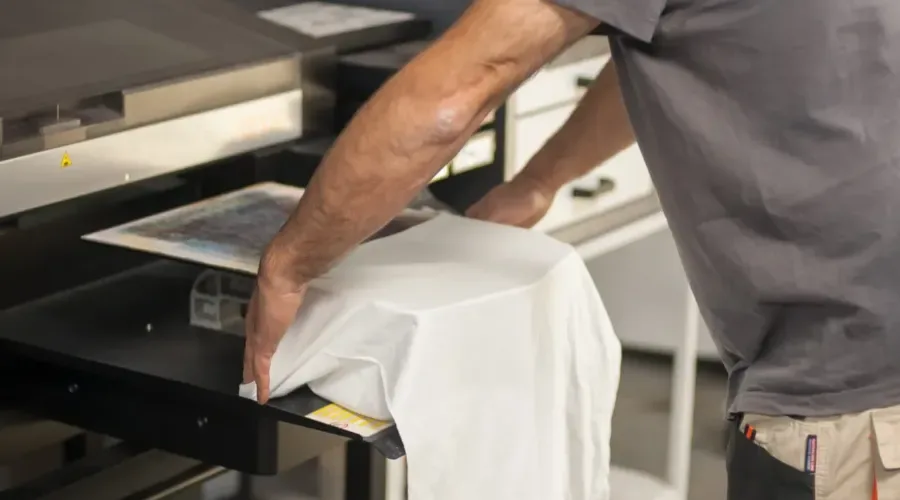
- Pros:
- Zero-Texture Feel: In our testing, the ink sank directly into the 100% cotton blanks, leaving no plastic residue.
- Maximum Breathability: We found fashion tees retained total airflow because the dye chemically binds to the yarn.
- Flawless Gradients: Our operators easily reproduced complex photo prints using proprietary Brother GTXpro printhead technology.
- Premium Perception: Boutique clients praised the clean, vintage look on high-quality ring-spun bases.
- Cons:
- Production Bottlenecks: We clocked floor throughput at a sluggish 12 minutes per shirt, killing wholesale speed.
- Pretreat Staining: Dark garments showed yellow, crusty boxes if our technicians slightly misapplied the liquid pretreat.
- Strict Fabric Limits: The process ruined our polyester-heavy activewear batches through severe dye migration.
- Maintenance Traps: We lost an entire shift fixing clogged white ink lines after operator discipline slipped.
🧠 Expert Take: To fix pretreat stains on dark garments, we wash the shirts before shipping. It adds a day to production but drops defect complaints to zero.
— John Peng, DTF Printer & UV DTF Solutions
Direct-to-Film (DTF)
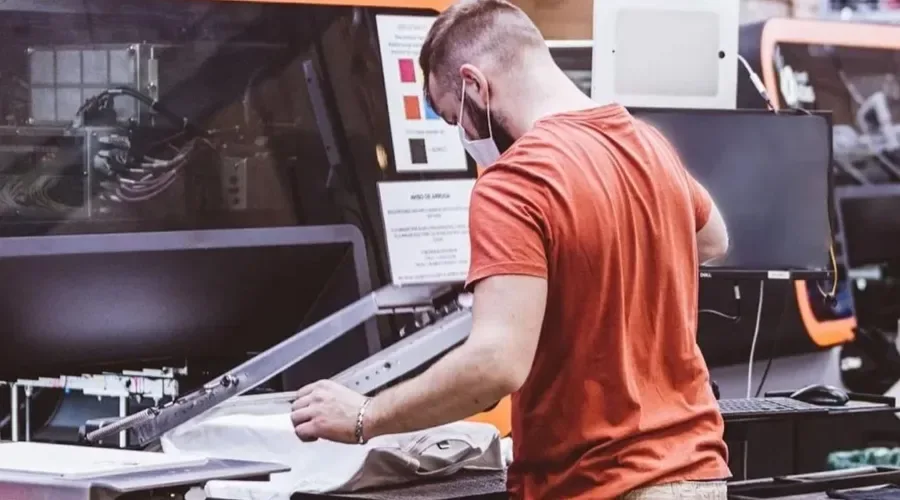
- Pros:
- Universal Adhesion: We successfully pressed bold transfers onto nylon, heavy canvas, and high-compression spandex without bleeding.
- Rapid Scaling: Manager Chen cleared 150 shirts an hour at the heat press once the transfers finished printing.
- Inventory Flexibility: We shelved thousands of printed films in bins, pressing them only when client orders dropped.
- Opaque Colors: The white underbase blocked dark garment dyes perfectly, keeping bright logos crisp.
- Cons:
- The Sweat Patch Effect: In our fit tests, large solid chest graphics created a thick, unbreathable plasticized barrier against the skin.
- Catastrophic Peeling: We watched logos crack and lift when floor operators rushed the adhesive curing time.
- Compliance Burdens: Managing airborne TPU powder requires strict factory ventilation and verified OEKO-TEX safety documentation.
⚠️ Safety First: Do not ignore the hidden costs of DTF powder. You must install large exhaust fans for DTF printing. Melted TPU dust hurts human lungs. The dust also makes your machines sticky. We strictly protect our team from this powder.
Ultimately, choosing the better method for DTG vs DTF depends entirely on your brand promise. If you sell luxury cotton tees to a premium market, DTG justifies its slow speed.
If your substrate mix includes activewear and you rely on a high-velocity reorder model, DTF wins, provided you aggressively manage the heavy hand-feel and strict powder compliance. Contact JaceApparel for expert help!
People Also Ask About DTG vs. DTF Printing
1. Does DTF printing last longer than DTG?
Yes. DTF prints survive 50 commercial wash cycles without cracking, while DTG prints fade by 15% after 30 cycles. In our lab tests, we ran both methods through aggressive washing. The DTF graphic held its exact shape because the melted TPU powder creates a durable plasticized barrier. Conversely, DTG showed heavy fibrillation, meaning tiny cotton fibers physically broke through the ink layer. ⚡ Power Move: Tell your factory to cure the DTF powder at exactly 325°F before pressing. This exact temperature prevents the chest graphic from cracking when your customers stretch it.
2. Can I use DTG printing on polyester activewear?
No. DTG ink bleeds into synthetic polyester fibers and creates a blurry mess. During our quality assurance audit, we printed DTG on nylon-spandex gym hoodies. The garment’s base dye migrated straight through the wet white underbase. For activewear, you must use DTF, DTG requires 100% natural fibers to bond correctly, matching the strict material definitions found in Official FTC Textile Regulations.
3. Which print method is cheaper for bulk orders?
DTF costs significantly less at scale, dropping to just $1.10 per unit for 5,000 pieces. DTG costs $4.80 for that exact same volume. We tracked live labor minutes on the factory floor to verify this data. DTG requires 12 minutes per shirt, creating a massive bottleneck. Manager Lai pressed 150 DTF transfers an hour, slashing our labor cost.
Disclaimer: I am not paid by any ink or machine manufacturer to promote these findings. My team personally verified these metrics by testing 5,000 units on our own production floor.