For apparel brands, retailers and private-label sellers

Custom Printed Clothing Packaging — Branded Bags, Boxes & Labels for Apparel

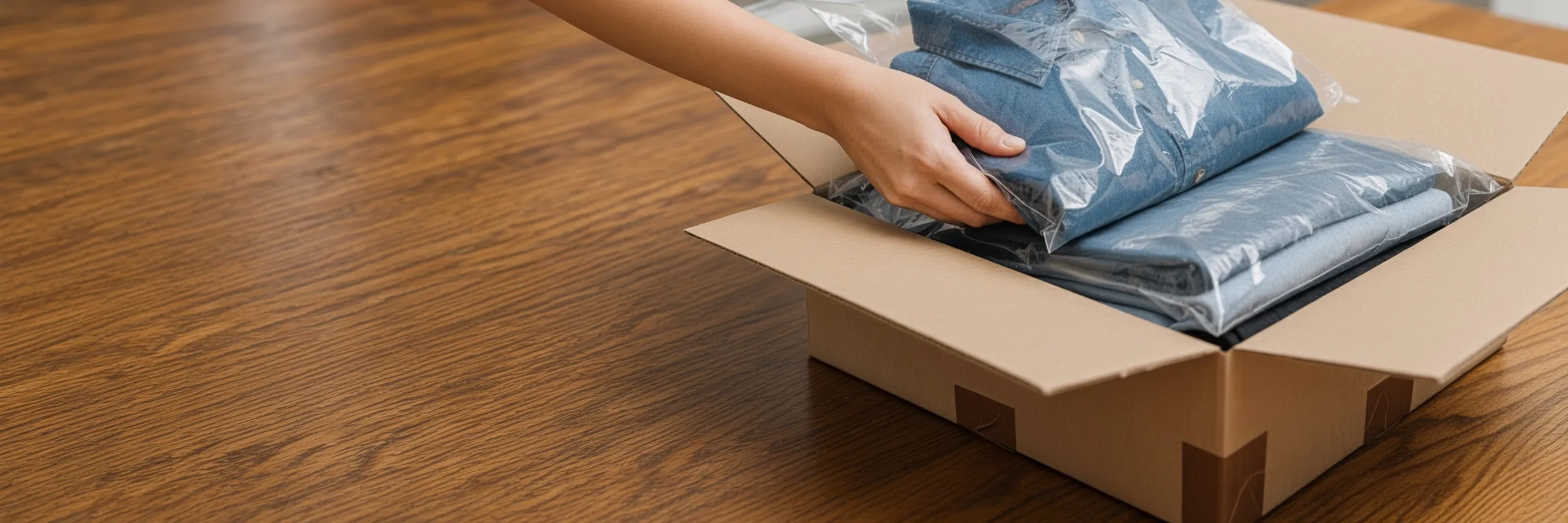
Your apparel packaging matches the design and specifications of your garments. Select from poly bags, mailer bags, kraft paper packaging and fabric tags, all custom printed with your brand logo and tailored to fit your folded apparel. Materials adhere to REACH regulations and come with compliance certificates upon request.

Printed In-HousePacked With The Garment RunRecycled Grades Available

Order facts

The commercial terms a pack is quoted on, before a brief arrives.

Minimum order

100 pcs / colour

Prototype sample

7–10 working days

Bulk production

7–15 working days

Final inspection

AQL 2.5

Packaging is specified on the garment order and priced with it, so freight is quoted at the same time — DDP, DAP or DPU by destination, shown on the quote rather than inside the piece rate.

The range

Four Ways to Pack a Garment, and Every One of Them Prints

Which pack is right is set by the garment, the quantity and how the parcel will be handled — not by a house default.

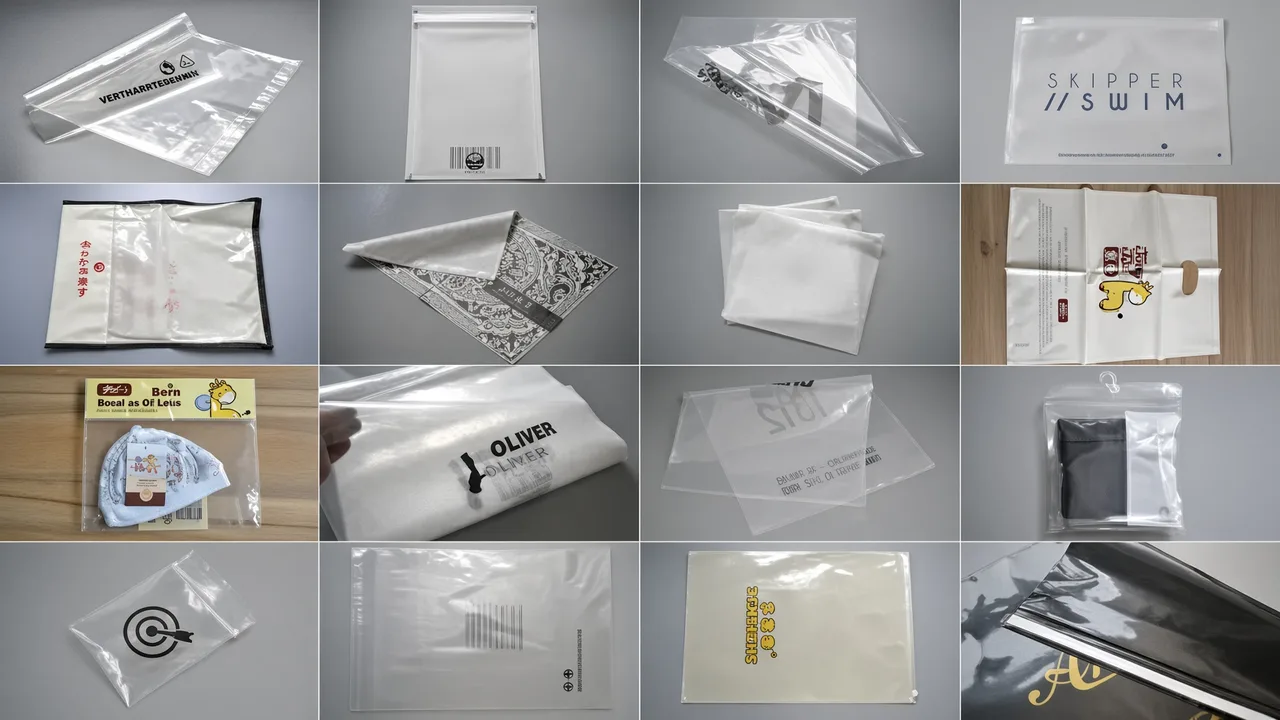
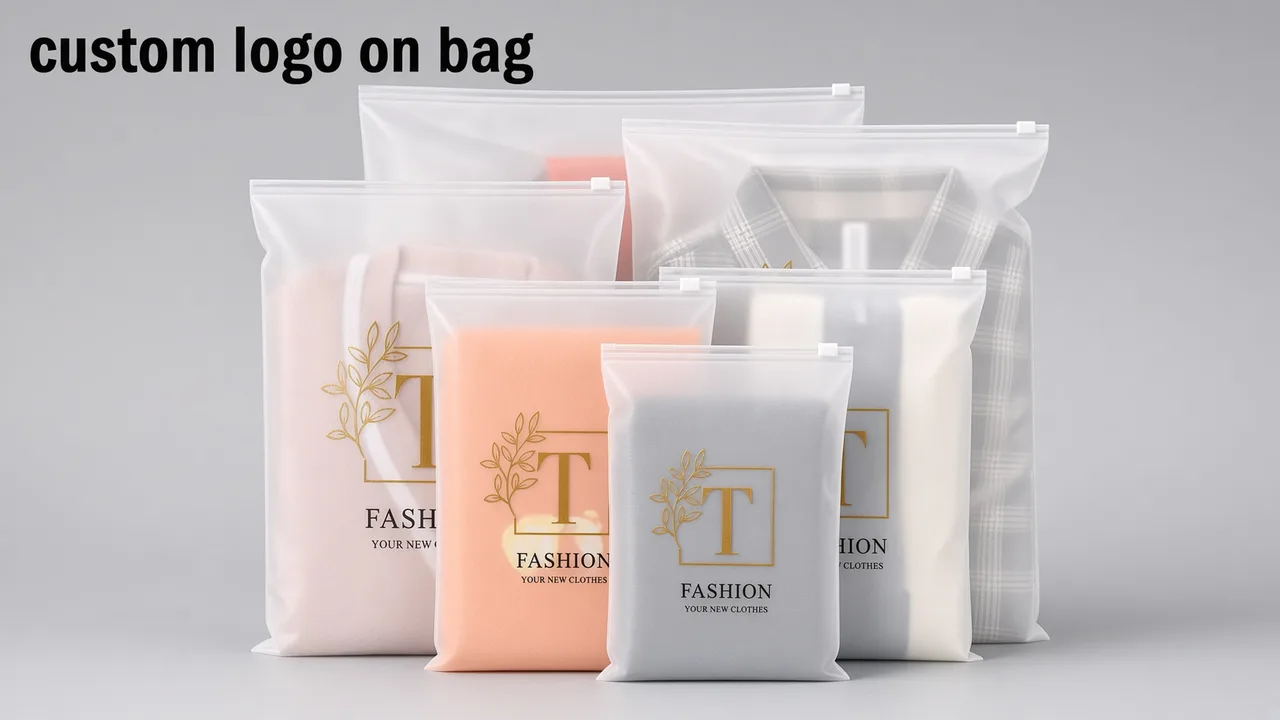
Frosted and clear poly bags each printed with the same brand mark, ranged on a pale ground

01

Poly bags

The cheapest place to put a logo, and the pack most orders ship in: a film bag holding one folded garment, printed in one or two colours and closed with a self-adhesive lip.

  • A logo prints straight onto the film, so the inner pack carries the brand.
  • Clear or frosted stock, with a resealable lip where the bag will be opened twice.
  • One bag to a folded garment, which is what the carton is then packed from.
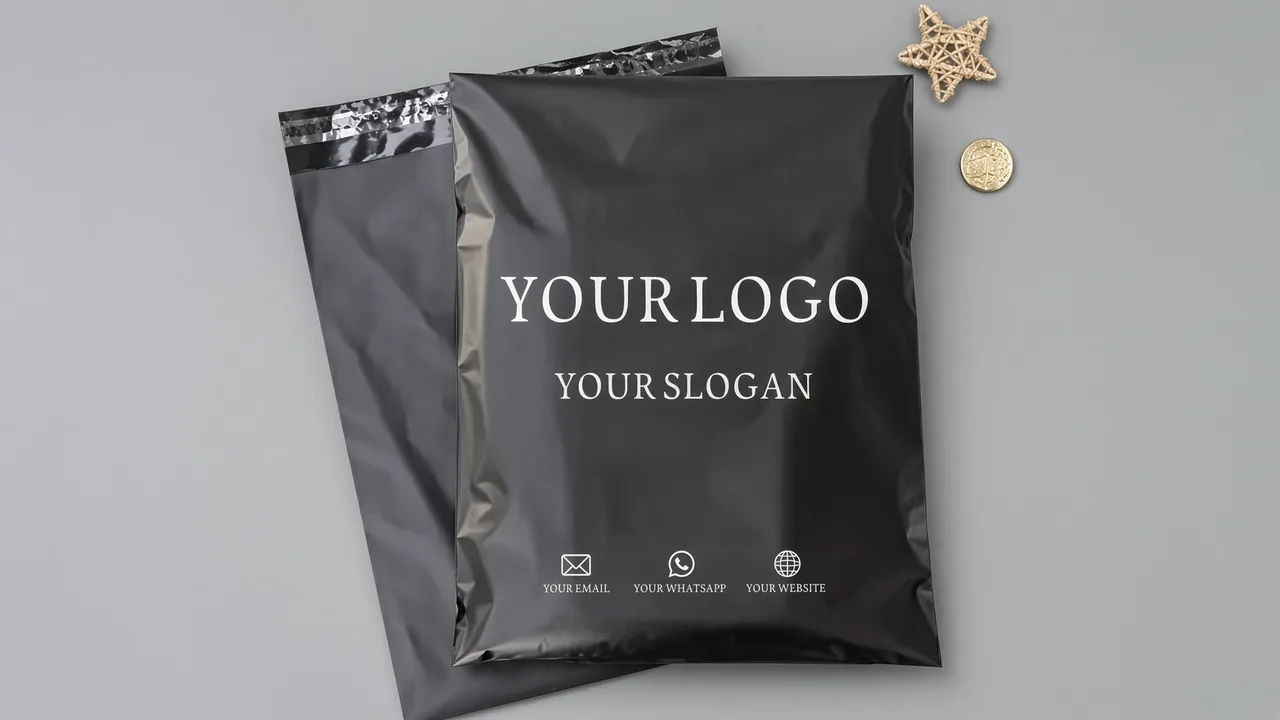
Black poly mailer bags printed in white with a logo and a slogan across the face

02

Mailer bags

A parcel rather than an inner pack — opaque, printed across the whole face, and light enough that it barely moves the freight cost on a direct-to-customer order.

  • Opaque film takes a full-width print, so the branding covers the parcel.
  • A foldover lip seals it shut without tape on the packing bench.
  • Bubble-lined stock is available where the contents need padding.
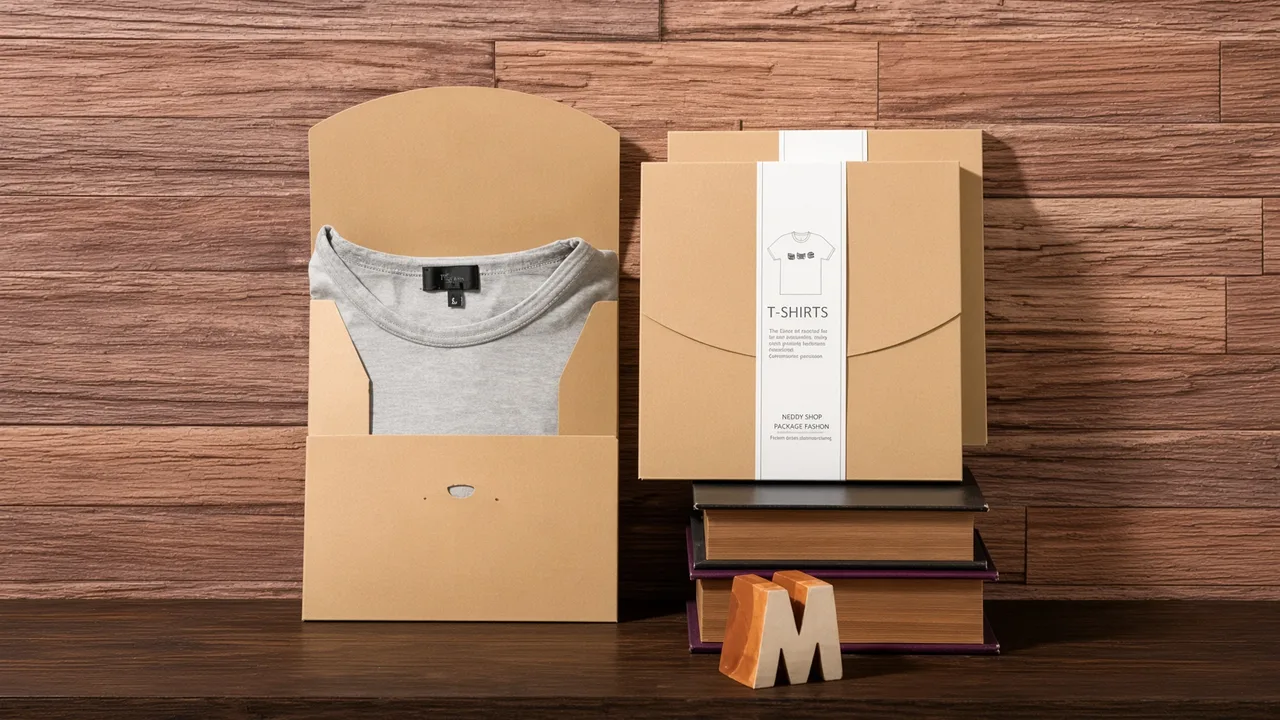
A kraft board box holding a folded grey sweatshirt beside stacked natural cartons

03

Kraft paper bags and boxes

Unbleached kraft with a natural finish, taken as a bag when the garment is folded flat or a box when it is stacked. Compostable, and printed with the same mark.

  • Reinforced bases and handles go on the heavier packs.
  • Compostable grades come as standard rather than as an upgrade.
  • Handled bags, flat mailers and fold-and-tuck boxes all run the same stock.
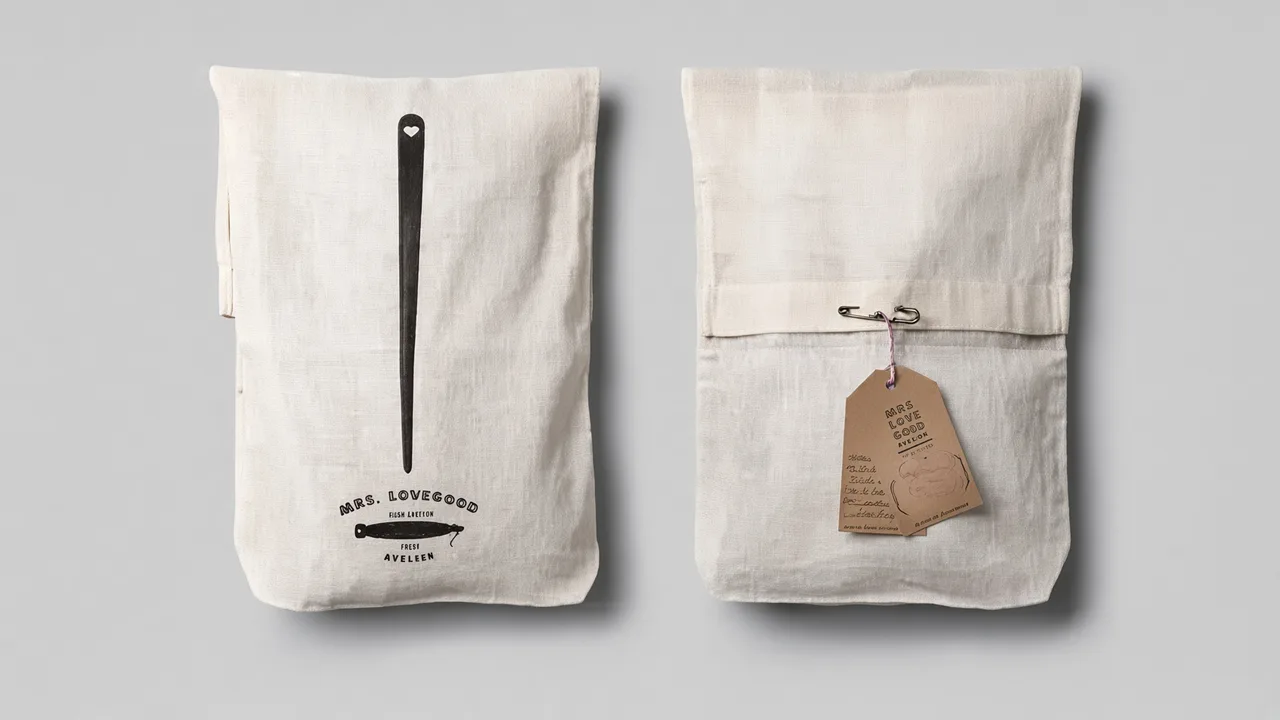
Two natural canvas drawstring bags with a kraft tag, hung against a white ground

04

Fabric bags

Cut from cloth rather than paper, so the bag and the piece inside it feel like one product. A drawstring or a tote, reusable afterwards — which is where the mark keeps working.

  • The same fabric family as the garment, so the hand of the cloth matches.
  • Drawstring or tote construction, printed and sewn to the same brief.
  • Kept and carried long after the parcel is open, so the logo stays in circulation.

Specification

Three Decisions Settle the Pack: Stock, Shape and Print

Nothing here is picked off a catalogue page. All three are set against your garment and your artwork.

Samples of film, kraft board and cloth packs laid out as a grid in several colours

01

Material selection

Paper, film or cloth. The stock decides the finish, which print methods will take to it and whether the pack can be composted, so it is settled before anything is costed.

  • Recycled and virgin grades sit on the same shelf and are quoted side by side.
  • Thickness is chosen against the weight of the garment rather than by habit.
  • Where recycled fibre goes into the pack, the fibre lot is traceable to its source.
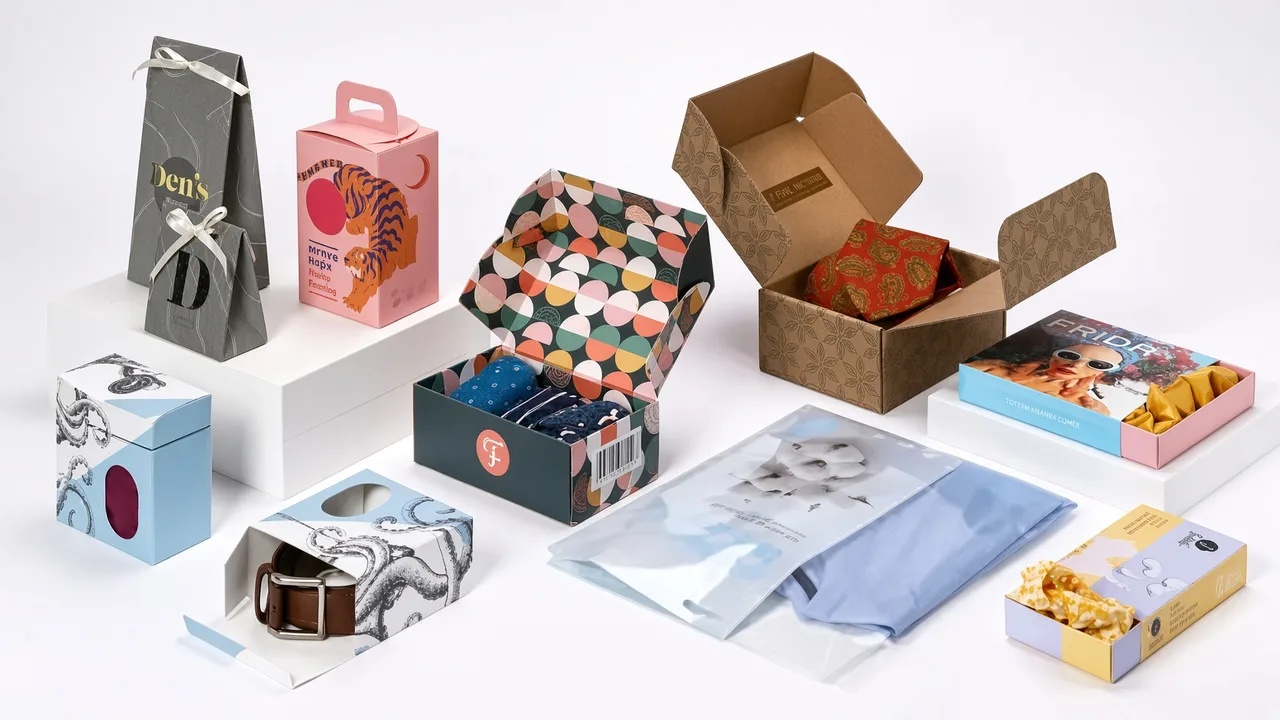
Gift boxes and handled bags in assorted shapes and printed colours on a pale surface

02

Customizable designs

Size, shape, colour and closure are yours to set. Send a sketch, a reference bag or a dieline and the pack is built to it instead of being pulled off a shelf.

  • A drawing, a reference sample or a dieline is enough to work from.
  • Dimensions are set to the way your garment folds, not to the nearest stock size.
  • Handles, closures and reinforcements are chosen on the same brief.
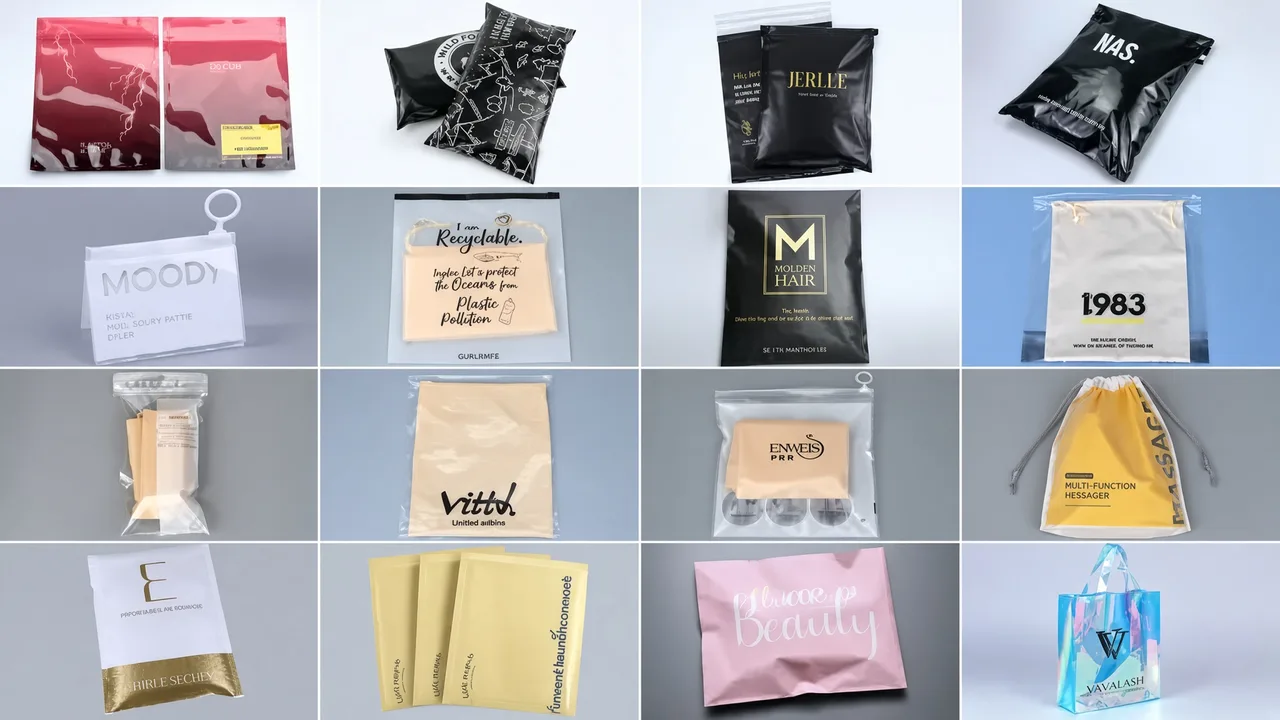
Clear poly bags carrying different logos, each printed at its own size and placement

03

Printing options

One colour or several, one face or every face. Artwork is placed and sized with you, and the printed result is checked against a proof before the run is printed.

  • Your mark goes wherever you place it, at whatever size you set.
  • Position, colour and coverage are held to the proof the order was approved on.
  • Boxes, bags and labels can all carry the identical mark.

Options

Every Size, and a Recycled Version of Each

The dimensions are yours to set. So is the choice of what the pack is made from.

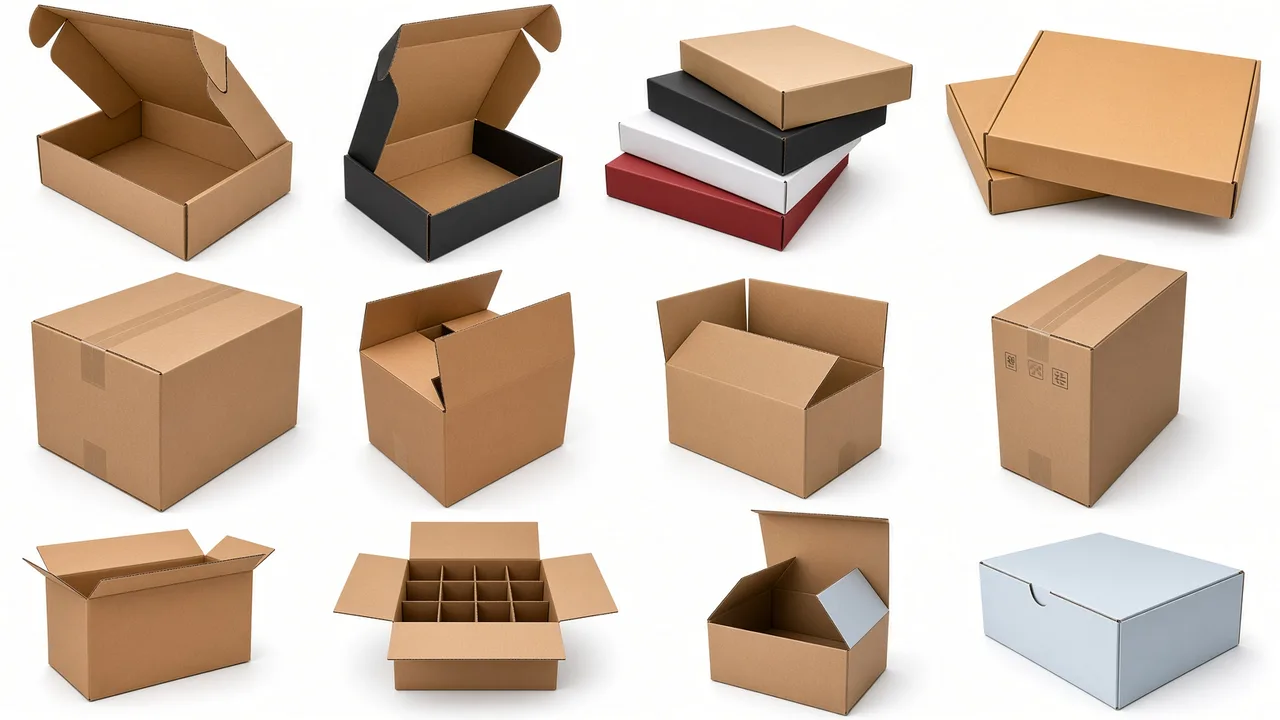
Open and closed kraft cartons spread across a grid, from shallow trays to deep boxes

01

Sizes and shapes

A pack is made to the way your garment folds rather than to a nearest stock size. A long coat and a folded tee leave in different formats, each one sized to the piece inside it.

  • One format per garment type, so nothing ships swimming in its pack.
  • Stock sizes stay available where a standard format is enough.
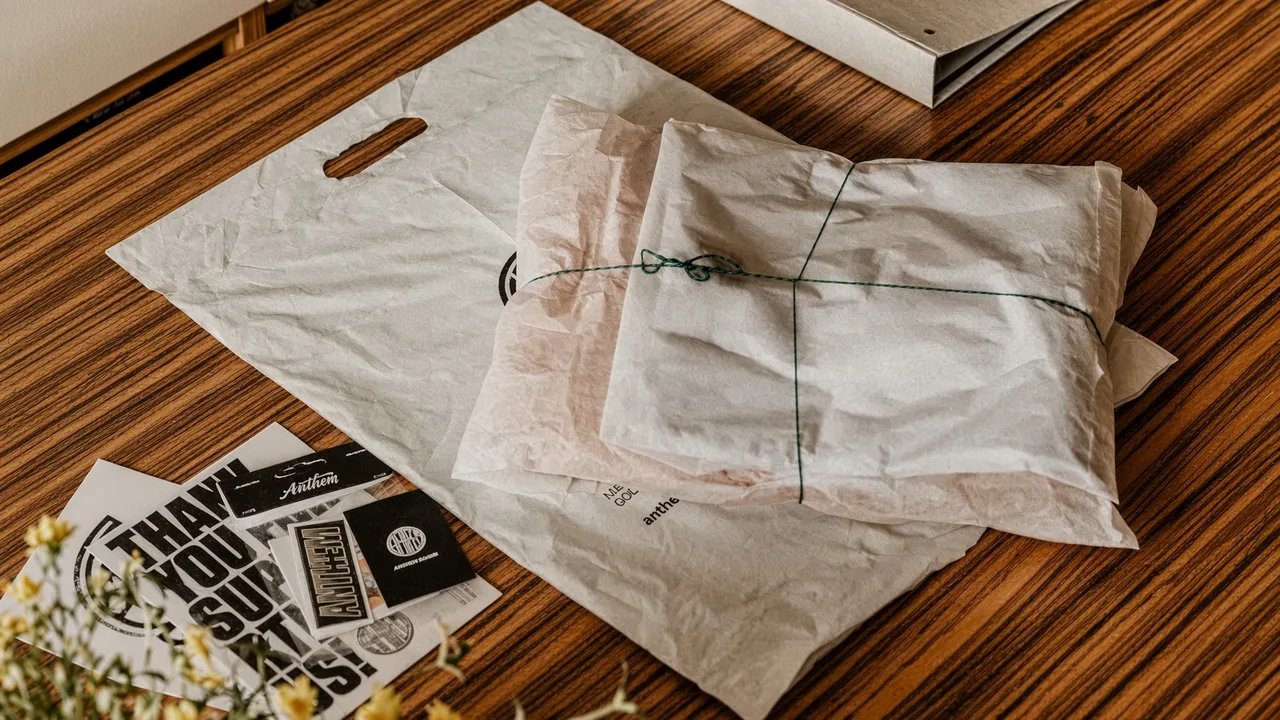
Kraft paper wraps a flat parcel tied with twine, laid on a wooden board

02

Recycled and compostable stock

Recycled paper and recycled film are both available, and the kraft grades are compostable. Where recycled content is used, it is documented on the order, so the claim is one your customer can check.

  • Recycled content is recorded against the order rather than asserted on a badge.
  • Compostable kraft is the direction we start from on paper packs, not a paid upgrade.
  • Fabric bags are reusable, and usually the part of the order customers keep.

Questions

Frequently Asked Questions About Custom Clothing Packaging

01What kinds of clothing packaging do you make?

Four in the ordinary run: a poly bag for the folded garment, a mailer bag for a parcel, kraft paper taken as a bag or a box, and a cloth bag. Woven and printed labels, hangtags and carton marks are made on the same brief, so a style is packed with everything it needs.

See the four pack types
02Can our own logo go on the packaging?

Every pack prints. One colour or several, on one face or all of them, at a size and a placement you set. The artwork is proofed before the run, so what arrives matches what was approved rather than what the file looked like on a screen.

Browse the customisation scope
03What is the smallest packaging order you will take?

Packaging is specified on the garment order and priced against your own quantities, so the minimum that applies is the garment minimum: the run starts at a hundred pieces in each colour, and colours are never pooled to reach it. A woven label carries its own separate hundred-piece threshold.

Compare the two minimums
04How does packaging fit the production calendar?

It runs with the garment rather than after it. A sewn prototype comes back 7–10 working days after the tech pack locks, bulk takes 7–15, and the printing and packing are booked into that same window — so the packs go on before the cartons close, not once the goods are already finished.

Get a dated plan
05How is clothing packaging priced?

Against your own order, because four things move the number: the grade of paper or film, how many print colours the design needs, the closure, and any reinforcing. Freight is priced at the same time — DDP, DAP or DPU to your destination — and appears on the quote rather than being folded into a piece rate.

Request a quote
06Which certificates cover the packaging?

Two reach it. BSCI covers the building the work is done in, and GRS applies where recycled fibre or film goes into the pack, which is what lets a recycled-content claim be documented rather than asserted. OEKO-TEX 100 is a textile standard issued for the garments, so this page does not claim it on a bag.

Open the compliance pack
07Who checks the packaging before it ships?

Final inspection runs at AQL 2.5 before the cartons are closed. Print position, colour and the closure are held to the approved proof at the same time, and a pack that falls outside it is reprinted before the order leaves rather than shipped with a note.

Learn how inspection runs
08How does the packed order ship, and how long does it take?

Transit sits on top of the production window: 5–7 days by air, 30–45 by sea. The service level and its cost are on the quote from the outset, and cartons are marked and the packing list built to your specification before the order leaves the building.

Ask how the order ships
09Can our customers reuse or recycle the packs?

The kraft grades are compostable, the film grades are recyclable wherever a collection exists, and cloth bags get reused — usually kept rather than thrown out. It is worth saying so on the pack itself, which is another reason recycled content is recorded against the order.

Plan a reusable pack

Start with one pack

One Printed Proof Settles the Stock, the Shape and the Mark

Send whatever describes the pack — a drawing, a reference bag you already use, or a garment that needs housing. The reply is a dated quote with the freight on it, and the packaging prints with the run rather than after it.

Request a quote