For companies kitting staff across sites and shifts

Multi-Site Corporate Uniform Rollouts — 98.2% Batch Consistency Rate

Most corporate clients see defect rates jump above 7% on second-and-later batches when specs are not formally archived. Our locked-spec uniform programmes maintain an average 1.8% defect rate across replenishment runs, supporting seamless roll-outs for teams spread across up to 28+ countries. Every fabric lot and brand-mark placement is cross-checked against your master reference before cutting begins.

MOQ 100 pcs/colourBulk 7–15 working daysAQL 2.5

What stands behind the programme

Four figures that say what is behind a uniform order — the plant, the people, the output and how long the mill has been running.

Manufacturing floor

20,000 sqm

Team on the floor

400+ workers

Garments a year

~1,000,000 pcs

Trading since

2015

The programme is only as repeatable as the plant that runs it — the same cutting floor, pattern room and finishing benches cut the first batch and the tenth.

Where a staff programme jams

Five Stops That Stall a Staff Programme

Every tab is one way a uniform programme goes wrong. Open it for what the problem costs the company, how we head it off, and what the buyer ends up holding instead. Dotted terms gloss on hover.

The problem

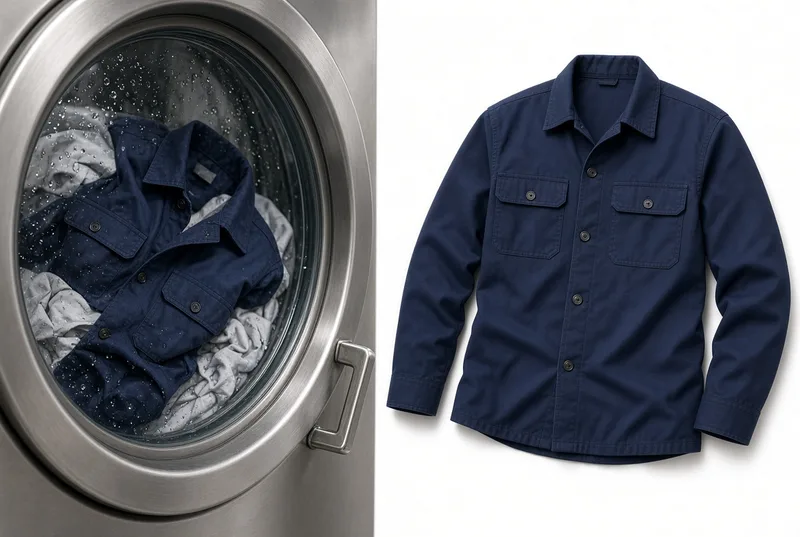
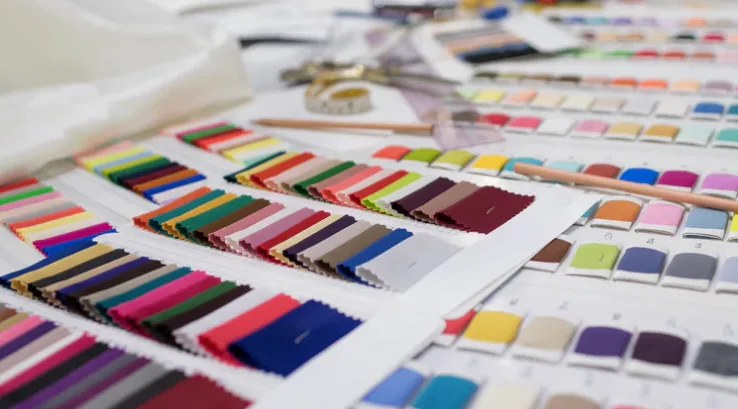
The second batch arrives a shade off the first

  • A second run is dyed fresh, so the shade is only compared once the goods arrive.
  • Fabric is re-sourced without the reference the first batch was cut from.
  • Dye houses quoting on price match the shade by eye.

What it costs if left

  • Staff in mismatched batches look like separate companies on the same site.
  • A brand colour that drifted is noticed by customers before management.
  • Managers field questions about why the new staff look different.

Our answer

  • One colour standard is kept on file for the life of the programme.
  • Each top-up is checked against that standard before it is cut.
  • Material is sourced to it, and the incoming roll is inspected on arrival.

The gain

  • Every site and every batch reads as one company.
  • Replenishments that sit beside the originals without a seam.
  • Batches that match the first, ten orders in.

Who it stalls

  • Facilities teams chasing a colour that keeps moving.
  • Front-of-house staff sent out in a tone that does not match.
  • A reception desk that suddenly wears two different blues.
The problem

The logo lands in a different place on every batch

  • Crests are digitised once and then re-drawn by each factory that later cuts them.
  • Placement is set by eye rather than by a measured position on the garment.
  • Logos re-drawn from a photo drift a little further each time.

What it costs if left

  • Logo drift reads as carelessness on the most visible part of the uniform.
  • Reprinting a batch of marks is the only fix once they are off.
  • Crests that sit high on one sleeve and low on the other.

Our answer

  • The mark position is written into the tech pack as a measurement.
  • Embroidery digitising and placement are held to that same file.
  • Stitch-out is approved on the cloth the batch is cut from.

The gain

  • Crests that land the same way on every garment.
  • Logos that read as placed rather than fallen.
  • Marks that survive the industrial wash cycle.

Who it stalls

  • Marketing teams whose logo arrives off-centre.
  • Staff photographed in a mark that does not sit square.
  • Uniform stock that cannot be issued because the marks are wrong.

The problem

Replacing one size means briefing the whole order again

  • Any replacement size is treated as a new order with nothing on file.
  • Specs live with the person who placed the first order rather than in a document.
  • Replacing a leaver’s jacket means re-opening the whole programme.

What it costs if left

  • Filling a gap costs the setup of a full run.
  • Sites wait weeks for one size while the rest of the range is in stock.
  • Uniform spend is committed to setup time rather than to garments.

Our answer

  • A locked tech pack means a replenishment is raised against the file, not the brief.
  • The same block, shade and marks are reused for a top-up.
  • Top-ups are cut from the same block and shade as the original run.

The gain

  • One size reordered without reopening the programme.
  • Uniforms that outlast the staff they were bought for.
  • New staff kitted from stock the programme already holds.

Who it stalls

  • Procurement staff rebuilding a spec that already exists.
  • New starters waiting on a size the site has run out of.
  • HR teams waiting on a uniform before a start date.

The problem

One size chart cannot cover every role and site

  • One retail chart is asked to fit office, floor and warehouse staff at once.
  • Roles that need a different cut are forced into the same block.
  • Warehouse and front-of-house roles are issued the same shirt.

What it costs if left

  • Ill-fitting uniform gets worn open or not at all.
  • Sizes get swapped between staff to get through a shift.
  • Sleeves get rolled and jackets left open to make a cut work.

Our answer

  • Sizing is drafted to the roles and the sites in the programme.
  • Grades can be held for the core roles while a second is opened for a specialist one.
  • Second blocks are opened for any role that needs a different cut.

The gain

  • Each role gets a cut that suits the work it does.
  • A programme that fits a whole company rather than one department.
  • Workwear each employee can wear as it was issued.

Who it stalls

  • Managers dealing with size complaints shift after shift.
  • Warehouse staff moving in a cut made for an office.
  • Inductions delayed while a role waits on the right cut.

The problem

Wear shows long before the uniform is due for replacement

  • Cloth chosen on price breaks down long before the replacement cycle.
  • Workwear for a hard shift is built to the same grade as a desk shirt.
  • Desk and floor roles are bought on one grade to save on the order.

What it costs if left

  • Kit that fades or frays early is replaced at the company’s cost.
  • Procurement re-orders sooner than the budget planned.
  • Batches that fray early are re-ordered before the year is out.

Our answer

  • Fabric and construction are matched to the role and the wash it takes.
  • Service grades can be set higher for the roles that wear hardest.
  • Wash and abrasion grades are written into the spec for each role.

The gain

  • Kit that lasts the cycle it was budgeted for.
  • Fewer replacements between budget periods.
  • Clothing worn for its full intended life rather than replaced early.

Who it stalls

  • Finance, funding replacements no one forecast.
  • Employees in a uniform that has given up before they have.
  • Replacement uniforms issued long before the first has worn out.

Batch Consistency Engine

How We Keep Your Uniform Line Aligned across Locations & Reorders

Our approach

Corporate uniform failures rarely happen on the first order. They emerge when restocks, new-site rollouts and staff turnover break your original design baseline. We build a dedicated consistency engine for your programme: physical swatch archives, digital measurement logs and fixed QC checkpoints are established at project kickoff. Every incoming fabric roll, print run and embroidery set is validated against these references before cutting starts. All production runs stay tied to the same control system, no matter how many replenishment cycles you add.

What you gain

  • A permanent physical + digital reference library for all uniform components.
  • Pre-production fabric and colour verification to eliminate shade drift.
  • Automated dimensional checks for logos, patches and embroidery placement.
  • Workwear construction validated against your real-world shift and laundry cycles.
  • Seamless expansion to new sites without reworking your uniform requirements.

The uniform spec sheet

Six Lines That Hold a Programme Together

By the second order, a uniform is one document. These are the lines the programme is built from.

Fabric and shade

The cloth and its dye lot are named and held, so a later batch matches the approved tone.

Brand marks

Every crest, tag and label is set with a measured position and a fixed size.

Sizing and fit

One chart is graded for the roles and kept on file between batches.

Service grade

Workwear is built to the grade the shifts put on it, not a desk-shift default.

Care and laundry

The wash the garment will take is named, so the fabric is chosen to survive it.

Packing

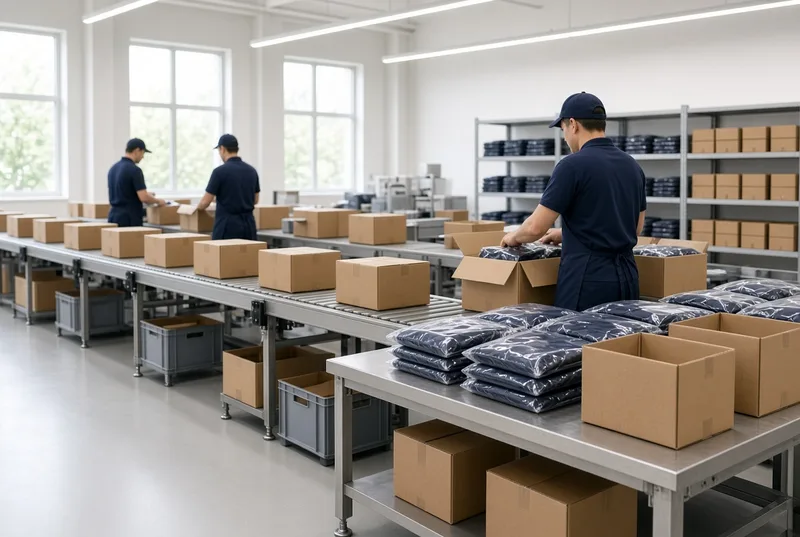
Poly bags, size stickers and carton marks follow one spec across every site.

One document runs the programme: a replenishment is cut from this file rather than re-briefed, so the second order is a production job, not a development one.

What a rollout covers

Six Things a Rolling Programme Has to Hold

Beyond the spec sheet itself, a staff programme is a rollout: sites, roles, first-batch approval, replenishment, delivery and the records that keep it repeatable.

Rollout planning

Sites, roles and start dates are mapped before the first batch is cut.

One written spec

Fabric, marks, sizing and grade sit in a single document.

First batch and fit

The first batch is approved on the spec before the wider rollout runs.

Replenishment

A top-up is cut from the file rather than briefed again.

Multi-site delivery

Orders are packed and shipped to the sites on the rollout.

Batch records

Each batch is logged against the spec it was cut to.

Why run a uniform programme here

What This Floor Holds for a Programme

A programme stays steady on a held spec, marks set by measurement, and a top-up that reads off the file.

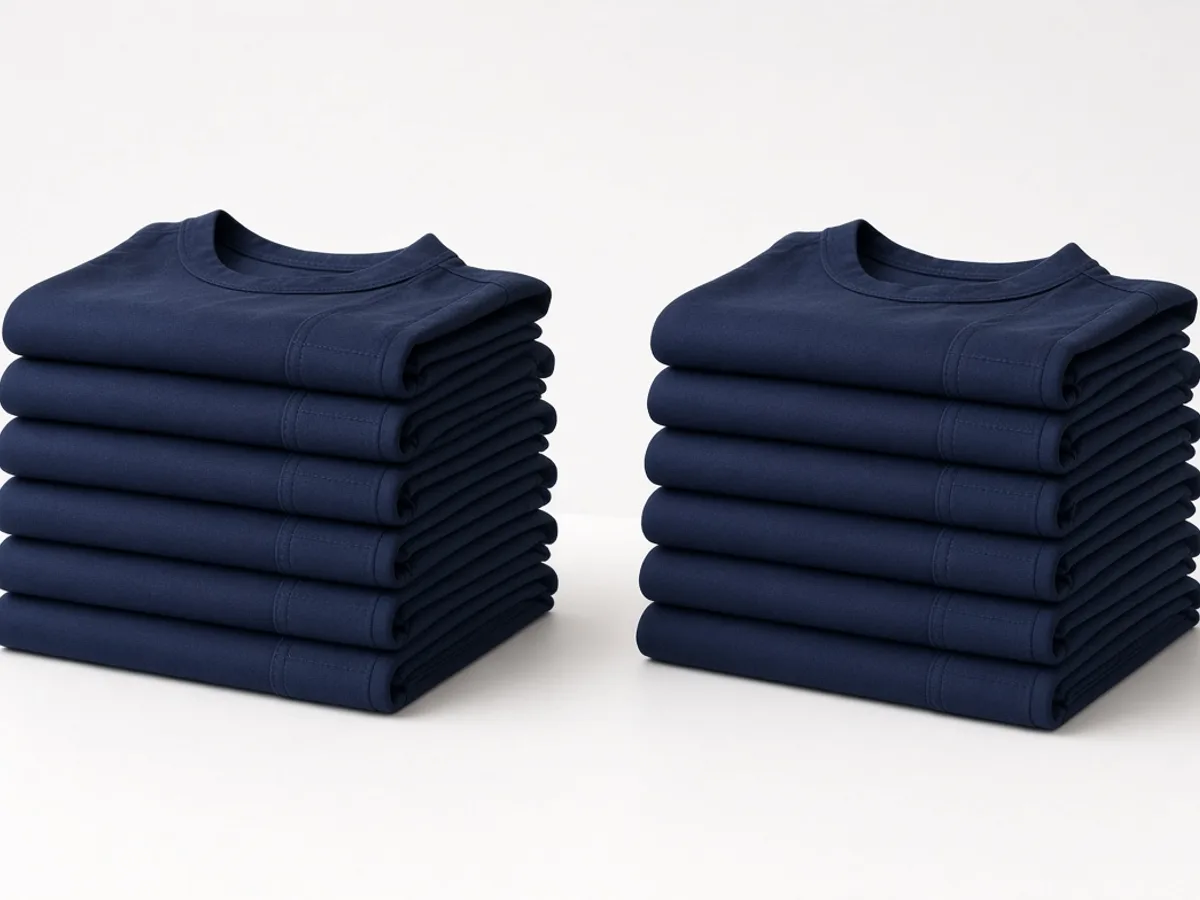
Two stacked piles of navy workwear tees side by side on a bench

One spec, held across every batch

Fabric, shade, marks and grade are locked once, so a tenth batch matches the first.

One spec
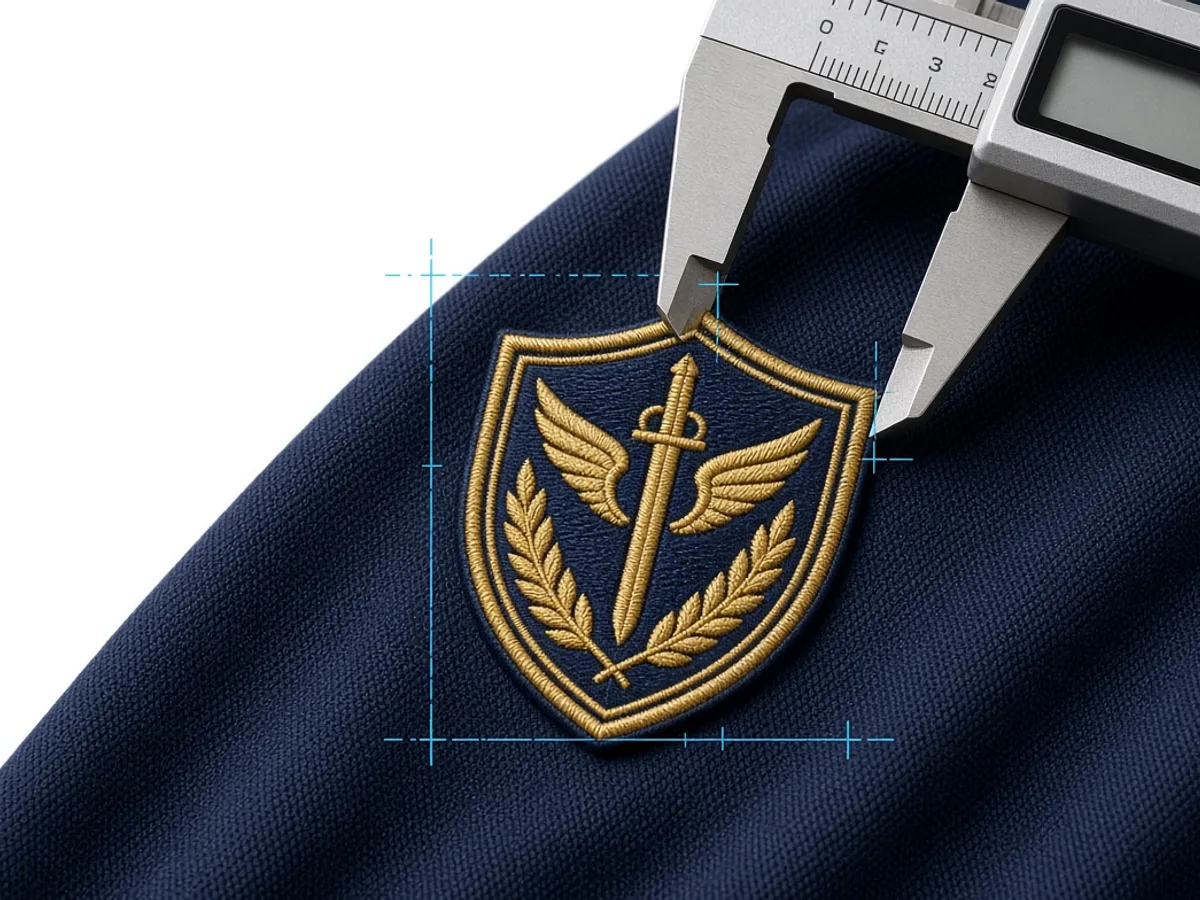
A gold embroidered crest held under a caliper on navy cloth

Marks set to a measurement

Every crest and label is digitised once and placed to a dimension, not by eye.

Measured marks
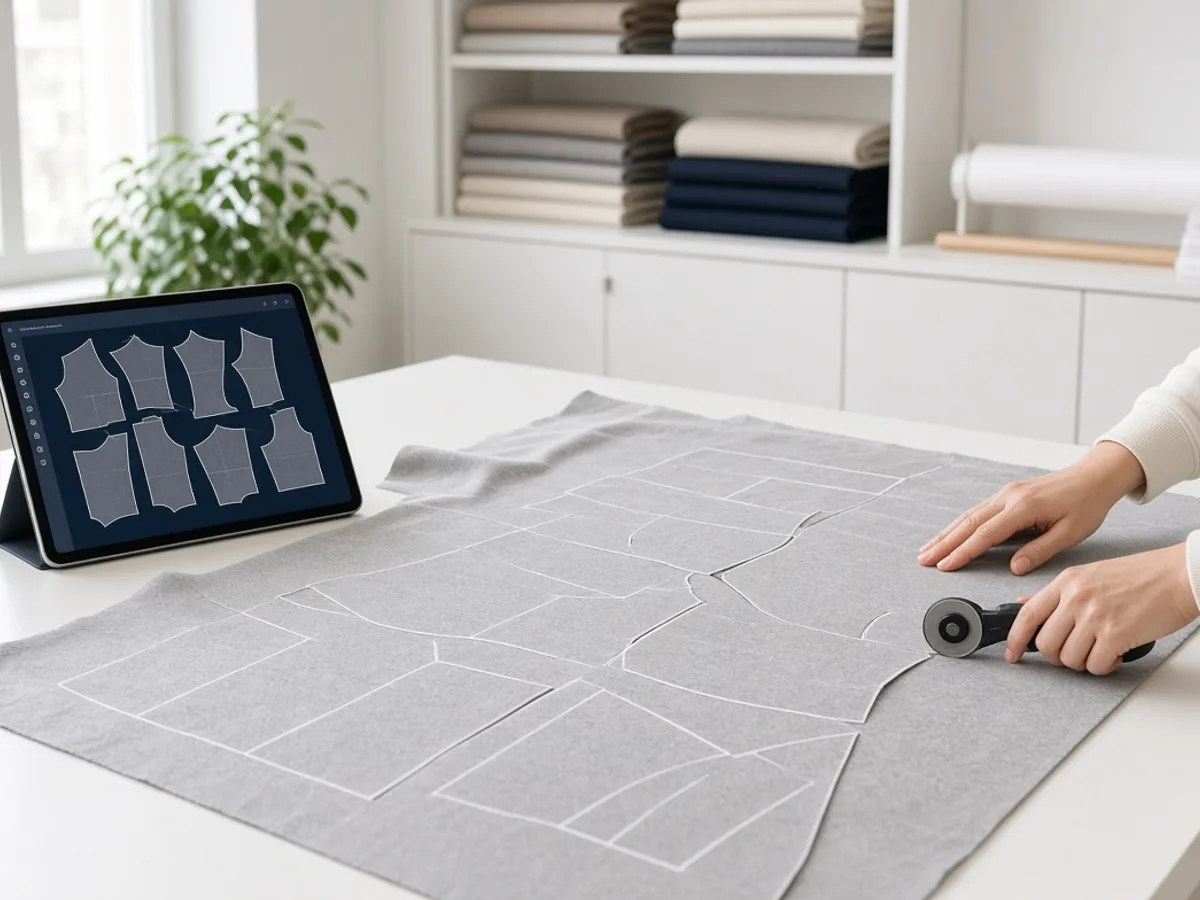
Pattern pieces traced on grey fabric beside a tablet of cutting markers

A replenishment is a file lookup

A replacement size or a new starter is cut from the same block rather than briefed afresh.

Off the file
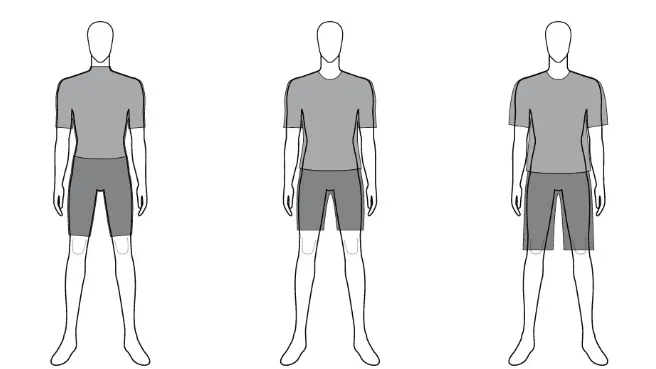
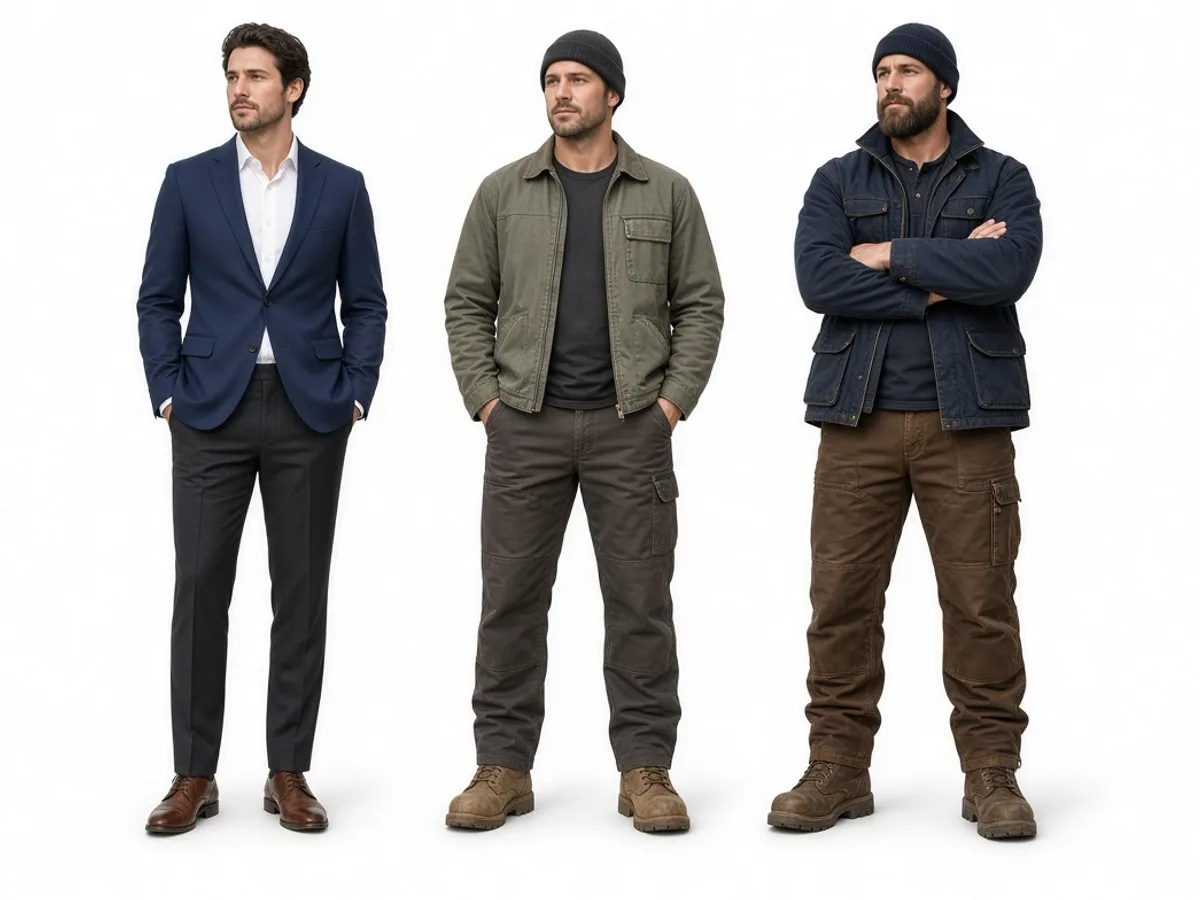
Three staff in office, floor and warehouse uniforms standing side by side

Cuts drafted to the roles

Office, floor and warehouse roles each get a cut that suits the work they do.

Per role

From spec to second batch

The Brief In, the Standard Out

Send the roles and the marks; the answer is a written spec kept on file.

What you send

  • The roles and the sites the uniform has to cover.
  • A spec, a worn garment or a sample you already hold.
  • The marks, the colours and the standard you work to.
  • How the uniform is washed and how hard it is worn.

What comes back

  • A written spec that fixes fabric, shade, marks, sizing and grade.
  • The first batch cut and finished to that spec.
  • Every crest carries a measured position, held on file.
  • Replenishments cut from the same file, batch after batch.

Where your programme sits

Programmes We Run

If the brief is a company-wide rollout that will be replenished, it is ours to run.

This is a fit

  • Companies running staff across more than one site or shift.
  • Roles that need more than one cut and grade.
  • A programme that will be replenished rather than bought once.
  • Placement that holds from one order to the next.
  • Sites that can be added without re-briefing the programme.

This is not a fit

  • A single sample piece rather than a whole staff rollout.
  • Pieces bought with nothing to repeat them against.
  • Rollouts that rewrite the spec with every new drop.
  • Staff ordering their own retail sizes with no company chart.
  • One-off orders with no intention of a second.

Client cases

Three Client Runs, and What Each Came Back With

Each card is one client: the brief they brought, the work behind it, and the numbers the run produced.

Case 01

Nova Hospitality

UK hotel group

80 → 950Units/month in 16 months
1.8%Defect rate
4.8★Avg. customer rating

The challenge

  • This UK hotel group rolled out front-of-house uniforms across seven locations without a fixed colour standard.
  • Restock batches arrived with noticeable shade variation, and embroidered crests were placed inconsistently.
  • Male and female sizing lacked uniformity, leaving mismatched stock unusable across rotating staff shifts.

The solution

  • We established a permanent fabric and colour reference for the full uniform programme.
  • A single master tech pack defined precise embroidery placement and role-based grading for reception, housekeeping and F&B teams.
  • Each fabric lot was cross-checked against the approved swatch before production. AQL 2.5 inspection and batch archives supported seamless future replenishments.

The result

  • Monthly output scaled from 80 to 950 units across 5 uniform SKUs, maintaining a 1.8% defect rate.
  • All reorder batches matched the original brand colour.
  • Uniform consistency was maintained site-wide, and replenishment orders were reliably delivered on schedule.
Case 02

Prime Logistics

European warehouse & transport brand

+34%Margin per unit after consolidation
36%Repeat purchase rate
10/10Site rollouts delivered on time

The challenge

  • Their polos, hi-vis jackets and work trousers were sourced from three disconnected suppliers.
  • Fabric performance was inconsistent; garments degraded rapidly after repeated industrial laundering.
  • Embroidery placement varied, and each new warehouse rollout required full spec renegotiation.

The solution

  • Every uniform style was consolidated into one managed production programme.
  • Hardwearing, laundry-stable fabrics were selected to withstand heavy shift use.
  • Brand markings were locked to fixed measured coordinates. A dedicated programme manager oversaw specs, sampling, QC and end delivery.

The result

  • Consolidation to a single manufacturer lifted per-unit margins by 34%.
  • Reliable garment durability drove repeat replenishment rates to 36%.
  • Ten separate site deployments were completed on time over two years, with no hold-ups for new warehouse launches.
Case 03

Apex Facilities

MENA facilities management company

3 → 14SKUs in 22 months
28+Countries shipped DDP
0Quality returns in 2025

The challenge

  • Shirts, softshell jackets and cargo trousers were produced by different factories, creating batch-to-batch colour mismatch.
  • Global shipments carried unplanned customs costs and inconsistent packaging quality.
  • No single vendor took end-to-end accountability for quality as their product range expanded.

The solution

  • Cut & sew, screen print, embroidery, custom packaging and DDP logistics were integrated into one workflow.
  • A master specification document locked fabric, colour, sizing and brand mark positions for every SKU.
  • Every batch was inspected against the unified standard, with import duties pre-calculated and included within all DDP pricing.

The result

  • Their uniform portfolio expanded from 3 to 14 SKUs across 22 months.
  • DDP deliveries to 28+ countries arrived with no unexpected customs charges.
  • Zero quality returns were recorded in 2025 for all field staff uniforms.

Where the uniform detail lives

The Pages behind the Uniform Programme

This page sets out the programme. The two links carry the uniform build and the crests that sit on it.

Questions

Frequently Asked Questions About Corporate Uniforms

01What is the order minimum and how long do the stages take?

Minimums are fixed: 100 pcs per colour, a prototype at 7–10 working days and bulk at 7–15 working days, inspected to AQL 2.5 before the lot ships.

02Can you hold one spec across every batch?

Yes — cloth, tone, marks and sizing sit in one file, and each new batch is cut to that file.

03How are brand marks placed so they stay square?

Each crest is digitised once and pinned to a spot in the spec, so its placement is a dimension rather than a guess.

04Can a single size be replenished later?

The block and the grade stay on file, so a replacement size is raised against the spec rather than briefed again.

05What is the sample fee?

A prototype is $80–150 per style, credited back at a bulk order of 500+ pcs and itemised on the quote.

06How are freight and duty handled?

Freight is quoted to the destination country as DDP, DAP or DPU, with the duty position written on the same quote as the goods.

07How long does the freight take?

Air runs 5–7 days and sea 30–45, both timed from the point the consignment leaves.

08Can new sites join the programme later?

New sites are kitted from the same spec, so a first order matches the others on the rollout.

09How do you handle a change in fabric or trim?

Changes are written into the spec and a new sample approved before the next batch is cut.

Put the programme on one spec

Kit the Whole Company to One Standard.

Send the roles, the sites and the marks you need on the uniform. What comes back is a written spec and a dated first batch priced to it.

Request a quote