For sportswear brands, team-kit buyers and merch suppliers
Custom Sublimation Printing — Dyed Into the Fibre, Not Printed on Top
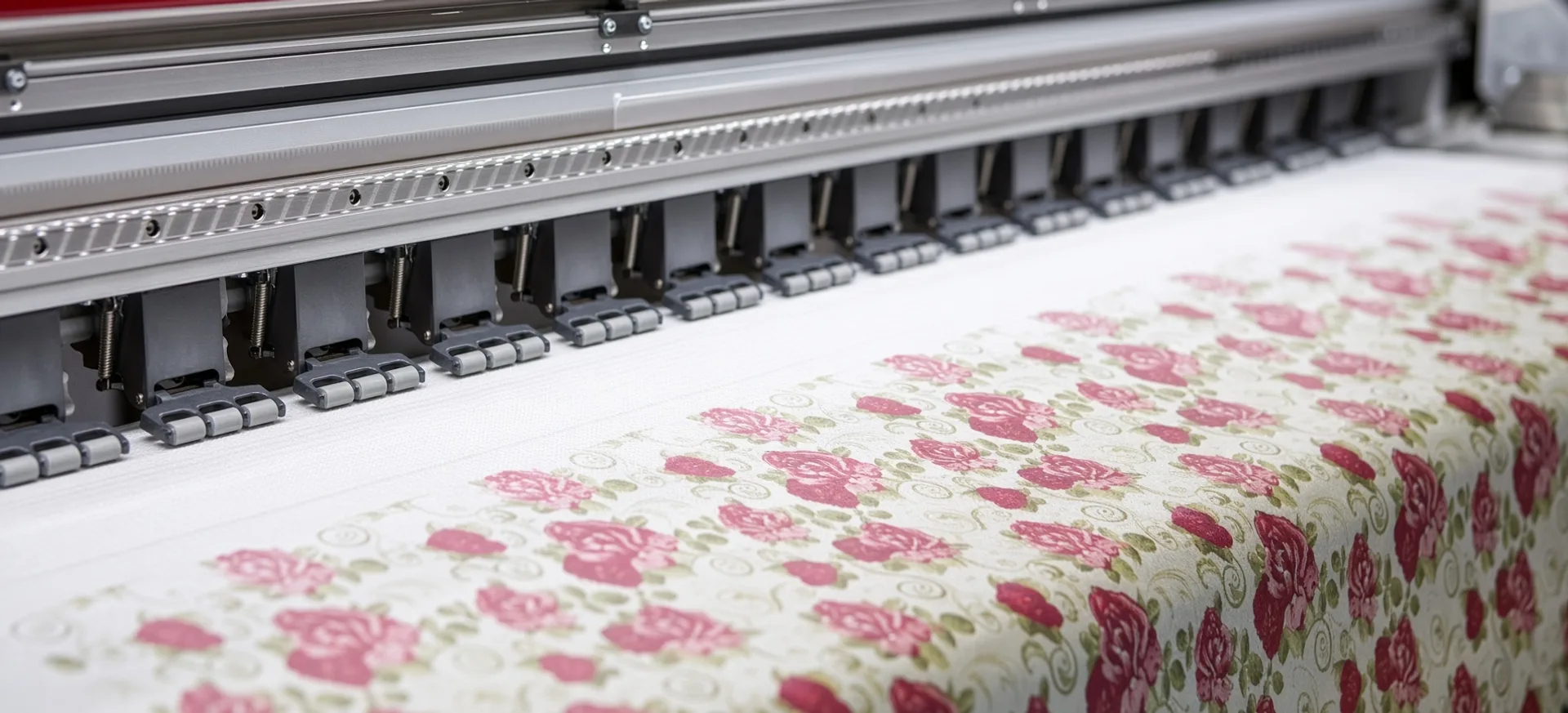
Sublimation turns artwork into gaseous dye that bonds permanently with the fibre, so colour becomes part of the garment itself. Prints retain 95% of their colour vibrancy after 50 washes, with no peeling, cracking or fading. All-over runs on a low order go to a print partner; the rest is dyed in-house on our own cut-and-sew apparel — polyester and light bases only. Average lead time: 7–15 working days for in-house orders, minimum 100 pcs per colour.
Techniques
4 Sublimation Printing Techniques — and Where Each One Runs
Four techniques, and the useful question about them is which we can run ourselves. Three we do; one goes to a print partner on a low order.
Custom Pattern Design
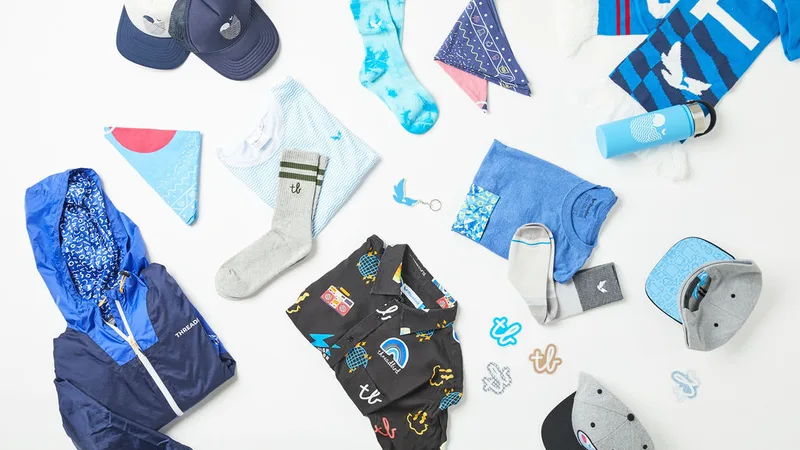
Runs in-house- Patterns are drawn against the garment’s own panels.
- Repeats and scale are set to the actual cut, not a stock file.
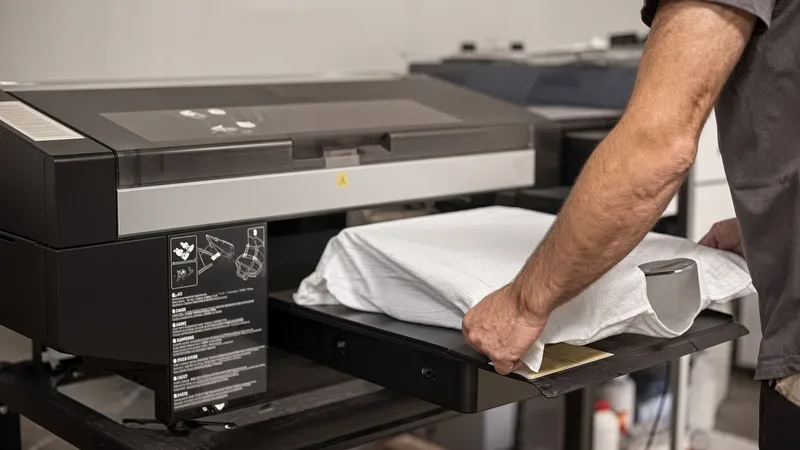
All-Over Printing
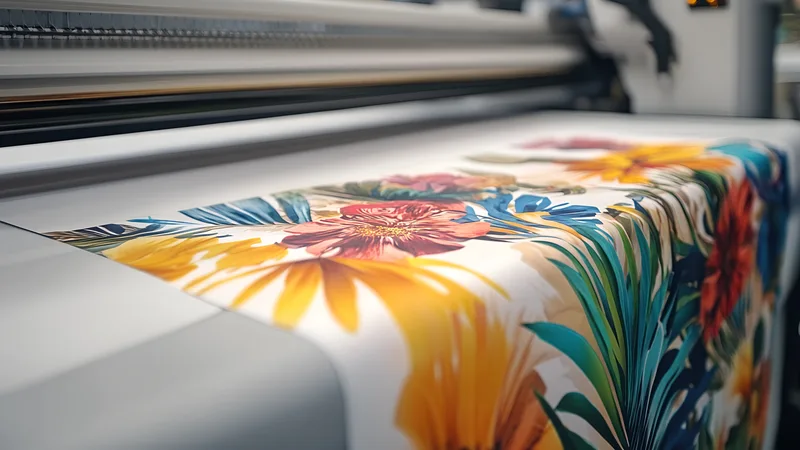
Print partner on a low order- Wraparound coverage; no plain ground left anywhere.
- Routes to a print partner on a low order.
- The quote says so, rather than quoting it as ours.
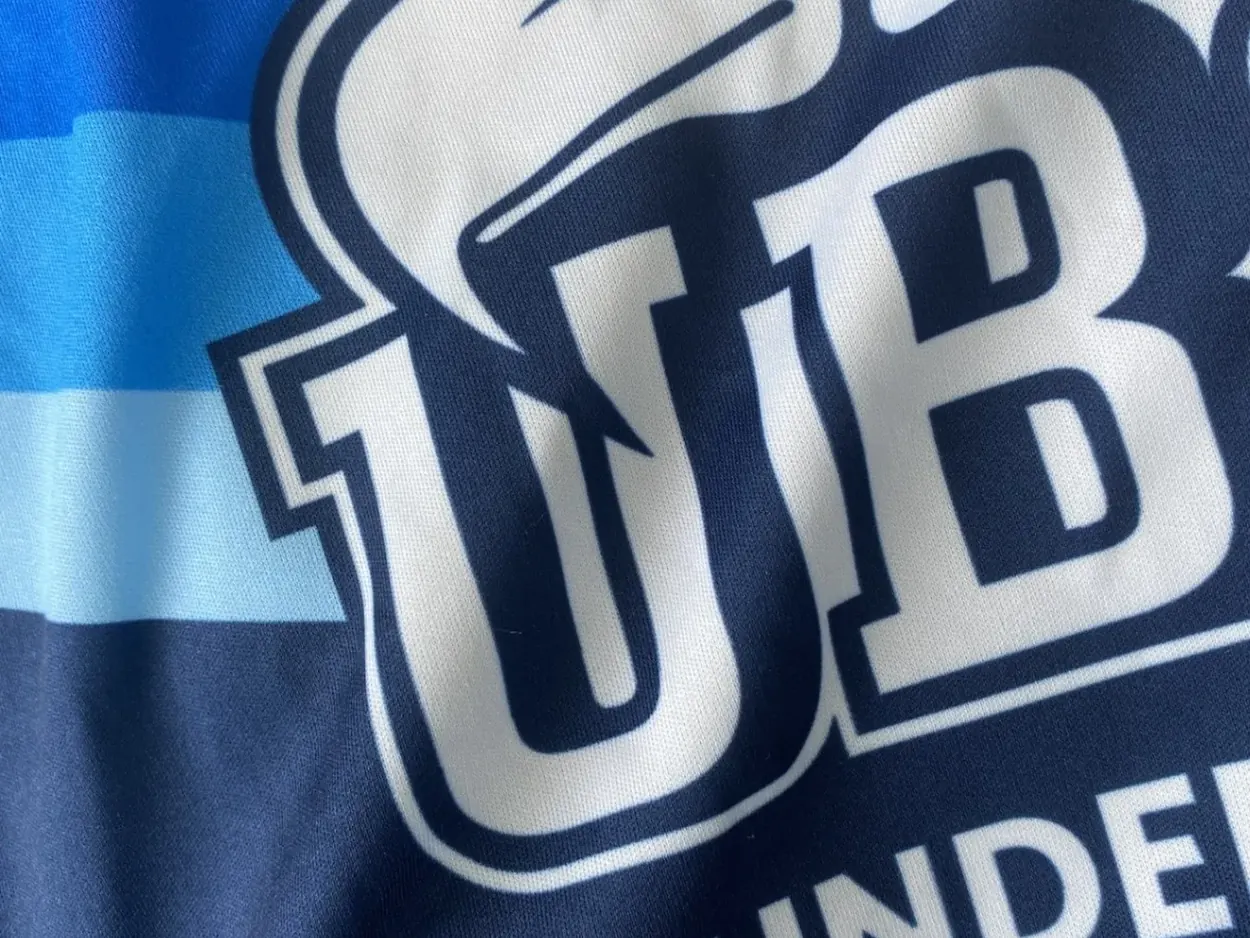
Cut-and-Sew Sublimation
Runs in-house- Dyed into the flat fabric before the panel is cut.
- The pattern runs the panel’s full length; seams close over it.
- Colour beyond a single placement, without going all-over.
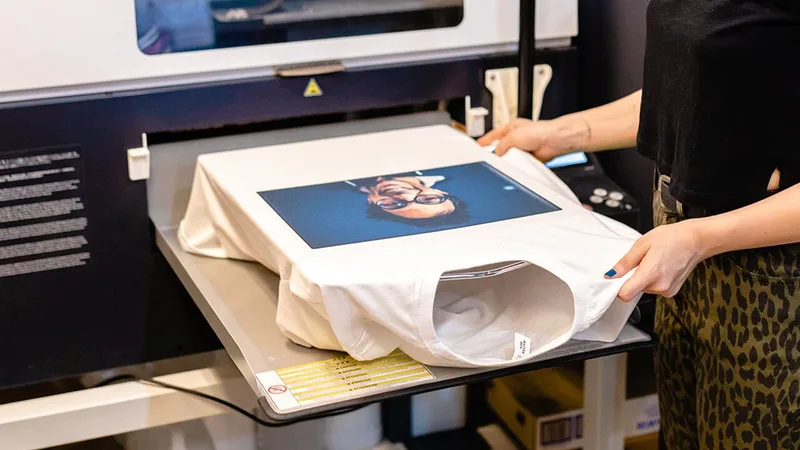
Ultra-Realistic Photo Sublimation
Runs in-house- Continuous tone, gradients and blended colour.
- Dyed in at full colour, not separated into spot colours.
- Nothing in the artwork needs reworking for the process.
The routing is settled before anything is quoted.
The fibre gate
Sublimation Needs a Polyester Surface and a Light Base
For the dye to take, it has to bond into something. Both conditions follow from the cloth rather than from the artwork, which is why they are the first things to check.
Run it as a dye
Sublimation is the right call when
- The garment is polyester or a poly-blend, or the panel is poly-coated.
- The dye needs fibre to bond into.
- Base colour is light or white.
- The cloth sets that limit, not the artwork.
- Colour carries the design — photographic, gradient or all-over.
- Not a flat mark in a colour or two.
- Coverage runs across a panel, or the whole garment.
- Not a single small placement.
Reach for screen printing
Sublimation will not take when
- Cotton, or a cotton-heavy blend.
- No polyester in the surface to take the dye.
- It never takes — proofing will not rescue it.
- Black, or any dark ground.
- Nothing goes over the base.
- No light underneath to lift the pattern.
- Logos and wordmarks are screen printing’s job.
- So are a handful of spot colours.
The dye-in mechanic
Why There Is Nothing on the Cloth to Crack or Peel
Sublimation does not sit on the cloth — it becomes the cloth. That is a fact about the process rather than a claim about how long a garment lasts.
Nothing to lift at the edge
- A surface print has an edge where the placement ends.
- An edge is where a print starts to lift.
- There is no boundary here — there is no layer to have one.
No change to weight or hand
- Nothing is added on top of the cloth.
- Drape, stretch and feel stay the fabric’s own.
It moves with the cloth
- The colour is carried by the fibre.
- The pattern stretches and recovers with the fabric.
- It does not hold its own shape on the surface.
The process
Inside Our Sublimation Printing Process
Four stages, and the pattern that leaves the floor is the pattern that was approved.
Design
- Your artwork is set and approved first.
- Nothing prints before that sign-off.
Transfer
- The approved design goes onto a transfer carrier.
- Dust and lint are cleaned off the fabric.
- A pre-press drives off any moisture.
Press
- Transfer paper is secured against the cloth.
- The press runs at about 380°F (193°C).
- Dye moves only while the press is closed.
Cool and inspect
- Cooling comes next, then the carrier is lifted away.
- Final inspection follows.
- Then on to cutting, sewing and packing.
The prototype is where you first see the dye on the fabric you actually chose, rather than on a swatch.
Questions
Frequently Asked Questions About Custom Sublimation Printing
01Does sublimation printing work on cotton?
No. The dye has to bond into a polyester surface, and cotton gives it nothing to grip. A cotton garment goes to screen printing instead.
See screen printing on cotton02What ink does sublimation use, and how does it get into the cloth?
Disperse dye is printed onto a transfer carrier and heat-set against the cloth. The colour ends up inside the fibre rather than on top of it.
See the full decoration scope03Can you print a dark or black garment?
Not by sublimation. The base has to be light, because on a dark ground there is nothing for the print to read against — on black it disappears. Dark garments take screen printing, which lays ink on the surface of the cloth instead.
See how a dark base is printed04Can a sublimated design be ordered in small numbers?
From 100 pcs per colour. Sizes inside a colour are free to mix, so the floor is reached once per colourway — a jersey taken in two colourways opens at 200 pieces in total.
Ask about a small first run05How long does a sublimated order take from artwork to delivery?
A prototype is sewn inside 7–10 working days of the tech pack locking, with 3–5 fit revisions, and costs US$80–150 per style — credited back once a bulk order reaches 500+ pieces. Allow 7–15 working days for bulk, then 5–7 days by air or 30–45 by sea, freight on DDP, DAP or DPU terms.
Ask about lead times06Which garments can carry a sublimated print?
Team and performance kit first — jerseys, training tops, cycling kit and shorts. Past those, placed sublimation runs on any cut-and-sew garment with a poly-blend surface.
See projects we have run07What quality standard applies to a sublimated order?
AQL 2.5 at final inspection. Where the base cloth qualifies, an order can carry OEKO-TEX 100, BSCI and GRS certification.
Check the certification scopeNext step
Send the Artwork and We Will Say Whether the Cloth Takes It
Send artwork, a target quantity, or just the idea. The quote comes back dated, with the sample fee, the prototype date and the bulk window itemised.