For baby and kidswear brands, gifting suppliers and boutique buyers
Custom Baby Clothing Manufacturer — Baby‑Safe Fabrics, Mixed Sizes, Custom Pattern Cutting
Onesies, rompers, blankets and full sets, cut and sewn from 100 pcs per colour — 0–3M to 6T sizes mix freely in every run.
The default cloth is a 180–220 GSM organic cotton certified to OEKO-TEX 100 Class 1, with nickel-free fastenings.
You get a real sewn prototype in 7–10 working days, then bulk production in 7–15 working days. Labels and packaging included.
The range
Nine Pieces a Baby-Clothing Line Is Usually Built From
Each one is cut and sewn to your own pattern, so the closure, the neck line and the trim are decisions on the tech pack rather than options on a stock blank. A onesie is a bodysuit — the same garment under two names — so the grid below uses the word buyers ask for.
Custom Onesies
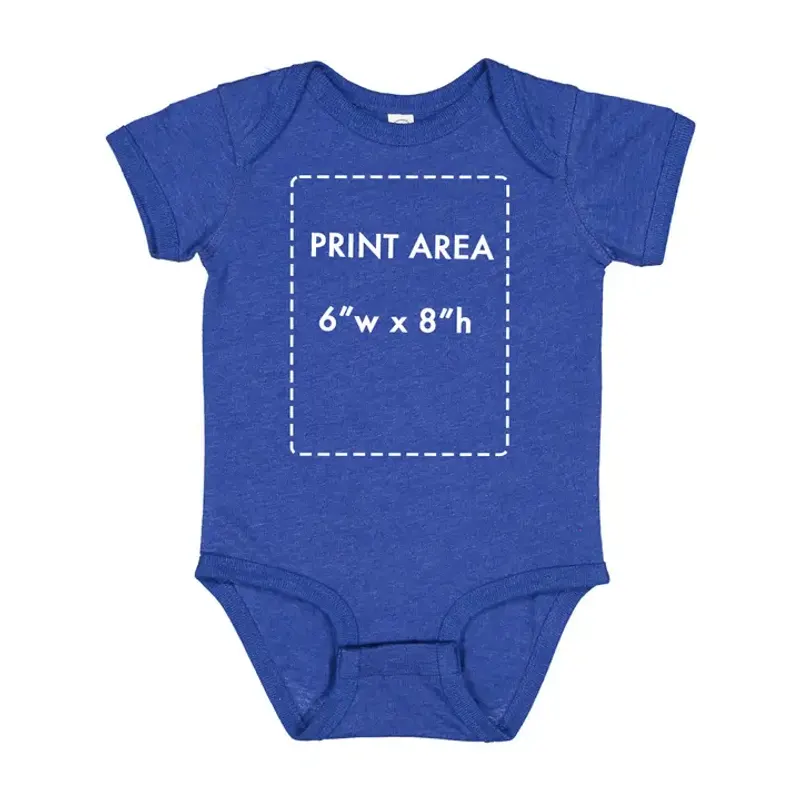
- Covers the torso only, stopping at the crotch with no legs to it.
- Envelope shoulders open at the neck instead of pulling it over the head.
- A flat poppered crotch keeps the front line neat under a vest.
Custom Rompers
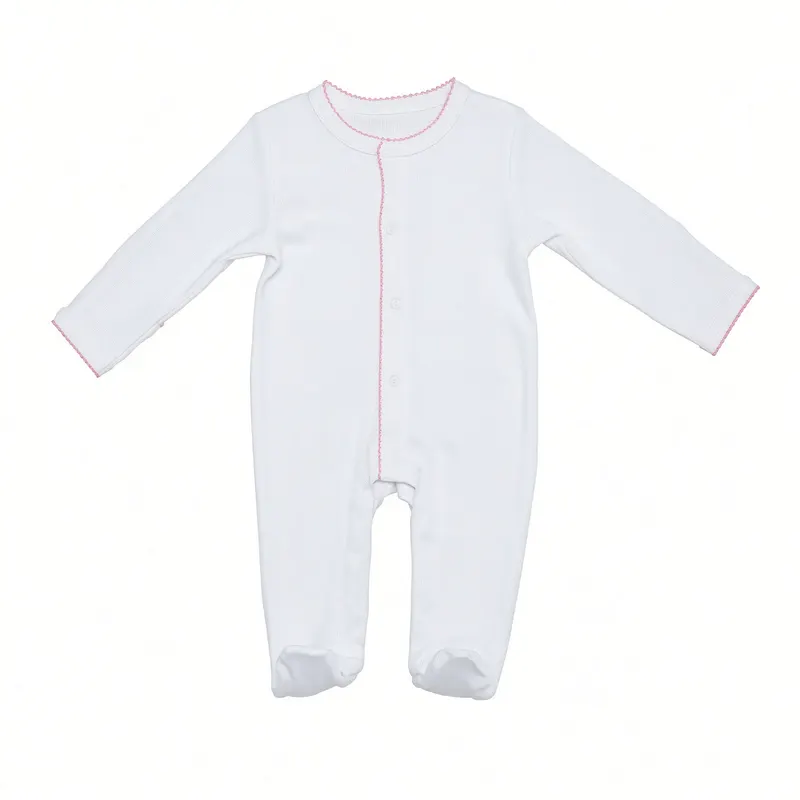
- One piece over the torso and both legs, so nothing rides up in a pram.
- Legs cut short, long, or closed over the foot.
- The covered leg is what makes it a romper rather than a bodysuit.
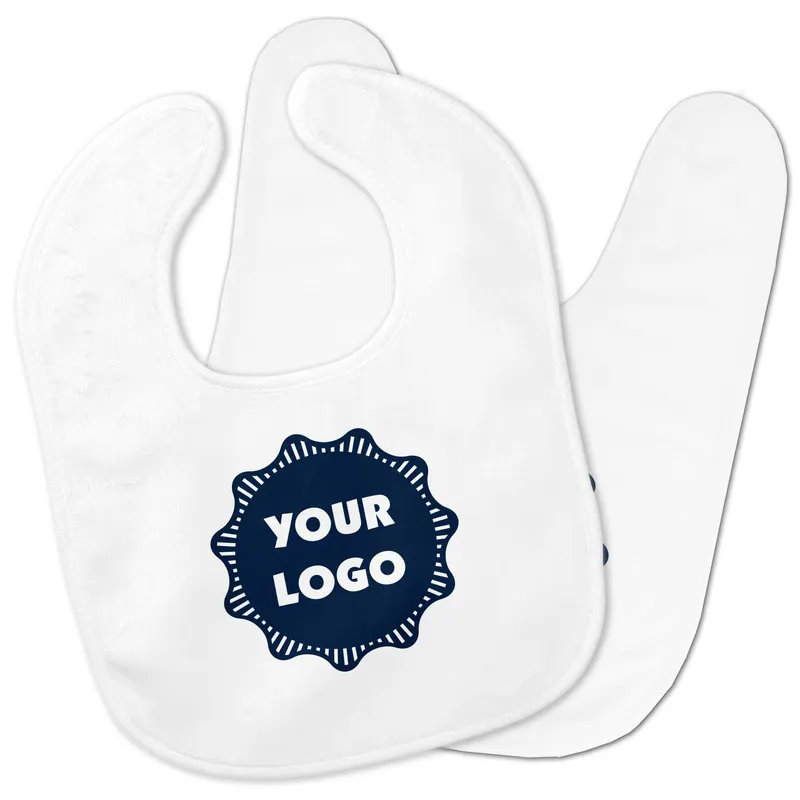
Custom Bibs
- Single layer or backed, whichever the brief calls for.
- Fastened with a popper or a hook-and-loop tab.
- Shaped to your own outline rather than a stock one.
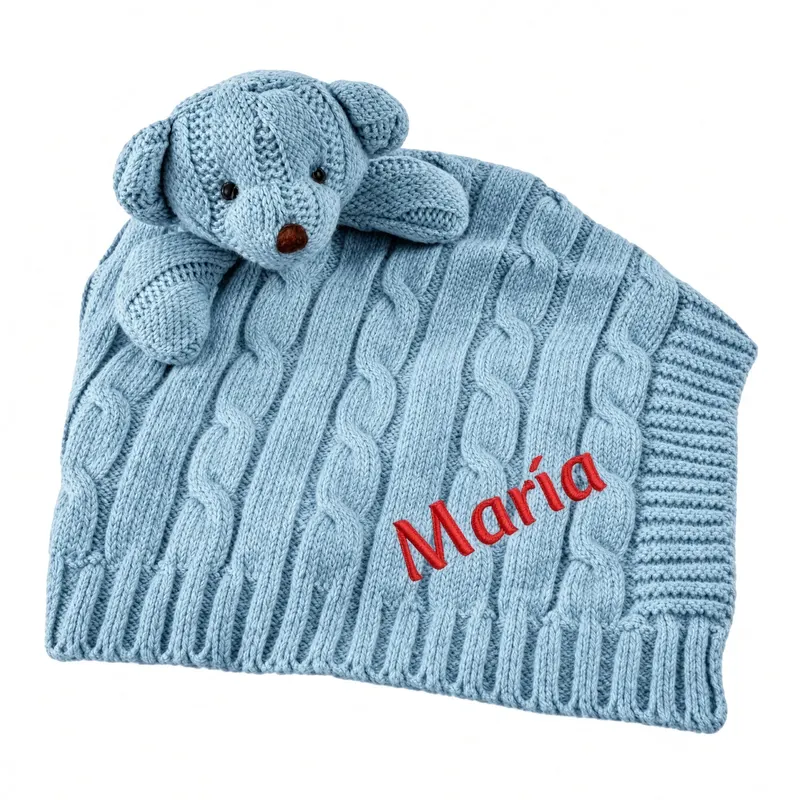
Custom Blankets
- Your chosen cloth, at the weight you specify.
- Printed or plain, with a bound or turned finish.
- Sized to the cot, the pram, or your own dimensions.
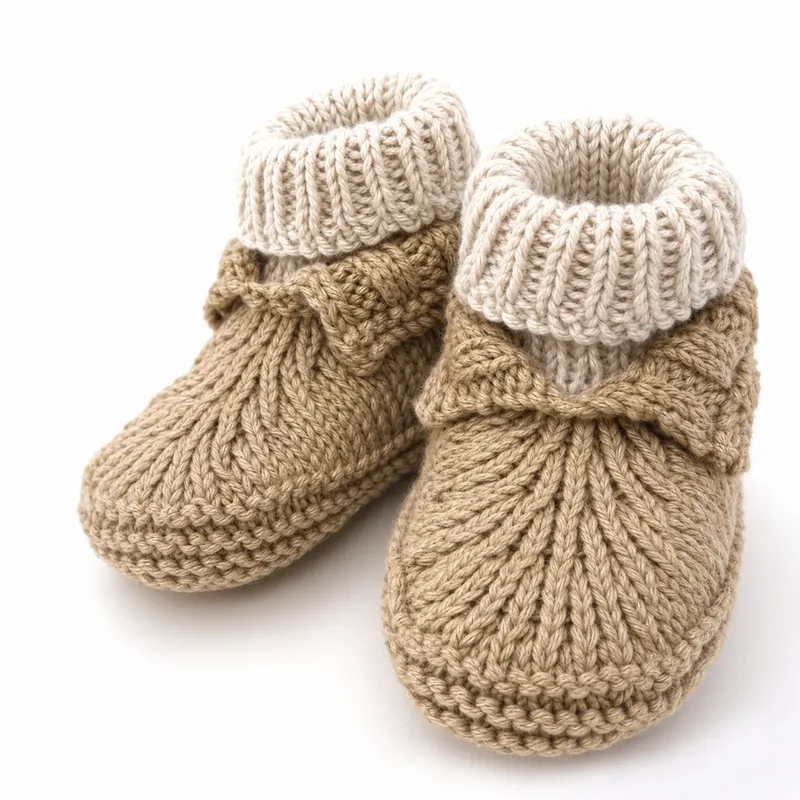
Custom Booties
- Knit or cut-and-sew, to sit with the rest of the range.
- Elasticated at the ankle, or a knitted cord.
- Sole grip is optional on the larger sizes.
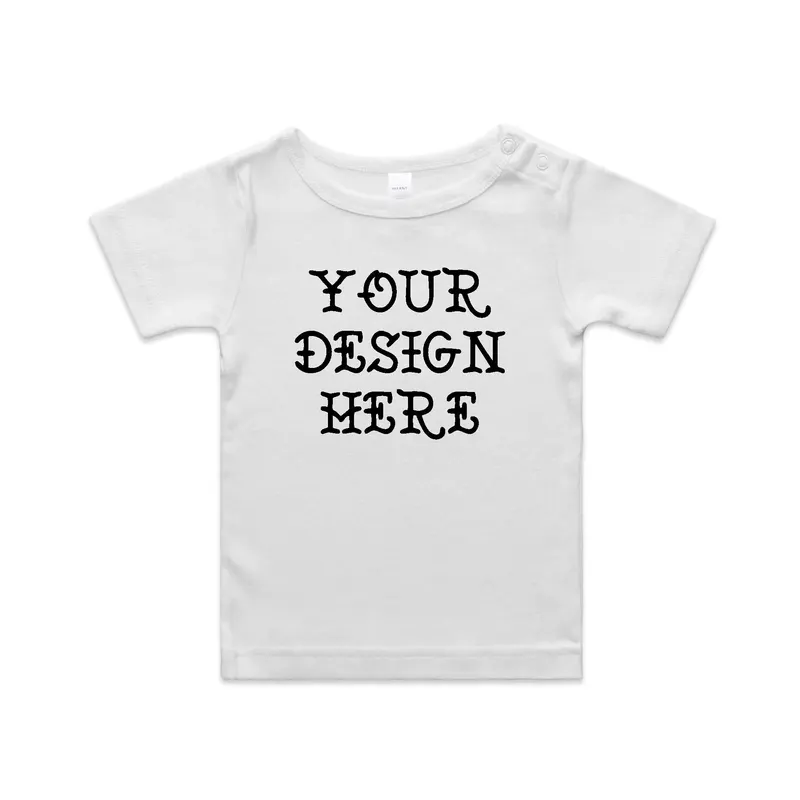
Custom Baby Shirts
- A short-sleeve tee, or a bodysuit with a lap shoulder.
- Cuffs, neckline and hem follow your pattern notes.
- Decoration goes on once the piece is made up.
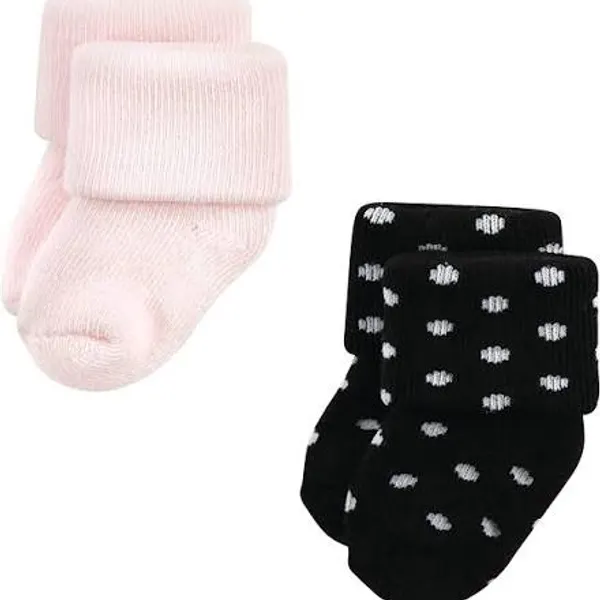
Custom Baby Socks
- Knitted to your gauge, in your colour.
- Seamless toe, or a flat-linked one.
- Cuff height comes off your spec sheet.
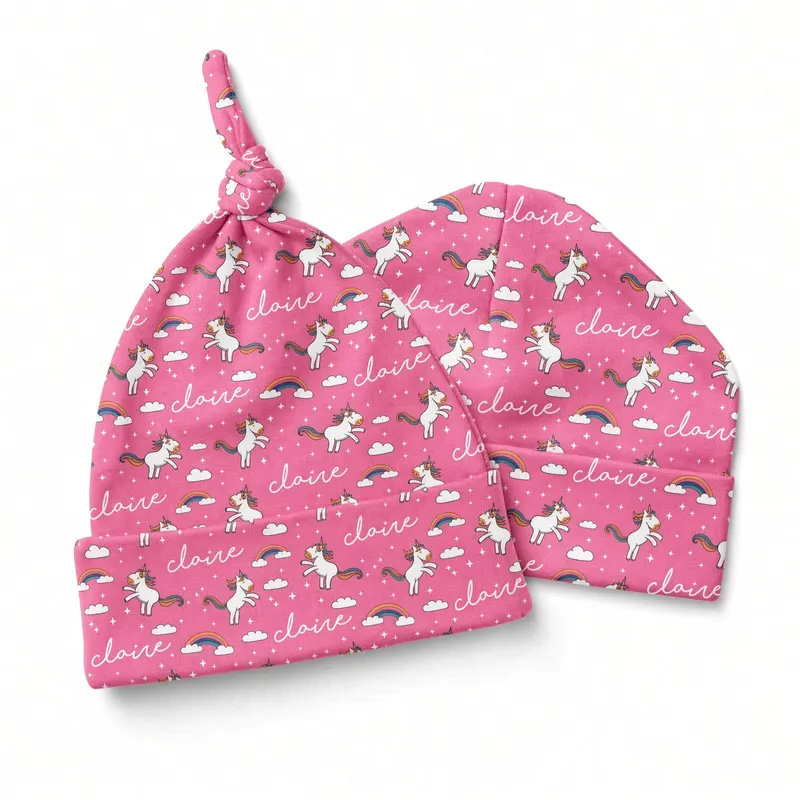
Custom Baby Hats
- Knot hats, beanies and bonnets from the same cloth as the set.
- A ribbed turn-up, or a flat band.
- Trim and pom-pom detail to your brief.
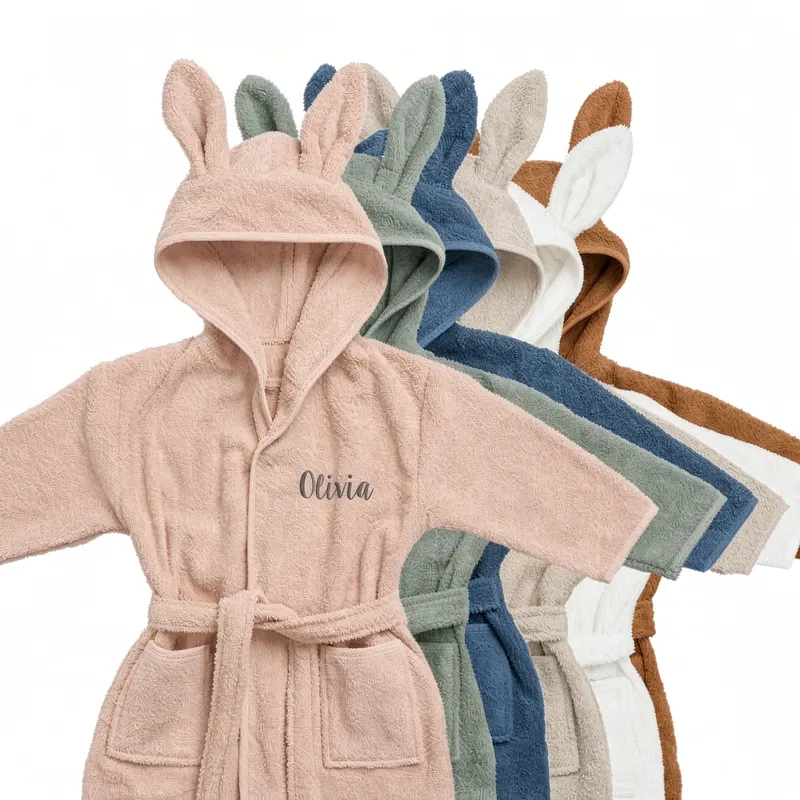
Custom Baby Robes
- Hooded or shawl collar, in terry or jersey.
- Tie belt, or a popper closure on the smaller sizes.
- A name stitched across the chest.
Cloth
Pick a Cloth, and See What It Is Chosen For
The fibre sets how the garment feels on the skin; the tech pack sets what it weighs. Pick a cloth to see what it is chosen for.
 01
Selected cloth
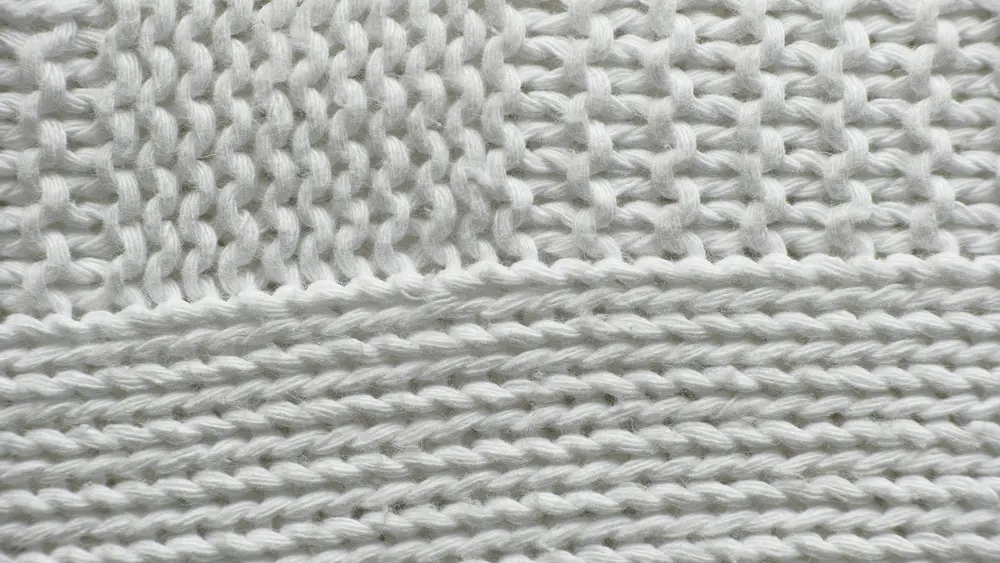
Cotton Knit
- The default for bodysuits, rompers and blankets.
- Flat-knitted, with no raised texture on the face.
- The cloth is tested for harmful substances.
- Weight is agreed on the tech pack, so it holds across every size in the run.
- Chosen where a piece is worn next to the skin all day.
On the tech pack
Six Things You Decide before the First Piece Is Cut
None of these are options on a catalogue blank. They are pattern and trim decisions, which is why the sample matters more here than on a garment with a standard size range.
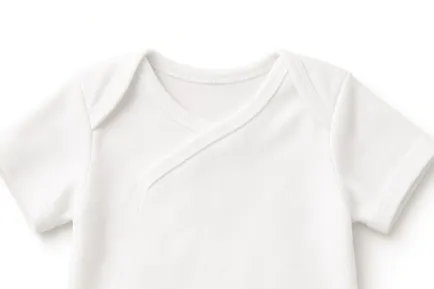
Envelope necklines
Drafted into the pattern
The shoulder opens wide so the garment clears the head.
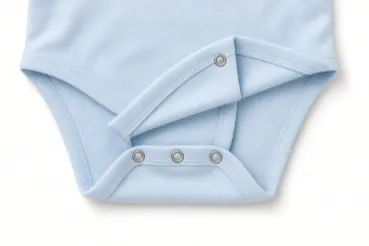
Snap closures
Crotch and inseam · Crotch only
Fastenings are specified nickel-free; the spacing is set per order.
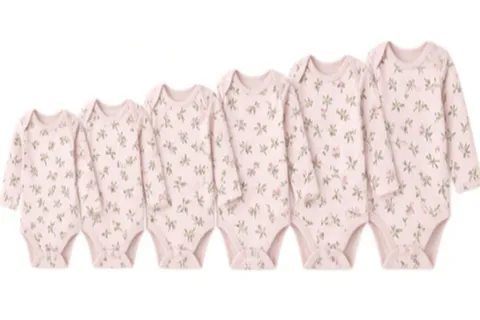
Size grading
One pattern graded across your size run
Grade rules are agreed up front.
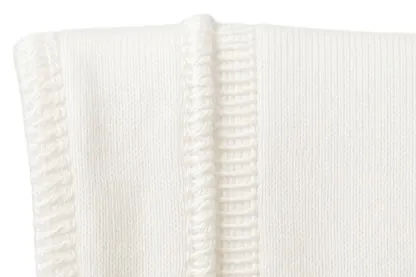
Seam finishing
Overlock · Flatlock
Finished so nothing stands proud against skin, on either seam.
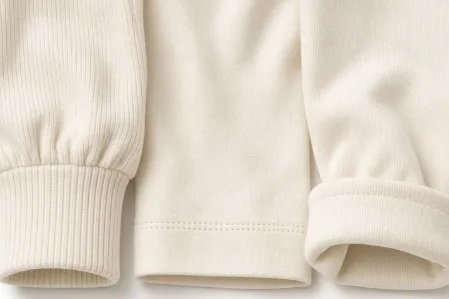
Cuff and hem options
Ribbed · Plain · Folded
Cuff and hem treatment follows the pattern’s own line.
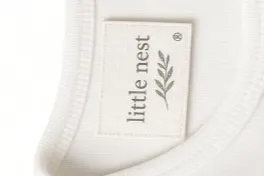
Labels and trims
Woven neck label · Printed neck label
Care labels and trims are set per style; placement is set per order.
Lock the pack
Turn These Six Calls into a Tech Pack
Send them in whatever form you have — a spec sheet, a sketch, or a garment to copy. The prototype is where each one gets decided.
Decoration
Three Ways a Mark Gets onto the Garment
On an infant garment the decoration is chosen for what it feels like against skin first, and for how it looks second.
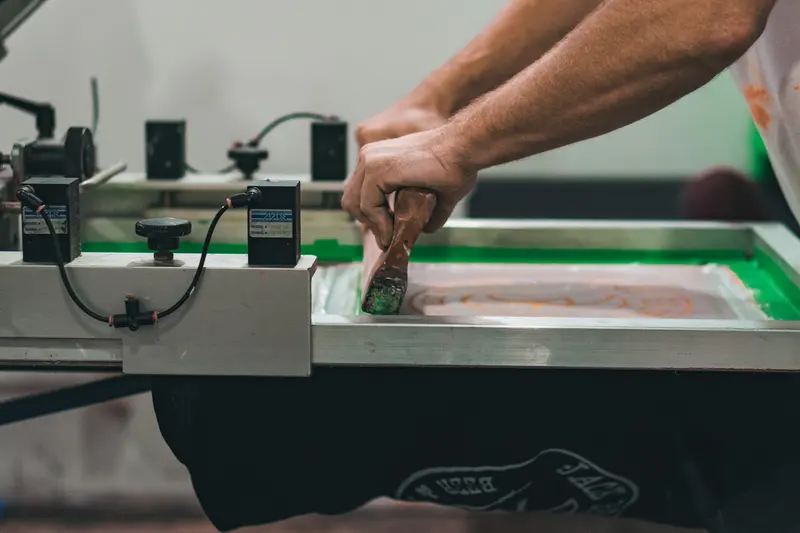
Water-Based Ink Printing
- Used where the print should stay soft against the skin.
- Placement is set on the flat panel before the garment is sewn.
- Colour is matched to the artwork you approve.
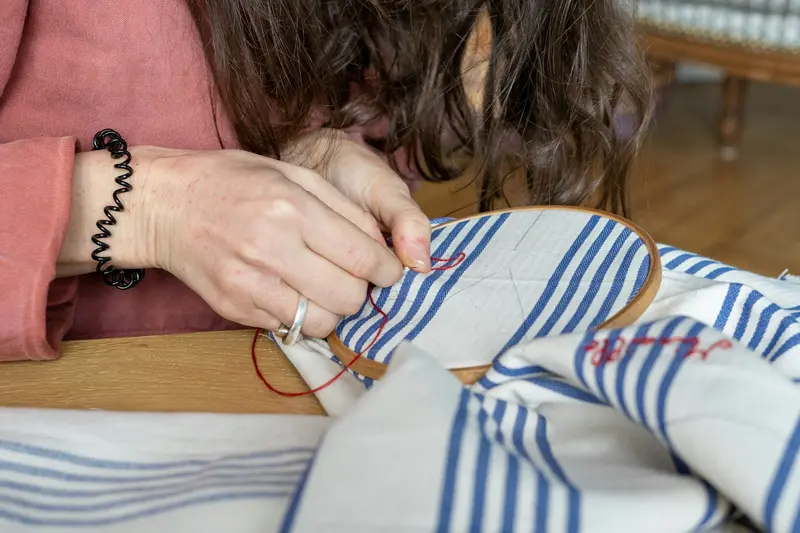
Embroidery
- Names, initials and small monogram marks.
- Stitched in thread, so the mark is cloth rather than a film.
- Shade is matched against the garment or your brand palette.
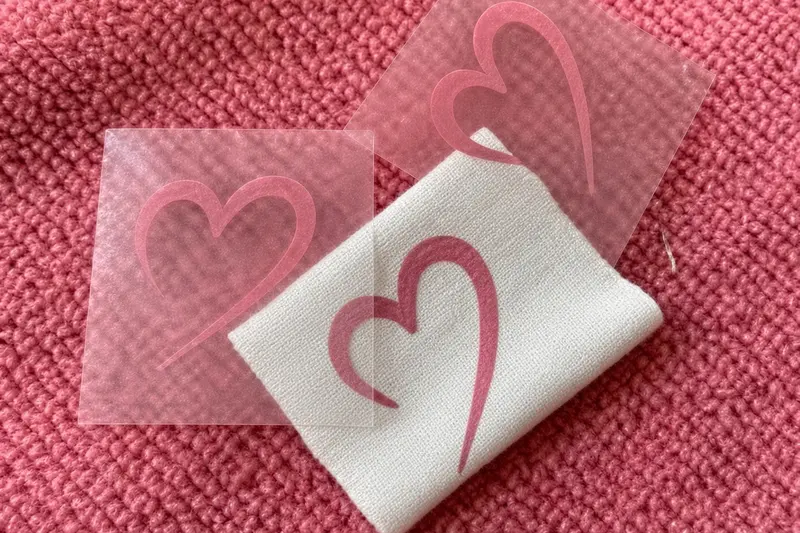
Heat-Transfer Labels
- Size and care information pressed into the inside back.
- No woven tag sitting against a baby’s neck.
- Applied at the temperature the cloth takes.
Placement, size and colour are settled on the sample, on the fabric the garment will actually be made in — not on a flat proof.
The process
From a Size Chart to a Packed Carton, in Four Stages
The piece you approve is the piece the floor copies. That is the whole point of the sequence.
Spec
- Sizes, cloth, closures and decoration are written into one tech pack.
- Nothing is cut until that pack is signed off.
Prototype
- The first piece is sewn on its own, before any bulk cutting.
- Fit and trim are settled on that piece, not on a flat drawing.
Bulk
- The approved prototype becomes the control piece at the machines.
- Cutting, sewing and finishing all run against it.
Inspection
- Every carton is checked before it is packed.
- Then the order is packed and labelled to your instruction.
A spec that changes after the sample is where small runs go wrong, so the sample is signed off in writing before bulk cutting starts.
Safety certifications
The Three Standards We Hold, and What Each One Covers
Infant garments are the most heavily tested thing we make. These are the three standards we can name an issuer for.
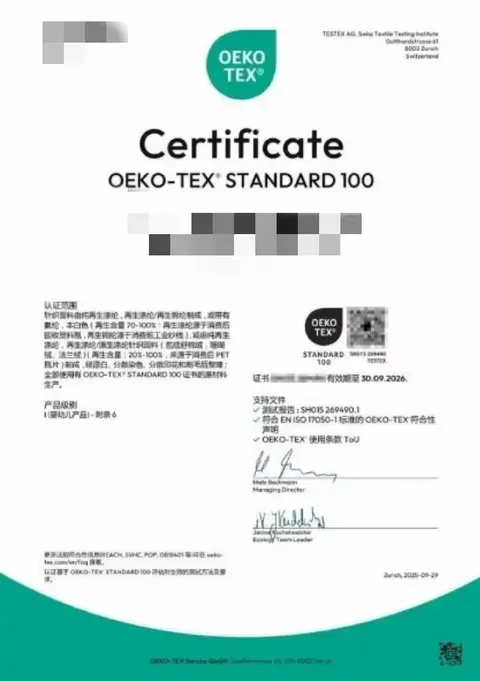
OEKO-TEX 100
Textile safety
Covers harmful substances in textiles. The certificate is held by the manufacturing entity, not by a trading name.
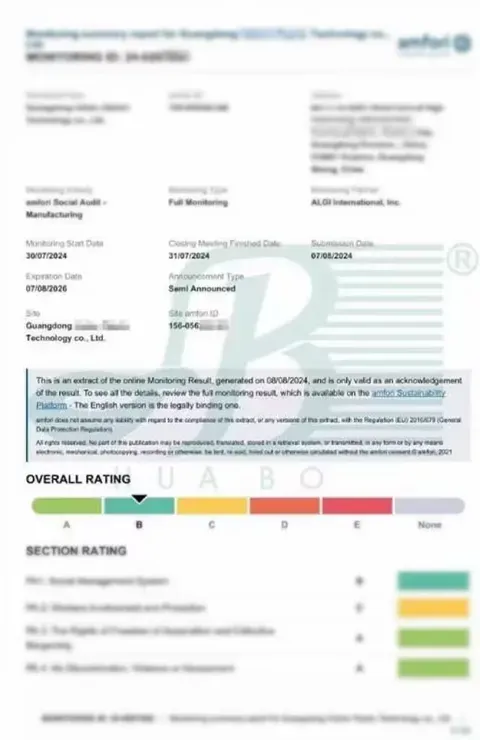
BSCI
Social compliance
A social-compliance audit of the people on the machines, checked by a third party rather than self-declared.
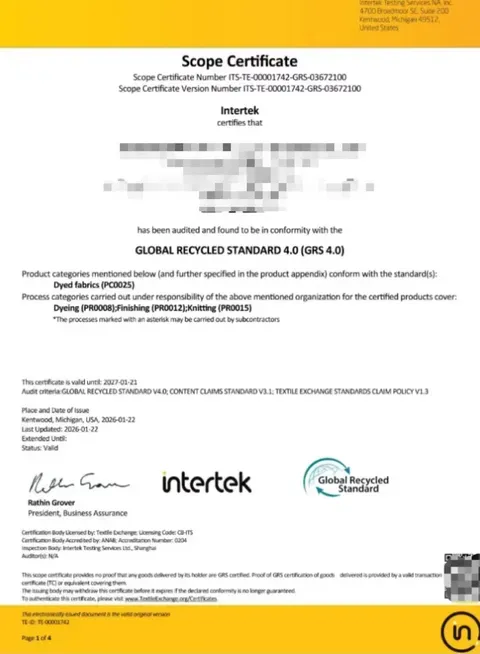
GRS
Global Recycled Standard
Covers recycled content along the chain of custody, from the fibre through to the finished cloth.
What comes with it
What an Order Gives You beyond the Garments
The pieces matter, but so does what surrounds them: how the line opens, how it grades, and who you talk to while it runs.
Prototype before bulk
One sample comes back for approval before the bulk run is scheduled, so the fit is agreed on a real garment.
Your size chart, or ours
Grade from a chart you already sell against, or build one with us from the sample measurements.
Cut and sewn on one site
A single plant handles the garments from the cutting table to the packed carton, so the hand-off points are ours to control.
One contact, start to finish
The same person carries the order from the sample through to the cartons, rather than handing it between desks.
Matched cloth for a set
A set is cut from one dye lot, so the blanket, the hat and the onesie agree with each other in daylight.
Runs that stay small
A line can open at the minimum and grow later on the same pattern, without a second grading pass.
In their own words
What Two Buyers Said after the First Run
One runs a boutique; the other ordered for a company gifting programme.
Monica + Andy
 Faith H Gilmer · Boutique buying lead
Our boutique specializes in unique infant wear, and this clothing manufacturer has been our secret weapon. Their custom baby clothes offer unparalleled quality and design flexibility. The ability to create exclusive collections that stand out in a competitive market has been invaluable to our business.
- Pain point
- The infant wear market is highly saturated. Creating distinctive baby collections with dependable custom manufacturers proves challenging.
- Solution
- Partnership with this custom baby apparel manufacturer.
- Benefit
- Outstanding product quality paired with flexible design options enables exclusive collections that cut through crowded competition.
IMPACT
 Jose M Tipton · Corporate gifting lead
For our company’s family-friendly initiative, we needed something truly special. These custom baby clothes transformed our corporate gifting program. The attention to detail, from fabric selection to personalized printing, created memorable gifts that truly resonated with our employees and their growing families.
- Pain point
- Premium, meaningful gifts were hard to source for the company’s family-focused employee initiative.
- Solution
- Custom baby garments selected as corporate gifts.
- Benefit
- Careful fabric curation and personalised printing deliver thoughtful, memorable gifts that resonate deeply with staff and their growing families.
In the range
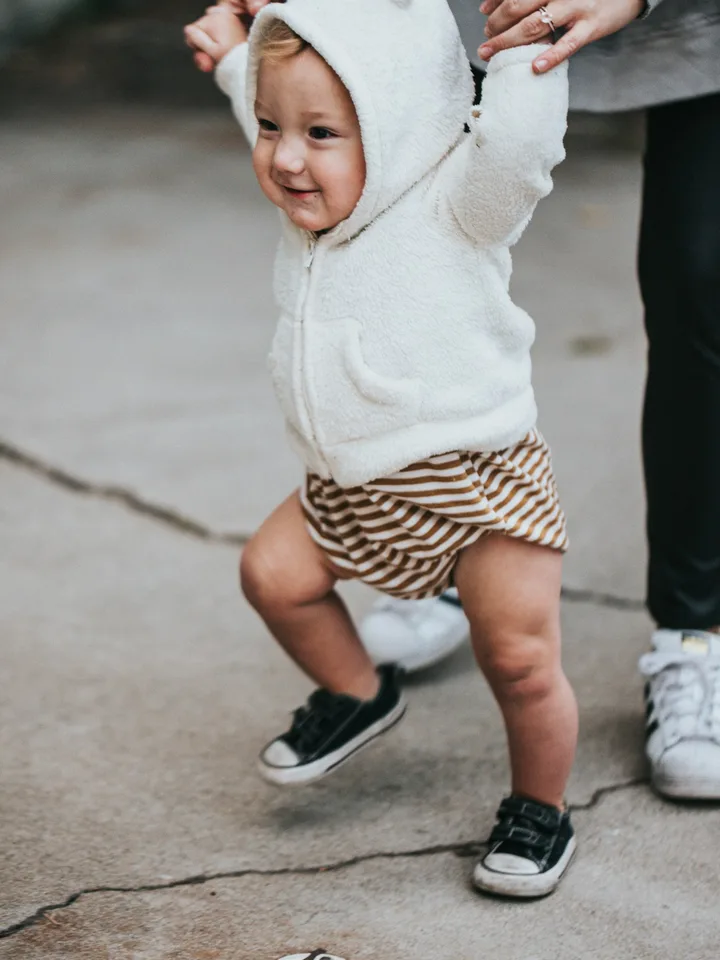
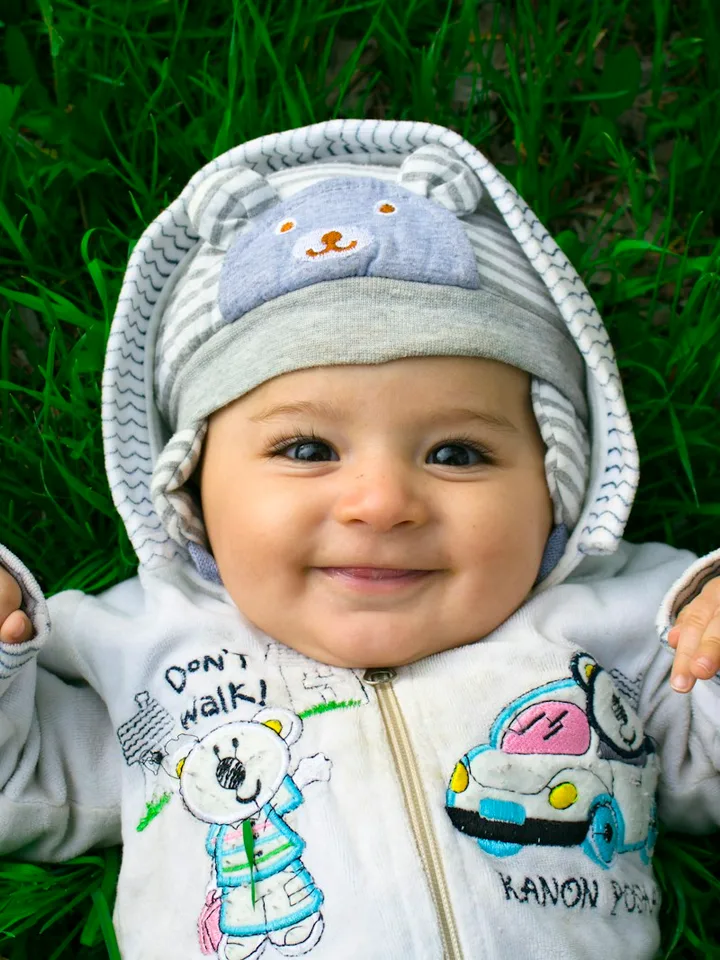
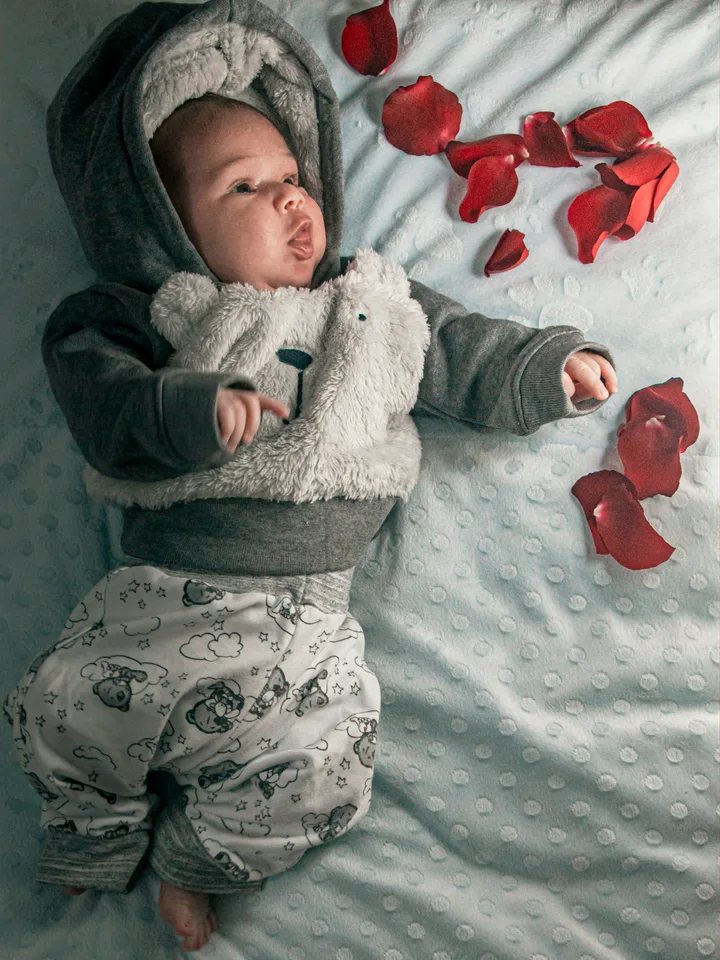
Baby Garments, Worn on the Body
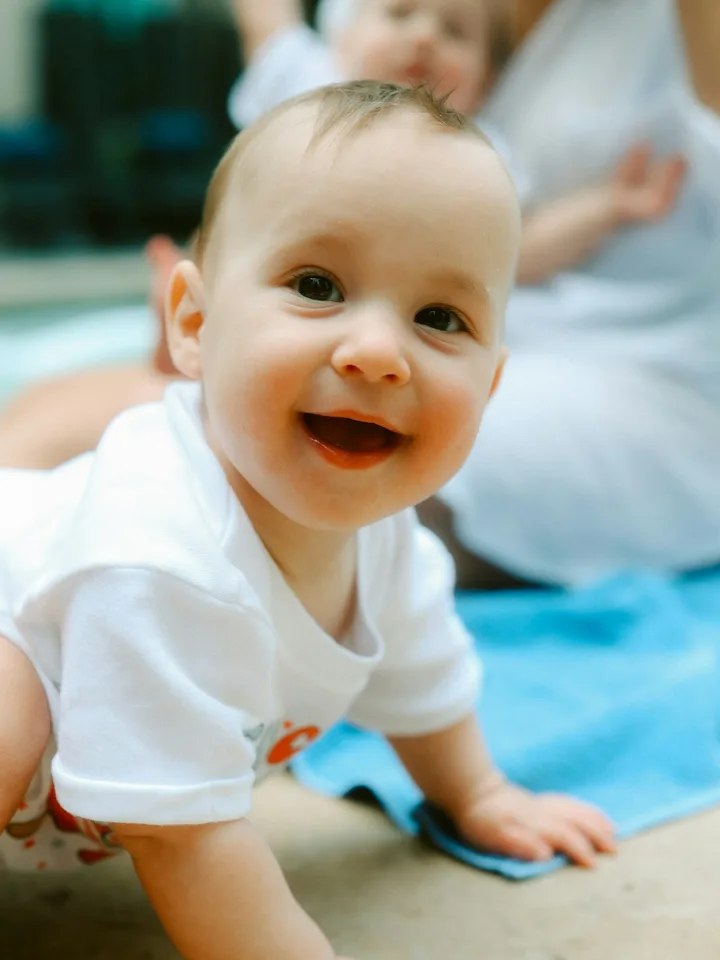
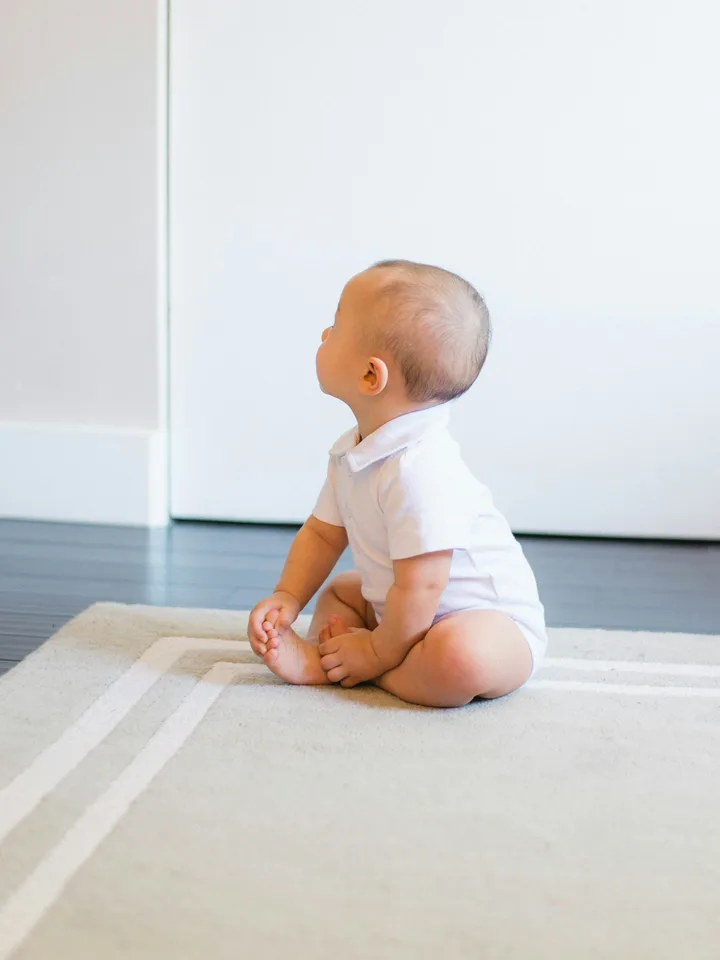
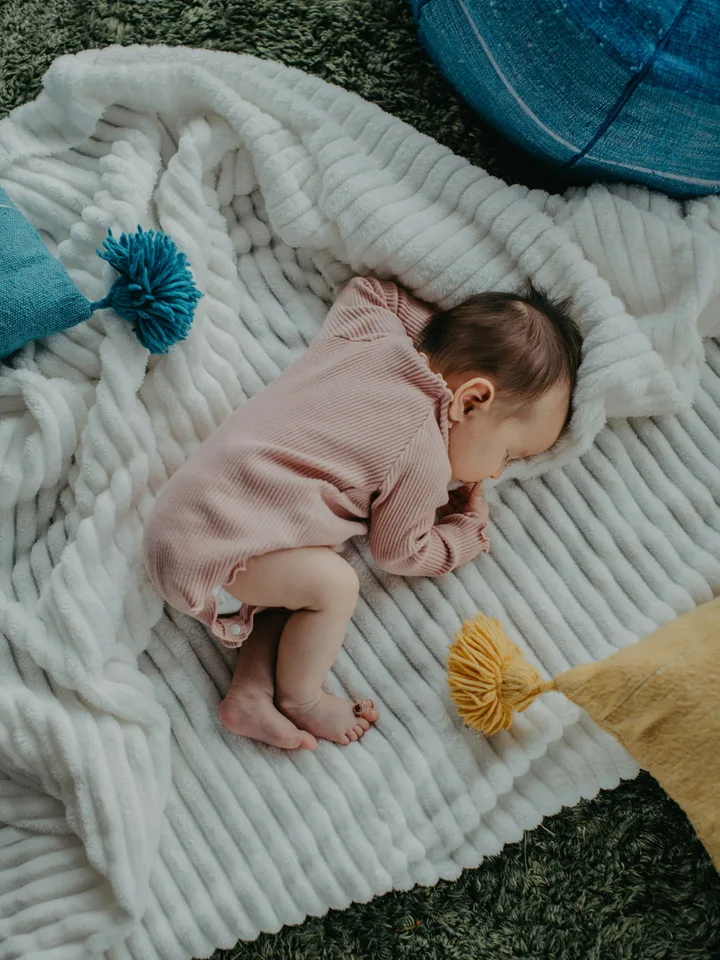
Questions
Frequently Asked Questions About Custom Baby Clothing Manufacturer
01What is the minimum order for custom baby clothes?
From 100 pcs per colour. The threshold attaches to the colour rather than to the style, and sizes mix inside it — one colour across three sizes is a single 100-piece run, while a two-colour set is 200.
Ask what the minimum covers02Can you make a design from scratch, rather than printing on a blank?
Yes. Cut-and-sew starts at the pattern, so the shape is yours — the neck line, the leg opening and the closure are all built to your brief rather than taken off a stock blank. A sketch, a reference garment or a mood board is enough to start.
See the full customisation scope03Do you make a sample before the bulk run?
One prototype per style comes back for approval inside a 7–10 working-day window that opens when the tech pack locks; the 3–5 fit revisions sit within it. The fee is US$80–150 per style, credited in full once a bulk order passes 500 pieces.
Ask about sampling04What safety standards apply to a baby-clothing order?
AQL 2.5 at final inspection. The three standards the factory holds — OEKO-TEX 100, BSCI and GRS — can be arranged where the fabric qualifies, and harmful-substance testing runs to the OEKO-TEX 100 parameter list.
See the factory and its certifications05Which fabric should we choose for a baby with sensitive skin?
Start with a smooth knitted cotton, because nothing on it is raised against the skin. Then check the print: a water-based one stays soft where a thick surface film does not.
See water-based screen printing06Can the order carry our own label and packaging?
Yes. A woven neck label, a printed care label and the packaging are all specified per order — and the printed label can replace the woven tag at the neck, which is usually the point on a garment this size.
See private-label production07How long does a baby-clothing order take from prototype to delivery?
Once the prototype is approved, bulk occupies a 7–15 working-day window. Transit runs 5–7 days by air or 30–45 days by sea, on DDP, DAP or DPU terms to most countries.
Ask about lead timesNext step
Send a Size Chart, a Sketch, or One Garment You Already Sell
Bring a reference and the quote comes back with the fabric options, the sample fee and the date the prototype would be sewn — itemised, not estimated.