

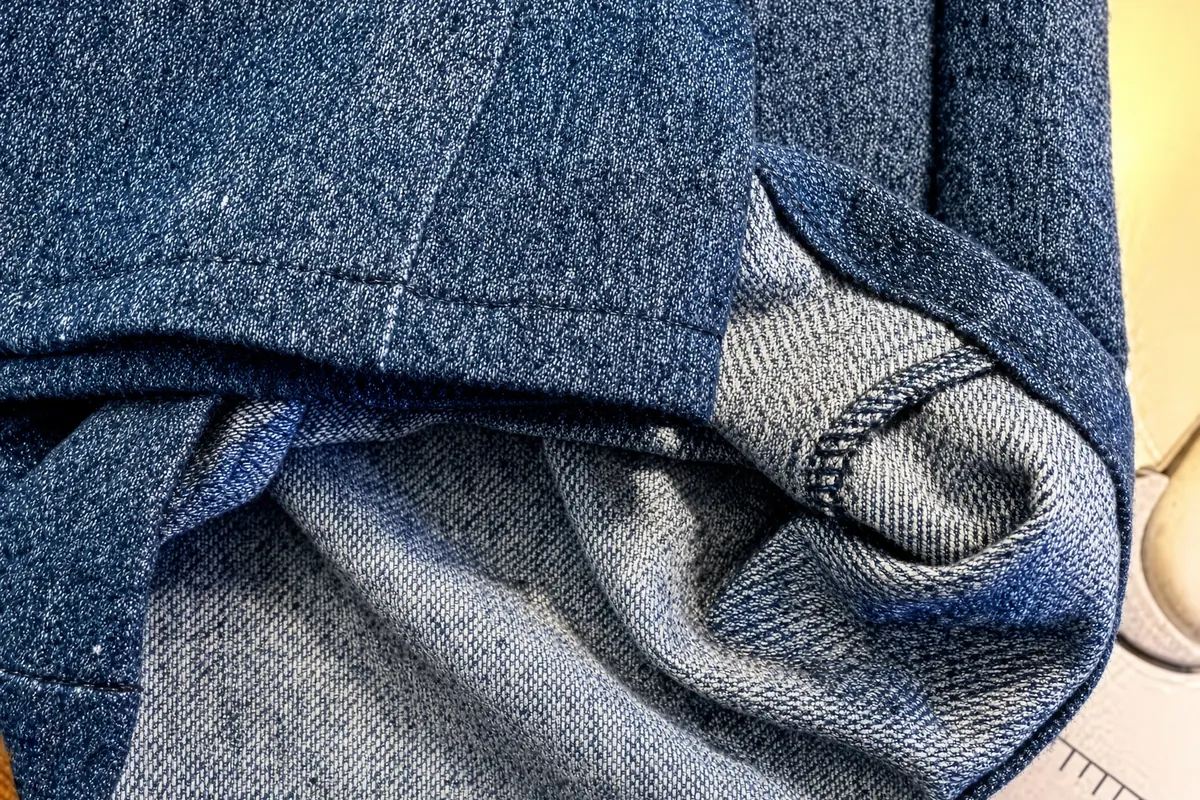
$45.40
Landed cost per pair at 300 pieces
Streetwear Denim at 300 Pcs: Branded Hardware, Bulk-Grade QC
Ksubi tested a new denim wash and fit at 300 pairs per colour, with branded hardware, staged wash approval and the same AQL 2.5 gate as bulk.
Written by the people who ran the work
Short reads from the floor — each one follows a real order from the brief through to the bulk run, and ends on what it showed.
9
Write-ups
From the run
Figures taken from the orders themselves
Named
Credited with each brand's permission
The write-ups
Newest first.
$45.40
Landed cost per pair at 300 pieces
Ksubi tested a new denim wash and fit at 300 pairs per colour, with branded hardware, staged wash approval and the same AQL 2.5 gate as bulk.
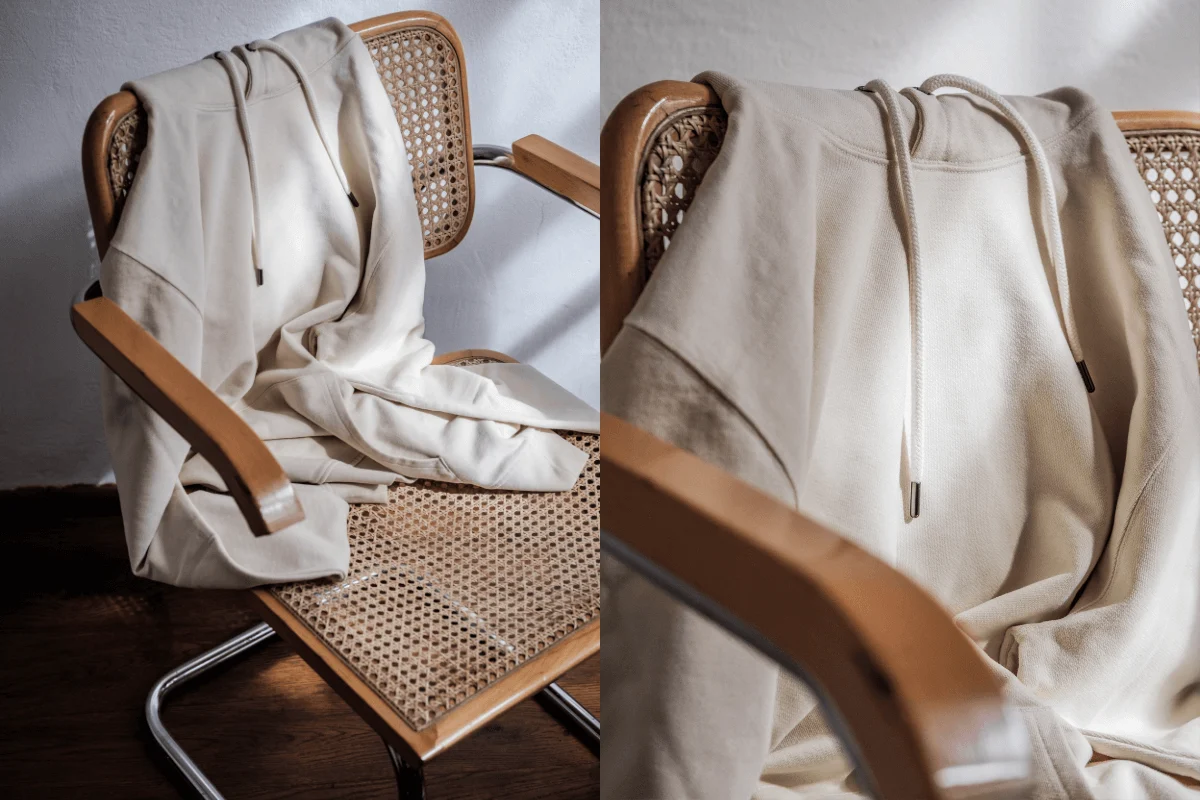
0.3%
Hoodie defect rate after the QC gates
A streetwear label cut its wholesale hoodie defect rate from 4.0% to 0.3% in one season using swatch-locked shade, mid-line DUPRO checks and AQL 2.5.
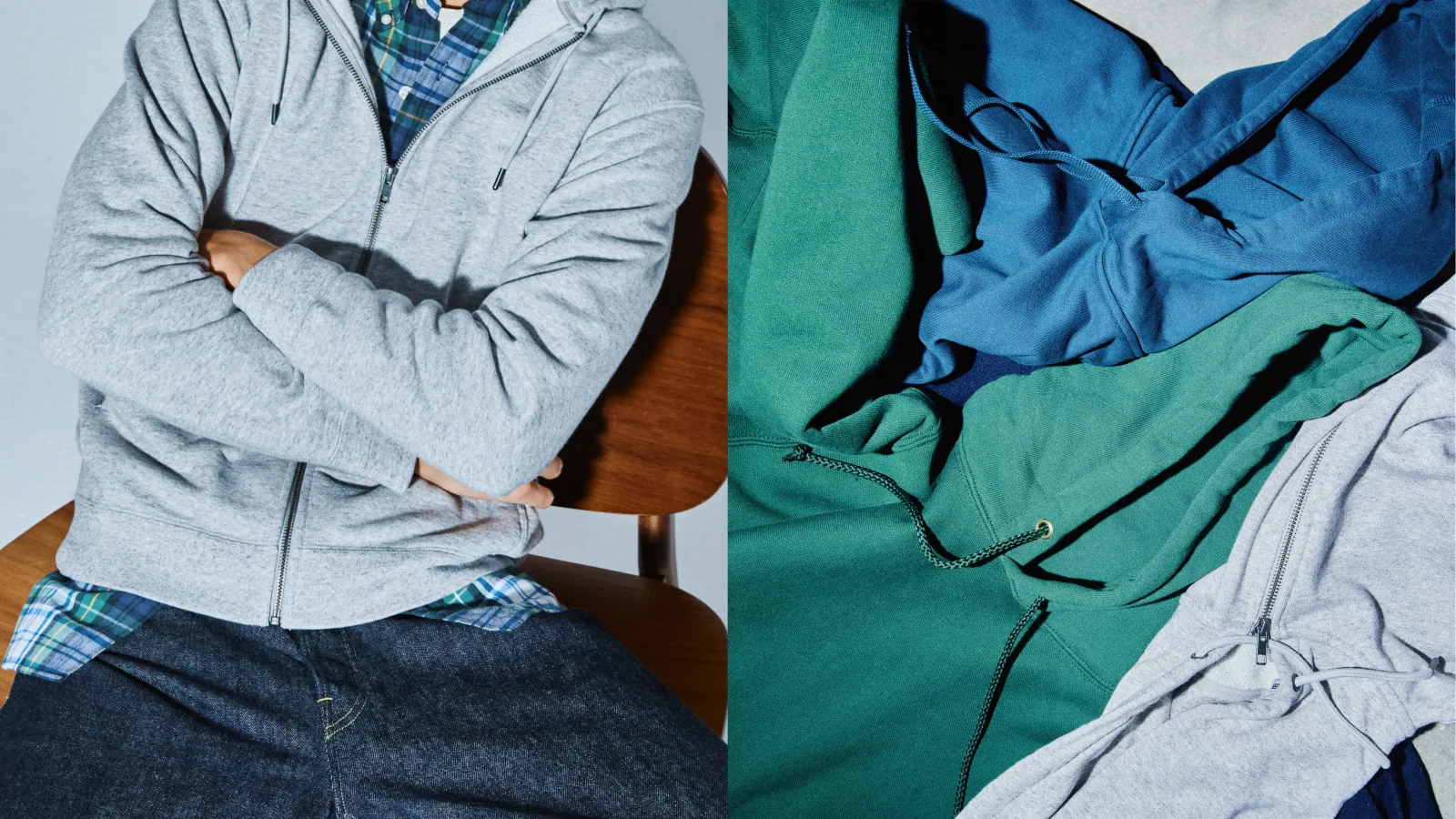
$0
Extra fees on embroidery revisions
An urban DTC label tested a heavyweight hoodie at 100 units instead of 500. Here is how sampling, artwork revisions and inline QC kept the risk down.
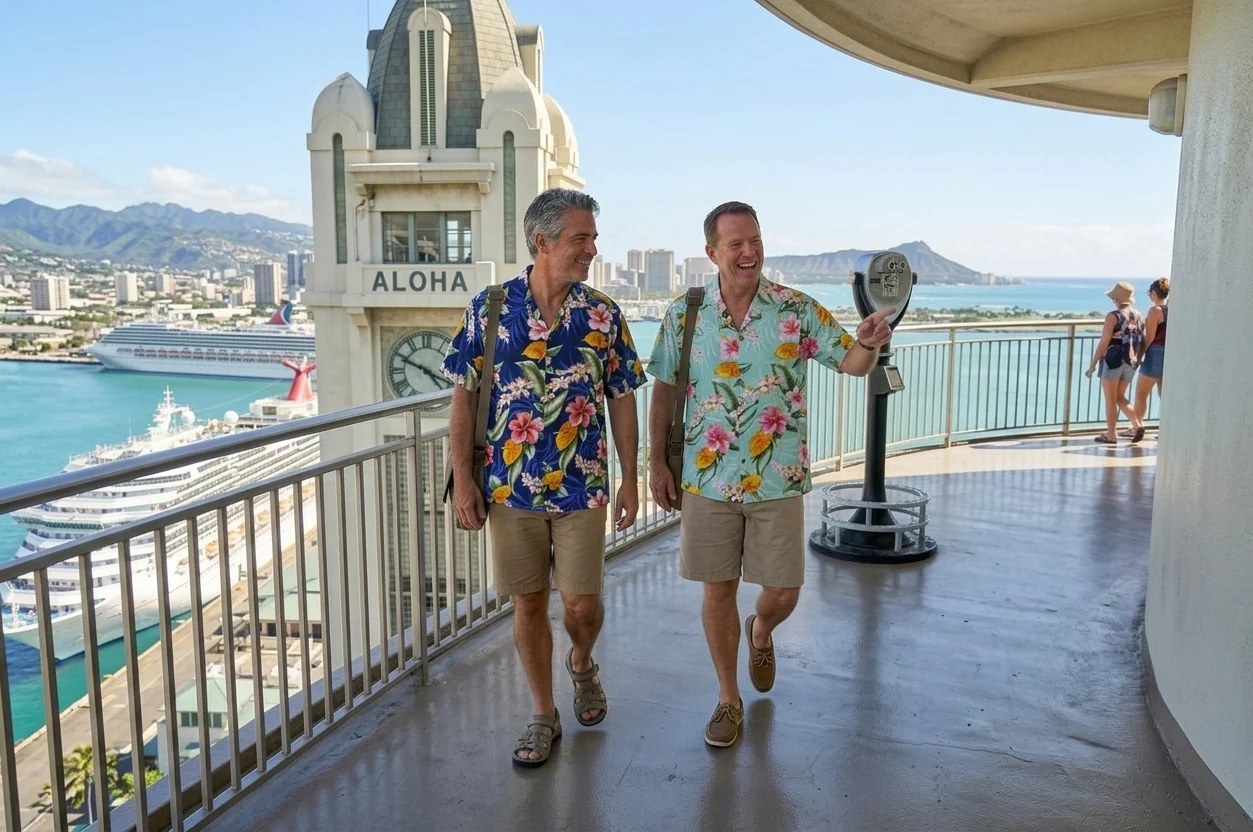
100
Pieces in the first trial colour
A beach resort tested 100 full-print uniforms in one trial colour against chlorine, UV and laundry before committing to a wider rollout.
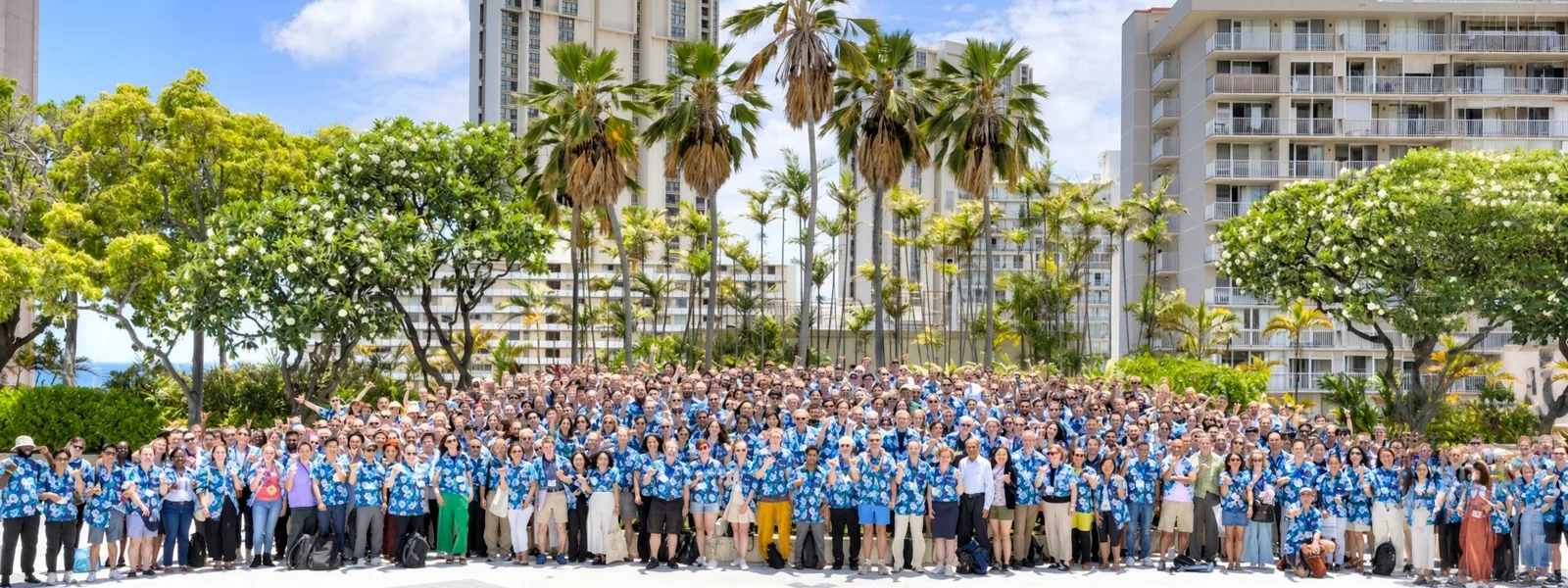
14 days
Approved mockup to dispatch
A Canadian company needed custom aloha shirts for an executive retreat inside a three-week window. Here is how a 14-day run met the date.
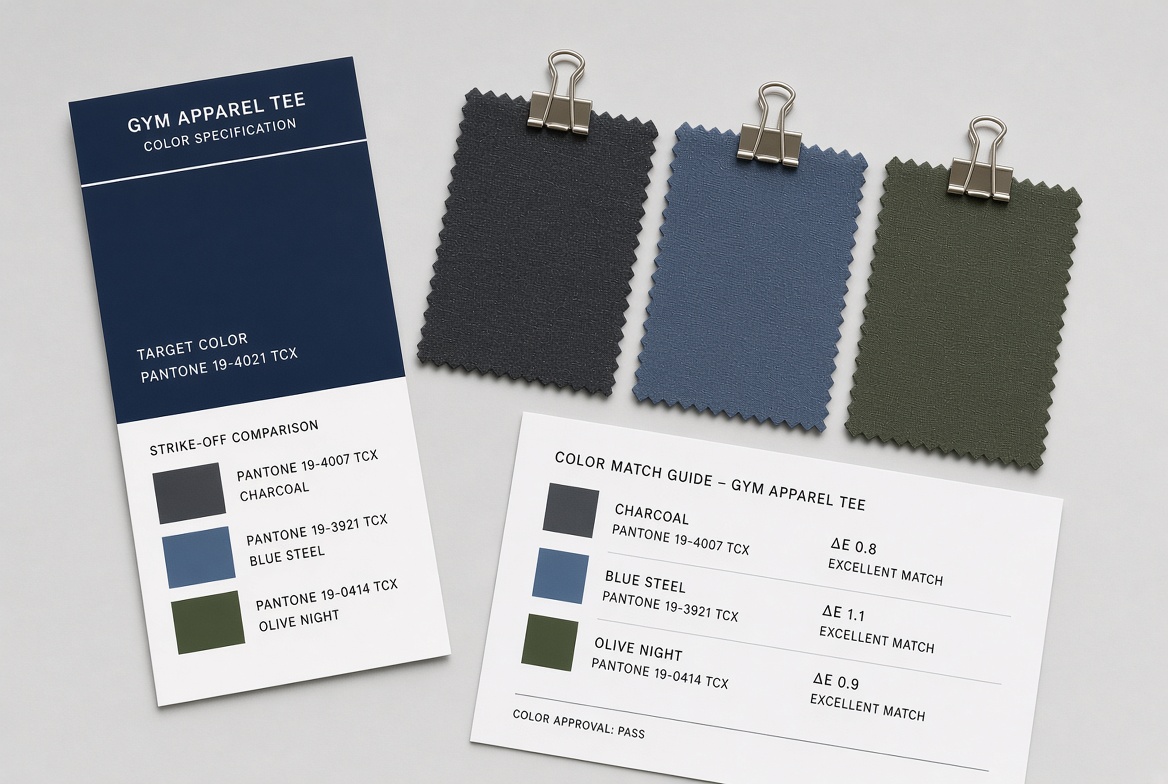
15%
Cost added by colour rework
Colour drift between samples and bulk kept a women's DTC brand from holding its seasonal launch windows. Here is how the shade was held and the rework cut.
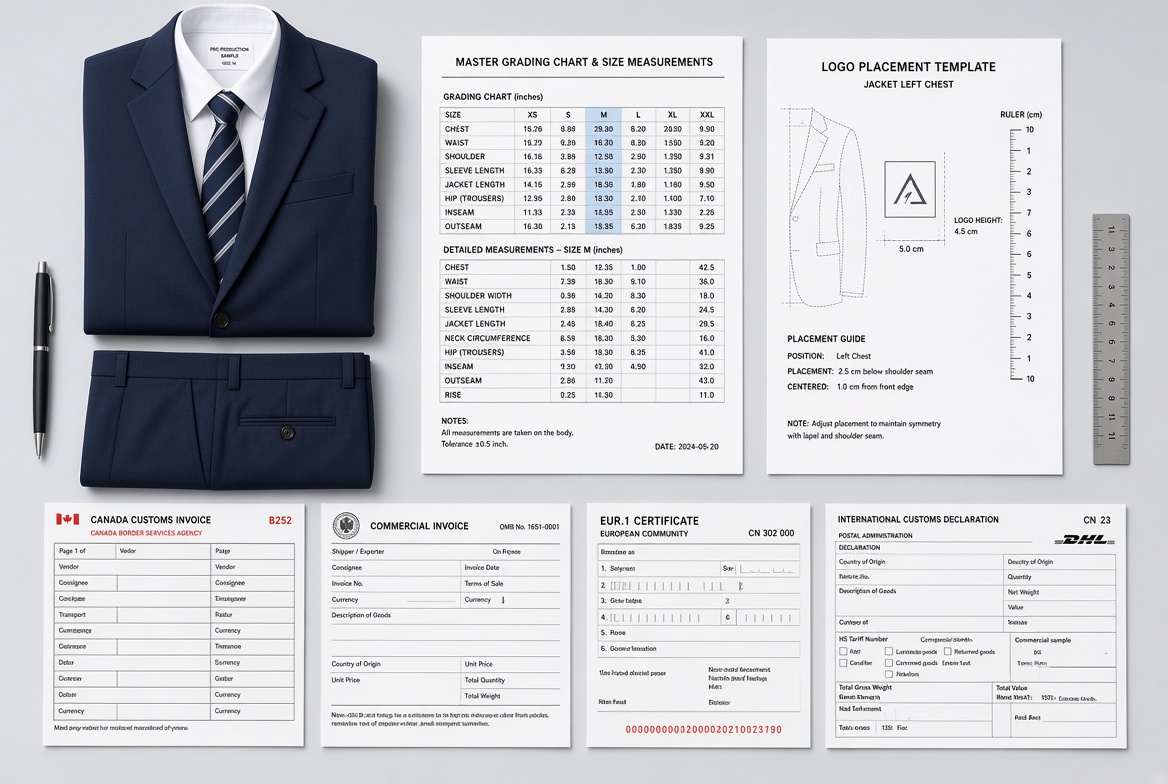
8+
Countries on one uniform spec
How a multinational fintech standardised staff uniforms across more than eight countries on one specification, with DDP delivery to every office.
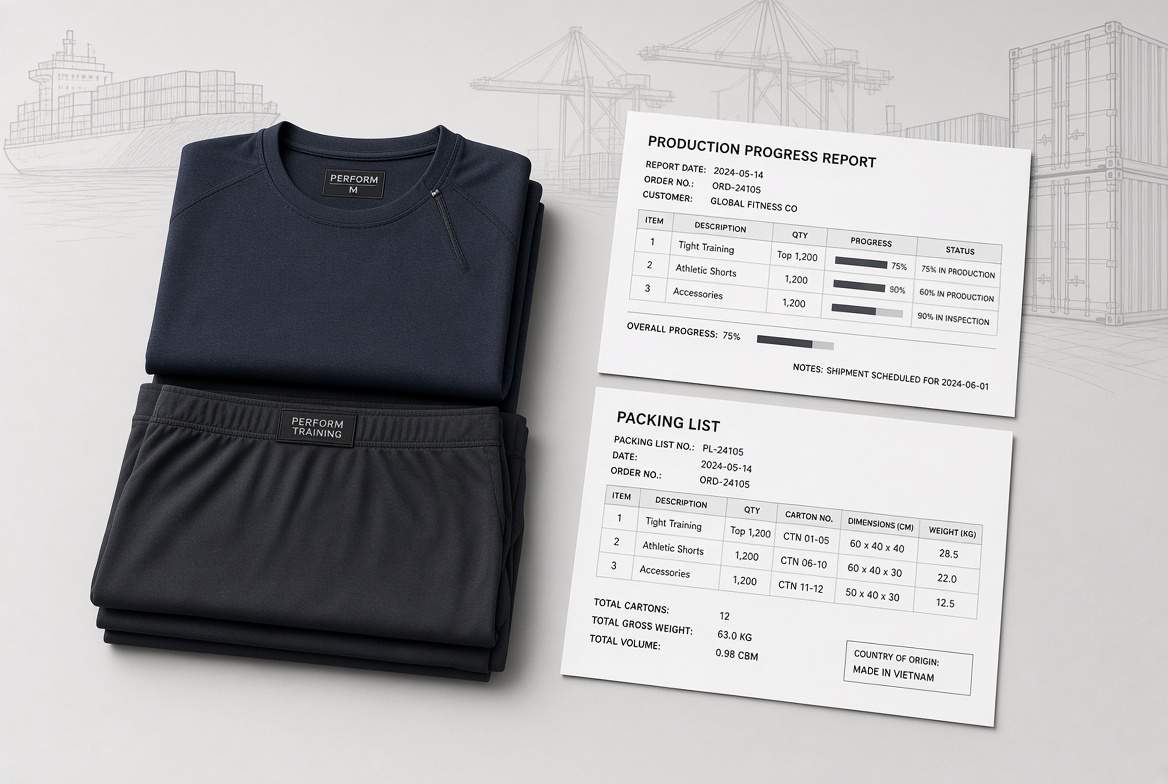
42%
Pre-order batches held up at sea
Missed pre-order dates cost a gym brand a season of refunds and chargebacks. Here is how the shipping gap was closed.
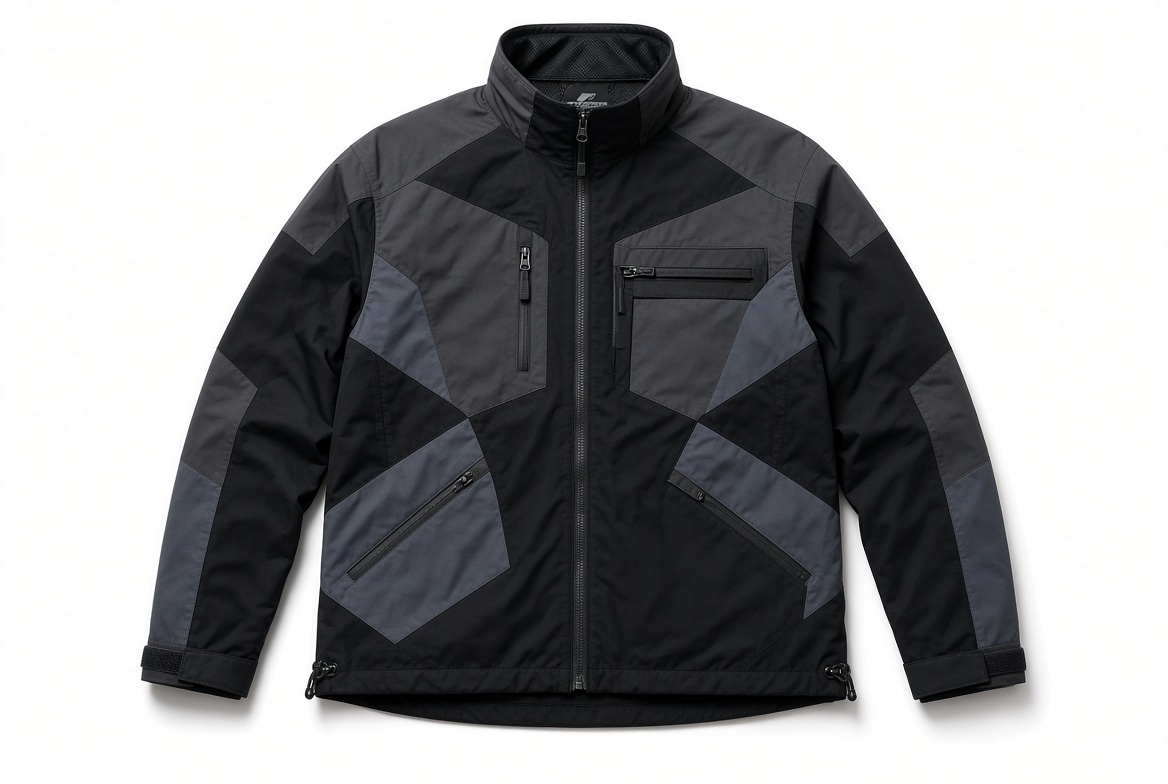
7 of 10
Factories that declined the sketches
An avant-garde label arrived with hand-drawn sketches and bespoke hardware that most factories declined. Here is how the production run came together.
Method
Real orders. Each write-up tracks one production run we worked on, start to finish — never a composite and never a hypothetical.
From the order itself: the quoted spec, the sample and revision log, the inspection report and the shipping dates. A figure is only printed where the run recorded it.
Yes. A write-up that only ever shows the wins tells a buyer nothing, so where a run hit a problem we say what it was and what we changed. The chapter is about what the order actually showed.
Only with that client’s permission. A published case carries the brand name and the founder’s words because they agreed to be credited; where permission is not given, the order is described without the client named.
Your own file
Send the brief, the quantity and the destination. What comes back is a dated quote, and no cloth is cut until a sewn sample has been signed off.