For clothing brands, boutiques and uniform buyers

Cut & Sew Manufacturer-Custom Block Development, Cutting and Sewing — All under One Roof

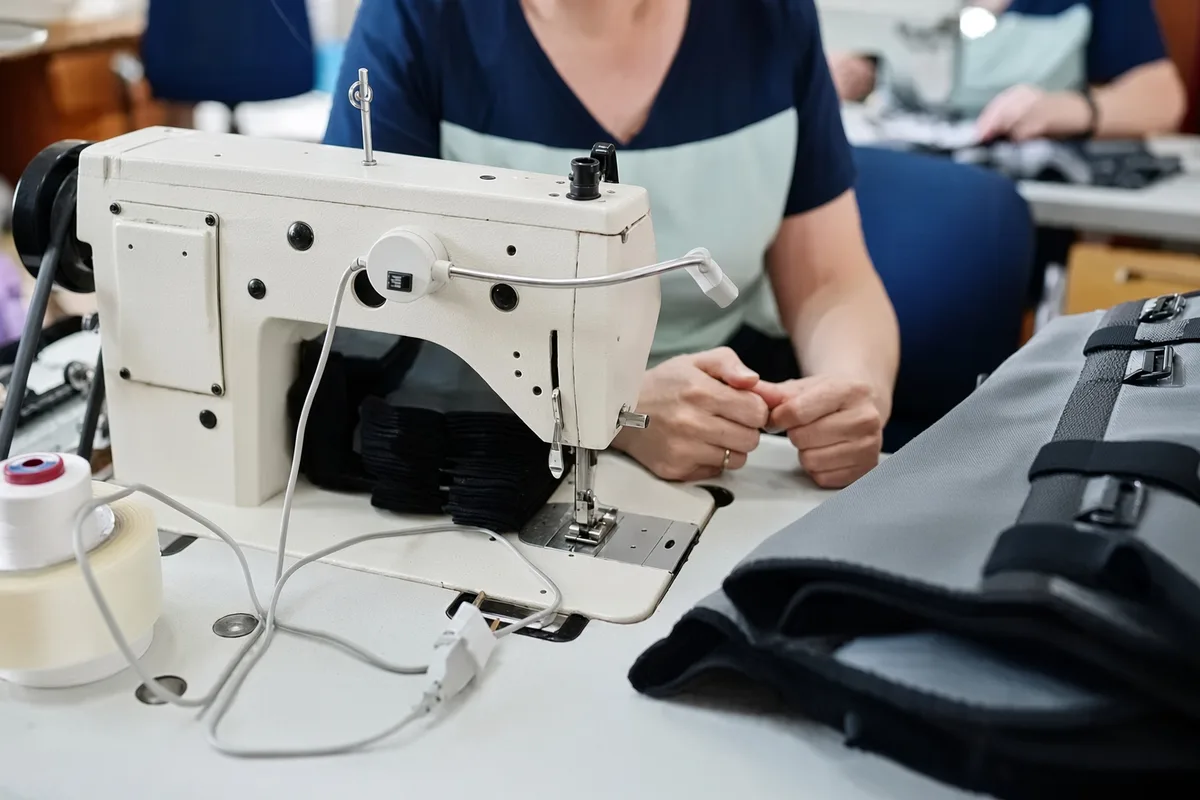
JaceApparel specialises in custom cut-and-sew production for apparel brands, boutique lines and wholesale clients. Every garment is built from your own block at a minimum of 100 units per colour, and sewn prototypes arrive in 7–10 working days. Pattern, cutting, sewing and finishing all happen onsite, so nothing is handed between workshops.

OEKO-TEX 100BSCIGRS

The mill, in numbers

What a cut-and-sew order is actually placed with — the size of the building, the hands on it, and the years behind it.

Floor space

20,000 sqm

People on it

400+

Output a year

~1,000,000 pcs

Making clothes since

2015

Shipping runs DDP, DAP or DPU by destination, priced on your own order instead of inside the piece rate.

The make

Four Stages, and All Four Happen in This Building

The order is only as strong as the stage that goes wrong. Ours run end to end without a handoff to a third party.

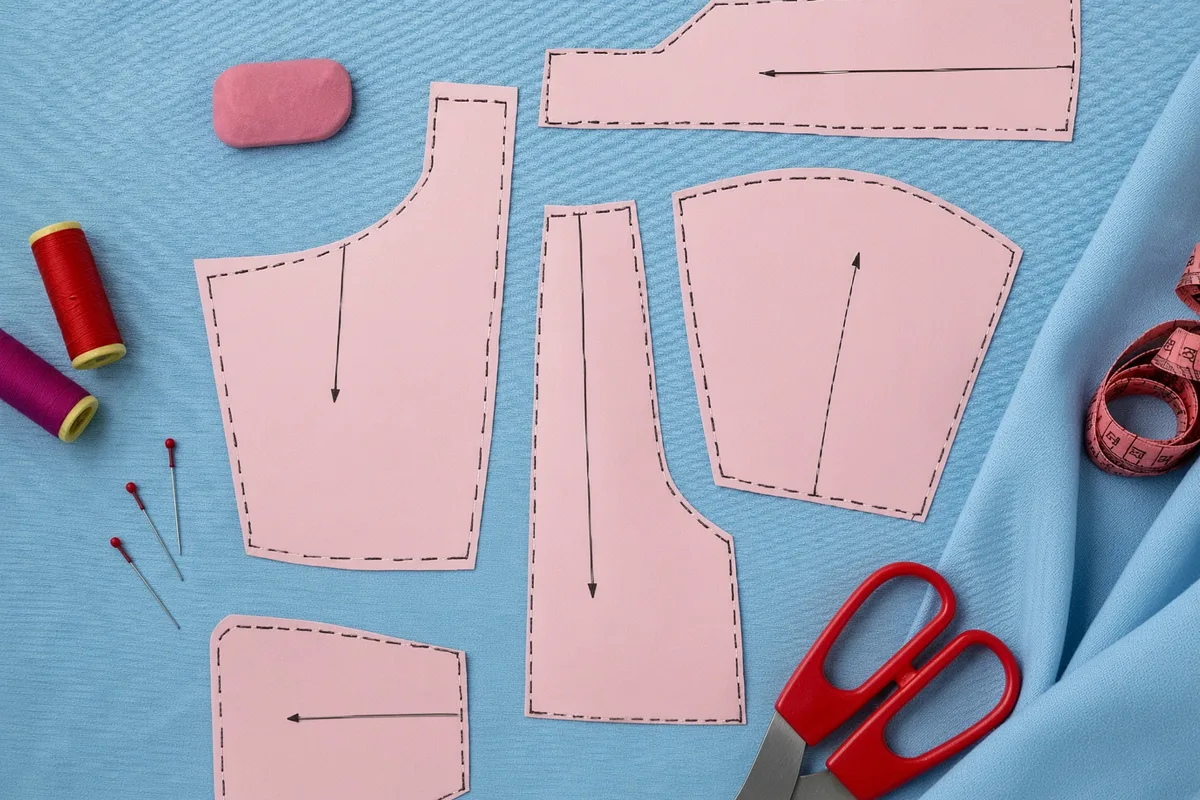
Pink pattern pieces chalked with grain lines on blue cloth, beside shears, thread and pins

01

Pattern making and grading

Your size chart becomes a set of production patterns. We draft the block, then grade it across the size set, so a medium and a double-X are the same garment at different scales.

  • A first pattern is drafted to your measurements, not lifted from a stock block.
  • Grading steps each size by its own increments instead of one scale factor.
  • Panels are laid into the marker before any cutting starts.
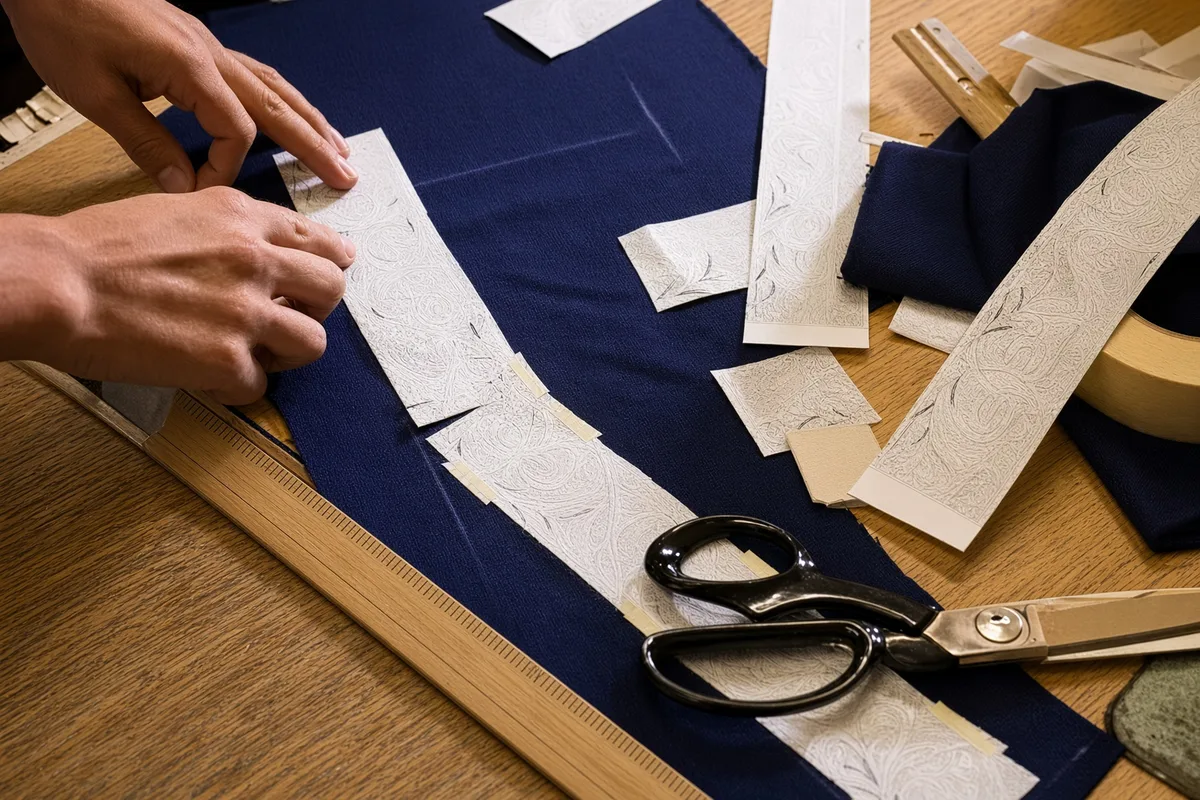
Hands pinning printed tissue pieces to navy cloth by a bamboo rule and tailor’s shears

02

Marking and cutting

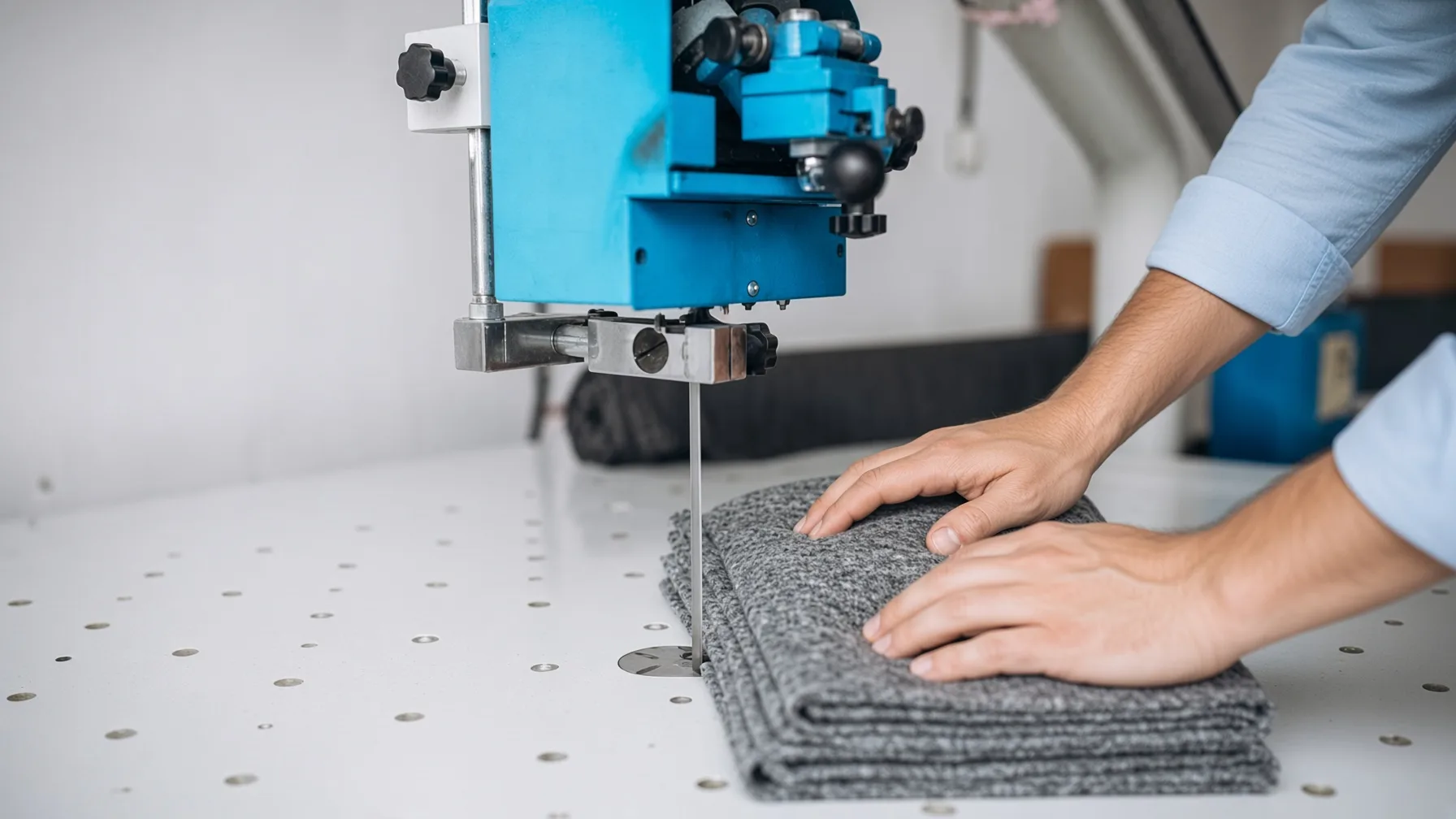
The marker is laid to your fabric width, then cut in the quantities the run needs. Cloth is costed from the actual layout, so a nesting that saves a metre shows up on the quote.

  • Markers are nested per fabric width and per colour, so waste is quoted rather than guessed.
  • Cutting stays in-house on a spread table, not handed to an outside jobber.
  • Every ply is ticketed by size, so bundles stay matched on their way to the line.
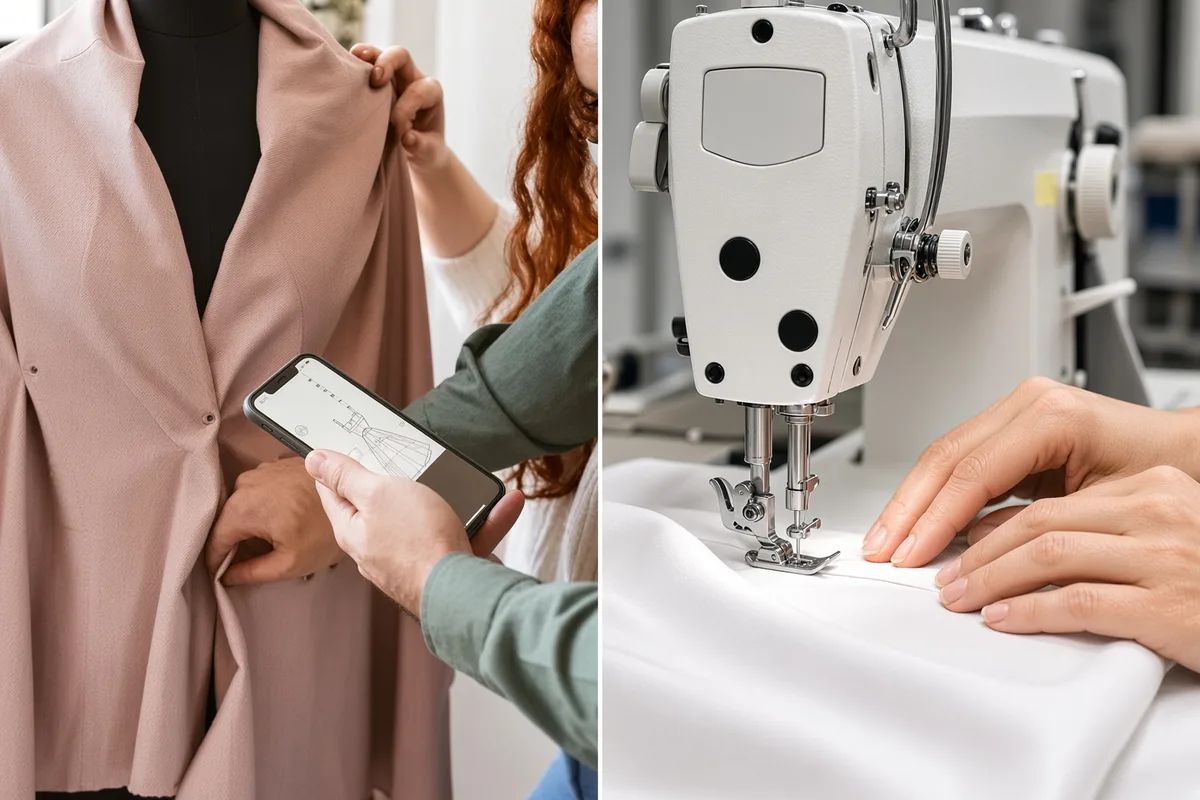
Fitting a blush coat on a model, with a machine stitching white cloth alongside

03

Sample and fit development

One sewn piece decides the run. Fit is settled on a real body before the cutter is given anything, and what comes back is a garment you can hold rather than a drawing.

  • Three to five revision rounds sit inside the sample quote.
  • Comments are applied to the pattern, so a correction carries into every later size.
  • What you approved is kept on file here as the physical reference for the bulk.
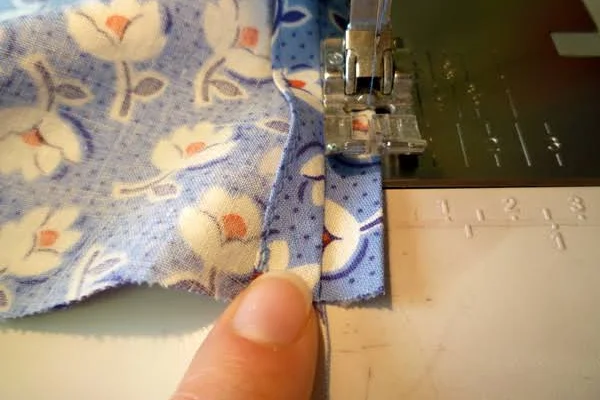
Blue floral cloth feeding under a presser foot, a thumb guiding the seam

04

Sewing and finishing

Sewing lines run to the sealed sample, and finishing is where a garment stops being a bundle and becomes something sellable — trims attached, threads cleared, pressed and bagged.

  • Lines are set up per style, so stitch type and tension match the approved sample.
  • Trims, labels and hangtags go on in the same building, before the cartons close.
  • Pressing, measuring and folding happen after the last seam rather than before it.

One roof

What Buying the Whole Make from One Floor Changes

A brief, a block and a date. Everything between them stays inside this building.

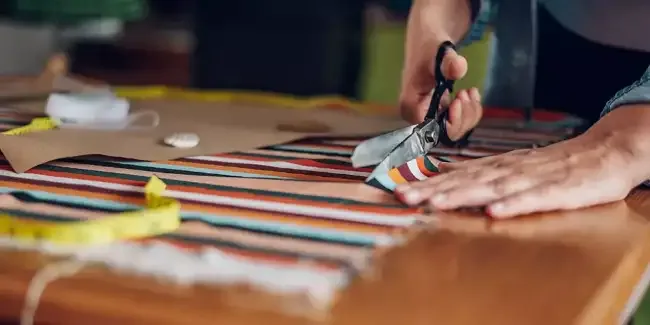
Shears following a chalk line across striped cloth on a wooden cutting table

Nothing leaves the building

Cutting, sewing and finishing sit on one floor under one production manager. No part of the make is subcontracted, which is why a date given here is one you can plan a launch around.

Yours to specify

Cloth, stitch type, colour, print style and graphics are all set by the brief. No buyer is steered onto a house block to make a run easier to schedule.

Trims sourced for you

Fabric, thread, zips, buttons, labels and hardware are bought to your specification by the team cutting the order, so a substitute never turns up unannounced in the carton.

Finishing in the same house

Decoration happens here rather than at a third party. What leaves is whole — the decorated article and its packaging booked as one consignment, not two that have to be married up later.

After the run

What You Are Left Holding When the Cartons Ship

A run should leave you better able to repeat it than you were before it started.

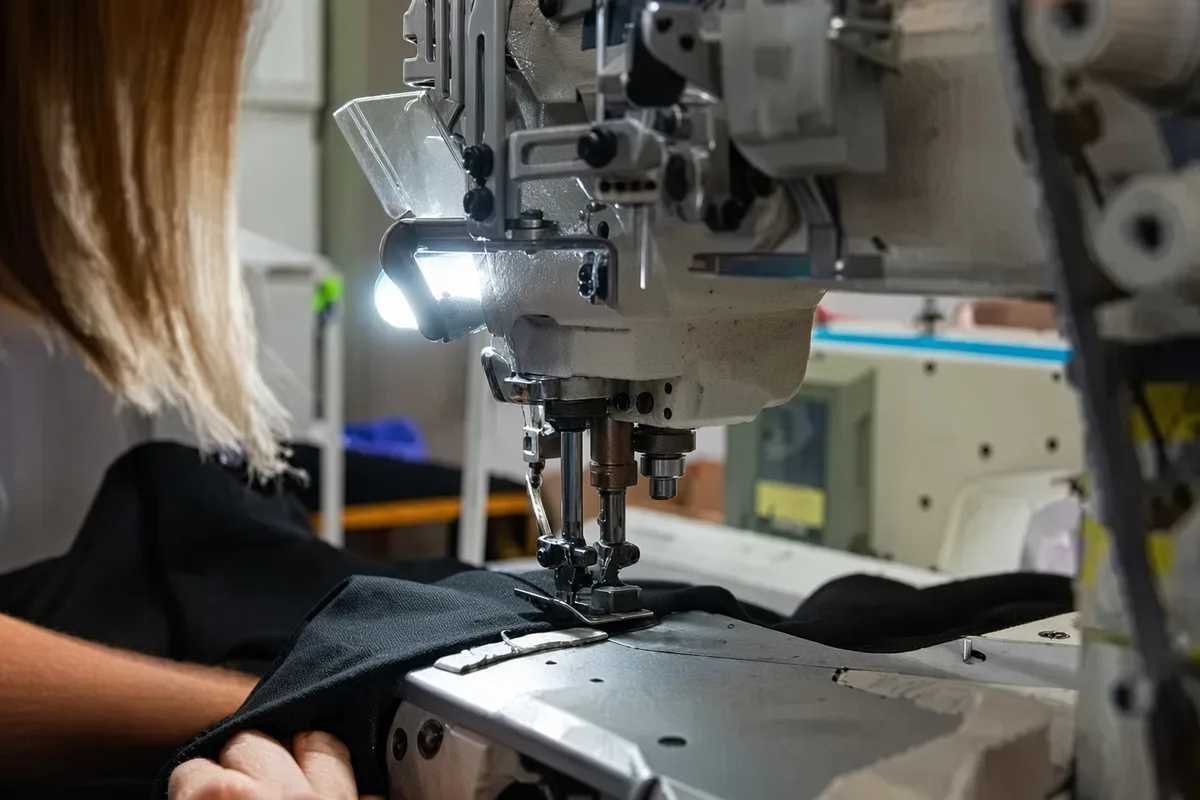
Needle and work lamp above a black seam being closed
Folded black garments stacked beside a single-needle machine, with the next bench stitching behind

The pattern set is handed over

Graded patterns, the tech pack and the size chart behind your style leave with the order. A second colourway or a later drop is cut from that set, instead of being developed again from scratch.

The pack comes back redrawn

The document you sent is returned describing what was actually made — final measurements, the trims used and the tolerances held. That is the record a second colourway or a later drop is briefed from.

Cloth and trim written down

The fabric lot, its weight and the trim card are recorded against the order, which is what lets a repeat run land on the same shade and the same hand as the first.

Questions

Frequently Asked Questions About Custom Cut and Sew Manufacturing

01What does cut and sew actually cover?

The make itself. Cloth arrives on the roll and leaves as a finished garment: pattern making, grading, marker laying, cutting and sewing happen in this building, followed by finishing, pressing and packing. Nothing is bought in part-assembled and relabelled.

See the four stages
02What is the smallest run you will take on?

One hundred pieces to a colour, and each colour stands as its own minimum. Any size may be ordered in any quantity inside that colour, so a four-colour style at the floor is four hundred garments rather than one hundred. Larger quantities earn a lower piece rate, and the break is shown on the quote.

Ask what a short run costs
03How does a sample get approved before bulk?

The first sewn garment is a prototype, and it comes back 7–10 working days after your tech pack is locked. The sample quote covers 3–5 rounds of fit revision. Sampling is priced on its own at US$80–150 a style, and it comes off the invoice on a later run that reaches 500 pieces.

Book a prototype
04What do I need to have ready to get a quote?

Whatever describes the garment best. A tech pack is ideal; failing that, a drawing, a photograph of something close, or a garment already in your range will do. Measurements carry more weight than drawings, and a size chart by itself is enough for us to price the make.

Send what you have
05How long is production, and how does it ship?

Bulk takes 7–15 working days once the pre-production sample is signed off. Transit sits on top of that — 5–7 days by air, 30–45 by sea — and both the service level and its cost are on your quote, not left until the goods are ready to move.

Ask for a dated plan
06Who checks the goods, and against what?

Our own inspection team, against AQL 2.5, at the end of the run rather than mid-line. The approved piece is what a unit is judged by. A garment that falls outside it is remade, or those pieces come off the invoice, and the return freight sits with us when the fault is ours.

Ask about inspection
07Which certificates travel with the order, and who holds them?

OEKO-TEX 100 for the cloth, BSCI for the workplace and GRS where recycled fibre is used. Each is issued to the manufacturing entity itself rather than to an intermediary, and current copies come with the compliance pack when you request a quote.

Request the compliance pack
08Can printing, embroidery and labels be added in the same run?

They are, and on the floor that sews the garment. Screen printing, embroidery, woven and printed labels, hangtags and bagging are all applied before the cartons are closed, so a finished style ships as one consignment instead of being decorated by a third party afterwards.

Browse the customisation scope
09Do you cut and sew under our own label?

That is the usual arrangement. The make is built from your block, your size chart and your branding, and it reaches the customer with only your name on it. Woven labels and the garment minimum are separate hundred-piece thresholds, described in full on the private-label page.

Read how private label works

Start with one garment

One Sewn Sample Proves the Pattern, the Cloth and the Fit

Send whatever describes the garment — a tech pack, a drawing, or a sample you already sell. The reply is a dated quote, and the prototype that follows is all you commit to up front.

Request a quote