The problem
A fixed retail fit is not the fit a customer runs in
- A block copied off a stock retail garment is cut for standing, not for the movement the sport needs.
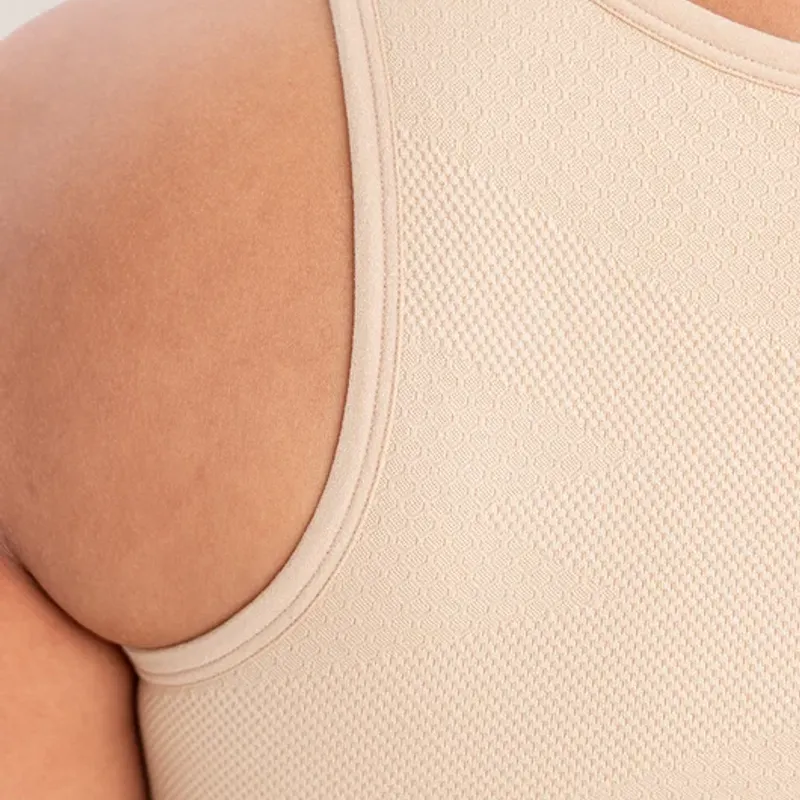
- Sizes that pass a flat measurement can still pull, ride up or gap once the piece is on.
- Body shapes differ by sport, and one retail chart rarely fits the people who buy the piece.
What it costs if left
- A garment that shifts under load comes back, whatever the print looks like.
- Every size graded on the wrong base drifts further off the body.
- Rework to fix a fit already cut is charged again on the next order.
Our answer
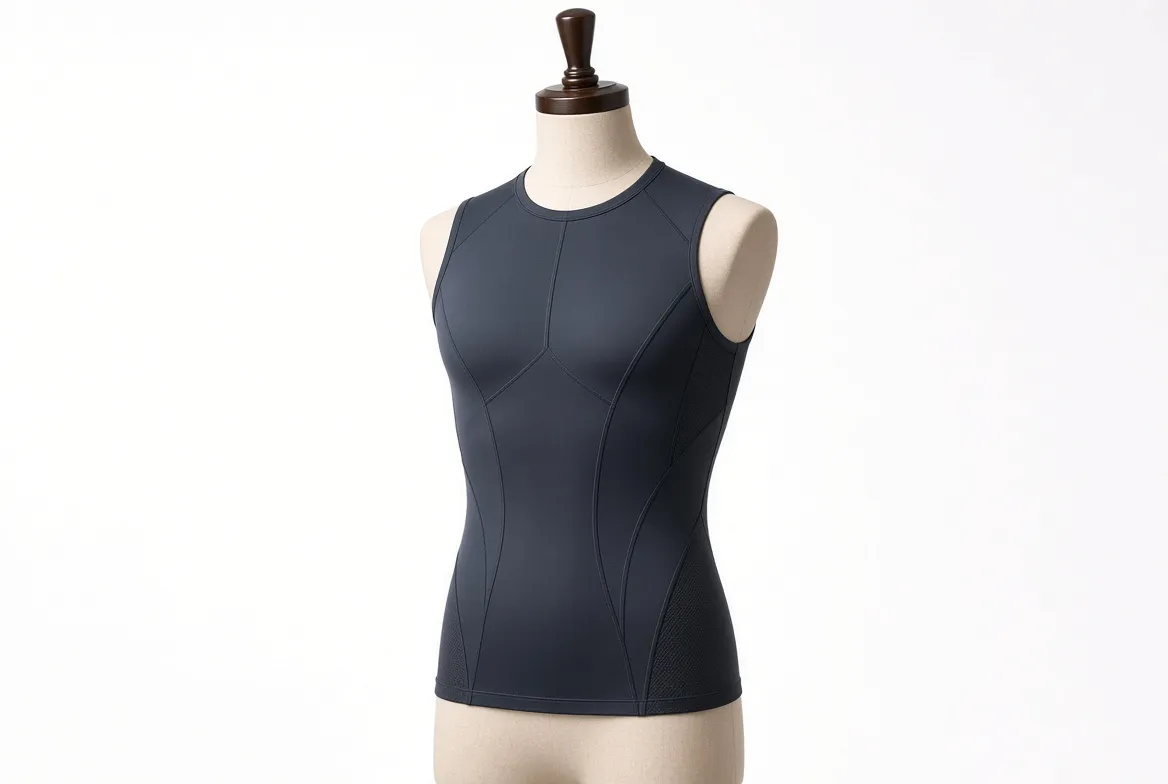
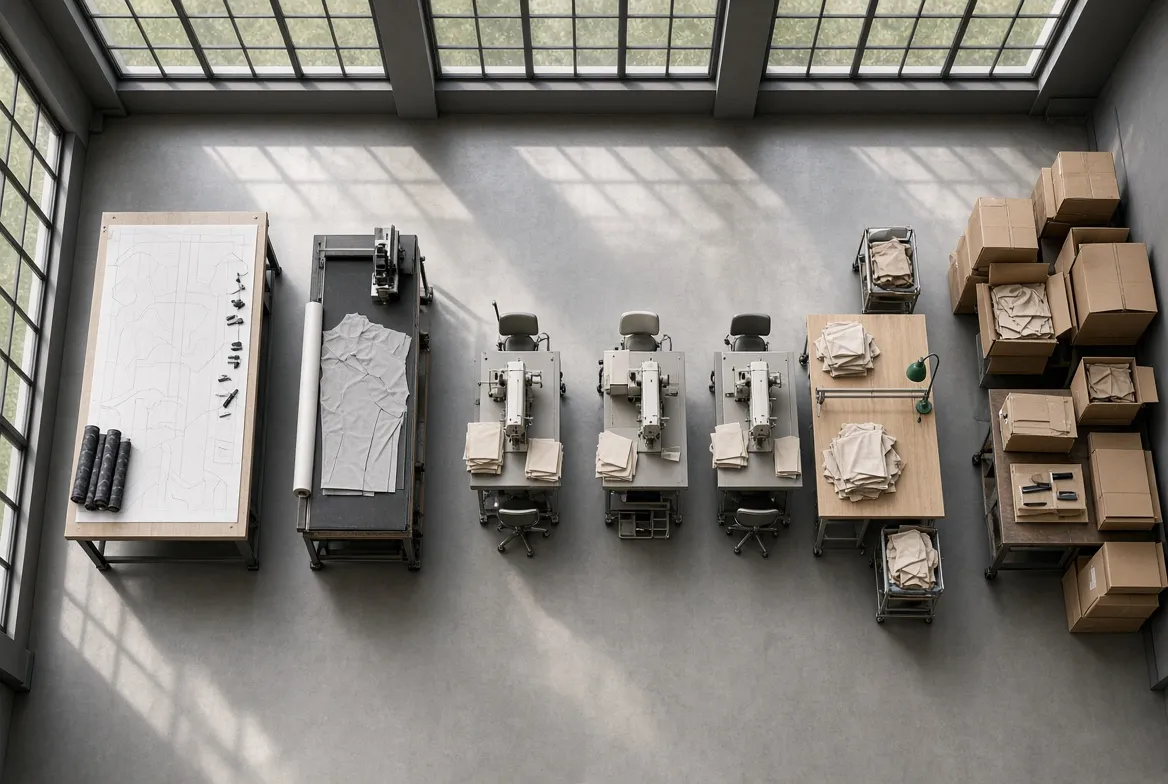
- Every block is drafted to the brand’s size chart and the movement it is worn for, gusseted where the range needs it.
- Grading follows that block, so every size keeps the fit the base size was signed off on.
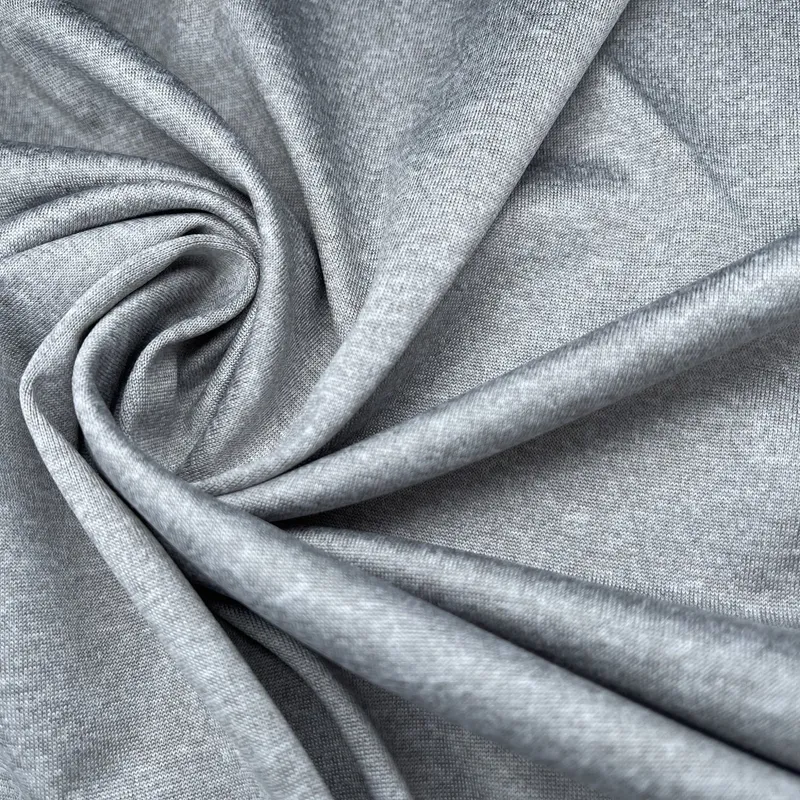
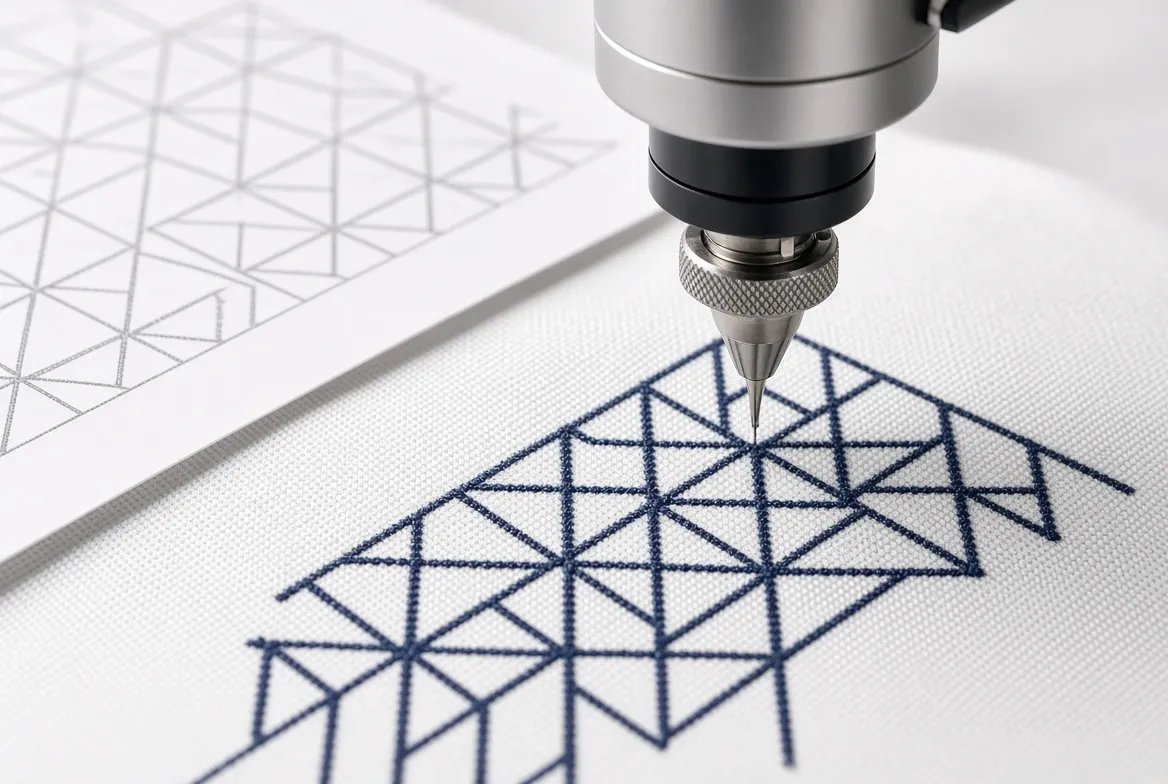
- Tolerances for a stretch knit are written into the pattern, so the fit holds after a wash.
The gain
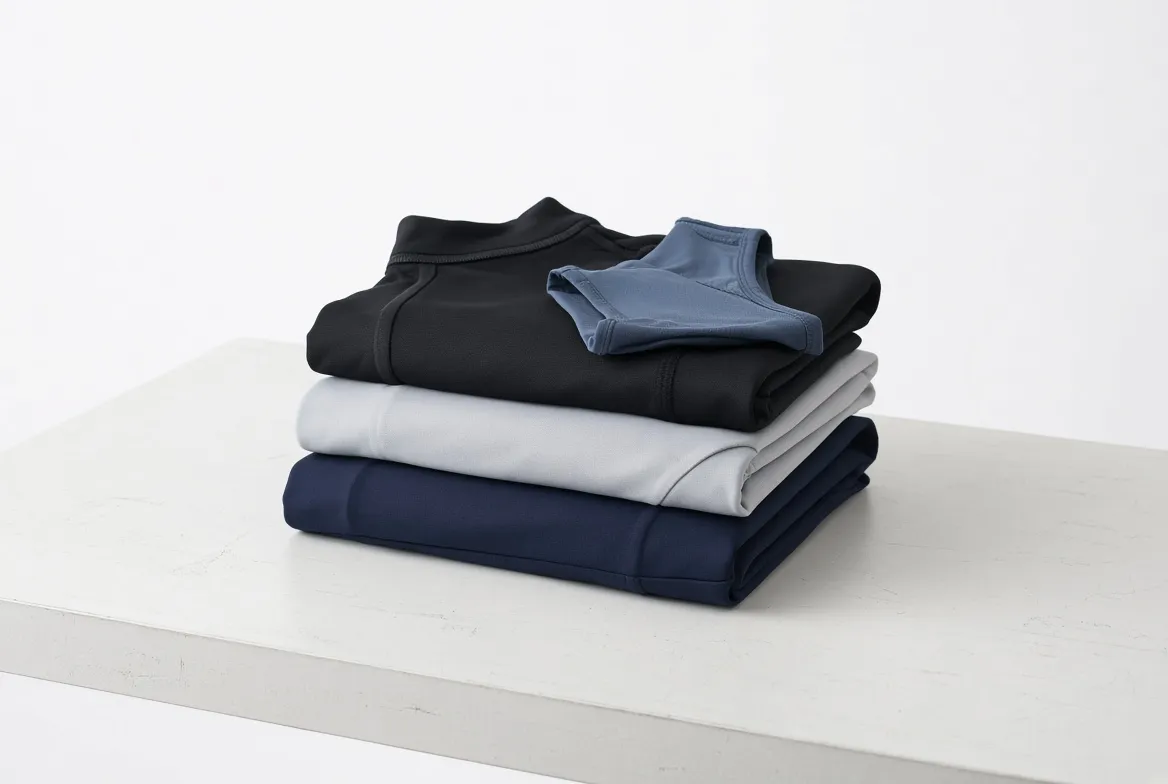
- Kit that stays in place through the session it was bought for.
- A size run a customer can re-order with confidence.
- Return rates that settle once the fit is right.
Who it stalls
- Athletes who cannot wear a piece that moves on them.
- Teams waiting on a fit no one will sign off.
- Size charts that no longer match the garment sold under them.