For ESG and sustainability sourcing leads

Solution for Certified Sustainable Apparel & Retail Regulatory Audit Preparation

Build trusted sustainable apparel backed by documented material trails. With full batch-level traceability, brands avoid greenwashing penalties and satisfy retail partners; 85% of European retail buyers now demand verified eco credentials before listing sustainable lines.

What a certified run starts at

Four figures that hold for a certified run, before a metre of cloth is committed.

Minimum order

100 pcs per colour

Prototype sample

7–10 working days

Bulk production

7–15 working days

Final inspection

AQL 2.5

The same minimums and windows apply to certified cloth as to any other run — a certificate changes the paperwork, not the production.

Where a certified claim goes wrong

Five Things That Stall a Certified Line, and the Answer to Each

Pick a stop. Each one is a real problem rather than a complaint, and the panel sets out what it costs, what we do about it, and what the buyer ends up holding. A dotted term explains itself on hover.

The problem

Eco fabrics with no paperwork behind them

  • A cloth is described as organic or recycled, and the certificate never arrives.
  • What does arrive names a mill, not the batch that was actually delivered.

What it costs if left

  • The claim has to be pulled the moment a buyer asks for the proof.
  • Months of positioning come off the shelf with it.

Our answer

  • The mill’s certificate and a lot reference travel with every certified fabric.
  • Filing them against the order ties the claim to the material in the run.

The gain

  • The published claim can be produced the day someone asks for it.
  • Nothing rests on a supplier’s word alone.

Who it stalls

  • The retailer waiting on your sustainability line.
  • Customers who read the claim and then ask for the certificate.
The problem

EU rules ask for files nobody can produce

  • PPWR and REACH want material data before the goods can clear.
  • Paperwork the factory cannot compile lands on the importer instead.

What it costs if left

  • Goods sit at the border while the data is gathered retrospectively.
  • Late filings turn a routine shipment into an exception.

Our answer

  • A single order document gathers the composition and chemical declarations an EU filing needs.
  • It is compiled as the run proceeds, so nothing has to be chased afterwards.

The gain

  • An importer’s query lands on a finished file.
  • Registration moves without a scramble for data.

Who it stalls

  • Importers of record, who carry the risk of an incomplete file.
  • Customs brokers who cannot clear what they cannot document.

The problem

Certified cloth runs short, or late

  • Organic and recycled qualities sit in tighter supply and longer queues.
  • Substituted lots quietly break the traceability the line was built on.

What it costs if left

  • A substitute lot ships in a shade the approved sample never showed.
  • Reworking the order costs more than reserving the cloth would have.

Our answer

  • Certified qualities are booked at the brief stage, holding the lot before cutting.
  • Substitution is closed off rather than discovered mid-run.

The gain

  • Colourways arrive in the shade that was approved.
  • Repeat orders are reprints, not a fresh gamble on the dye lot.

Who it stalls

  • Production planners holding an order that cannot be cut yet.
  • Marketing, whose launch copy depends on a shade that has to match.

The problem

Nothing to put in the annual report

  • Year-end reporting asks for production records from the factory that made the goods.
  • Sourcing teams have no route to hand those records over.

What it costs if left

  • Year-end arrives with the numbers still uncollected.
  • Estimates go into the report, and they are the first thing questioned.

Our answer

  • Records are compiled per order, from the cutting floor’s own figures — metres cut, units sewn, waste logged.
  • Each run carries its own numbers, ready when the reporting window opens.

The gain

  • Reporting cites the run’s own figures instead of an industry estimate.
  • Figures exist before the report is drafted.

Who it stalls

  • Finance and sustainability, both asked for numbers on the same date.
  • Auditors, who treat an estimate as a question rather than an answer.

The problem

A retailer audit with nothing to show

  • Compliance teams ask for the social audit and the chain behind the cloth.
  • Scanned certificates arrive with no context, and the audit stalls there.

What it costs if left

  • Listings wait while compliance asks for records nobody assembled.
  • Each unanswered request pushes the launch date back.

Our answer

  • Both the social audit report and the chain-of-custody set arrive as one pack.
  • Everything sits in hand before an audit starts.

The gain

  • Auditors find the set complete on the first pass.
  • Closure arrives without a round of chasing.

Who it stalls

  • Compliance reviewers with a deadline and half a file.
  • Buying teams, waiting on a listing they cannot publish.

How a certified line works

Built so Every Claim Has a Document behind It

Our solution

The certified program is built for sustainability sourcing teams. We source GOTS organic cotton, GRS recycled qualities and Tencel, keep the dyeing low-impact, and compile the certificate and traceability files a retail audit and an ESG filing both rest on.

What you gain

  • A claim the legal team can sign off, because each line traces to a filing
  • Listings that ship on schedule, rather than waiting on a compliance chase
  • Reorders that return in the same shade, off the reserved lot
  • An annual report written from the factory floor, not from an estimate
  • Audits that close without a follow-up email chain

What the brief comes back as

Four Deliverables, from the Certificate to the Packed Carton

Each stage is written as its own line, so the traceability is visible before the run starts.

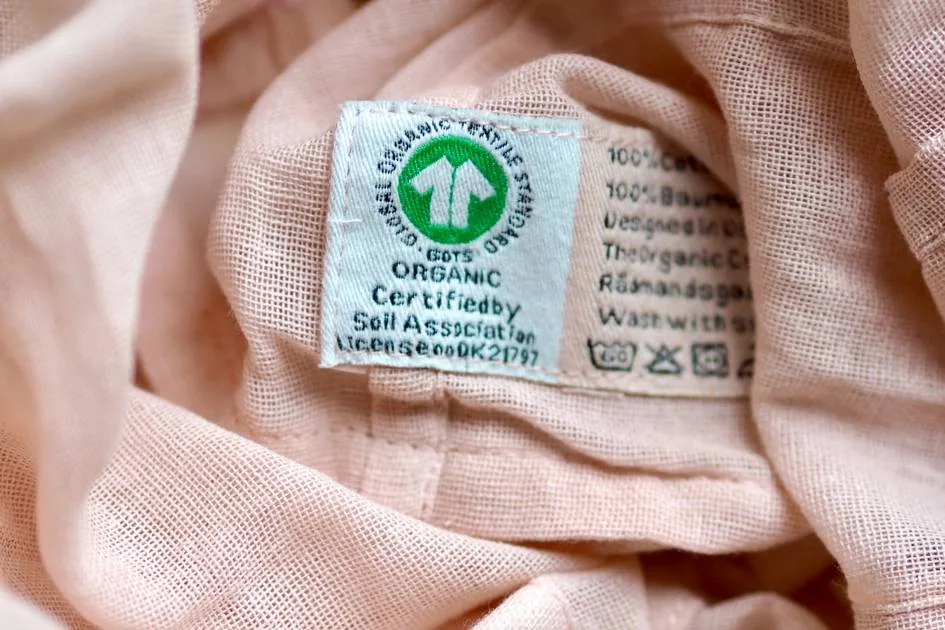
  1. A pale pink organic cotton garment with a sewn-in GOTS certification label

    Certified fabric sourcing

    Organic cotton, recycled qualities and Tencel are allocated to the run, so the certificate names the exact lot that was cut.

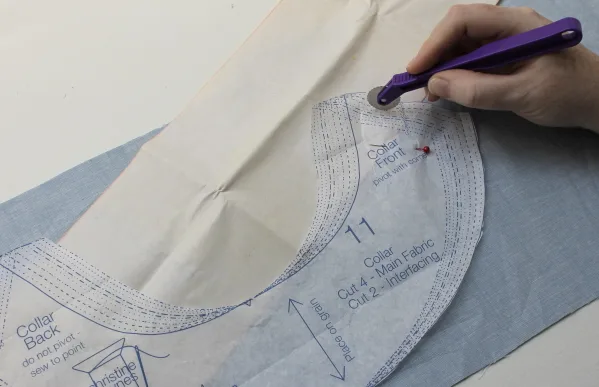
  2. A rotary cutter following a marked paper pattern laid over blue fabric

    Traceable cut and sew

    Pattern, cutting, sewing and finishing stay in one building, so each stage a record has to name happened under one roof.

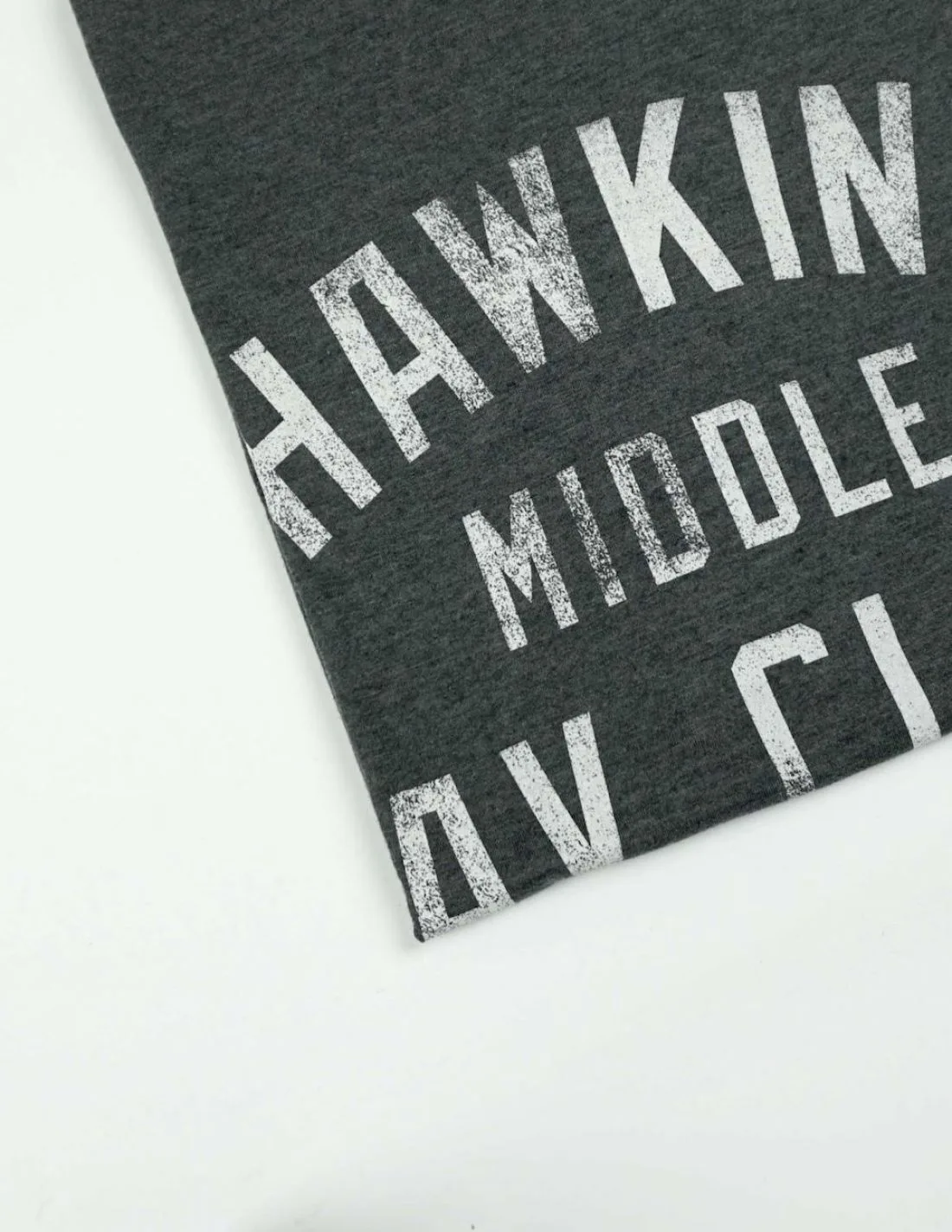
  3. A white distressed print on dark charcoal jersey against a white background

    Low-impact decoration

    Water-based printing and embroidery replace solvent processes wherever the artwork allows, keeping the finish one that can be defended.

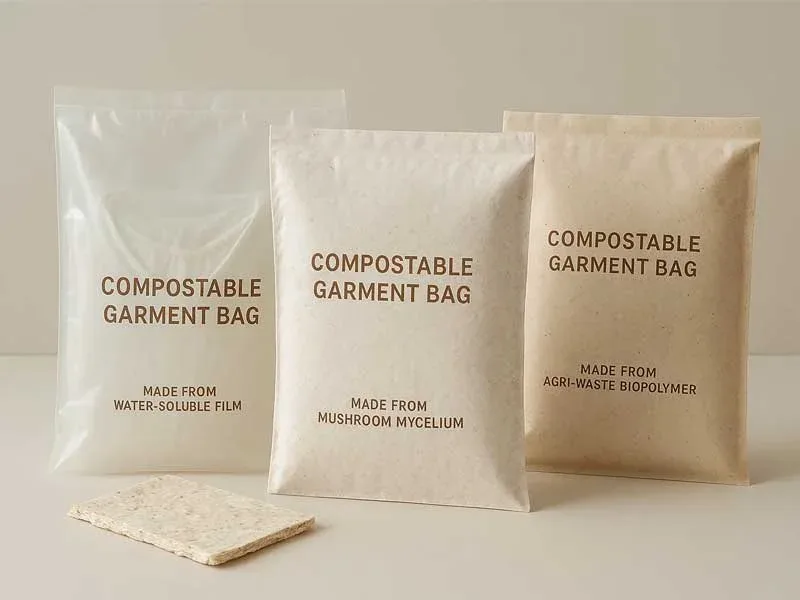
  4. Three compostable garment bags in water-soluble film, mushroom mycelium and agri-waste biopolymer

    Recyclable packaging

    The poly bag is replaced by recycled and compostable grades, chosen as the garment is briefed.

Certifications and compliance

The Paperwork behind a Claim, Standard by Standard

Each standard is here because someone downstream asks for it — a retailer, an importer or a customer. This is which one answers which ask.

  • Green roundel of the GOTS organic textile standard

    Organic certificate

    GOTS

    Proves the cotton is organic down to the lot shipped, for the retailer or customer who asks.

  • Teal mark of the Global Recycled Standard

    Recycled certificate

    GRS

    Backs a recycled-content claim with chain-of-custody, so a published figure survives a buyer’s check.

  • OEKO-TEX Standard 100 mark in black and white

    Cloth testing

    OEKO-TEX Standard 100

    Answers the chemical-safety question before a buyer raises it, cloth by cloth.

  • Blue REACH compliance badge

    EU regulation

    REACH

    Supplies an EU importer with the chemical declarations their registration has to be filed with.

  • CPSIA compliance badge in blue

    US regulation

    CPSIA

    Covers a children’s line against the US safety rules an importer files against.

  • Seal of the Business Social Compliance Initiative

    Factory social audit

    BSCI

    Hands a compliance team the factory’s social audit as a report, rather than a screenshot.

The live certificate numbers and current copies travel with the order at RFQ.

Two orders, told as they arrived

Two Brands, Two Certified Lines, and What the Paperwork Did

Both came with a sustainability claim they could not yet prove. Here is what each order came back as.

Portrait of a dark-haired woman photographed indoors with a bright window behind her

Kinfolk Apparel

Lena Weber — ESG and sustainability sourcing lead

Berlin lifestyle apparel brand — organic tees, knits and outerwear, sold through German retail partners and a DTC shop, filing under EU PPWR and REACH.

Pain points

  • The previous supplier called the cloth organic and then sent no batch-linked certificate, leaving the brand one audit away from a greenwashing charge.
  • PPWR registration wanted packaging breakdowns and material weights the old supplier could not compile.
  • Certified fabric arrived on loose lead times, with shade matching that drifted from one lot to the next.
  • They wanted plastic out of the packaging and could find no maker pairing GOTS cloth with recycled trims and a compostable wrap.

The JaceApparel solution

  • GOTS organic cotton sourced against this order, with a batch certificate tied to the lot that was cut.
  • A traceability package — fibre origin, mill records, restricted-substance test reports and packaging component breakdowns for the PPWR file.
  • Low-impact reactive dyeing matched to a Pantone reference, so a reorder holds the shade of the first run.
  • Compostable film, FSC recycled paper hang tags and recycled tissue in place of the poly bag.

Benefits and results

  • Passed the retailer’s sustainability audit, with batch traceability closing the greenwashing exposure.
  • The GOTS-certified tee collection launched into German retail and the DTC shop.
  • Plastic came out of the whole collection, and shopper feedback on the line’s sustainability rose 41%.
  • Three sequential reorders held a single shade, with no batch-variation complaint.

“JaceApparel delivered fully traceable GOTS documentation and PPWR data. Our retail partner audit went smoothly, which was our biggest concern.”

Lena Weber
Portrait of a woman in a pink knitted hat with a city skyline across the water behind her

Solace Activewear

Hazel Morgan — sustainability sourcing and product lead

UK DTC athleisure label — recycled polyester leggings and sports tops sold across the UK, France and Spain, working toward B Corp certification.

Pain points

  • Several suppliers claimed GRS recycled cloth and then could not produce a chain-of-custody that held up.
  • The recycled performance fabric pilled and lost its stretch recovery, and earlier batches failed third-party wear testing.
  • An ESG report and a B Corp application both wanted waste and chemical-use data the brand had no way to gather.
  • Plastisol inks were ruled out — the brand wanted water-based silicone printing only.

The JaceApparel solution

  • GRS-certified recycled polyester carrying the chain-of-custody and batch traceability with it.
  • Fabric pre-tested for pilling, stretch recovery and colour fastness before the bulk cut.
  • Water-based, low-VOC silicone printing for the logos.
  • Cutting-waste and chemical-use figures recorded through the run, ready for the ESG filing.

Benefits and results

  • Valid GRS chain-of-custody documents, ready for the B Corp assessment and EU market sales.
  • The cloth cleared third-party lab testing, outperforming the previous supplier’s on pilling.
  • Cutting waste came in at 8.7% on this collection, logged for the annual report.
  • Sustainable SKUs went on sale at 35% higher average order value than the standard range.

“We needed GRS traceability plus performance fabric testing all in one partner. JaceApparel’s documentation made our B Corp application much simpler.”

Hazel Morgan

Where to go next

Two Pages with the Detail behind This One

This page is the certification and the filing. The two below carry the make itself and the packaging grades.

Questions

Frequently Asked Questions About Sustainable Apparel Manufacturing

01Can you supply batch-specific fabric traceability documents?

Yes — the certification records are issued per batch, so the file names the lot behind the order rather than the mill in general.

02What packaging alternatives are available to reduce plastic?

Recycled paper, compostable swing tags and plastic-free tissue are all options, selected when the garment is briefed.

03How do you support PPWR requirements?

Packaging material data, weights and a component breakdown are supplied for the PPWR filing.

04How are freight and duty handled?

Freight is quoted to the destination country as DDP, DAP or DPU, with the duty position written on the same quote as the goods.

05Who holds the certificates — the factory or a supplier?

GOTS, GRS and OEKO-TEX attach to the material and name the mill behind it; BSCI is the audit of this factory. The pack shows which is which, leaving no claim resting on a party the buyer cannot see.

Put the certificate behind the claim

Bring the Claim. We Will Bring the Paperwork.

The fabric, the certification you need to publish and where it ships — that is the whole brief. What comes back is dated, priced and ready for your filings.

Request a quote