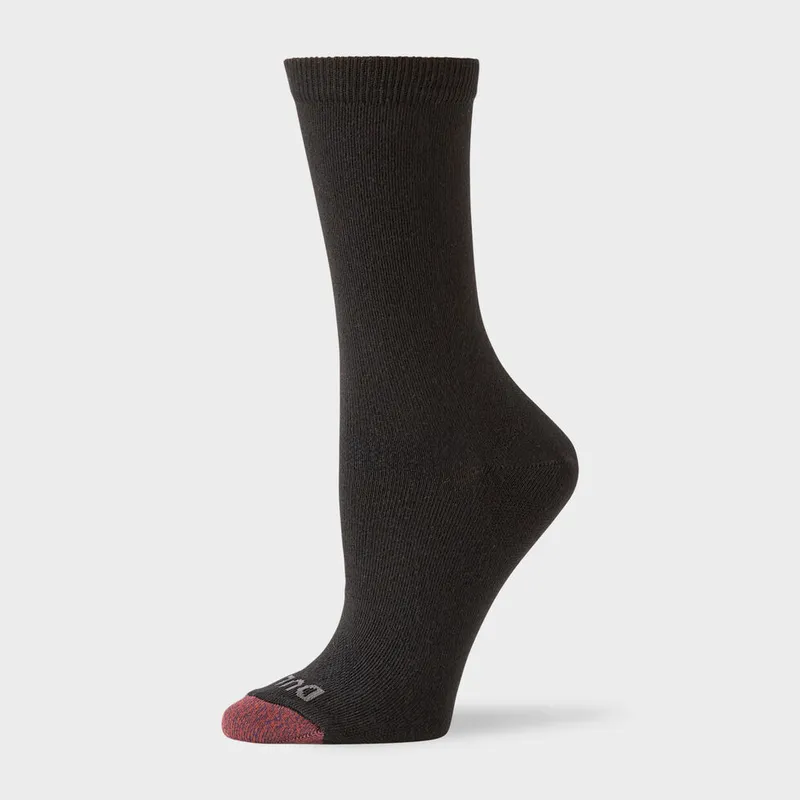
The everyday cut — mid-calf, ribbed at the cuff and plain through the leg.
- Height
- Sitting above the shoe
- Knit
- Rib at the opening, plain above
- Toe
- Hand-linked, flat across the seam
For sock brands, knitwear labels & private-label retailers
JaceApparel is a fully vertical custom sock manufacturer for independent sock brands, private-label retailers, and corporate merchandise lines. We do not lock you into pre-made catalogue styles. Every pair follows your complete tech pack, with custom yarn, needle gauge, terry cushioning and seamless toe closure.
Order facts
Four numbers that say what stands behind a sock order — the floor, the people, the output and how long the mill has been running.
Production floor
20,000 sqm
Workforce
400+ people
Annual output
~1,000,000 pcs
Operating since
2015
The standards the mill holds are OEKO-TEX Standard 100, BSCI and GRS, and the certificate copy goes out with your quote rather than after the goods ship.
The style range
Each shape is knitted to your size, cuff height and toe finish. The yarn, the gauge and the cushioning come off your brief rather than off this grid.
The everyday cut — mid-calf, ribbed at the cuff and plain through the leg.
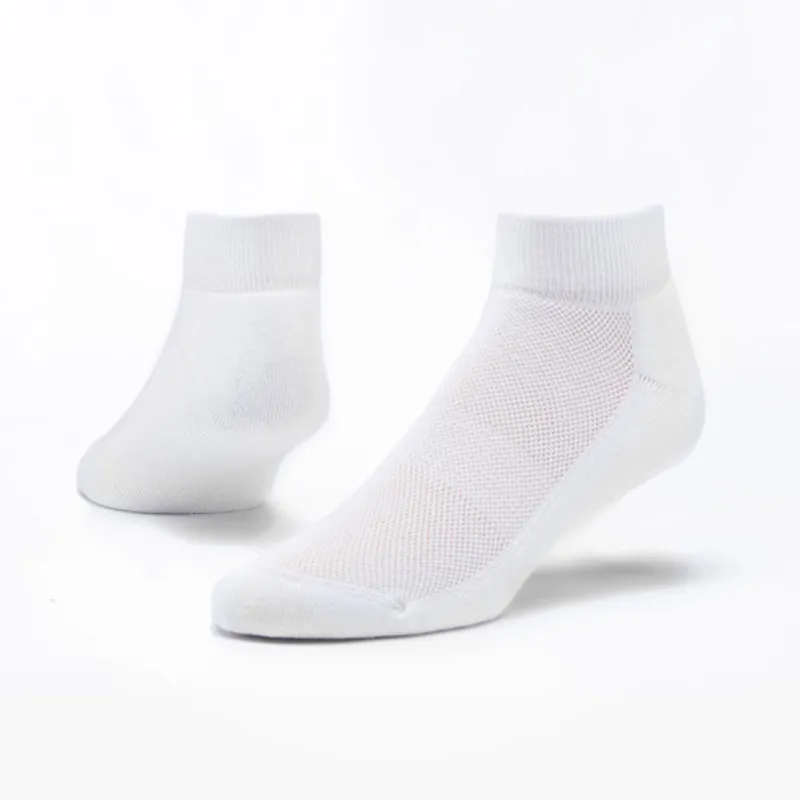
Sits just over the collar of the shoe, so the ribbing does the gripping.
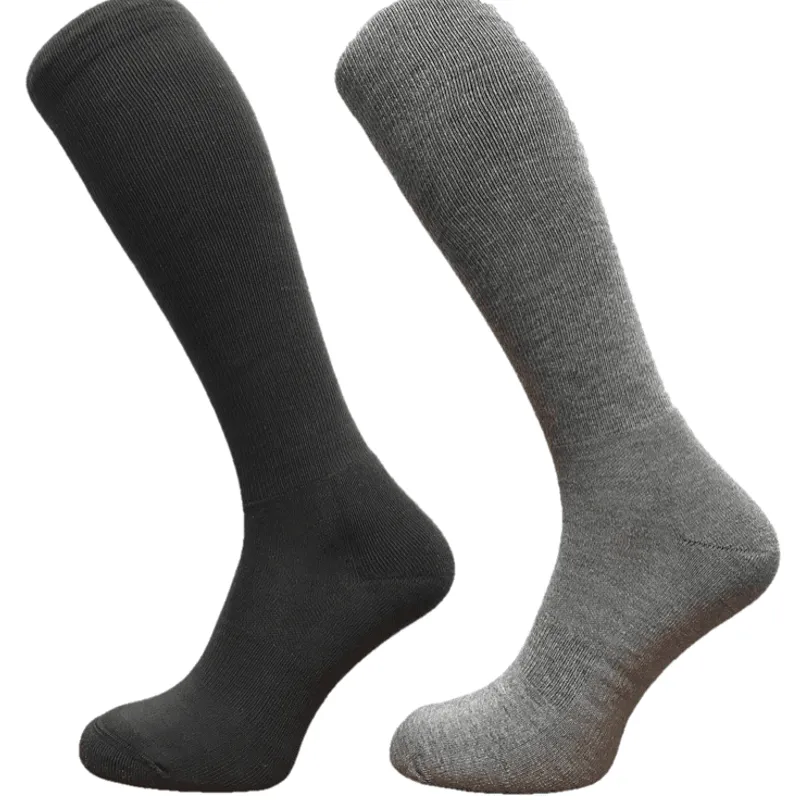
Runs to the knee for a school, uniform or formal line.
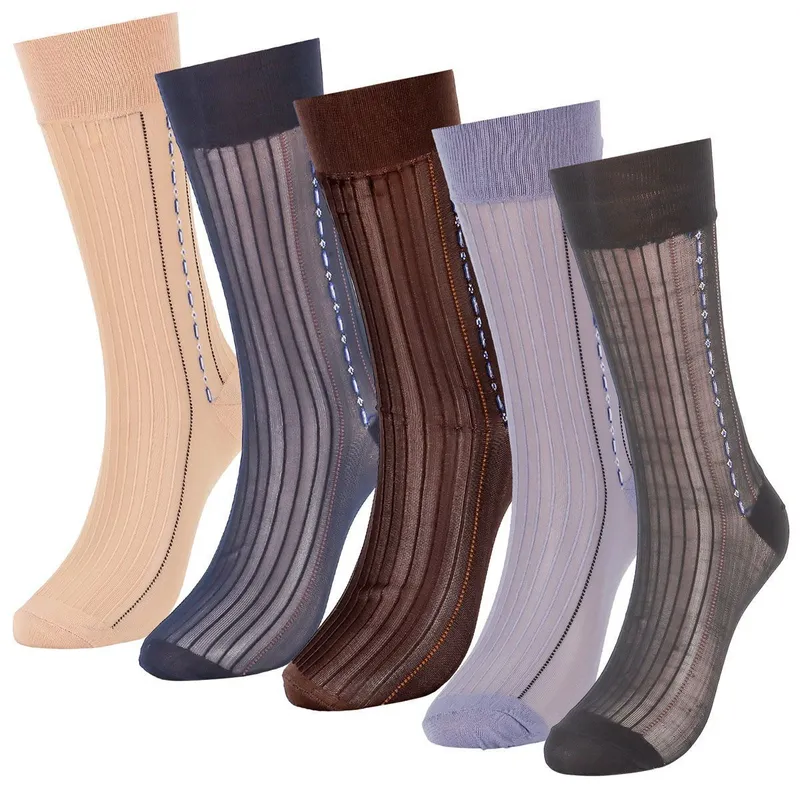
Fine and thin, cut to disappear under a leather shoe.
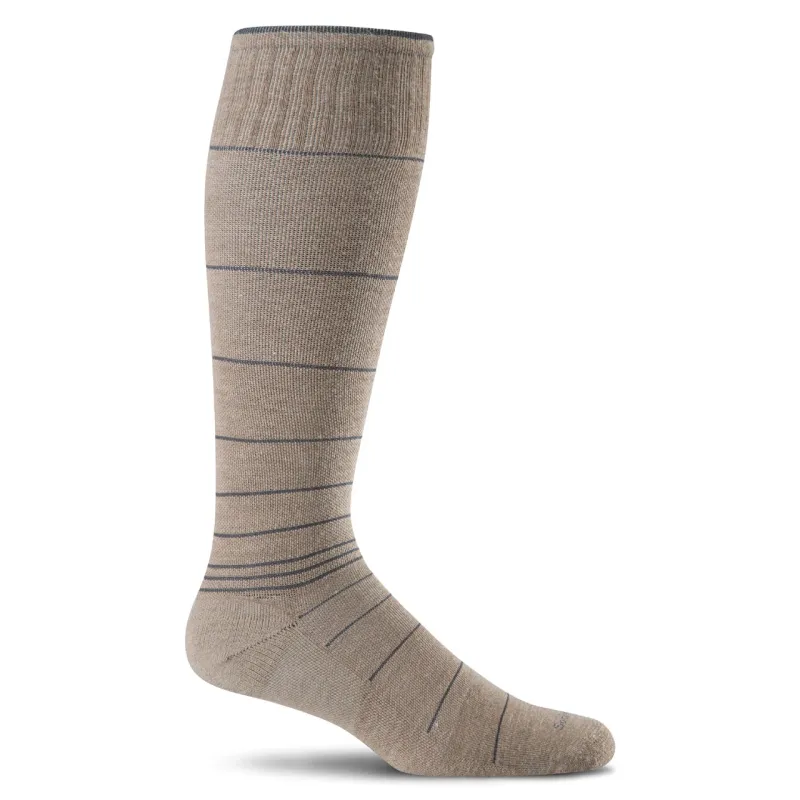
Support and graduated fit, knitted to the pressure your spec sets.
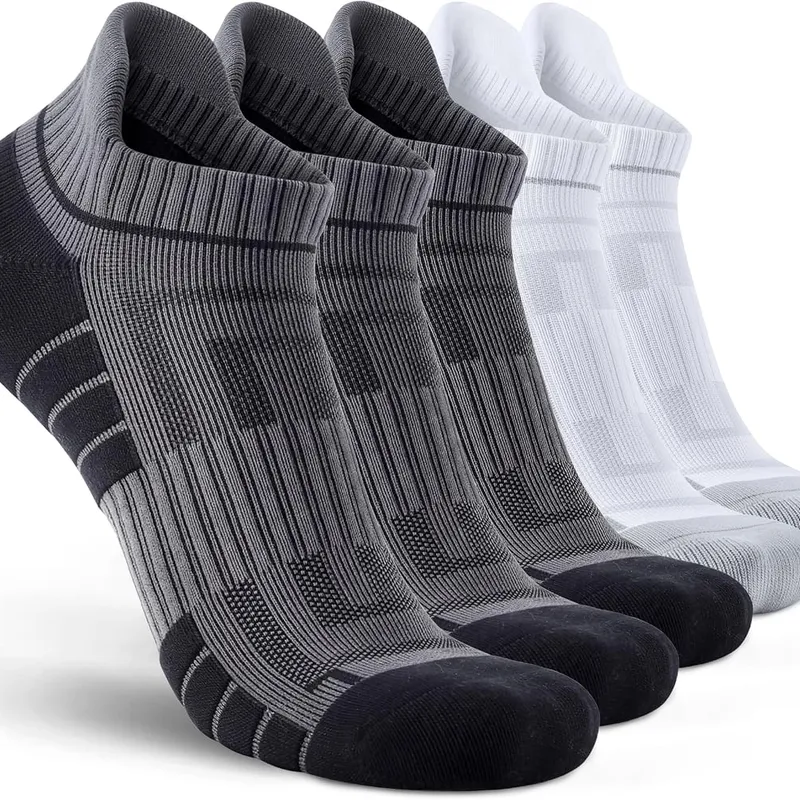
Terry through the sole, for a training or team line.
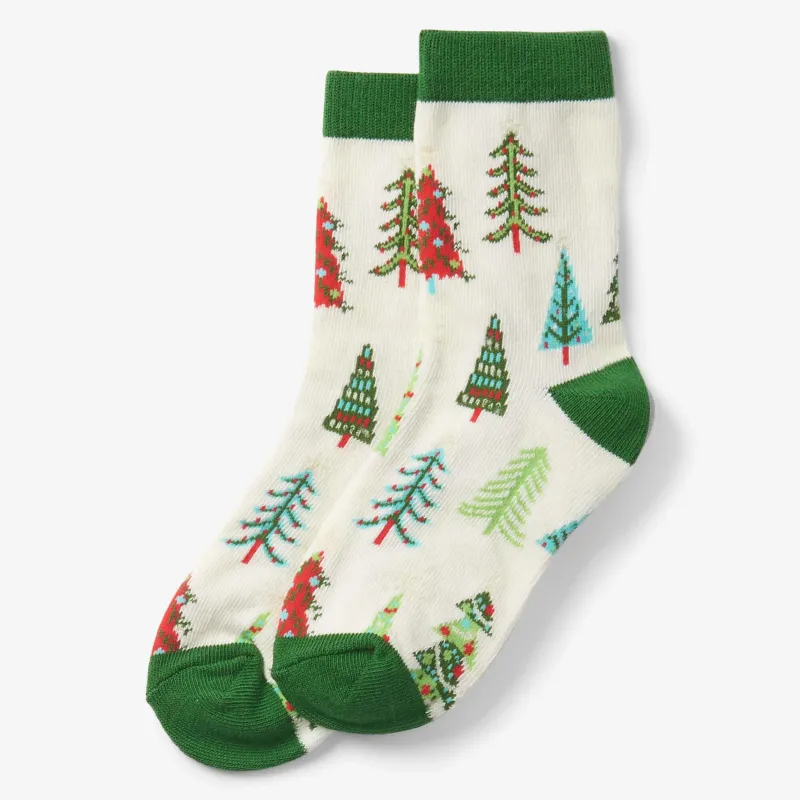
Small sizes, soft yarn and a cuff that stays up without pinching.
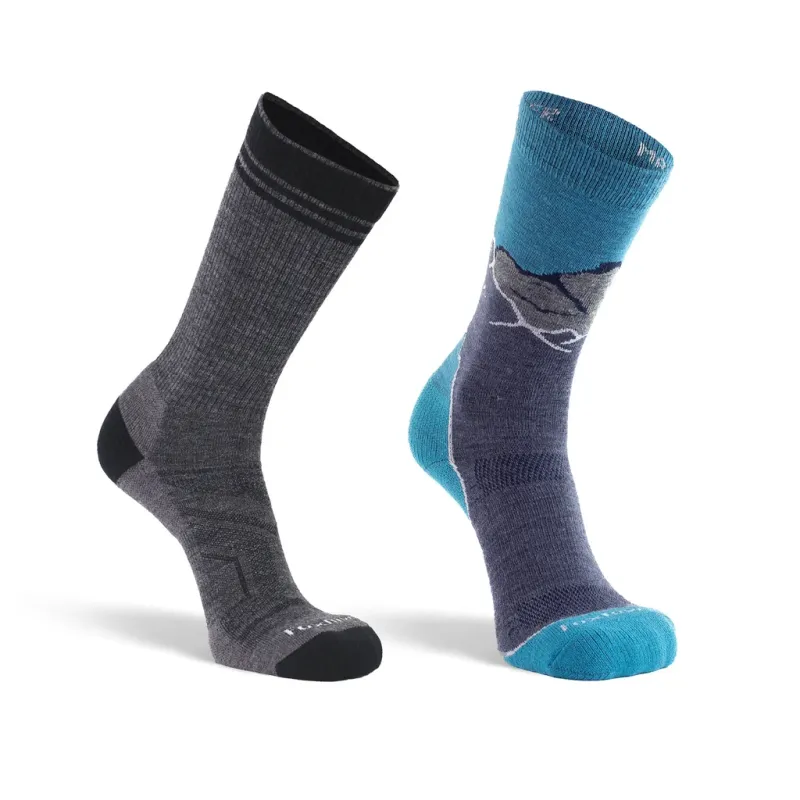
Cushioned at the heel and the ball, for a boot that gets walked in.
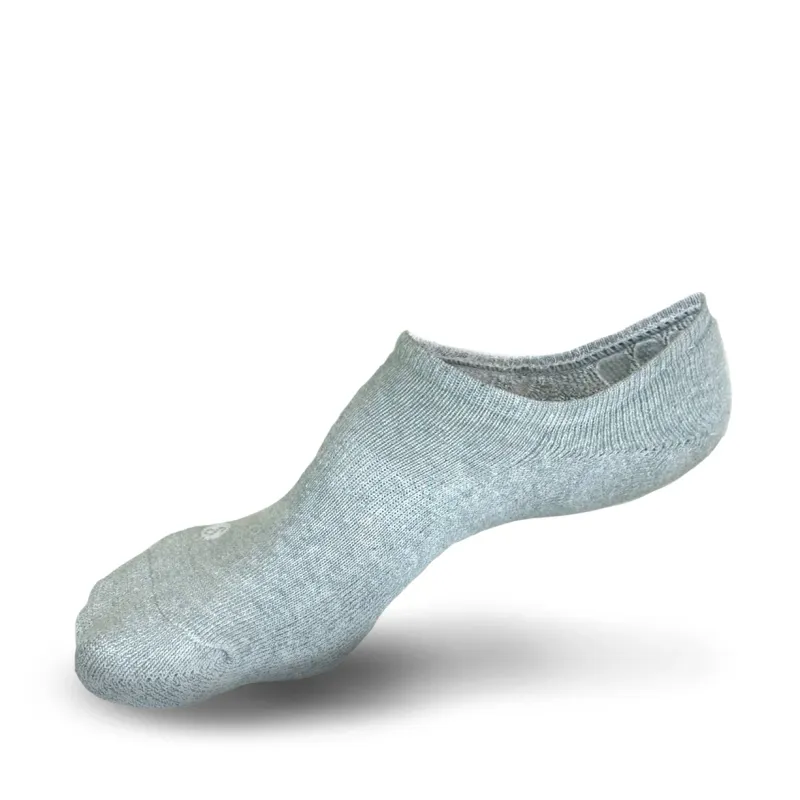
Cut low enough to sit entirely below the line of the shoe.
Yarn library
The yarn decides how the pair feels, how it wears at the heel and how it takes a pattern. Choose it with the foot it goes on, then lock the blend and the gauge on the sample.
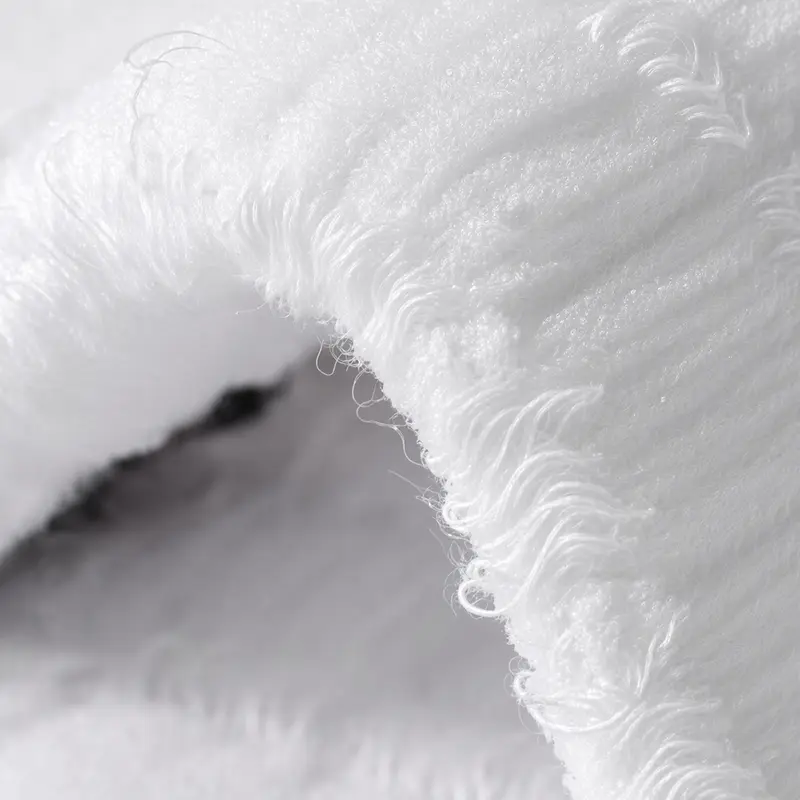
The everyday sock yarn — combed to take the short fibres out, so the knit comes up smooth against the skin.
Usually knitted forCrew · Dress · Uniform
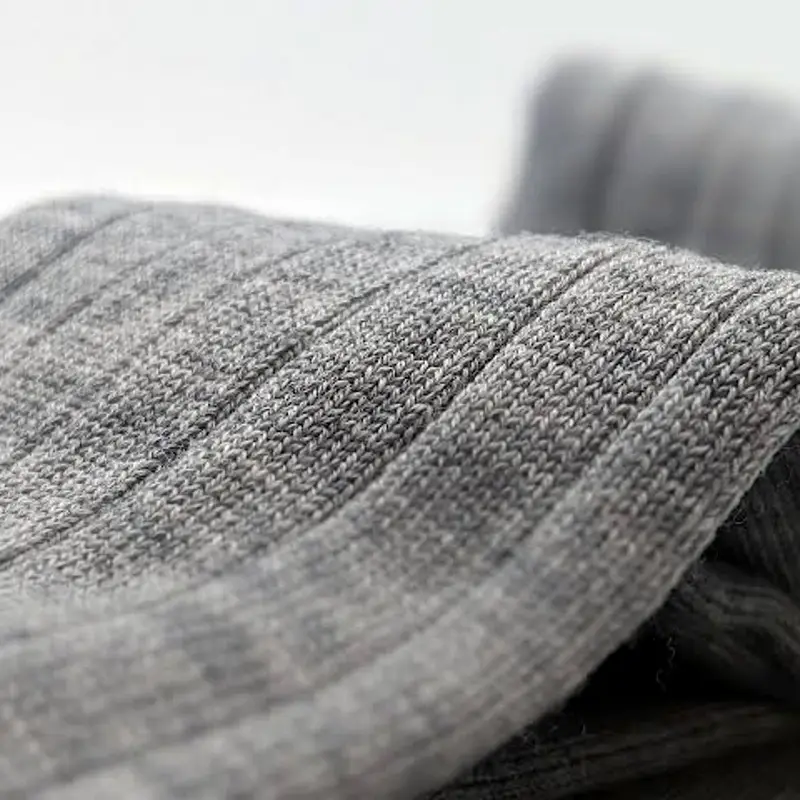
Quoted as an option where warmth without bulk is the brief, and always confirmed on the sample before the run.
Usually knitted forHiking · Outdoor · Winter
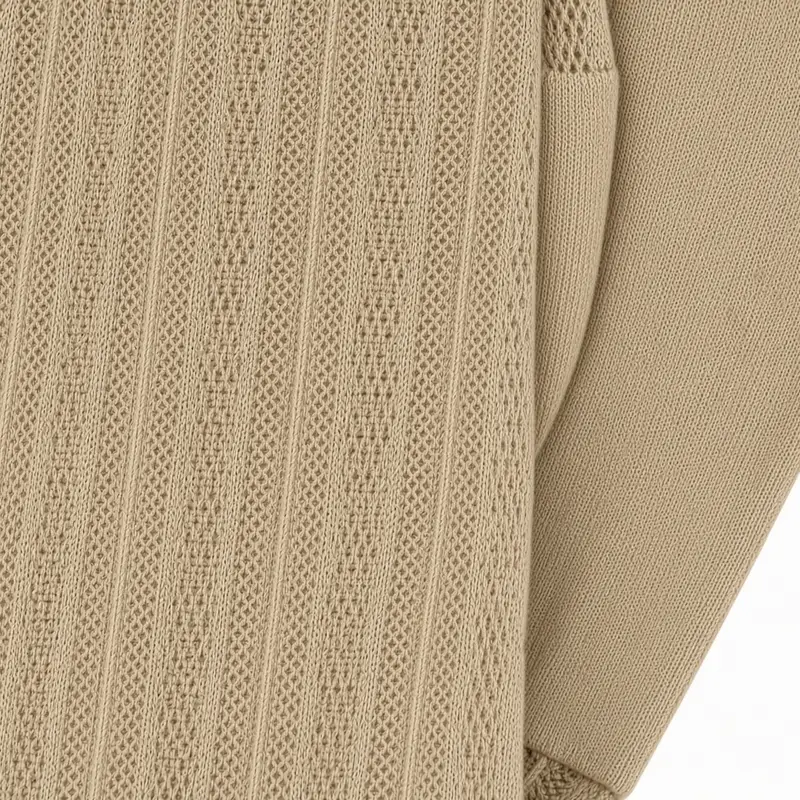
Added at the heel, the toe and the cuff, where a sock takes its wear and needs to hold its stretch.
Usually knitted forAthletic · Compression · Work
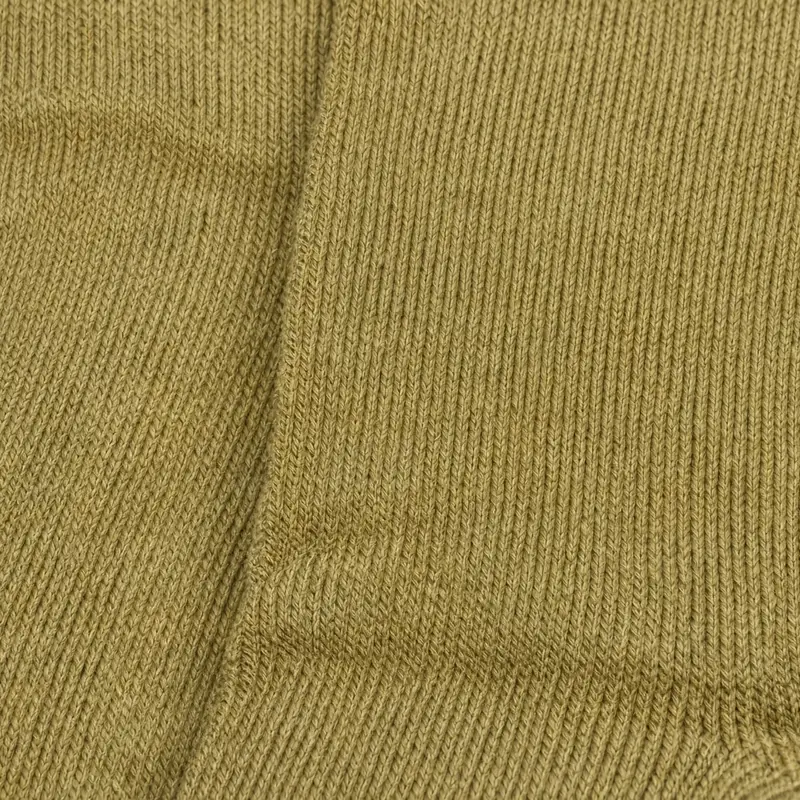
Soft to the hand and dry to the touch, chosen where the pair is worn against the skin for long hours.
Usually knitted forEveryday · Travel · Loungewear
Lower-impact options
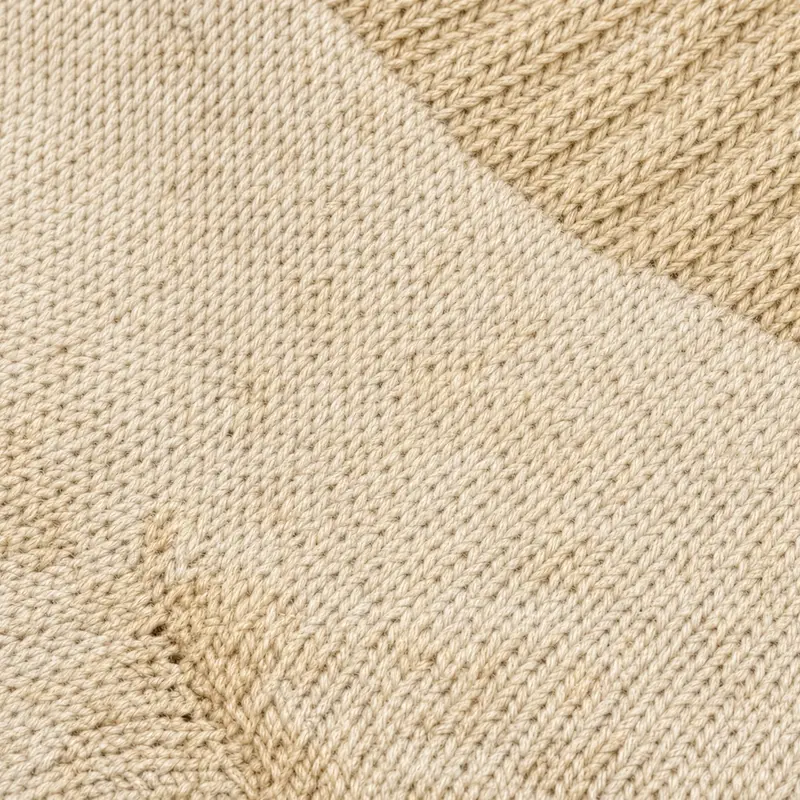
Raised without synthetic pesticides and traceable back to the field, with the same hand as combed cotton.
Usually knitted forKids · Everyday · Retail
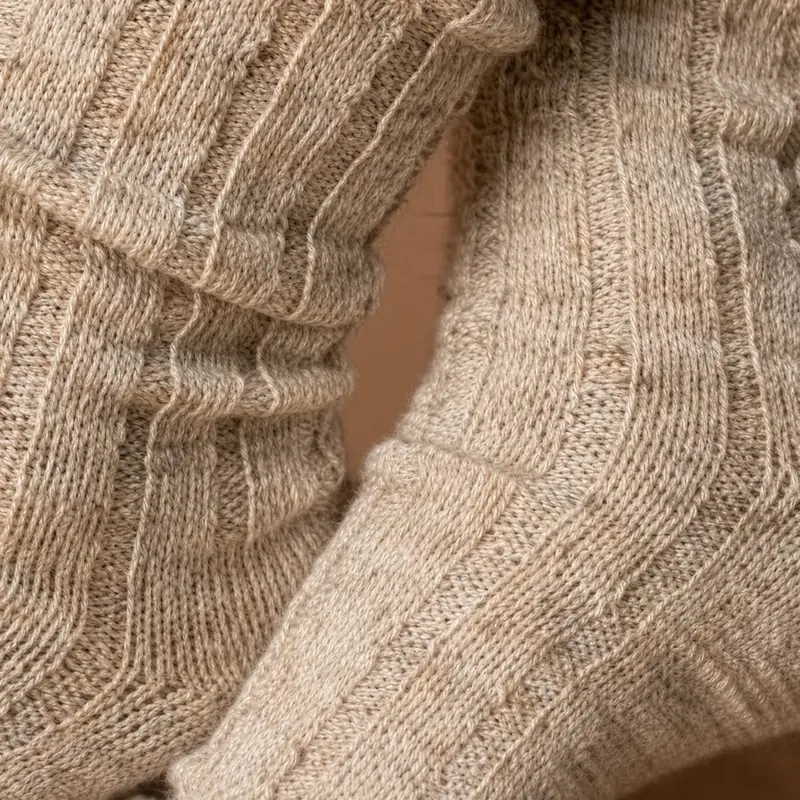
Drawn from reclaimed plastic instead of virgin polymer, for a range that has to show what it is made of.
Usually knitted forAthletic · Promotional · Kit
Yarn cones and a knitted swatch go out ahead of the run · gauge and hand confirmed on the sample
What you can change
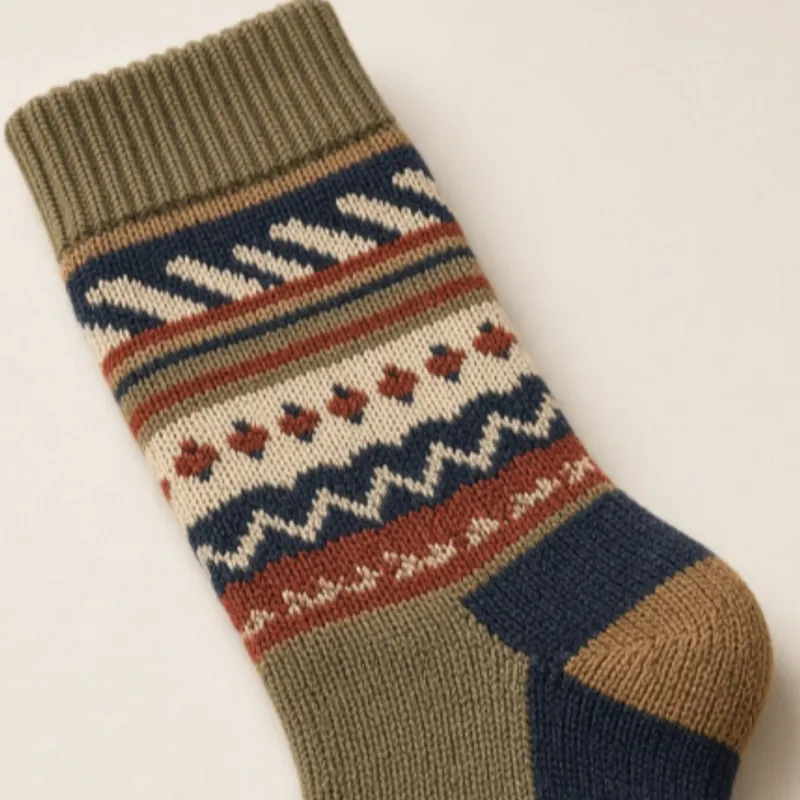
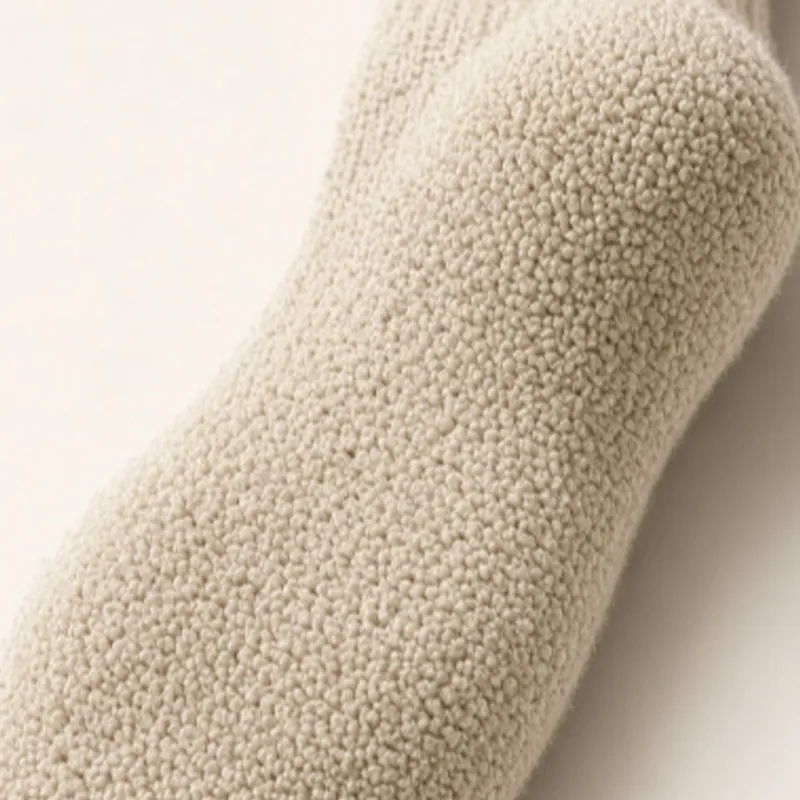
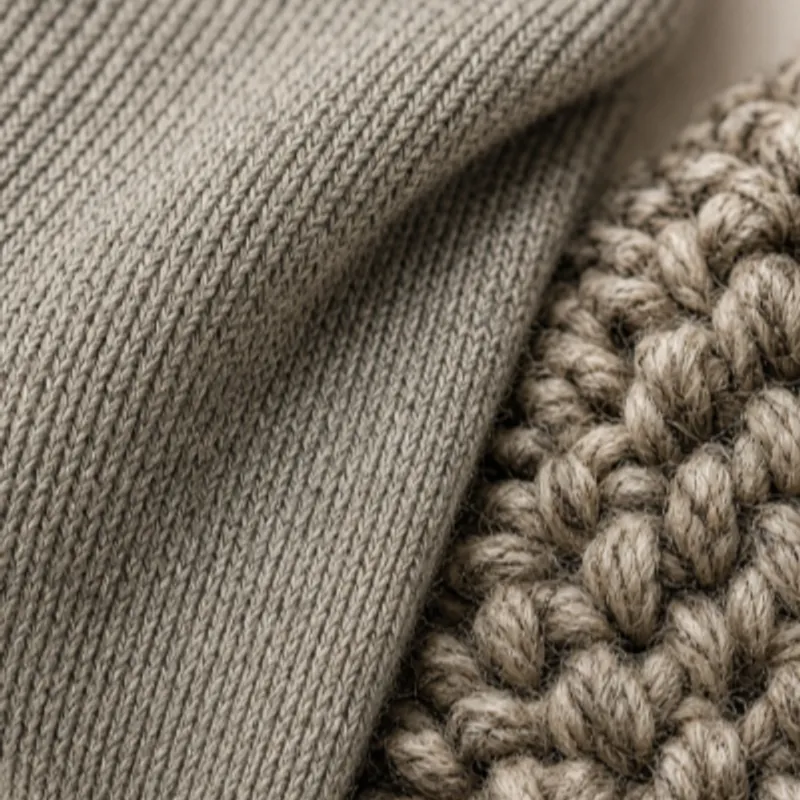
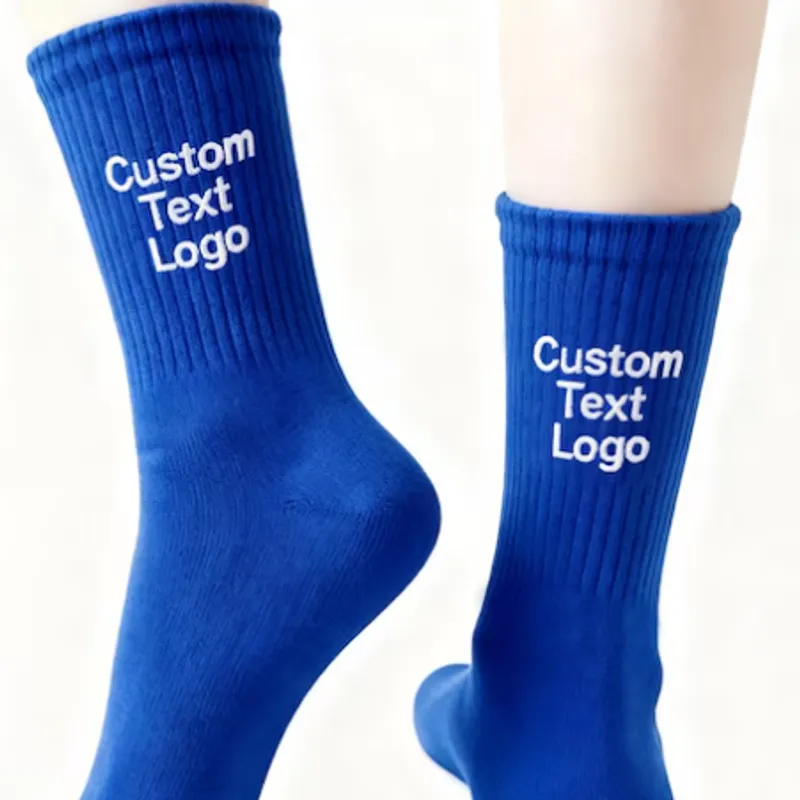
The fibre, the size and the cuff height are set first. What is left is the pattern, the cushioning, the gauge and what goes onto the sock.
 01
 02
 03
 04
Packing & dispatch
Packing is quoted on the tech pack rather than added afterwards, so the format is decided before the goods are knitted, not after they are boxed.
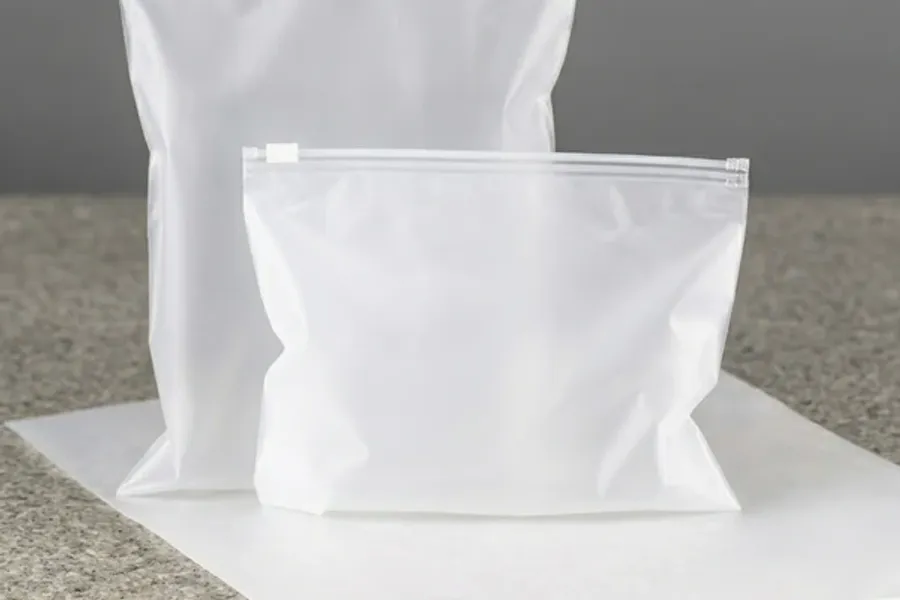
Usually packed forBulk shelf runs · Discounters
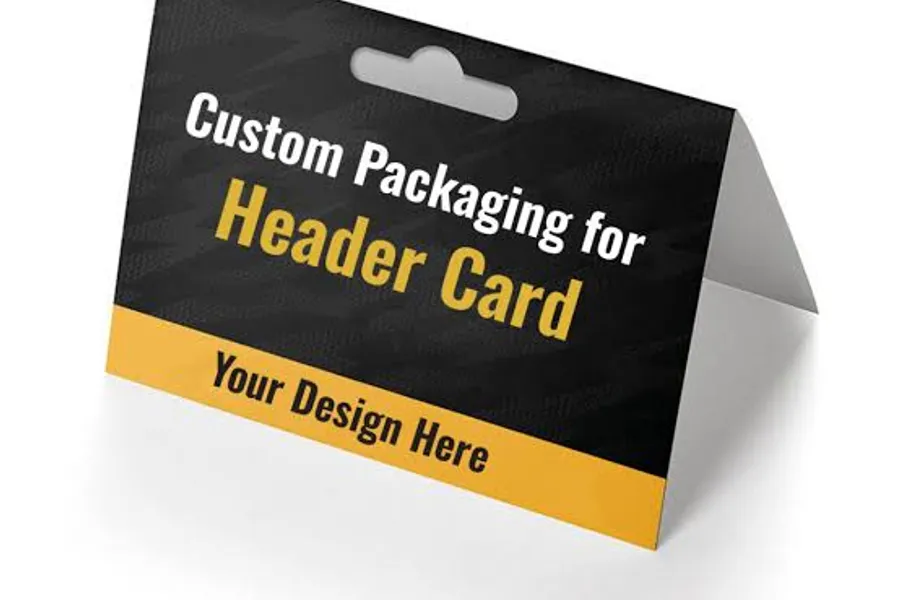
Usually packed forPegboard retail · Chain stores
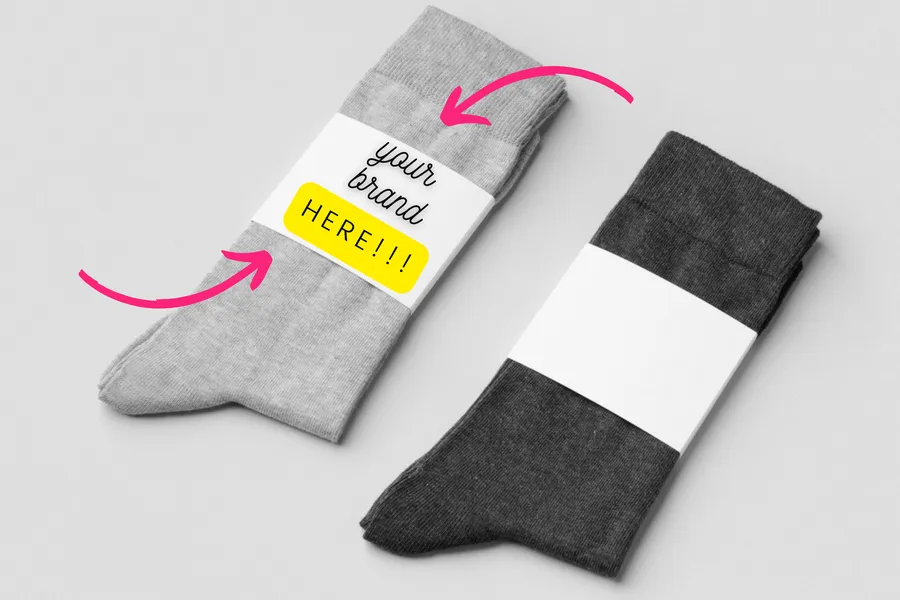
Usually packed forBoutique retail · Gift sets
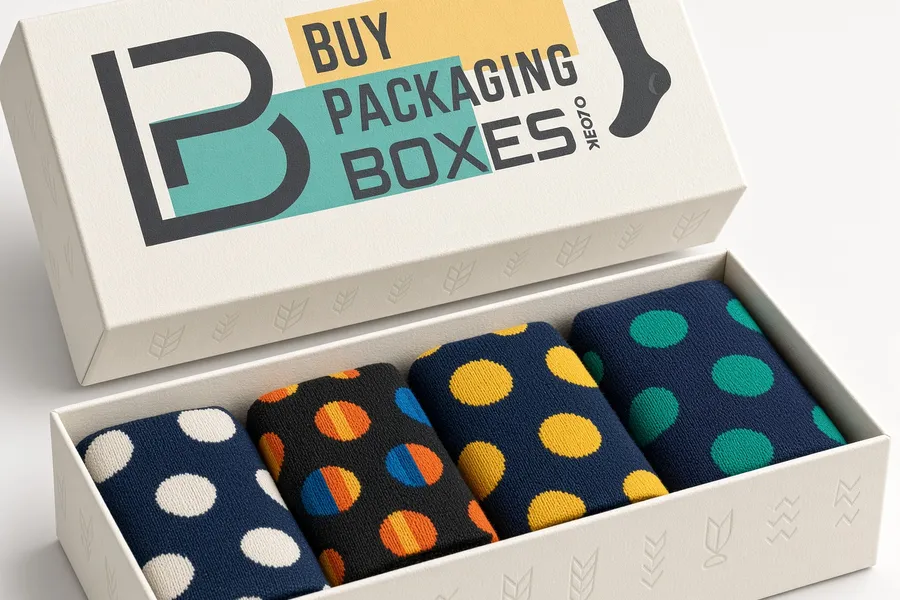
Usually packed forCorporate gifting · Occasions
Lock the knit first
Sampling is quoted on a line of its own, and the bulk schedule begins the day that pair is approved — so the gap between the two holds nothing unplanned.
The process
Each stage closes before the next opens, so a change of yarn or gauge is caught at the sample rather than halfway through the bulk knit.
Tell us the styles, the sizes, the quantities per colour and where the sock is worn. A worn sock, a sketch or a competitor pair says the rest — that is all the pattern room needs.
The yarn is quoted to the wear point, the sizes are graded on your own chart, and the cuff height, terry placement and toe closure go onto a single tech pack before a needle moves.
One pair comes off the machines before the bulk runs, so the fit, the shade and the hand of the yarn are judged on something a person can put on and wear.
The pair that was signed is the control the machines work to. Tubing, linking and finishing are checked back against it, and the cartons are turned out and measured against it before the order is dispatched.
Every carton opened against the approved pair · AQL 2.5 at final inspection
Client case files
Two buyers abroad — one ordering a client gifting programme, one building a retail range. Each case sets out what was going wrong, what the mill changed, and what the buyer reported afterwards.
“The attention to colour accuracy and logo detail is impressive. The socks arrived ahead of schedule with premium packaging. Our clients shared the gifts widely across social platforms, generating strong brand exposure. We have signed a yearly cooperative order for corporate merchandise.”
“We launched 8 new sock styles in one shipment with flexible MOQ support. The colour fastness and durability exceed our expectations. The official GRS certification greatly helps our brand’s sustainable marketing. JaceApparel is our stable long-term retail supply partner.”
Every sock programme is priced on its own brief, and the reply is dated before any sample is knitted.
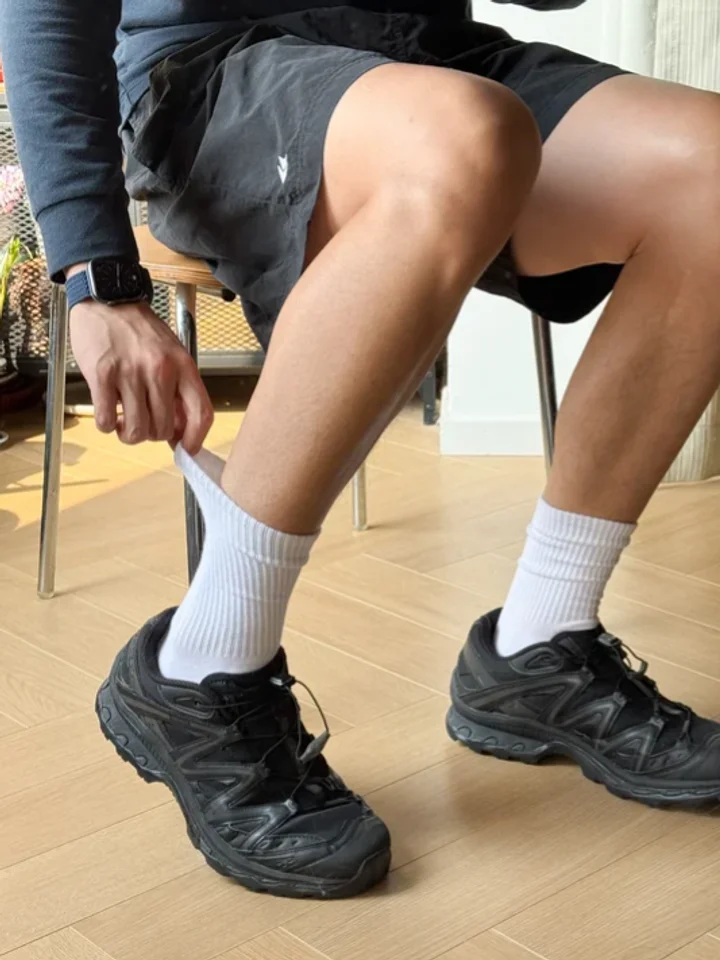
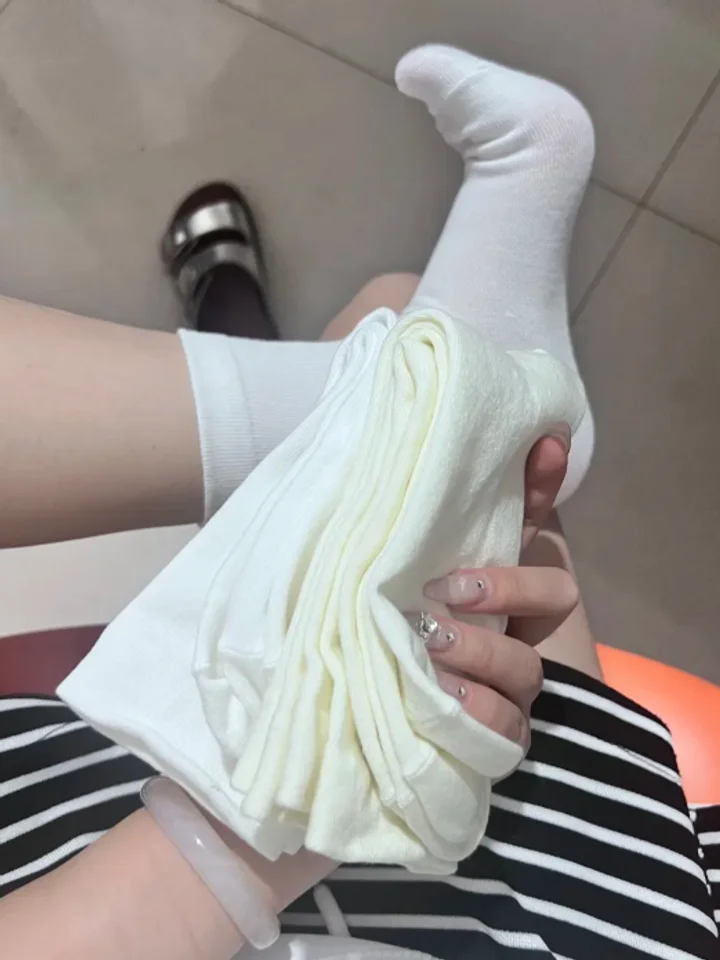
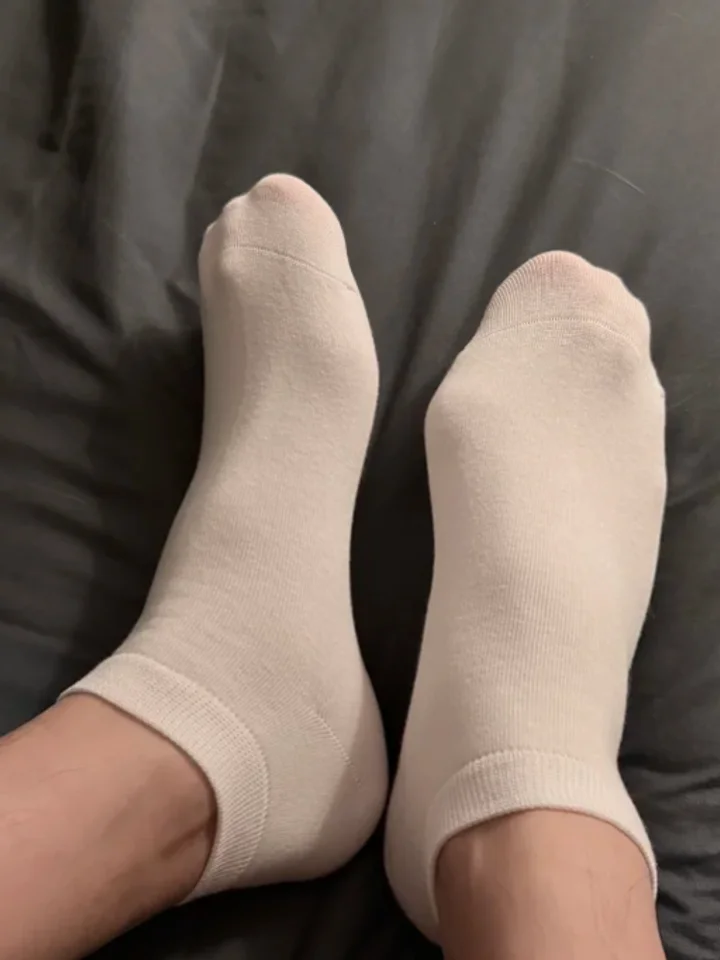
Get your programme pricedOn the foot
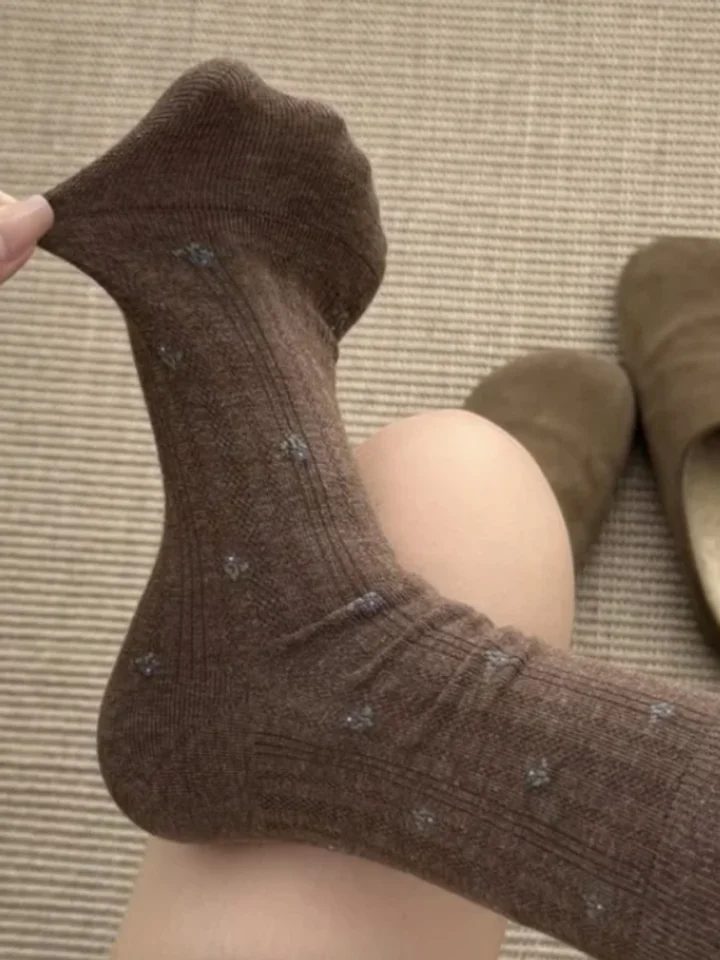
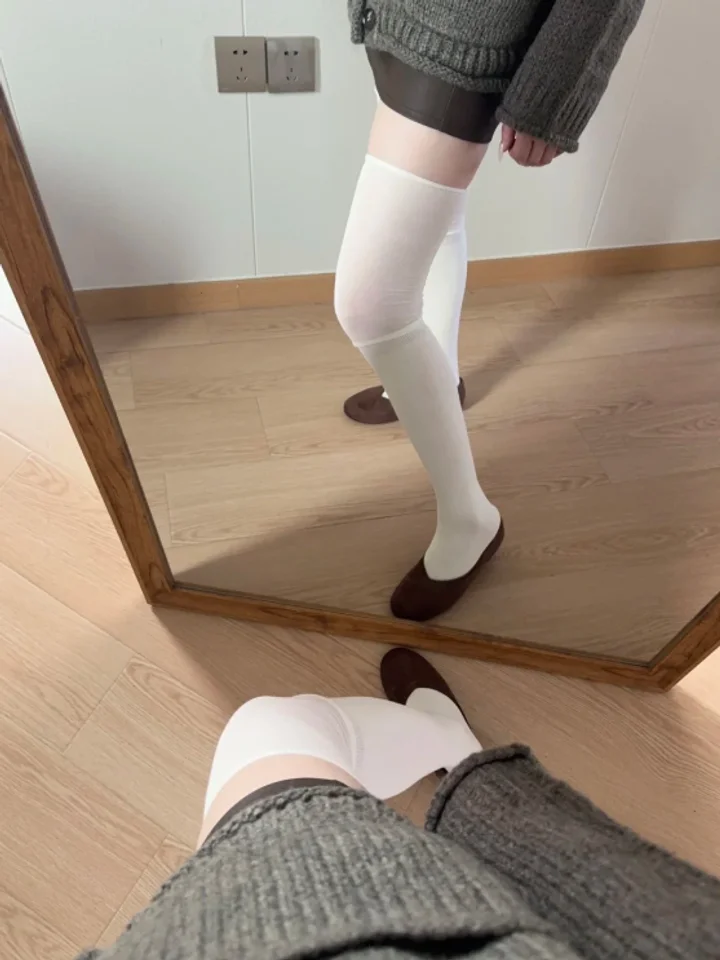
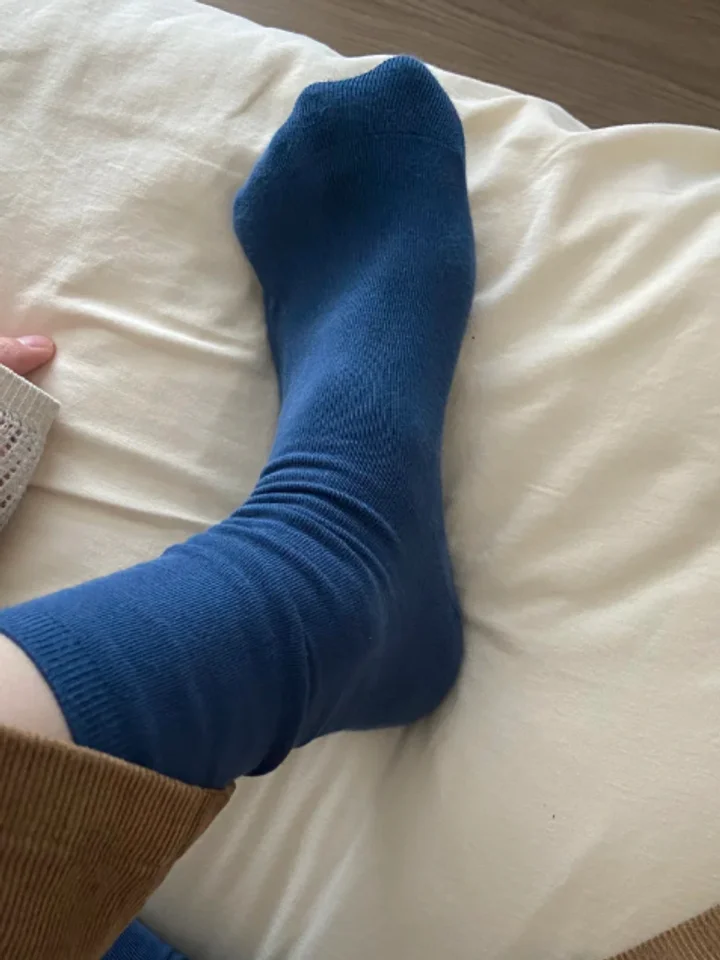
Questions
One hundred pieces per colour is where a sock order starts, and a piece here is a single pair. Each colour carries its own minimum, and sizes do not split it — three sizes of one colour are still one run of a hundred pieces, not three.
Ask about a first run of sizesEvery size is graded against your own chart rather than a stock range. The foot length, the cuff height and the rib depth you want are what the pattern room works to; a sock you already wear is just as useful as a drawing.
See how grading worksA pre-production sample is knitted per style — a sock you can wear and wash, not a flat swatch card — inside a window of 7–10 working days that opens once your tech pack is locked, and 3–5 fit revisions are included in that time. Sampling is US$80–150 per style and is credited against a bulk run over 500 pieces.
Ask what the sample costsThe clock starts on the day the pair you signed is handed to the machines, and a run lands 7–15 working days after that. Adding a colourway later re-enters at knitting on the existing pattern, so the schedule holds.
Ask when knitting would startThe final check runs at AQL 2.5, one carton at a time, measured against the pair you signed off. Catching a size or a shade that has drifted while the goods are still at the machines is the point of checking there instead of at the port.
Read how the mill floor runsTest reports, the fibre composition and the care wording are prepared for the run, and the certificate copy the mill holds is issued with the quote rather than held back until dispatch. Anything an importer needs for their own compliance file can be raised at the RFQ stage.
Ask what documents come with itThey do. The knitted-in logo, the cuff wording, the woven label and the hangtag are all taken from the artwork you supply, and the bag or carton is built to match. Labels are counted on their own threshold rather than inside the sock minimum.
Ask how the label minimum worksSock orders move on DDP, DAP or DPU as the destination allows. Air freight runs 5–7 days and sea 30–45, and whichever term applies sits on its own line of the quote, so the landed figure is clear before the goods move.
Ask which term appliesNext step
The reply sets the yarn, the knitting and the labelling out as separate lines, so a sock range can be costed per pair before a needle moves.