
Workwear & Trades
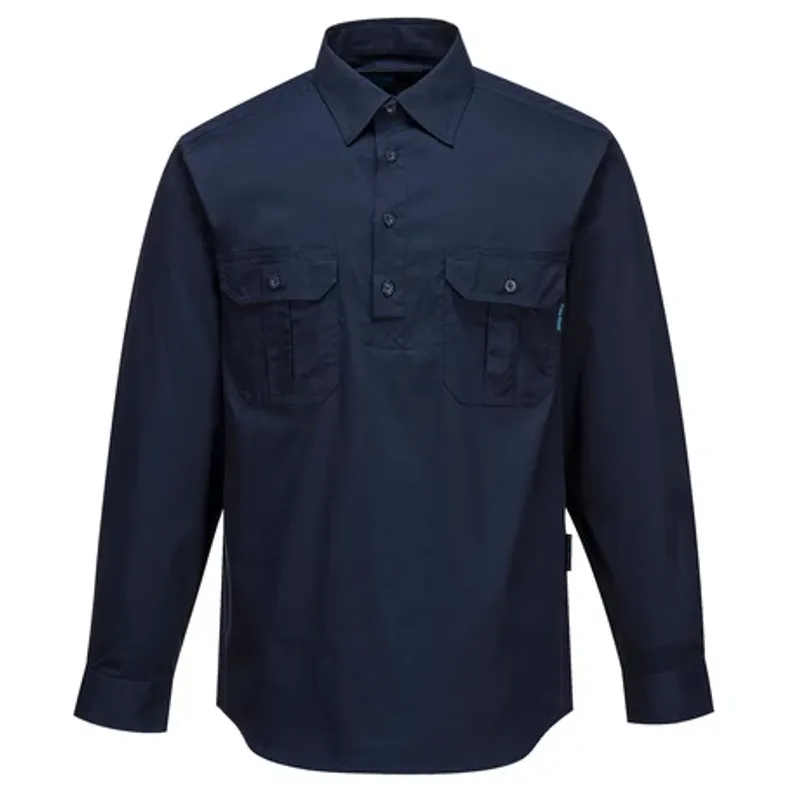
Hard-wearing everyday garments for field, site and workshop crews.
- Riveted stress points and reinforced seams
- Knee, elbow and pocket reinforcement where a job asks for it
- Graded to your own measurements, not to a catalogue range
For multi-site employers, workwear brands & facilities teams
JaceApparel is a cut-and-sew uniform manufacturer for multi-site employers, workwear brands and facilities teams. Every uniform is built from your tech pack, not generic stock patterns, with finished prototypes ready before bulk production. We have delivered 1,200 sets of FR safety uniforms with zero inspection failures, and 680 branded hospitality uniforms with full Pantone colour consistency.
Order facts
Four commercial terms a uniform buyer asks for before any brief goes out.
First-run minimum
100 pcs / colour
Prototype lead time
7–10 working days
Bulk lead time
7–15 working days
Inspection standard
AQL 2.5
Each figure is a term confirmed on the quote rather than a published rate — this site carries no per-piece price.
The categories
The silhouette, the cloth and the trim come off your brief rather than off this grid. Start from the trade the garment is worn in and we will price the pieces your sites actually order.
Hard-wearing everyday garments for field, site and workshop crews.
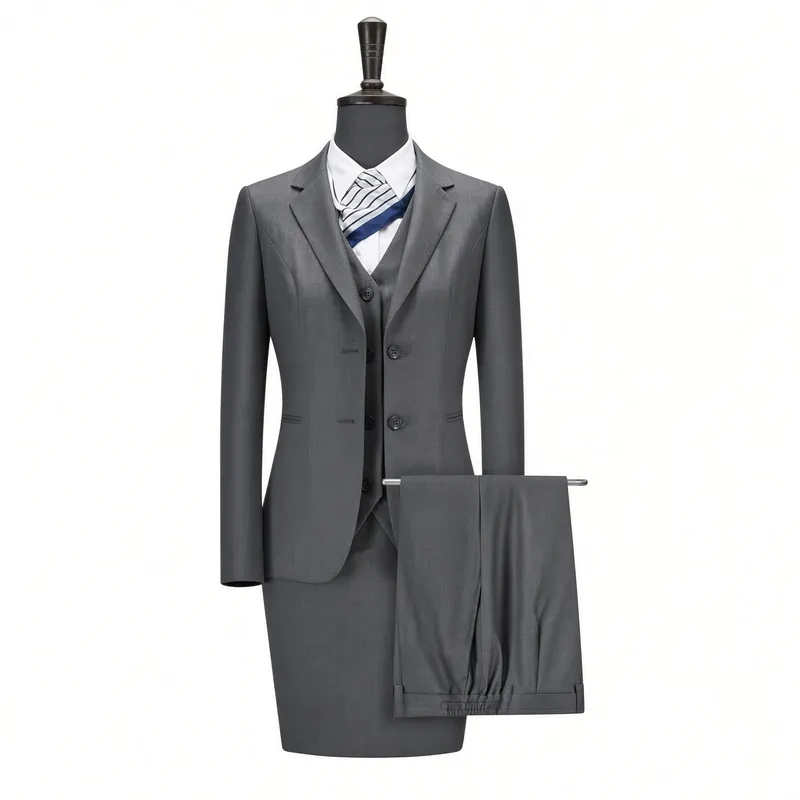
A company look that stays consistent across sites and seasons.
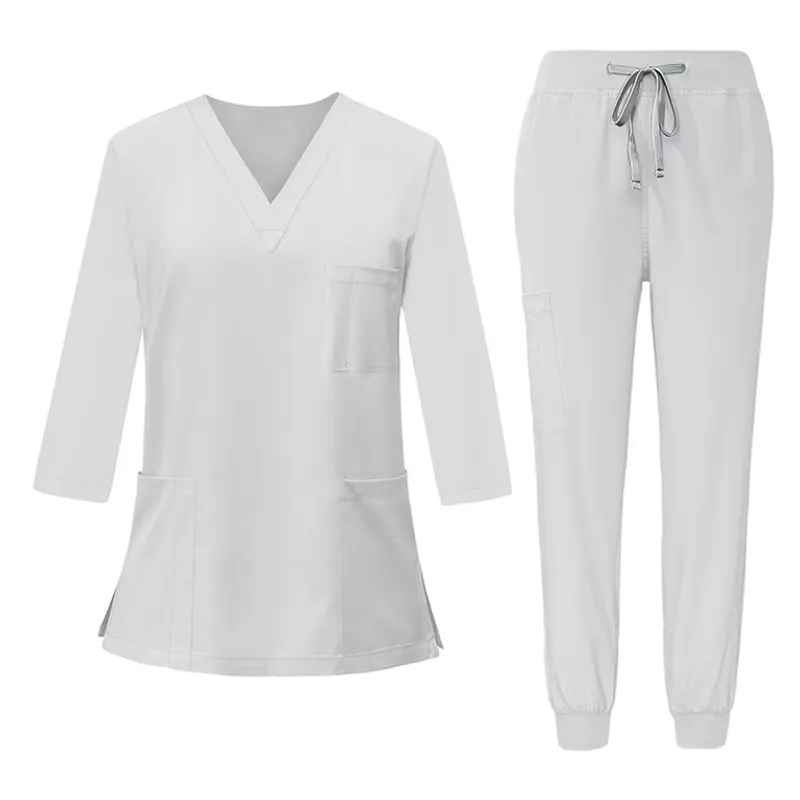
Clinical wear built for repeated laundering rather than a single shift.
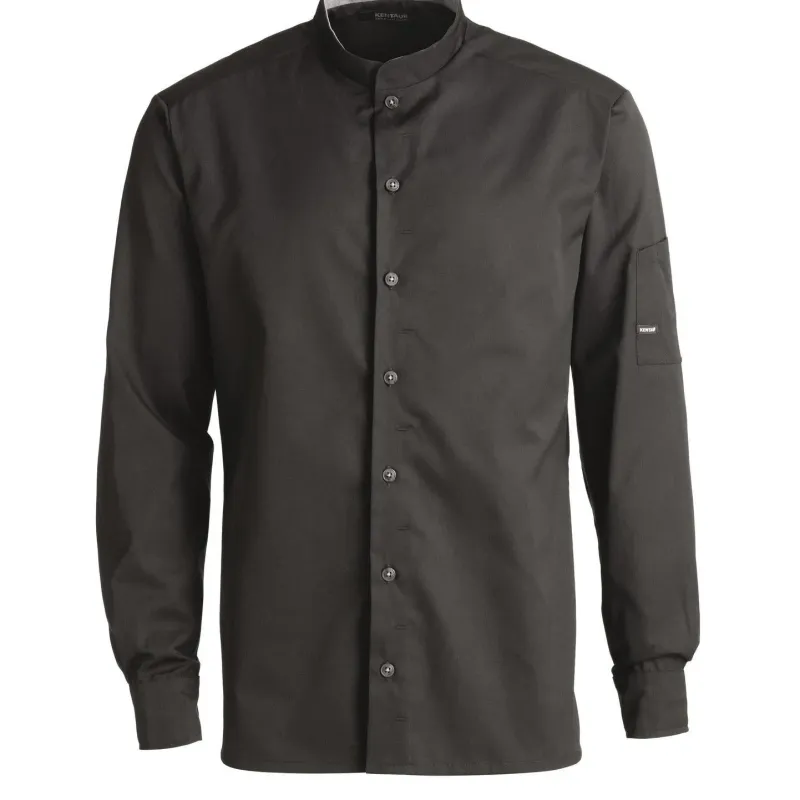
Front-of-house wear that survives a service and still photographs well.
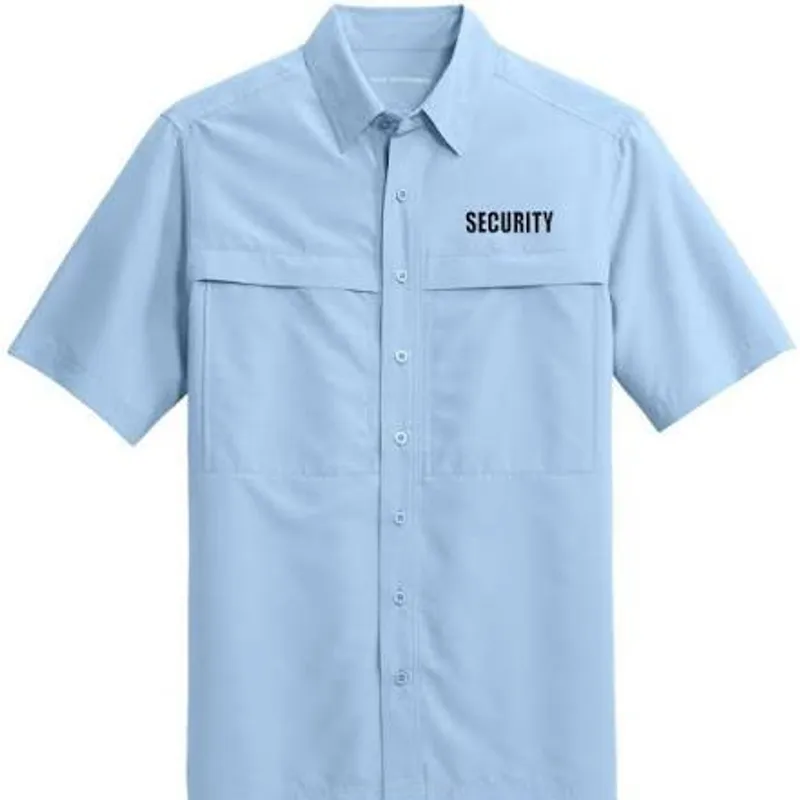
Uniforms read at a distance, with rank and role built into the spec.
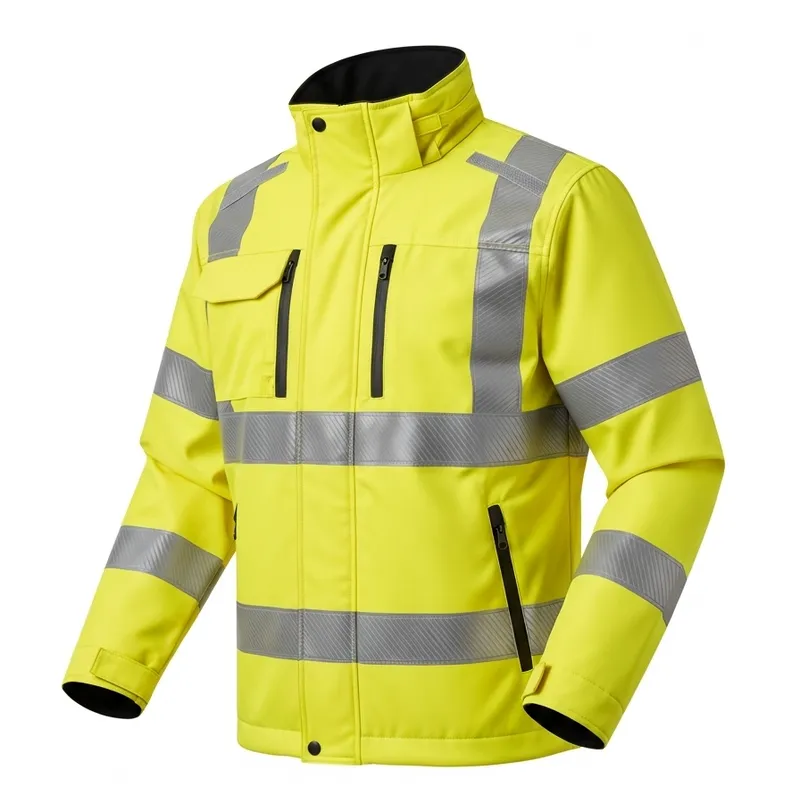
Workwear for people who are seen before they are met.
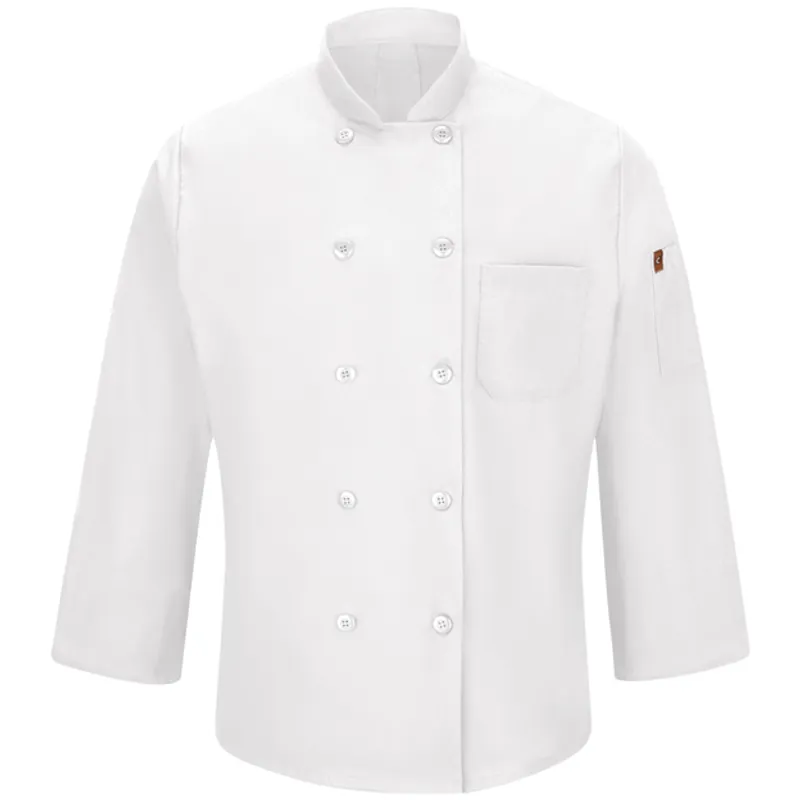
Kitchen wear cut for heat, movement and a long shift.
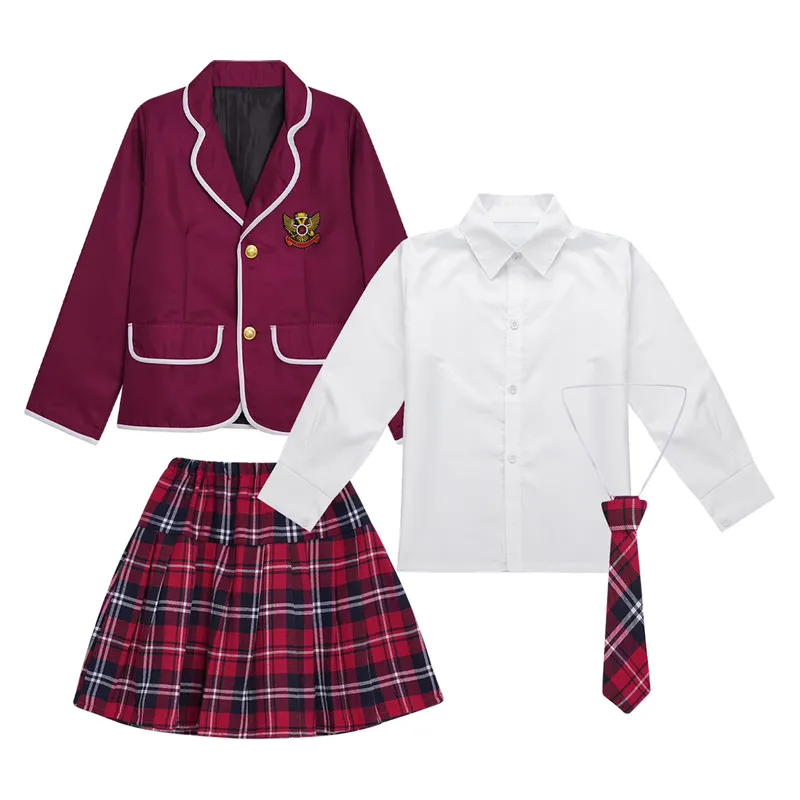
Blazers, jumpers and shirts that hold a house identity for years.
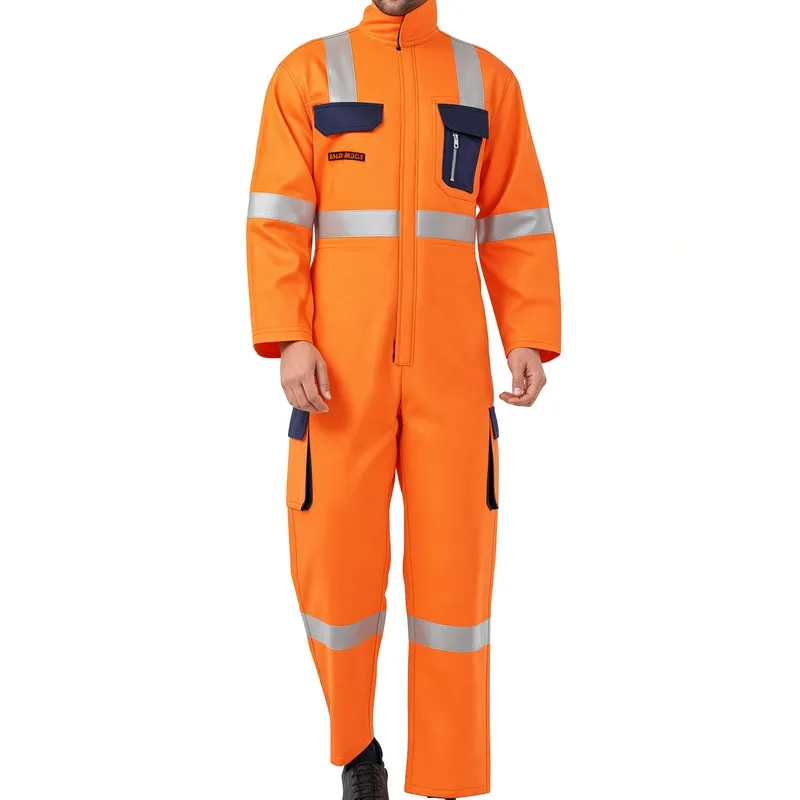
Built for a shift’s worth of movement in a distribution centre.
Nine categories · one pattern process · any of them cut to your own size chart
Cloth library
The cloth decides how the garment wears, how it washes and how it takes a badge. Pick it with the trade it is worn in, then lock the exact weight and finish on the sample.
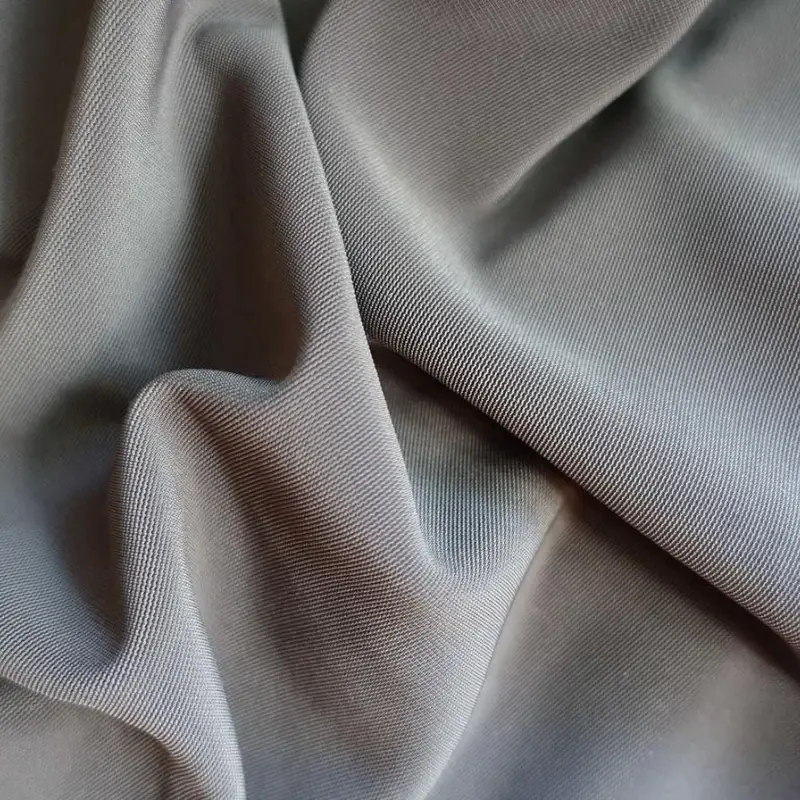
The workhorse of a large uniform programme — it holds a colour, resists creasing and dries quickly after a shift.
Usually quoted forHealthcare · Kitchen · Logistics
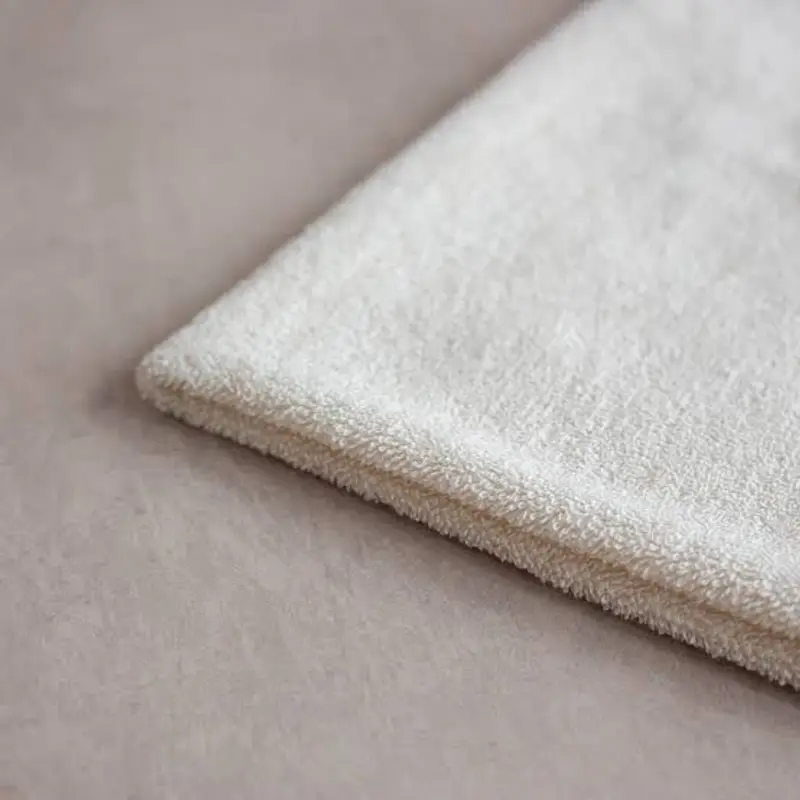
Chosen where a garment is washed often and worn against the skin, and where a print has to sit flat.
Usually quoted forOffice · Hospitality · School
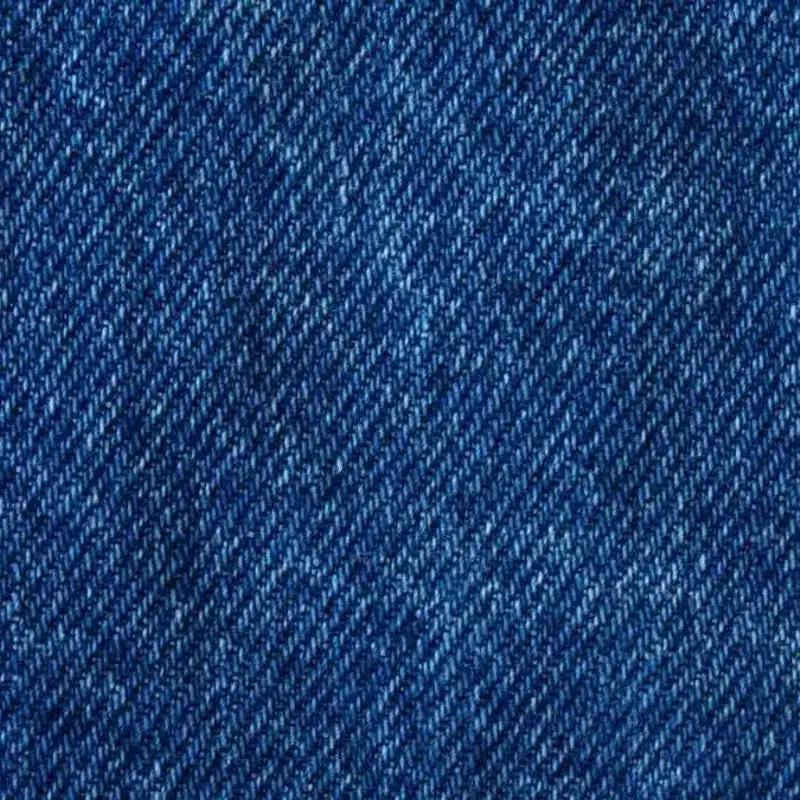
Site and workshop wear, where the cloth has to take abrasion and soften into the wearer over a season.
Usually quoted forTrades · Workshop · Field
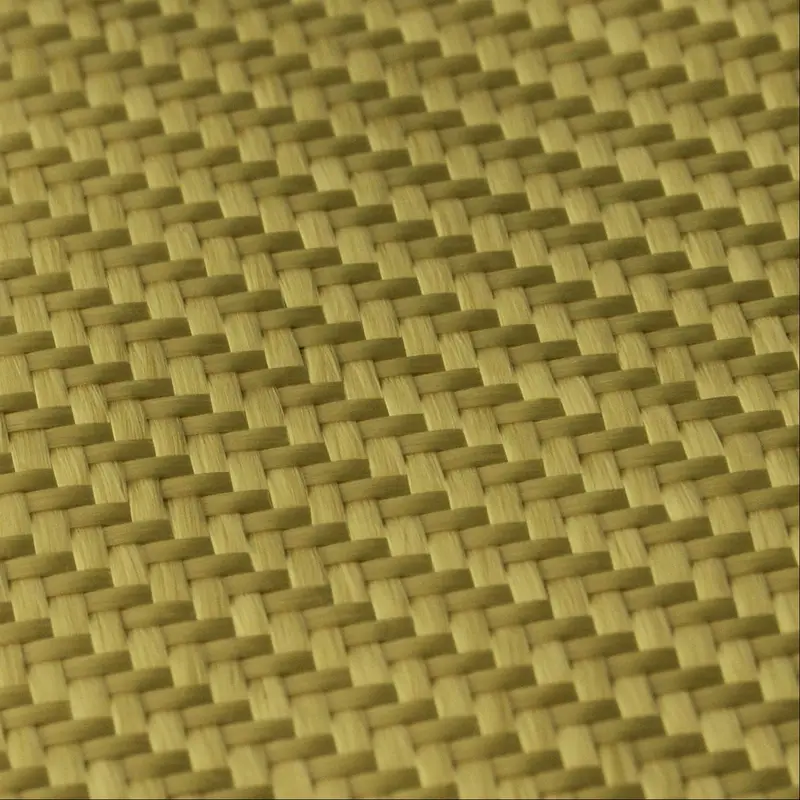
Where a wear point needs more than the base cloth can give, the section is sourced to the brief.
Usually quoted forReinforcement panels · Cuffs · Knees
Lower-impact options
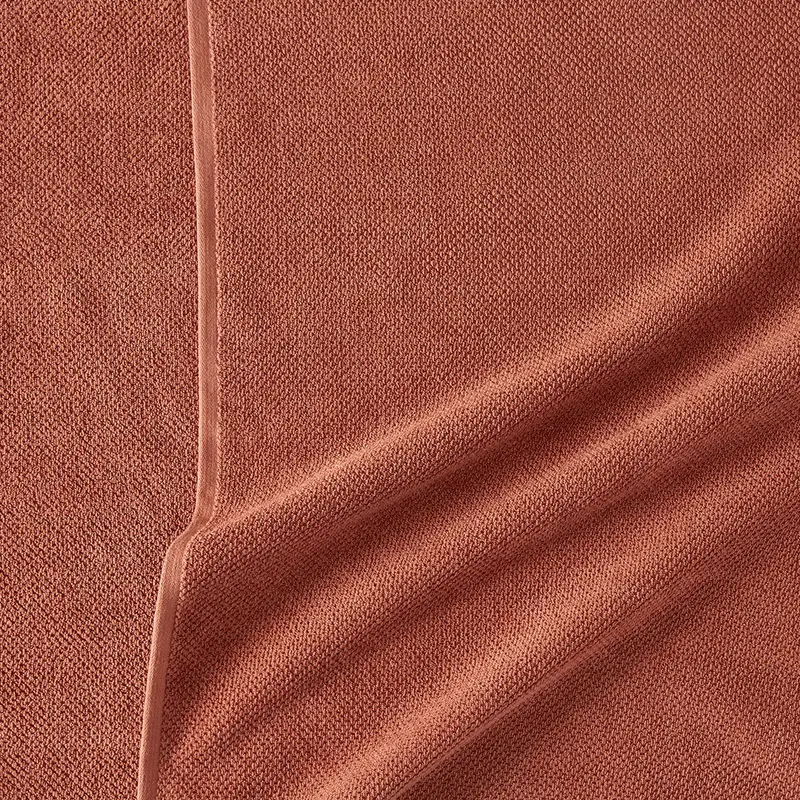
The same hand as conventional cotton, grown without synthetic pesticides and traceable from the field forward.
Usually quoted forClinical · Childcare · Retail
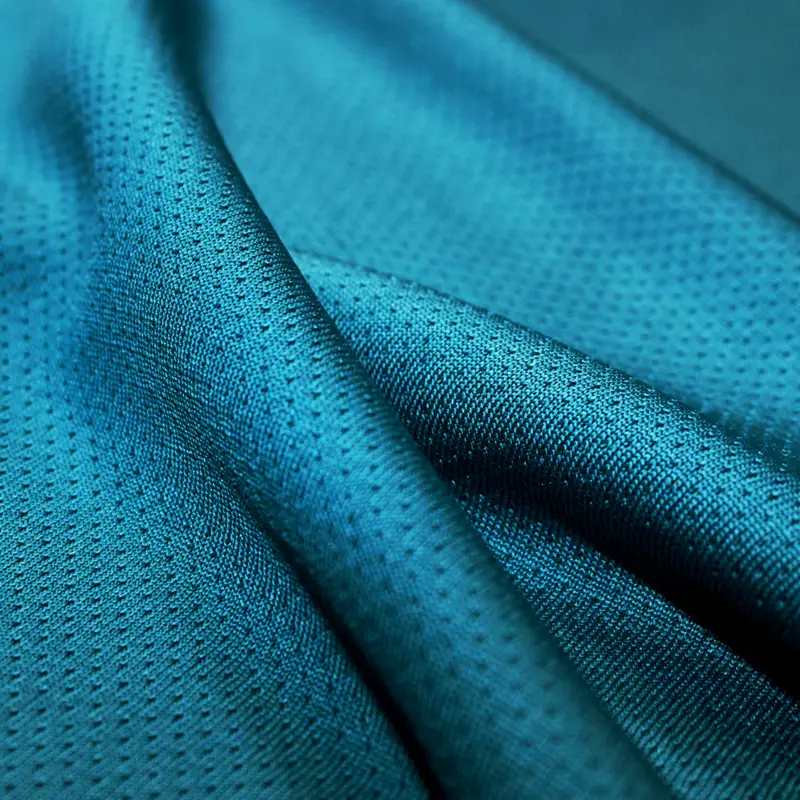
Spun from reclaimed plastic rather than virgin fibre, for a label that has to evidence its recycled content.
Usually quoted forHi-vis · Knitwear · Promotional
Cloth swatches go out before the bulk cut · weight and finish confirmed on the sample
Certified
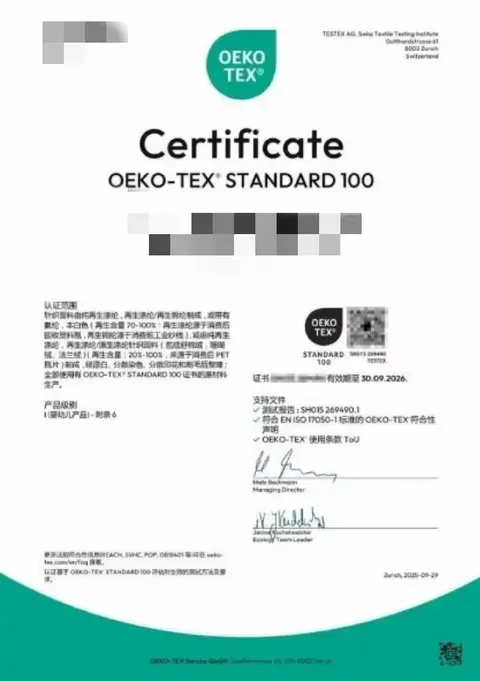
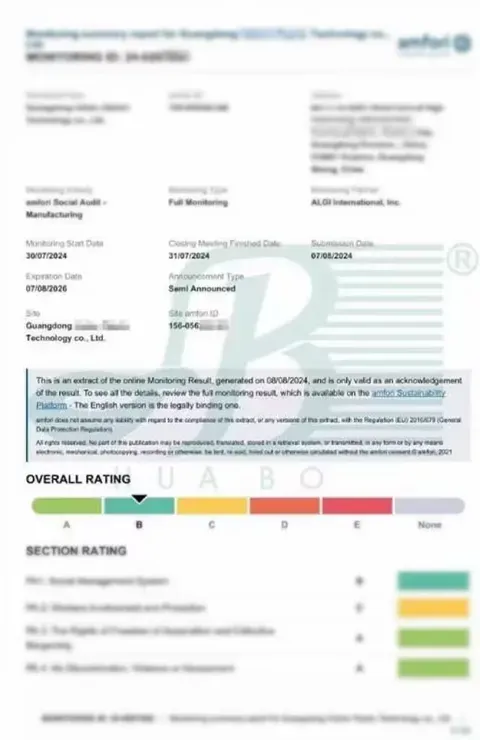
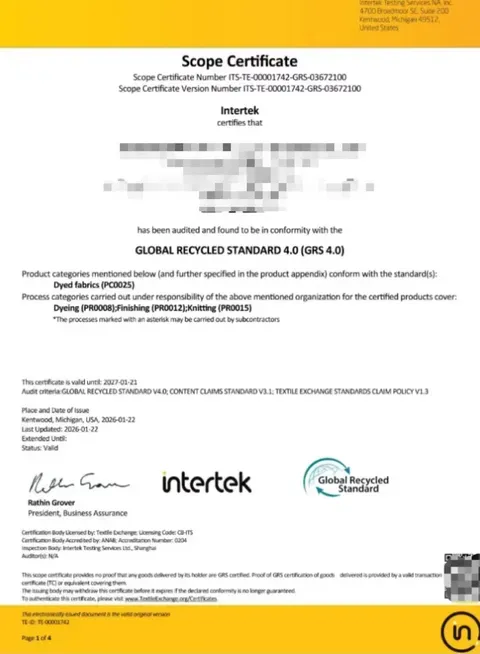
Each one is held by the manufacturing entity rather than by a trading partner, and the certificate copy travels with your quote.
OEKO-TEX 100
The standard for harmful substances in textiles — tested and certified to the manufacturing entity.
BSCI
Business social compliance audit. The people who make your clothes work to a standard a third party checks.
GRS
The recycling standard for fabrics — the recycled content certified through the chain of custody, from fibre to finished cloth.
Settle the spec first
The sample is a separate cost and the bulk clock starts on the day you sign that piece, so nothing in between is left to chance.
Beyond the cloth
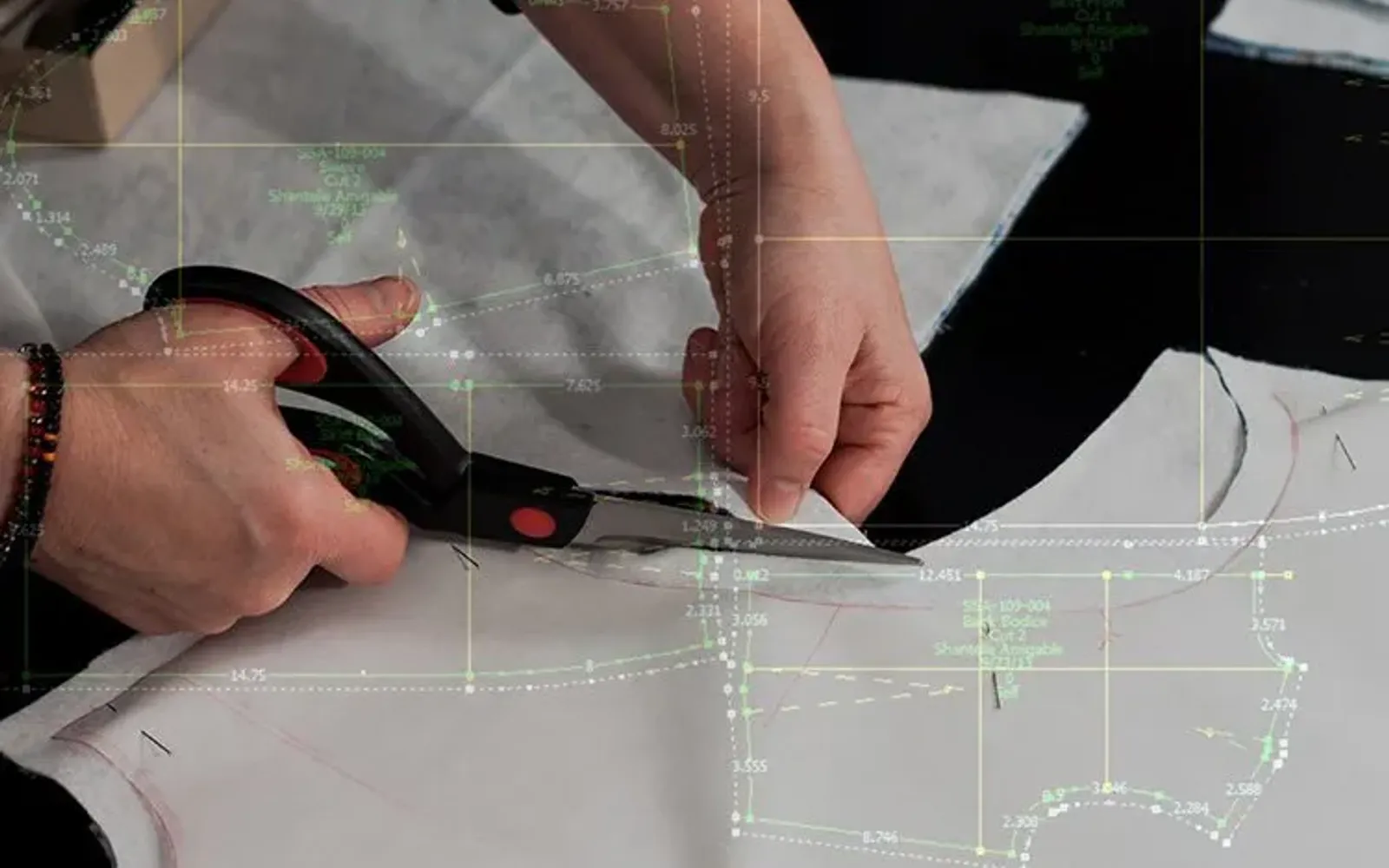
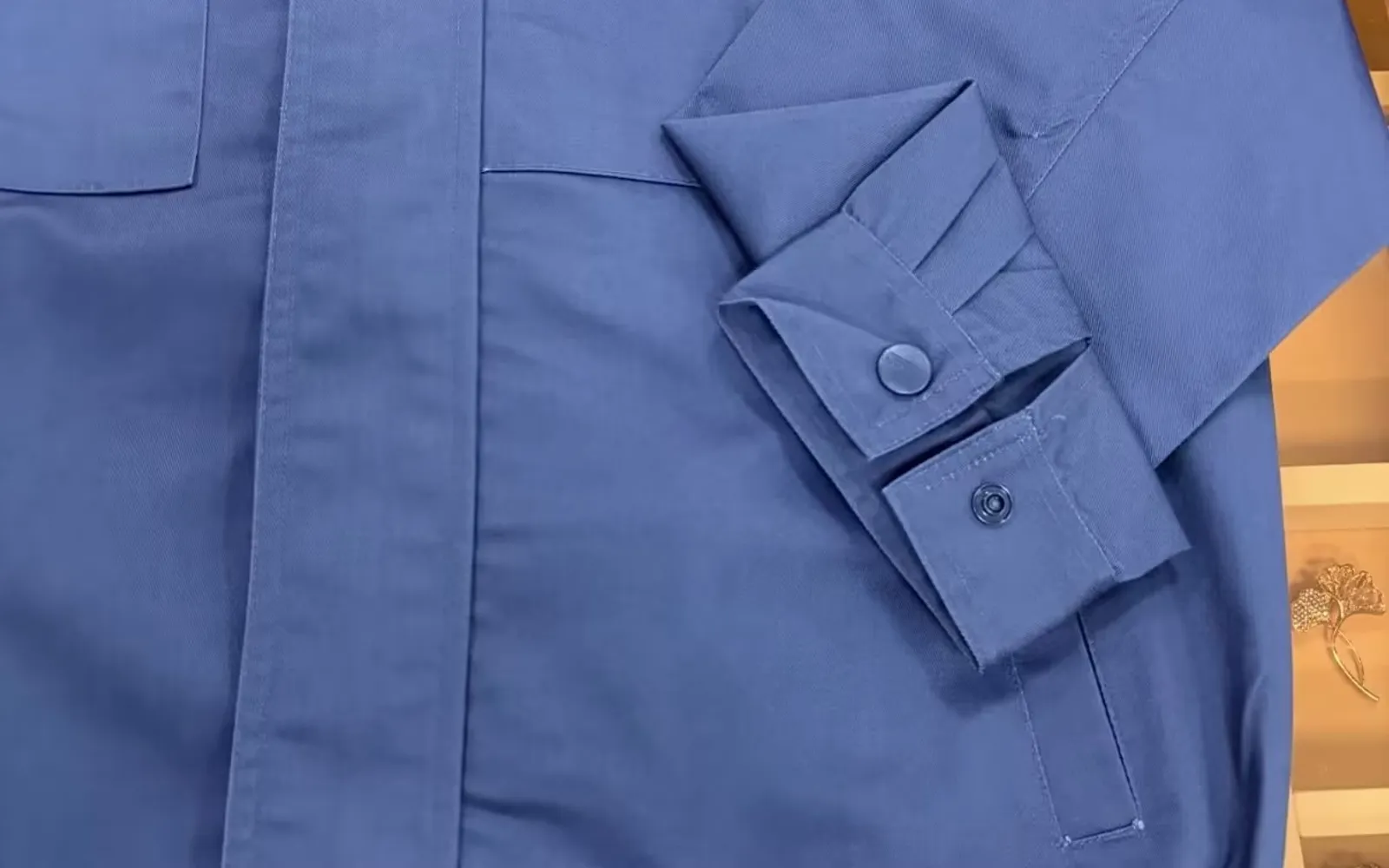
Beyond fabric selection, we provide a full range of uniform customisation and branding services to build your complete branded apparel line. From pattern cutting to final packaging, every detail can be tailored to match your brand identity and industry requirements.
Selected service
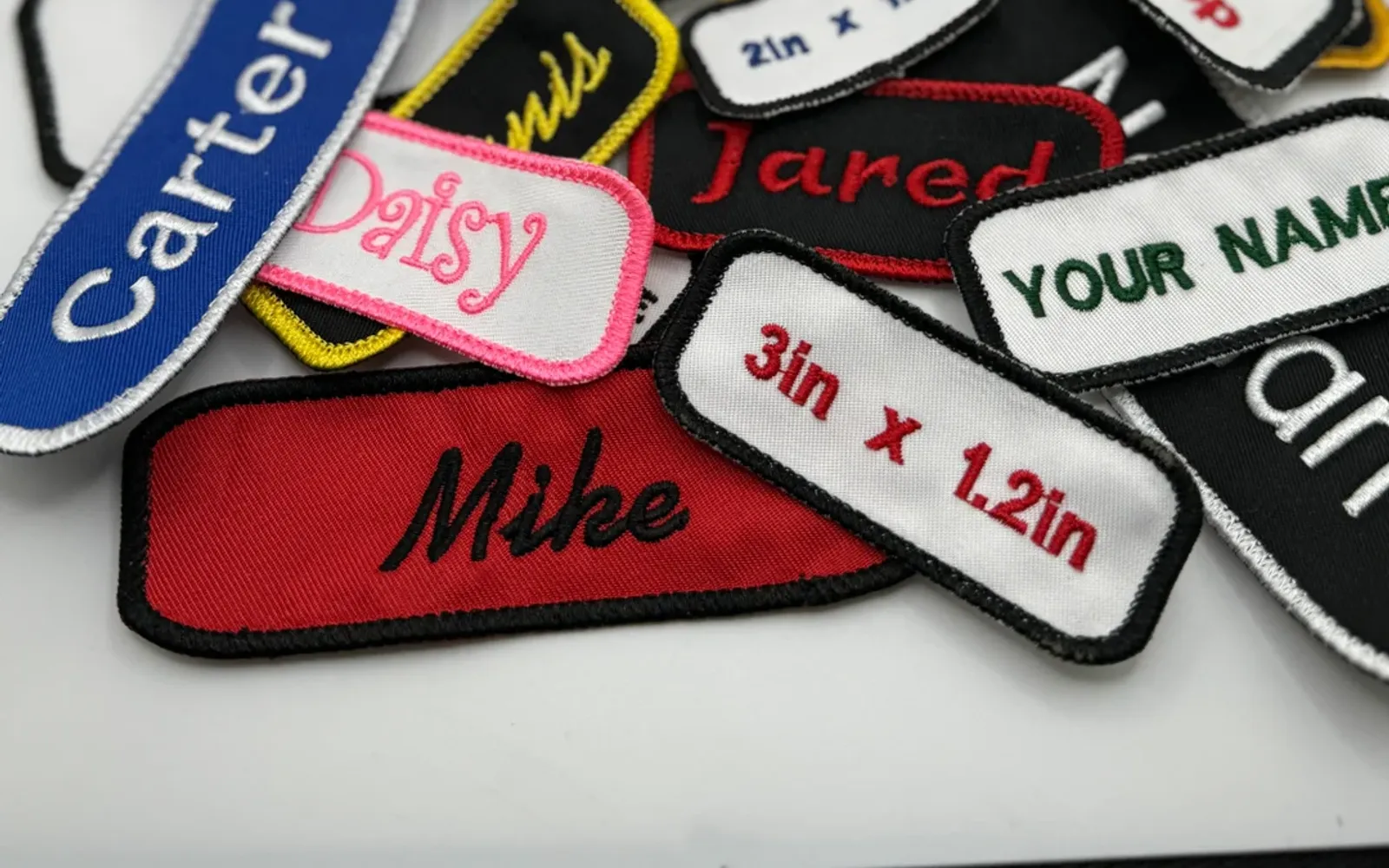
Selected service
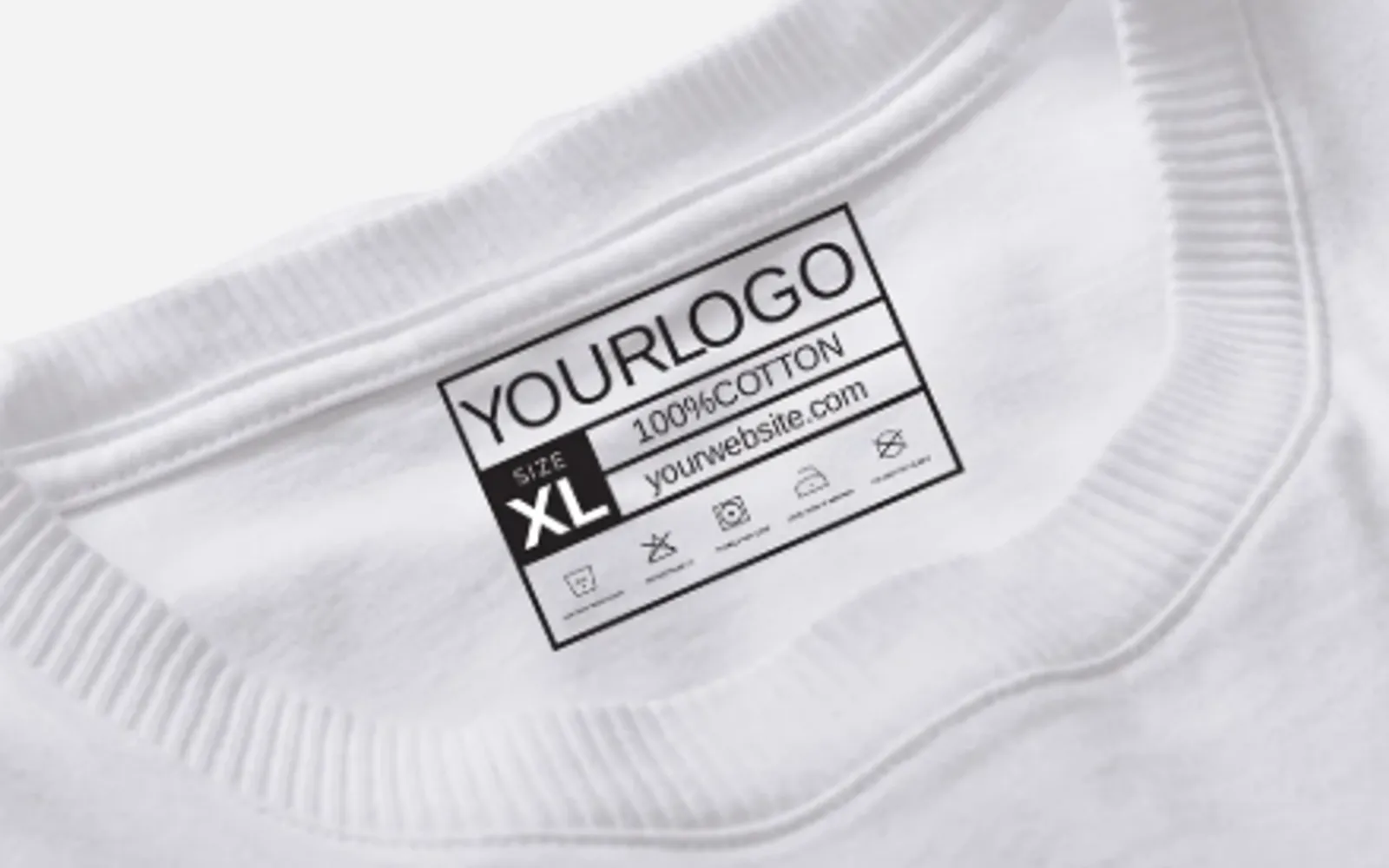
Selected service
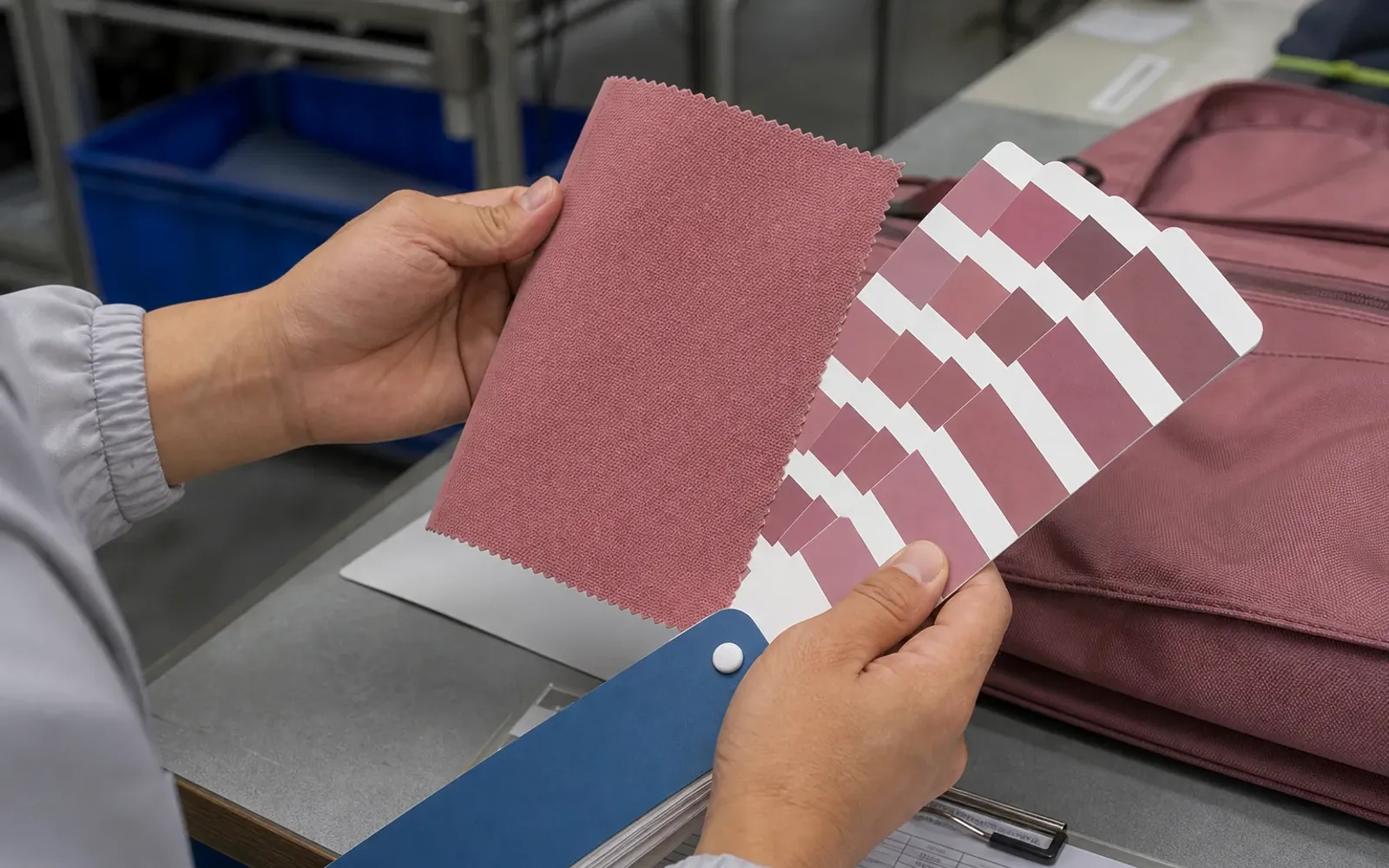
Selected service
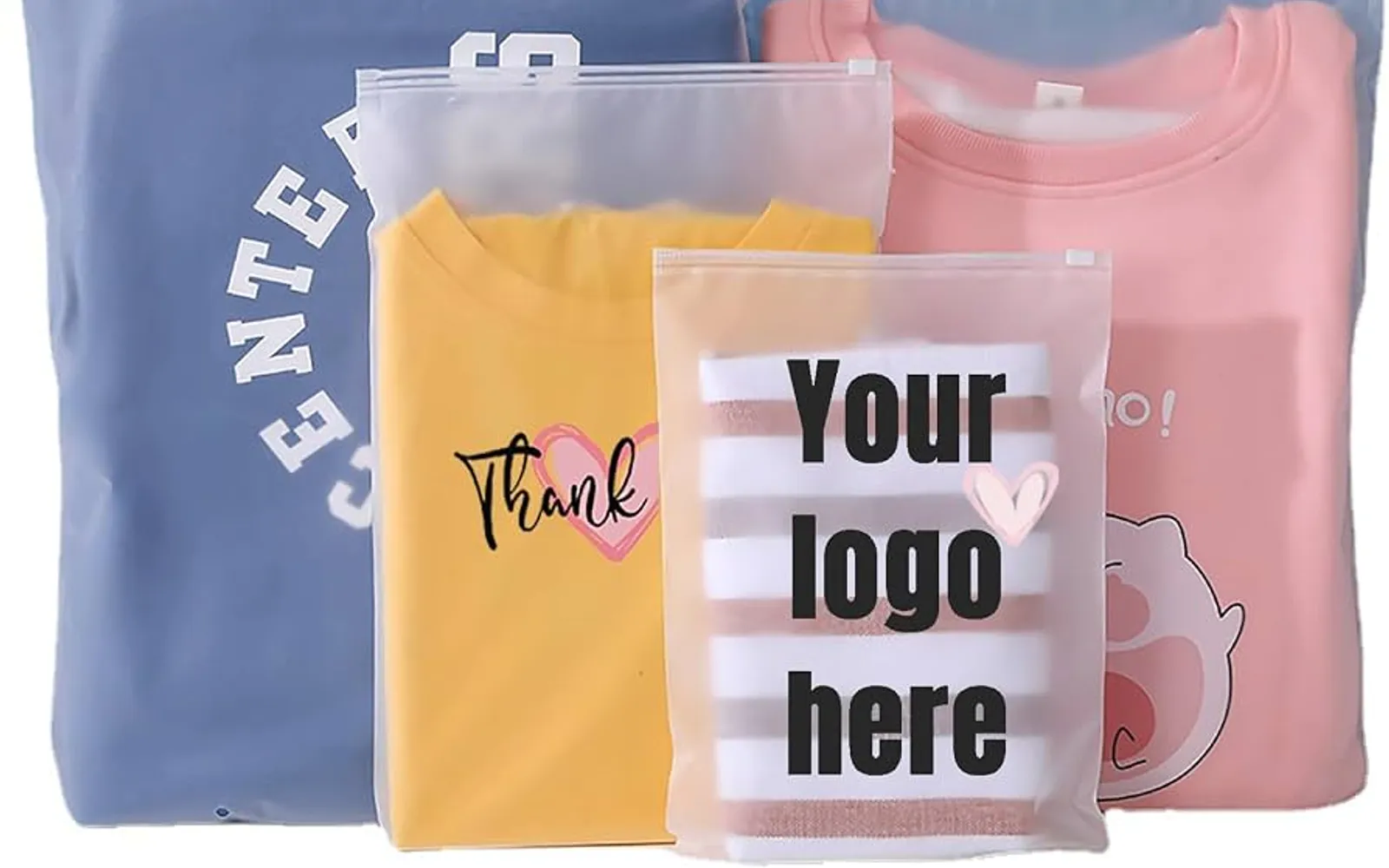
Selected service
Selected service
The process
Each stage closes before the next opens, so a change of spec is caught at the sample rather than halfway through the bulk run.
Tell us the roles, the headcount per site and the quantities per colour, plus anything the workplace does to a garment. That is enough to open a pattern.
Sizes are graded, the cloth is matched to the wear point, and the trims, closures and badge placements are set out in one tech pack. The floor does not cut before that pack is signed.
One sewn garment comes back on its own before any bulk cutting, so the fit and the finish are judged on something that can be put on rather than on a flat drawing.
The piece you approved becomes the reference at the machines. Every panel and every seam is worked to it, so what reaches the carton is what was signed off.
In-line checks run through the bulk, and each carton is opened and held against the approved sample. The standard it is checked to is named on the quote.
Labelling, hangtags and the packing are applied to your instruction, and the order is dispatched to the schedule agreed on the quote.
Start here
A tech pack is the sheet the sample and the bulk run are both built from. Measurements, cloth, trim spec and packing sit on one page, and anything not on it is not assumed.
Client case files
No invented client logos. Two named buyers abroad — what was going wrong, what was done about it, and what the client reported afterwards.
“JaceApparel’s stable quality and transparent production process are impressive. The verified safety fabrics save us huge compliance troubles. Flexible MOQ and strict QC make them our long-term reliable uniform manufacturer partner.”
“Colour accuracy and fabric comfort are the core of hospitality uniforms. JaceApparel perfectly meets our high-standard customisation needs. The premium private label details make our uniform products more competitive in the Australian market.”
Every programme is priced on its own brief — send the roles and the sites, and the reply is dated before any sample is booked.
Send your roles and sitesOn shift





Questions
No — 100 pieces per colour is the floor, and every colour is counted on its own. Sizes do not split that count, so pulling a small, a medium and a large from one colour still adds up to a single 100-piece run.
Check the minimum for your sizesEvery fit is drafted, not adapted. The shoulder, the sleeve length and the pocket line are set from your own drawing or a worn garment you post to us, and a photograph of a uniform you like is usually enough for the pattern room to work from.
See what a custom fit coversA single pre-production sample is made per style — a garment you can wear and launder, not a flat swatch card. Budget 7–10 working days from the day the tech pack is locked, with 3–5 fit revisions inside that window, and US$80–150 per style credited back on a bulk order above 500 pieces.
Ask how sampling is billedCounted from the day the approved piece is signed, bulk runs 7–15 working days. A colourway added afterwards re-enters at cutting on the same pattern rather than resetting the schedule.
Ask when your run would startThe final inspection runs to AQL 2.5, carton by carton, with the approved sample held as the reference each carton is measured against. Being checked on the floor rather than at the port is what catches a short or mismatched carton before it ships.
Read how the factory is set upSettled on the sample rather than on a list. Tell us the trade and the conditions the garment meets — a hot kitchen, a cold store, a site that wears through sleeves — and the cloth is quoted to suit it, with the weight and the finish confirmed on the piece you approve.
Pick a workwear clothThey do, and the packaging goes with them — the woven label, the care label, the hangtag and the bag or carton are all set to your artwork on the tech pack. The woven-label minimum runs on its own separate count rather than folding into the garment minimum.
Ask about woven labelsFreight lands on DDP, DAP or DPU for most destinations, with air at 5–7 days and sea at 30–45. Whichever one applies is itemised separately on the quote, so the landed cost is visible before the run is booked.
Ask about freight termsNext step
What comes back itemises the cloth, the trim and the branding as separate lines, so a programme can be costed per piece before anything is cut.