
| Metric | Detail |
|---|---|
| 300 | Pairs per colour in the first run |
| $45.40 | Landed cost per pair at that volume |
| 0 | Critical defects at release |
The numbers below draw on the order’s quote sheet, the wash-approval swatches and the pre-shipment inspection report.
Ryan T. wanted a new denim style proven on a real production line before Ksubi committed a seasonal buy to it. The brand already knew the category; what it needed was evidence that this wash and silhouette would hold at volume.
Most factories quoted 500 pieces once branded rivets and shanks entered the quote. He asked what 300 would take instead.
JaceApparel built the trial around five gates, ran the same AQL 2.5 inspection that governs a bulk lot, and stopped a wash-shade drift before the batch was released.
In short, the run delivered 300 pairs in one colour at $45.40 landed per pair and cleared the same defect gate as bulk production.
What follows covers the risks behind that price, the five production gates, the line check that caught the drift, and the landed-cost model Ryan used to price the drop.
At a Glance
| Item | Detail |
|---|---|
| Client | Ksubi, an Australian denim and streetwear label (LinkedIn) |
| The buyer | Ryan T., denim buyer at Ksubi |
| The order | 300 pairs in one wash and one colourway, waist 26–42 |
| The minimum | 300 pcs per colour on this hardware package |
| The sample | Quoted per style inside the $80–$150 band, 7–10 working days, 3–5 fit revisions |
| The bulk run | 7–15 working days once the sample is signed off |
| Scope | Tech pack, fabric sourcing, semi-custom hardware, staged wash approval, inline QC, AQL 2.5 pre-shipment |
| The goal | Validate one denim style without sinking cash into unsold stock |
The Challenge
Denim is the category where a wrong call gets expensive. A wash that reads close on a swatch can warm in the drum, and a fit that looks right on a form can shift after the first wash.
Neither shows up until the stock is on a shelf. Ksubi wanted one new style tested before the next seasonal buy, and 300 pairs was the size that made the test payable.
Four risks sat on his side of a 500-piece commitment:
- Cash in stock. 500 pairs at a projected $44 landed ties up roughly $22,000 before a customer sees one.
- Silhouette risk. Rise, leg opening and inseam grading are harder to judge on a screen than a tee graphic.
- Wash risk. Stone and acid effects shift between the approved sample and the bulk lot.
- Calendar risk. A late bulk run pushes the drop past a launch window already sold to customers.
Denim also asks for process the knits do not:
- Heavy fabric is harder to buy in small lots, because mills often quote by the roll.
- Distress placement moves pair to pair unless the floor works from a map.
- Post-wash shrinkage turns a good pre-wash fit into a returns problem.
- Custom rivets, shank buttons and back patches each carry a trim minimum of their own.
Quotes looked clean line by line. The exposure appeared once trim minimums, wash liability, freight and duty were added to the same sheet — the review a founder needs before signing, not after.
The credibility gap ran alongside it. Ryan could not inspect the line himself, and a photo-ready sample proves nothing about the last pair in 300. The decisions a founder makes on the first order are set out in how to start a denim brand, and most of them are made before a factory is chosen.
The question that decides the order. Can you hold 300 pairs per colour to the same wash and QC standard as a bulk lot, without paying for stock you cannot sell?
Our Solution
Five checkpoints shaped the run, all of them at our plant in Xiangyang, Hubei. Each one came before the stage where a fault would become invisible.
Phase 1: One Silhouette, One Written Tech Pack
Ryan narrowed the range to one jean: one rise, one leg opening, one fabric weight, one wash intent. Design sprawl is what makes a small run expensive, because every extra style repeats the sample and setup cost.
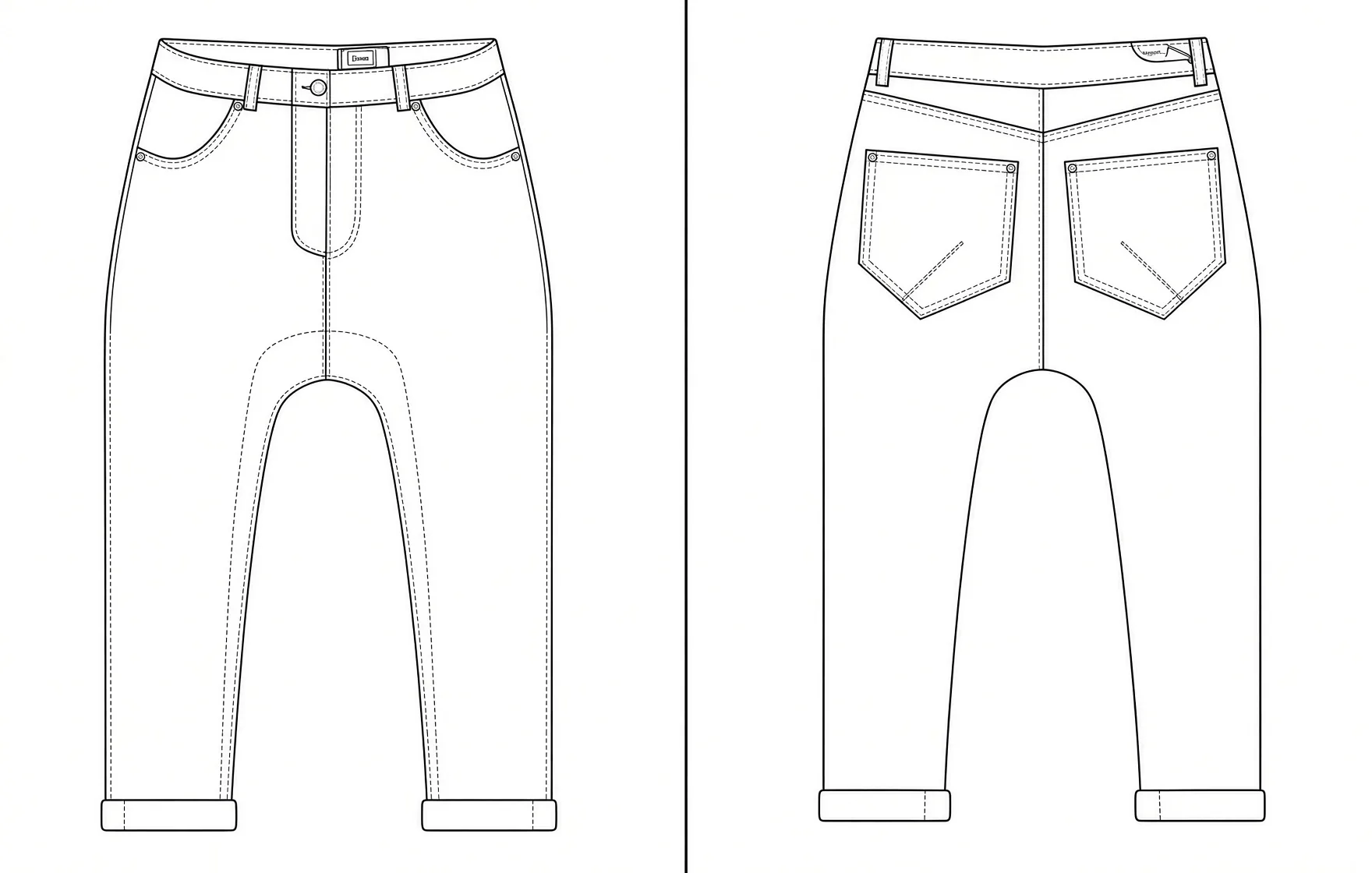
The pack turned intent into a document — measurement chart, seam construction, hardware call-outs, distress map, wash notes, label placement and packing spec. Our custom denim programme starts from that document, not from a mood board.
Phase 2: Fabric Bought at a Feasible Volume
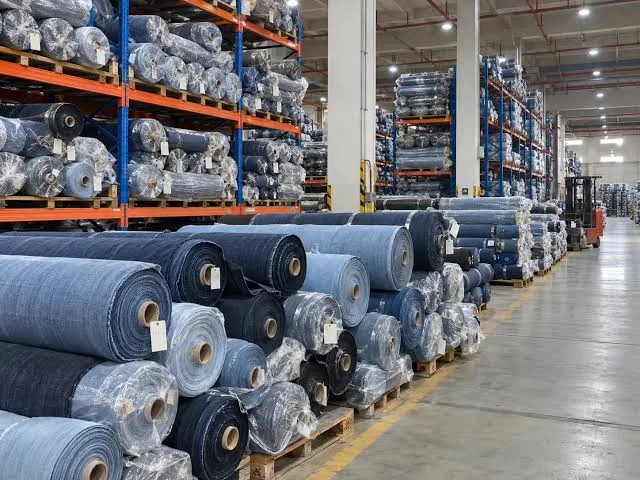
The team matched the style to heavyweight denim that could be bought without committing to a mill’s full roll minimum. Two hundred extra pairs at a lower meter price is not a saving.
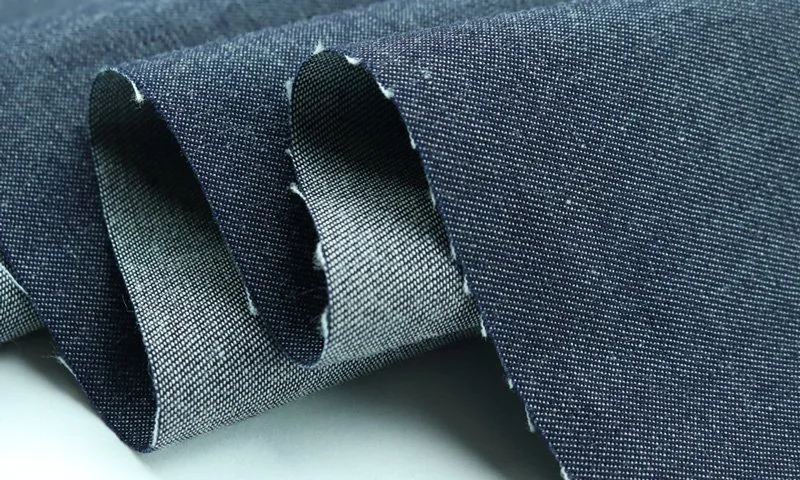
Weight, hand and shrinkage allowance were confirmed against the tech pack before a marker was cut. Fabric flexibility matters more than the lowest price on a first validation run.
Phase 3: Semi-Custom Hardware Instead of a Mold
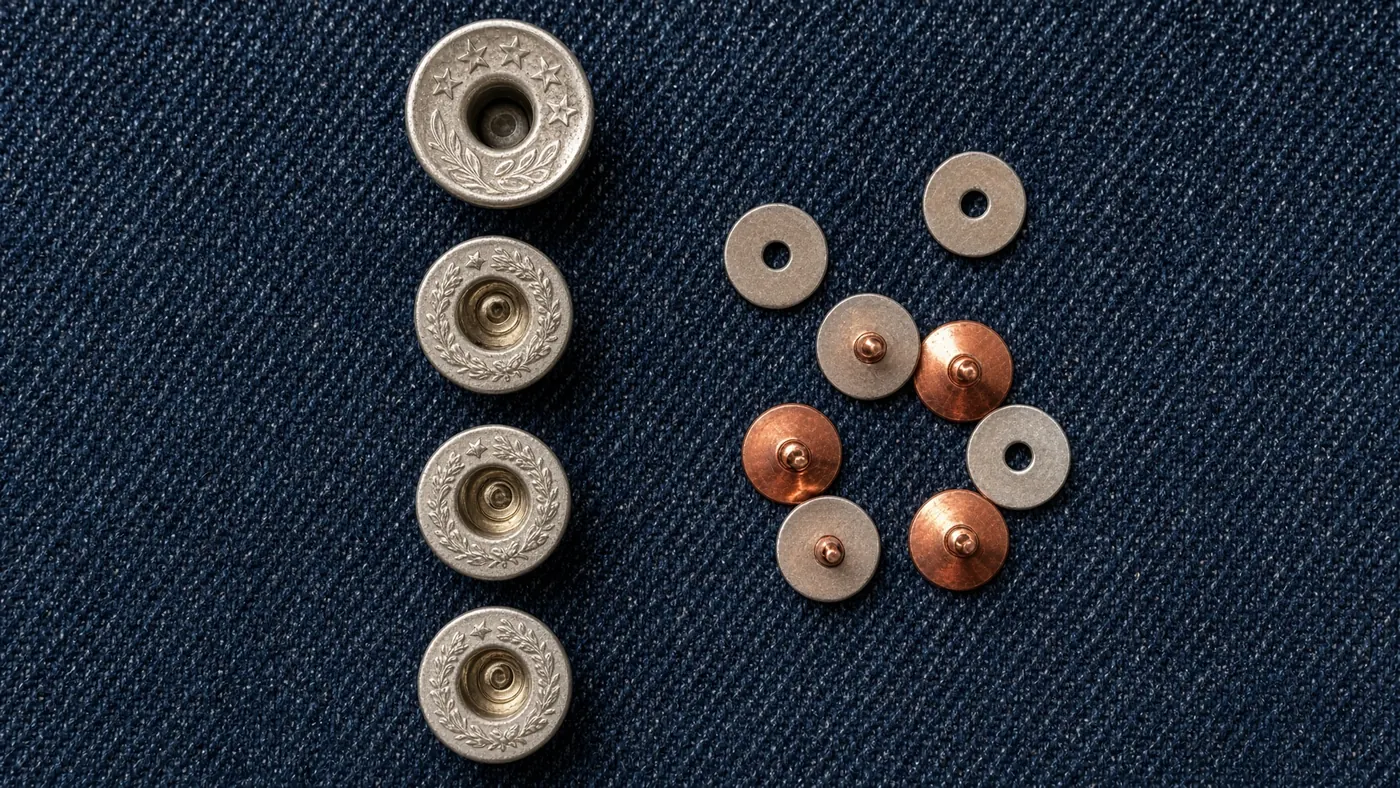
Full custom molds are the wrong spend on a first run. The team kept standard hardware bodies and built identity from laser engraving, cap swaps, finish and emboss depth, with a branded back patch carrying the rest.
Two decisions kept the trim order small:
- Specs were consolidated across the wash variants, so one setup served the run.
- Approval samples came before the bulk trim purchase, so a plating change cost nothing.
For non-denim pieces in the same range, custom embroidery adds brand detail without tooling.
Phase 4: Wash Approval in Stages
The wash house worked from reference images and tolerance notes: trial swatches first, then a full sample for shade, cast, abrasion and hand.
Cast is the underlying colour tone; crocking is colour rub-off. Both were judged under daylight rather than factory light, because the two disagree. Distress placement and whisker aggression were revised before release.
That is the same discipline behind routine apparel colour matching, applied once drums and chemistry enter the process.
Shrinkage also went to the lab against AATCC test methods before bulk approval, since a washed pair has to measure to spec after it leaves the drum.
Phase 5: Bulk-Grade QC on 300 Pieces
The trial ran the same gate as a bulk lot, not a lighter version of it. Inline checks covered seam alignment, bar-tack consistency, hardware pull strength, distress consistency, wash-lot shade and post-wash measurements.
At 300 pieces, a single bad pair is one in 300, so the run still leaves little room to hide a defect. Sample size and accept numbers appear in the AQL chart guide.
The Line Check Before Release
Our QA manager, Jingjing Lu, walked the line before anything shipped. She checked seams against the tech pack by hand, watched the drums load, and pulled shank buttons and rivets at the trim station.
At the wash floor, the shade comparison found the drift. The wash house had added four minutes to the stone-wash cycle, and the cast had warmed past the approved swatch.
“The shade looked close under factory light,” she said, “but the cast drifted under daylight.”
Two swatches went back to the wash house. The cycle returned to the approved recipe and a new swatch was signed off before release. That is the failure a final inspection cannot catch: by packing, a warmed cast is already in every pair.
The layered inspection routine behind each stop is laid out under factory quality control.
What the 300-Piece Run Cost
This is the number that decided the drop. Per pair, in USD:
| Cost line | At 300 pairs |
|---|---|
| Prototyping and sampling, $650 one-time | $2.17 |
| Pattern, grading and setup, $350 one-time | $1.17 |
| Heavyweight denim, small-lot buy | $10.86 |
| Trims and semi-custom hardware | $5.80 |
| Washing and finishing surcharge | $6.10 |
| Cut-make-trim labour | $8.50 |
| Labelling and packing | $2.40 |
| Cross-border freight, express | $4.80 |
| Duties, customs and clearance | $3.60 |
| Landed cost per pair | $45.40 |
Sampling sat inside the published $80–$150 per-style range. Four rounds, including the trim mock-ups, brought the one-time total to $650, spread across 300 pairs here. The sampling credit applies from 500 pieces, so the fee stayed in this cost.
Pattern and grading sat in a separate line because they are paid once and reused on later styles.
Two lines still carry the small-lot penalty. The denim was bought in a smaller lot than a 500-piece run allows, and the wash load ran short of the volume a drum is priced for. Both costs fall on the next volume step, once the style sells.
Those lines are the volume discount a bigger buy earns, not a fee charged for ordering small.
Against a $148 retail price, $45.40 leaves 69% gross margin before marketing. Across a $138–$158 retail window, margin runs 67–71%. At 2× landed cost, roughly $91, the pair breaks even wholesale.
Cash exposure is the point. $13,620 sat in 300 pairs. At 500 pieces the commitment would have been about $22,000 — 1.6 times the money on a style that had not sold yet.
Which costs amortise and which repeat on the next order is worked through in our costing guide. Packing stayed inside the standard clothing packaging spec: polybag, hang tag and carton mark.
Results
The run shipped 300 pairs in one colourway and one wash, across waist 26–42.
| Result | Detail |
|---|---|
| Pairs shipped | 300, one colour |
| Sampling | Four rounds inside the $80–$150 per-style band, 7–10 working days each |
| Wash approval | Trial swatch, full sample, then a released bulk recipe |
| Release gate | Random sample under AQL 2.5 before cartons close; critical defects at zero tolerance |
| Critical defects | None at release |
| Landed cost | $45.40 per pair |
| Gross margin at $148 retail | 69% before marketing |
Inspection followed ISO 2859-1 at general inspection level II. The 300-pair lot drew 50 pieces, with majors accepting at three and rejecting at four.
Post-wash measurement carried the most weight. Denim that measures true before washing and shrinks past tolerance afterward comes back as a refund, not a factory defect.
No critical defect reached the batch, and the warm-cast lot never shipped. The washed pairs went out within the agreed window.
Who This Order Model Suits
The structure suits labels that:
- Sell denim as a signature category, not a fill-in line.
- Want wash and hardware detail without a tooling invoice.
- Fund inventory from sales rather than from a loan.
- Test styles on a quarterly cadence.
- Need inspection records they can forward to a stockist.
Garments beyond denim can follow the same route through small-batch cut and sew.
Vetting a 300-Piece Denim Run
Questions worth settling before the purchase order:
- Which wash standard the factory signs off, and on a swatch or a full sample.
- Whether the trim quote includes setup, molds and plating changes.
- How shrinkage is tested after washing, and to what tolerance.
- What the pre-shipment sample size is at your lot size, and the accept number.
- Where the one-time costs stop and where a reorder restarts them.
- If private-label tags and care marks sit inside the same minimum or are billed separately.
Branded hardware sets the threshold at 300 pieces per colour; the standard denim programme starts at 100. When a style and a wash recipe are already drafted, send both to our team and we will say which parts of the spec the first run can confirm.