| Metric | Detail |
|---|---|
| 100 | Units in the test drop |
| 7–10 | Working days from a locked tech pack to a sample |
| $0 | Extra fees on embroidery artwork revisions |
Figures come from the order’s quote sheet, sampling log and pre-shipment inspection report.
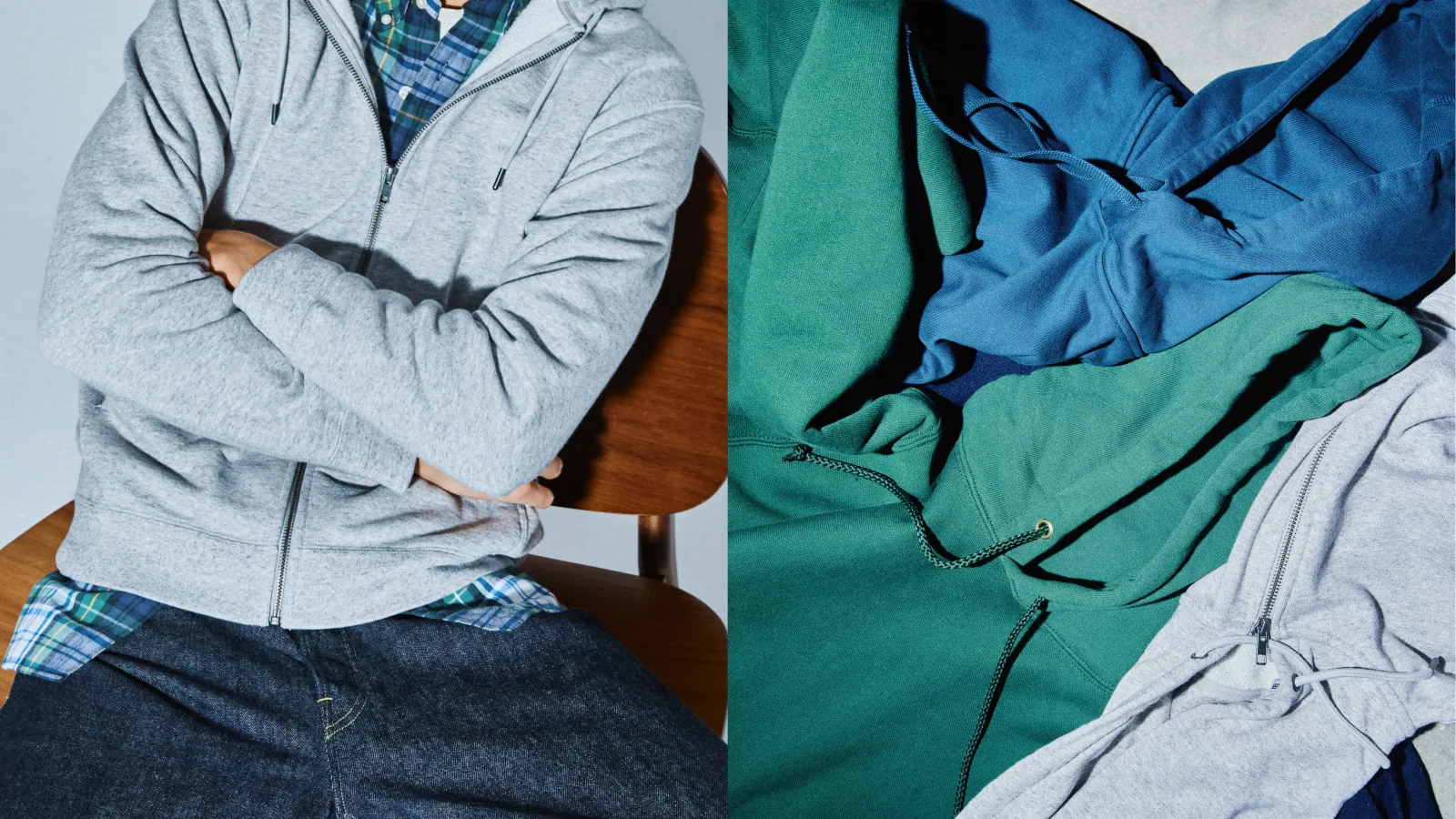
Urban Thread Apparel wanted a read on demand before it put cash behind a heavyweight hoodie. Mia Carter, the founder, asked for 100 units. The first quotes came back at 500 per colour.
The gap was not the design. Supplier systems are built for volume, paid artwork changes and one inspection at the end, and a test drop asks for the opposite on all three.
In short, the run took 100 pieces from tech pack to sample in 7–10 working days, carried no extra artwork fees, and landed at about $24 a unit.
What follows covers the costs behind a 500-unit commitment, the order built into an existing fabric buy, the sample loop, and where the landed cost finished.
At a Glance
| Item | Detail |
|---|---|
| Brand | Urban Thread Apparel, a DTC streetwear label |
| The order | A 100-piece test drop in one core colour, S to XL |
| The minimum | 100 pcs per colour, with trims bundled into the same purchase order |
| The sample | $120 for the style, 7–10 working days, 3–5 fit revisions inside that window |
| The bulk run | 7–15 working days once the sample is approved |
| Scope | Fabric selection, embroidery sampling, inline QC, AQL 2.5 final inspection, DDP freight |
| The goal | A sellable test run that would not strand cash in unvalidated stock |
The Challenge
Four costs sat on the founder’s side of a 500-unit commitment:
- Dead stock. Unsold sizes and slow colourways end up in a garage rather than on a shop floor.
- Booked dates. The drop date, the creator partners and the content plan were already fixed, so late stock had nothing to sell against.
- Artwork rework. Several quotes priced each embroidery tweak as its own billable revision, before a single bulk unit shipped.
- Return risk. Fit, shade or stitch density that drifts between sample and bulk drives refunds and one-star reviews.
At $18–$20 landed per unit, 500 pieces ties up roughly $9,000–$10,000 in inventory nobody has bought yet. Two sampling rounds at $80–$150 a style add to that before the first sellable garment exists.
The pre-production choices carried their own friction. Brushed fleece and French terry differ in warmth, drape and cost, which changes how the hoodie hangs on a body. High-GSM cotton carries shrinkage risk, so the wash test matters more than the swatch. Fabric types explain that gap in more detail.
Custom dyeing was the harder line. A 500-metre minimum ruled out two colourways at this volume, and a near-stock substitute would fix the shade before the design was settled.
Then the tech pack. Clean artwork does not prove the floor will hold stitch density or panel alignment across a run.
At the final table, an AQL 2.5 pass covers the sample it draws; it says nothing about the pieces sewn on Monday when the inspection happens on Friday. Jingjing Lu, our QA manager, puts it plainly: “A pass on Friday tells you nothing about Monday.”
What the brief really asked for. None of these was a design problem. Each was a decision that had to be settled before cloth was cut, and each grew more expensive once it was not.
Our Solution
The order was built backwards from the factory calendar rather than forwards from the sketch. Six choices carried it:
- Colour narrowed to one core. Two shades would have split 100 pieces into two minimums and doubled the inventory bet.
- Trims rode a single purchase order. Drawcords, eyelets and woven labels went in together, so no trim carried a minimum of its own.
- Fabric came off an existing programme. A near-stock heavy blend avoided the 500-metre dye minimum entirely.
- Density, edge and placement stayed inside the sample fee. Artwork changes were treated as part of the sample loop, not billable rework.
- The approved sample became a written SOP. Stitch counts, placement and measurement checks reached the line as numbers.
- Inline checks ran ahead of the final gate. Drift surfaced at 20%, 50% and 80% rather than at the inspection table.
Each concession had a price: a slightly longer trim lead time, and thread colours from the factory’s existing library instead of a custom Pantone match. Neither touched the garment a customer would wear.
Building a 100-Unit Order Into a Volume Schedule
Low minimums come from scheduling, not from a discount. The 100 pieces were placed at a facility already running similar streetwear weights, in a slower week rather than against a production stop.
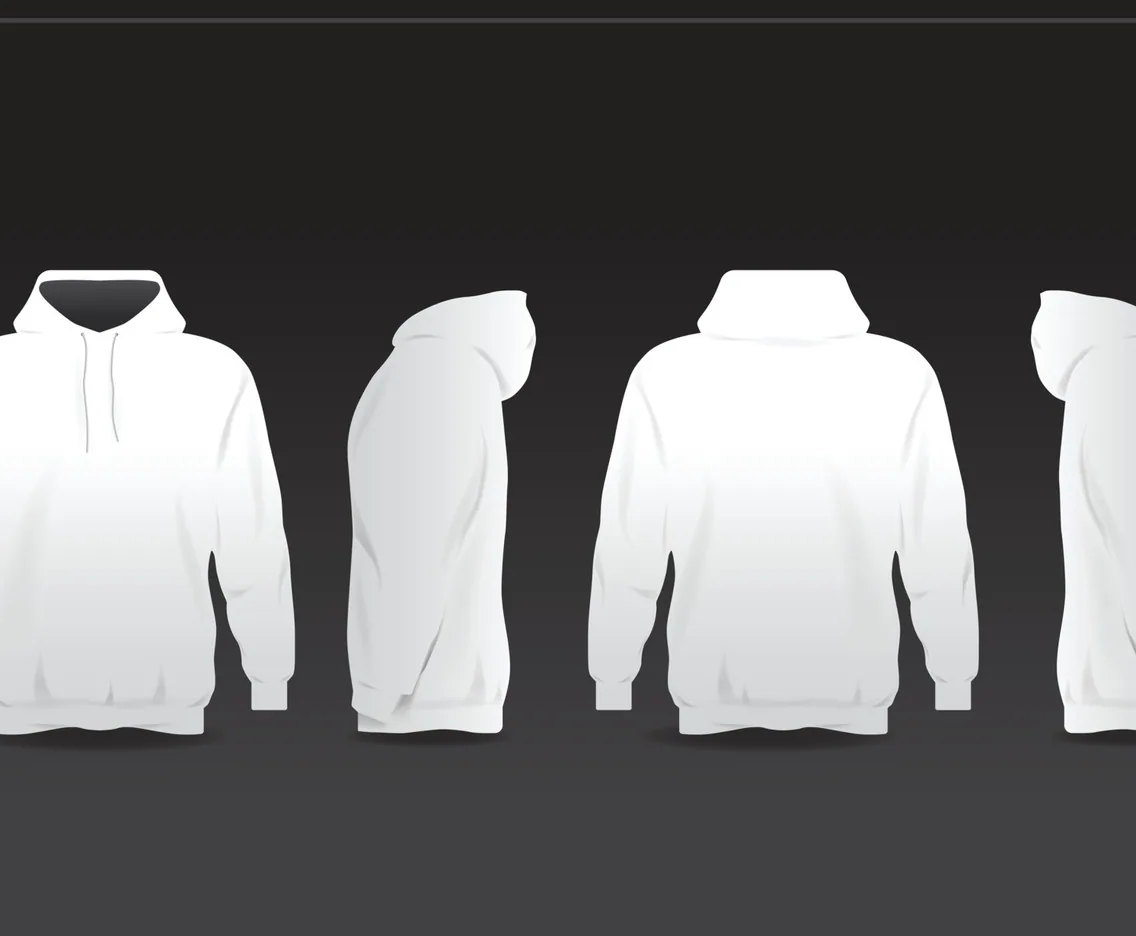
The marker was nested for the split the brand actually wanted: a 1-2-2-1 run across S to XL, so each pass through the cutter produced one small, two medium, two large and one extra large. That ratio is what kept the cut efficient at a volume the line would normally skip.
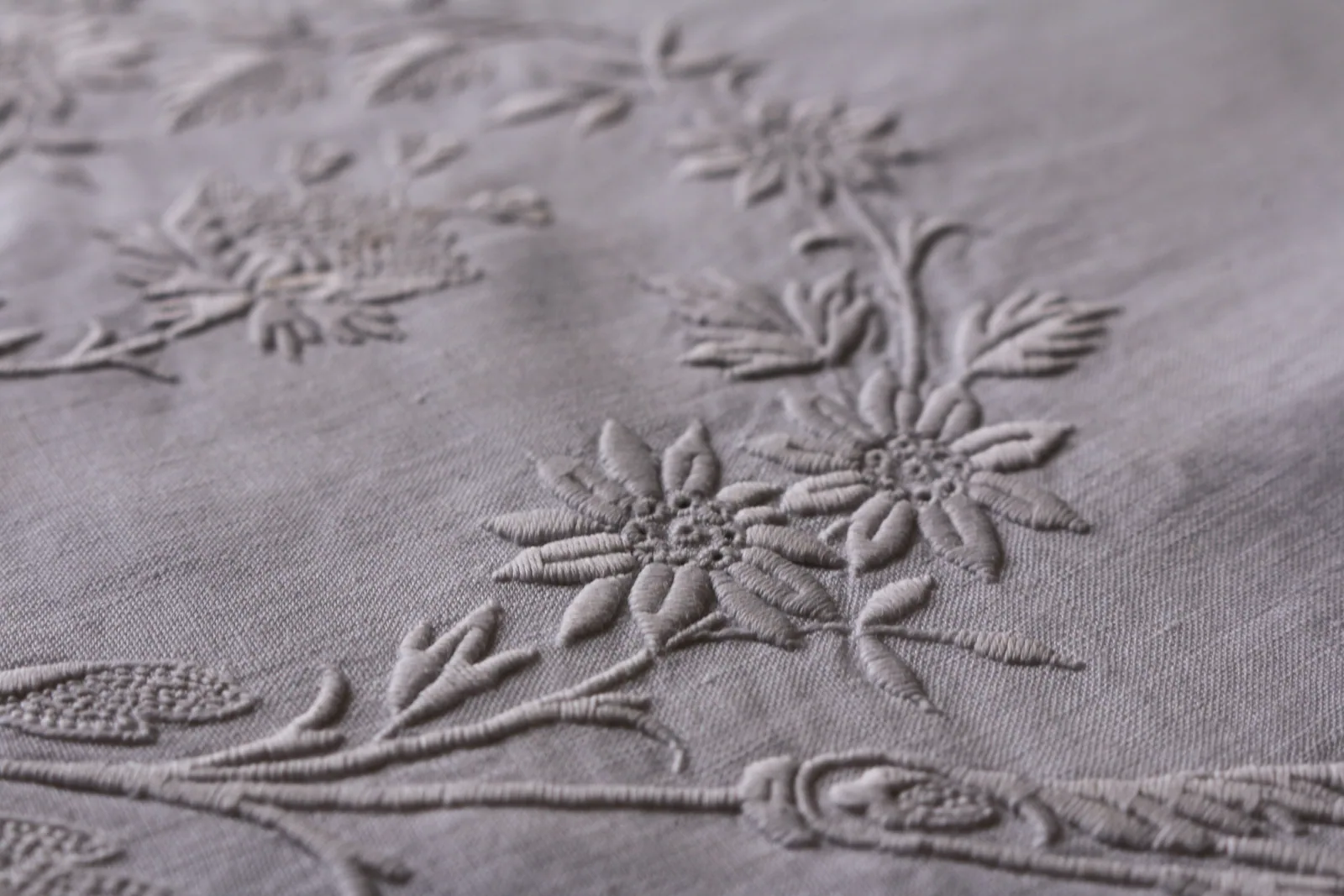
Carter split the brief into fixed and flexible parts. The oversized fit and the tone-on-tone embroidery stayed. Stitch count per inch became a tolerance range, which gave the sample room to be adjusted without reopening the design.
Approval points were set at two stages: after material pull, and after the first sample was sewn. Both were signed, so a later disagreement had a document to point at.
The Sample Loop and the Artwork Revision
The style was quoted at $120, inside the published $80–$150 band. The sample window was 7–10 working days from a locked tech pack, with 3–5 fit revisions inside it. That fee covered the style; the second round carried no extra artwork charge.
Under a 10× loupe, the first sample’s satin-stitch border looked slightly fuzzy. The cause was underlay rather than density, so the fix was a tighter underlay pass, not a heavier stitch count. A second sample came back in three days with no artwork fee.
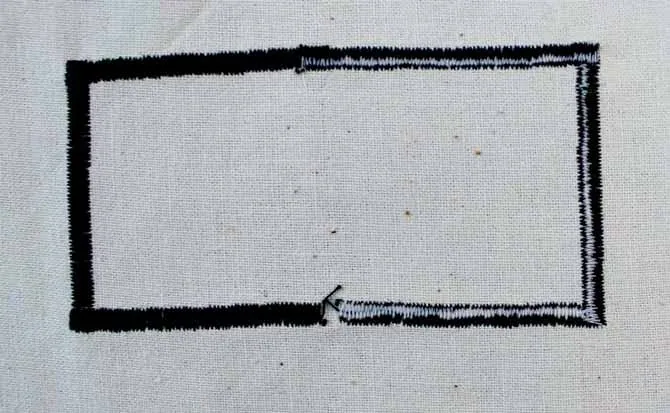
That loop mattered more than the thread itself. Density, edge cleanliness and placement were all settled at 100 units, where a wrong call costs a sample rather than a bulk run. The same revision logic applies to embroidery programs and to screen-print separations.
From Approved Sample to the Cutting Floor
An approved sample is a reference, not a plan. The cut-and-sew team worked from a short SOP:
- Confirm the spec sheet and bill of materials against the production order.
- Match every fabric roll to the approved hand and shade under D65 lighting.
- Verify the marker against the S–XL split of 1-2-2-1.
- Brief line leaders on construction: 12 stitches per inch on main seams, 10 on the hem, embroidery 3 cm below the shoulder seam.
- Inspect three first-off pieces before the line ramps up.
- Run measurement and workmanship checks every 50 pieces, then again at 20%, 50% and 80% completion.
That last bullet is where most test drops fail quietly. A sample can pass on Friday while the line drifts by Wednesday, and the drift only becomes visible when the cartons are sealed.
Fabric and label records travelled with the order: mill material-safety records were checked against OEKO-TEX Standard 100, and label content followed US FTC textile labelling rules. Those are checkpoints a first-time founder can ask to see.
Results
The order shipped as a 100-piece test drop. Sampling ran 7–10 working days, and both artwork rounds cost $0 in extra fees.
| Result | Detail |
|---|---|
| Order size | 100 pieces, one colour, S to XL |
| Sampling | 7–10 working days for the style; two rounds in total |
| Artwork revisions | $0 across both rounds |
| Wash test | 3.2% shrinkage against a 5% tolerance |
| Rib upgrade | +$0.40 per unit for 2x2 rib, holding shape over five washes |
| Release gate | AQL 2.5 pre-shipment inspection |
Two decisions moved the unit cost in opposite directions. The stronger rib added $0.40 a garment. Sourcing near-stock fabric removed the dye minimum and the weeks it would have taken, which is what made the sampling window possible at all.
For a comparable streetwear hoodie order at 100 units, the landed cost broke down like this, in USD per unit:
| Cost line | At 100 units |
|---|---|
| Raw material, heavyweight fleece | $9.20 |
| Trim and embroidery | $3.10 |
| Cut-make-trim labour | $4.80 |
| Sample development, $120 amortised | $1.20 |
| Packing | $0.70 |
| Freight, customs and DDP | $5.20 |
| Estimated landed cost | $23–$26 |
The line items sum to $24.20 for this run, and the quote carried a $23–$26 range at 100 pieces. At 300 pieces the same comparable run quotes at $20–$22 per unit, and at 500 at $18–$20; those two are quote ranges, not itemised runs.
Small orders pay more per garment, and that extra buys a market read before the cash leaves. The full costing logic, including where a small run loses its advantage, sits in the garment costing guide.
The AQL layer is what makes those numbers checkable. Under AQL 2.5 and ISO 2859-1 sampling, a major defect affects function, safety, sizing or saleability; a minor one is cosmetic and does not stop a sale.
Majors trigger rework or rejection, and the inspection acts as a release gate rather than a report. The mechanics are set out in our AQL chart guide.
In the Client’s Words
“We wanted to test a few hoodie designs before committing to a full run, and most suppliers made that uneconomical. JaceApparel let us start small and sample quickly, so we could validate designs first. Consistent embroidery detail across the batches kept our reviews strong and repeat orders growing.”
— Mia Carter, Founder, Urban Thread Apparel
Who This Order Model Suits
The pattern fits DTC labels that:
- Hold a drop calendar before the stock exists.
- Want a branded mark on a stock-weight garment.
- Need one colourway proven before a second is committed.
- Work with a creator or content plan tied to a launch date.
- Prefer a documented sample and inspection trail over a promise.
The same order model carries across garments in the small-batch cut-and-sew solution.
Vetting a Small-Batch Hoodie Run
The run is decided in the brief, not on the sewing floor:
- Ask what each order can ride on: an existing fabric buy, a slower line week, a shared trim order.
- Price the artwork revision policy before approving the first sample, in writing.
- Require stitch counts, placement and measurement tolerances in the SOP, not in conversation.
- Lock the packaging spec, from hang tags to carton marks, before the line starts.
- Set the inline checkpoints and the AQL 2.5 gate in the same schedule.
- Request the QC photographs and the inspection report before final payment.
- Compare landed cost at the volume you will actually sell, not the volume that looks cheapest.
Custom hoodie manufacturing starts at the same 100 pieces per colour. If a test drop is already on the calendar, send the brief through the contact page and we will tell you which parts of it a first run can settle.