
| Metric | Detail |
|---|---|
| 15% | Cost added by colour rework |
| 10,000+ | Units in one seasonal collection |
| under 2% | Rework risk once the shade was locked |
Figures above are the brand’s own costing and production records, reproduced with its consent.
Mara Apparel sells a women’s collection the direct-to-consumer way. A season goes up, the marketing is built around it, and the launch date is fixed long before the first garment is cut.
That model puts colour on a deadline. A shade gets fixed a season ahead and folded into the campaign, and whatever finally reaches market has to look the way the advertising said it would.
On this collection it did not. The colour held on the sample and shifted on the goods — a visible difference from the approved reference, surfacing only once the t-shirts were boxed.
What follows covers the problems the brand met, the workflow built around them, and what its launches look like now.
At a Glance
| Item | Detail |
|---|---|
| Client | Mara Apparel, a women’s direct-to-consumer fashion label |
| The collection | A seasonal t-shirt range sold on fixed release dates |
| The assortment | Printed and dyed tees across a multi-shade palette |
| What we handled | Colour strike-offs, dye and print lock, priority sampling, milestone updates, mid-batch colour checks |
| The goal | A collection that reaches the launch in the shade the sample promised |
The Challenge
Four problems arrived with the same drop:
- Fixed drop deadlines. Each release was tied to a retail window, with photoshoots and campaign assets locked in long before the stock existed.
- Colour that drifted between runs. The same style could arrive in two visibly different shades, depending on which batch it came off.
- Sampling that pushed the calendar. Slow sample turnaround held up content shoots and marketing readiness, not just production.
- Correction costs that ate the margin. Bringing a finished collection back to its approved shade added 15% to production expense.
The common thread. Each of the four is decided before the first cut — the shade, the schedule, the sample — and each stays invisible until it is expensive to correct.
Our Solution
Nothing about the design was simplified to make the colours easier to hold. The work went into locking the shade and proving it before the bulk run:
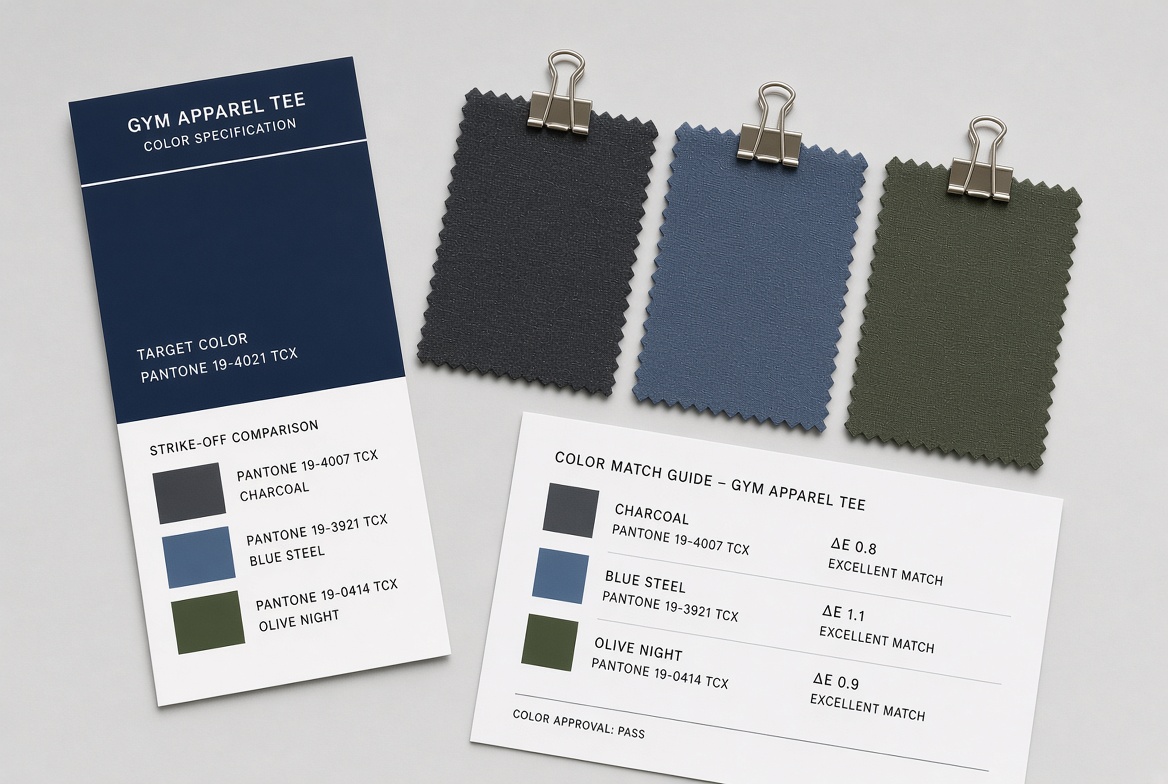
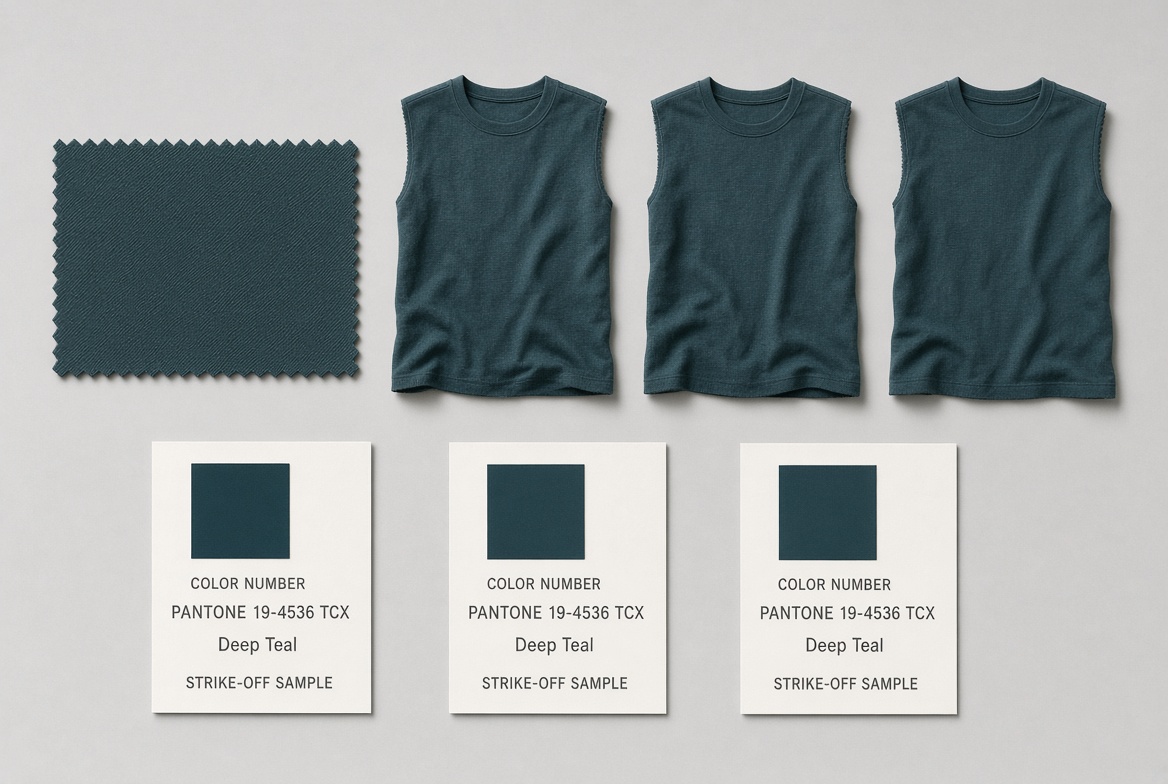
- Strike-offs signed off before the run. Every shade in the collection was dyed or printed onto a physical swatch using the bulk materials and settings, and the client approved those swatches as the working reference.
- Dye and print parameters frozen for the order. Once a strike-off was approved, the recipe, ink choice, print pressure and curing settings were locked; nothing moved without a fresh sign-off, so a later batch could not drift from an earlier one.
- Seasonal orders given priority sampling. Milestone updates ran from fabric intake through sample approval to bulk kick-off, giving the brand the notice it needed to book shoots and ready campaign assets.
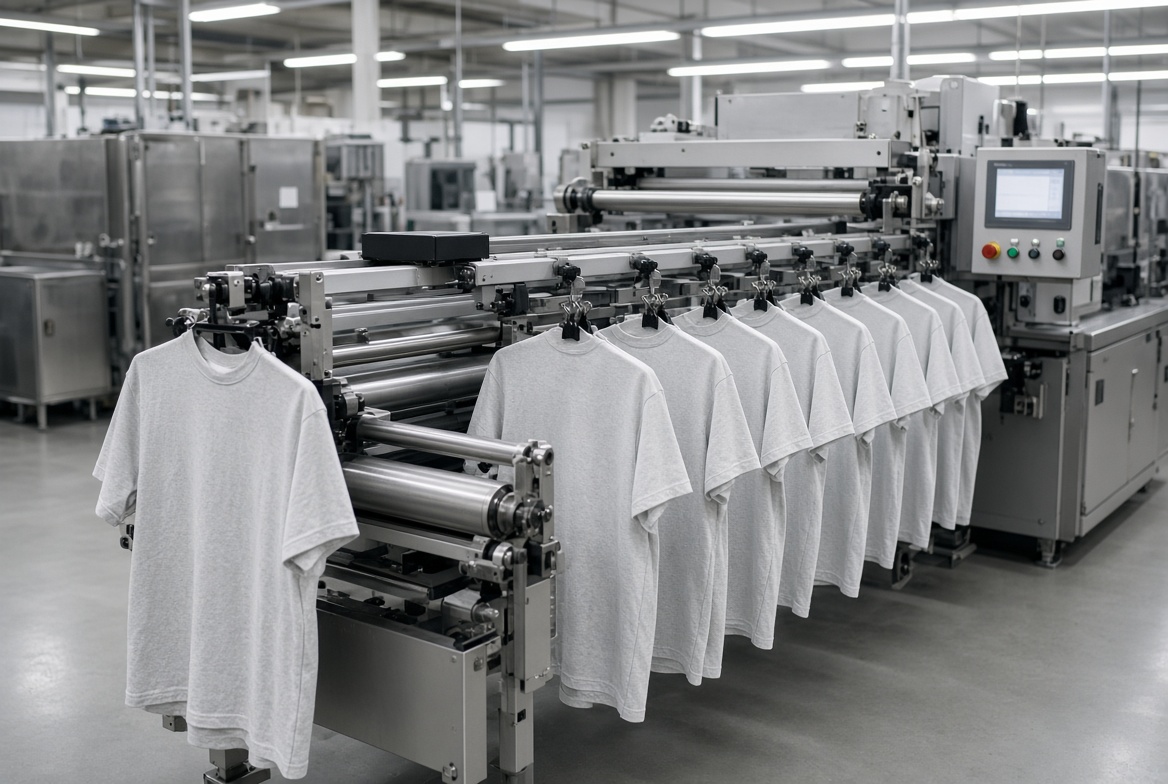
- Mid-batch checks on the line. Inspectors pulled garments from active lines at random and measured them against the approved swatch, so drift was caught while the batch could still be corrected.
Results
- Sample and stock, one colour. The hue approved on the swatch is the hue that shipped, however many batches the collection ran to.
- Launches that kept their dates. Priority sampling and stage-by-stage updates held the collection to the window its campaign had been built around.
- Rework taken out of the cycle. A shade that does not move leaves little to correct after bulk, which is what protects the margin on a fixed-date drop.
In the Founder’s Words
“Our summer tee collection had zero batch colour drift. Sampling stayed exactly on schedule, which kept our whole product launch on track. Will reorder for next season.”
— Chloe Bennett, Founder, Mara Apparel
Who This Order Model Suits
The pattern fits a brand that runs seasonal collections:
- Releases high-volume collections against fixed marketing and launch dates
- Approves a pre-production sample that the bulk run then has to match
- Prints or dyes tees, where shade differences between batches are common
- Aligns sampling with shoots and campaign production
- Would rather keep rework and missed selling windows out of the calendar
What Your Brand Gets
- A shade locked on a signed-off swatch, so the colour your campaign shows is the colour that ships — the T-shirt production the season is cut on.
- Dye and print settings frozen for the order, so two batches of one style cannot come back reading differently.
- Sampling pulled to the front of the queue, giving your shoot a finished garment to photograph on a date that holds.
- Mid-batch colour checks against the approved swatch, keeping rework out of the selling window — the print discipline behind it, and the reason a private-label path protects the margin.
Locking a Shade for a Fixed-Date Drop
Seasonal colour is hard to put right once the goods exist, so the reference is agreed up front:
- Say which light a shade will be judged under, and who approves it, before the dye lot is fixed.
- Set the approval date backwards from the shoot, so the photography has a final product to work with.
- Agree how far a colour may move before it counts as a mismatch, and write the figure down.
- Confirm the shade on a live batch, not only on the piece approved by hand, while a fix is still inexpensive.