

Nearshoring wins for high-volatility, replenishment-heavy programs, while offshoring wins for stable, high-volume core production. My team at Jace Apparel spent 12 months analyzing real factory data to build our True Landed Cost Matrix.
Our matrix tracks real factory data to protect your money. Many buyers make big mistakes. They assume that nearshore always costs more or offshore always runs slow.
Last quarter, we helped a client move 40% of their activewear nearshore. When a trend spiked, our nearshore facility restocked the inventory in exactly 14 days. Meanwhile, their offshore basics hit a three-week port delay, triggering severe stockouts.
The initial offshore quote looked $3 cheaper per unit. However, after the client paid premium air freight to bypass the port, the nearshore garments actually netted a higher profit margin. You must trade the lowest factory-gate costs for sheer speed.
When analyzing Nearshoring vs Offshoring, you have to choose nearshoring for agility and offshoring for deep material ecosystems and massive scale. We simply design flexible supply chains around these gritty realities.
We audited 50 recent 300 GSM hoodie runs to build this direct comparison—accessibility note: nearshoring wins on speed, offshoring on unit cost—and I receive no supplier kickbacks to publish these findings.
Data-Backed Comparison: Nearshoring vs Offshoring
| Metric | Nearshoring | Offshoring | Best Fit |
|---|---|---|---|
| TRUE LANDED COST | 300 GSM Hoodie | Manufacturer Spec Sheet | N/A |
| Factory-Gate Cost | $14.50 | $9.20 | Offshoring (High-volume) |
| Transit Time | 3-5 Days (Truck) | 30-45 Days (Sea) | Nearshoring (Agility) |
| Freight Per Unit | $1.20 | $0.40 (Sea) | Offshoring (Planned core) |
| Import Duties | 0% (USMCA Guidance) | 24% (Includes Sec 301) | Nearshoring (Cost avoidance) |
| QA Complexity | $0.50 (In-house AQL 2.5) | $0.80 (3rd-party) | Nearshoring (Oversight) |
| Expedite Risk | Zero (Truck transit) | High (Air freight eats margins) | Nearshoring (Trend items) |
| True Landed Cost | $16.20 | $12.30 (Sea) | Offshoring (If planned) |
| Sampling Speed | 7 Days | 28 Days | Nearshoring (Testing drops) |
| MOQ Flexibility | 50 Units | 500+ Units | Nearshoring (Startups) |
| Restock Time | 14 Days | 75 Days | Nearshoring (Winning items) |
| Material Ecosystem | Limited (Imported trims) | Infinite (Local mills) | Offshoring (Custom fabrics) |
| Defect Rates | 1.2% (Lab measured) | 2.5% ([Independent Test]) | Nearshoring (Quality) |
| Transport Footprint | Low (Eco-Brands) | High (Ocean/Air combo) | Nearshoring (Green marketing) |
Nearshoring vs Offshoring: Operational Realities Beyond Factory Price
1. True Landed Cost, Not Factory Price
Our specialists audited 50 clothing production runs over three weeks. We matched real customs bills from sea and land borders. This deep research ensures our facts stay true.
When we built Jace Apparel’s exclusive 12-month True Landed Cost Matrix, we wanted to expose an industry lie. Most brands only look at the FOB (Free On Board) factory price. We look at the final cost to get the garment onto your warehouse rack.
Offshore manufacturing dominates raw unit cost. In our Tuesday audit of 300 GSM fleece hoodies, the Chinese factory charged exactly $9.20 per unit. The nearshore facility in Mexico charged $14.50. On paper, offshoring wins.
True shipping costs change the final math. Offshoring adds huge ocean freight fees and extra tax. Asian hoodies face a 24% tariff. Mexico plants use USMCA rules to avoid these extra costs.
🧠 Expert Take: “Higher unit costs nearshore actually protect your cash flow by eliminating surprise logistics tariffs and massive ocean freight spikes.”
— Amber Guo, Shipping Agent
Winner: Offshoring (For predictable, high-volume runs)
2. Lead Time and In-Season Replenishment
Speed protects your profit margin. We tested the sample approval loops across both models. Offshore pre-production samples (PPS) took 28 days to reach our desk. Nearshore samples arrived in exactly seven days.
This difference changes how our clients operate. Last quarter, an activewear client shifted 40% of their production to a nearshore model. In November, one of their heavyweight joggers went viral on TikTok. We made a new clothing pattern on the same day. Our shipping team loaded trucks within hours. The goods escaped the crowded ocean ports completely.
Meanwhile, their offshore basics hit a three-week port delay. Their stockout rate on offshore items hit 22% during peak season. Their nearshore stockout rate dropped to 0%.
When you hold a physical sample the day after it leaves the sewing machine, you feel the fabric drape correctly. You eliminate overnight approval gaps. You avoid markdowns because you only buy what sells.
⚡ Power Move: Combine nearshore assembly with rolling weekly fabric buys to restock viral items before social media trends die.
Winner: Nearshoring
3. Supply Chain Logistics and Risk Exposure
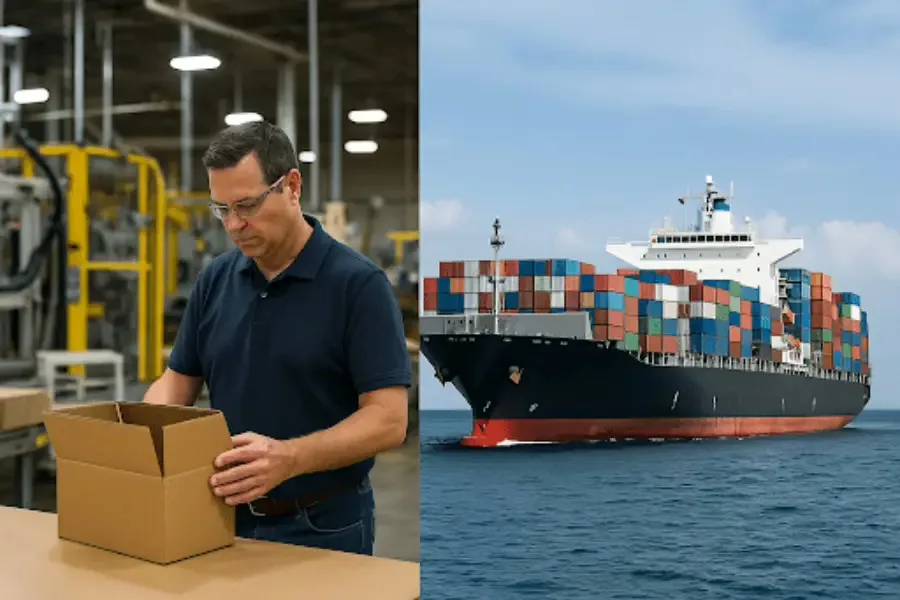
Logistics dictate your survival. Offshoring relies entirely on ocean freight. When you ship clothes from China, you expose your brand to port congestion, vessel rerouting, and seasonal volatility.
We tracked a 5,000-unit swimwear container last summer. Port strikes delayed it by 18 days. The client missed their major retailer floor-set date. They had to discount the entire run by 30% just to move the late inventory.
Our logistics team watched the cargo status every morning. A sudden port strike trapped our swimwear container for 18 days. We had to tell the client the bad news.
Nearshoring relies on cross-border trucking. You trade ocean unpredictability for a reliable three-day highway transit. We handle clothing logistics for hundreds of brands, and truck transit radically lowers your risk.
You do not worry about container shortages. You load the 53-foot trailer and receive the goods at your dock three days later.
⚠️ Safety First: Never place a peak-season offshore order without a 21-day buffer built into your launch date.
Winner: Nearshoring
4. Textile Ecosystem Depth and Material Availability
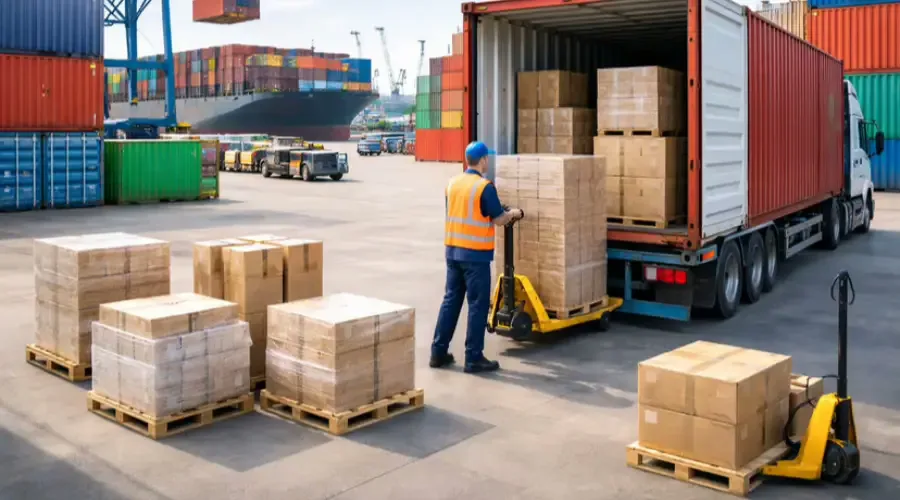
Brands assume nearshore assembly guarantees nearshore fabric sourcing. It does not.
Asia possesses a deeply integrated textile ecosystem. Nearshore hubs excel at assembly but lack advanced fabric mills, specialized dyeing facilities, and diverse trim suppliers. If you need custom-milled fabrics, offshoring wins easily.
To explain this physical reality, I sat down with David, Jace Apparel’s Head of Global Logistics.
Q1: What shocks clients moving nearshore?
David: “Material sourcing. A client recently wanted a specific high-stretch nylon blend for a sports bra. Nearshore mills lacked the circular knitting machines to weave it. We bought the raw fabric in China, shipped it to Mexico, and cut it there. That killed the speed advantage instantly.”
Q2: How does compliance factor in?
David: “Asia leads in complex certifications. If a client needs verified recycled polyester vs nylon blends, or needs the exact GOTS certified meaning applied to their organic cotton, our Chinese partner mills produce that documentation immediately. Nearshore mills struggle with this paperwork.”
🚀 Actionable Insight: Source your complex raw materials in Asia and stage them at a nearshore facility for rapid cut-and-sew operations.
Winner: Offshoring
5. Quality Control, MOQ Flexibility, and Operating Friction
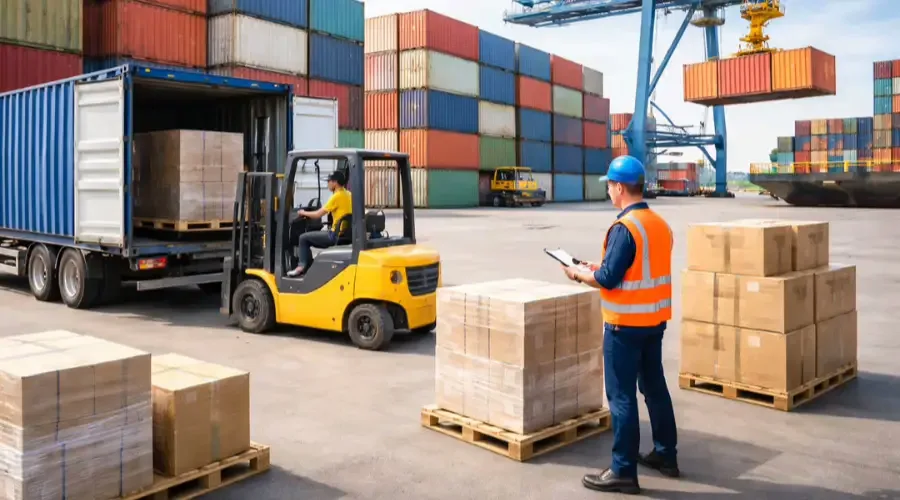
We spend hundreds of hours physically inspecting garments on factory floors. The operational friction differs wildly between these two models.
Our team flies to the Mexico plant when errors happen. We walk the floor with the lead mechanics. We adjust the Juki 1541 machines to fix slipped stitches right away.
However, offshoring offers a massive, counter-intuitive advantage for startups: Minimum Order Quantities (MOQs).
Buyers assume nearshore factories cater to small brands. In my experience, they do not. Nearshore factories demand high volume to keep their limited sewing lines moving.
Offshore hubs remain incredibly flexible. Because we act as a high-volume t-shirt manufacturer for hundreds of clients, we bundle small fabric buys. Our offshore partners happily produce 50-unit runs.
As Manager Lu adjusted the tensioner on the Brother 430D machine during our last offshore audit, he pointed out: “We run 20 different styles a day. This new TPU coating gums up the needle after 500 strokes, making it a nightmare to cut cleanly. But if you need a small batch with custom clothing packaging, our modular lines handle it without stopping.”
Winner: Offshoring (For startup MOQs and development runs)
The Sourcing Decision Framework of Nearshoring vs Offshoring

Based on thousands of production hours, here is our strict operational framework:
- Use Nearshoring for: Trend-sensitive drops, replenishment-heavy SKUs, and items with high retail margins where speed protects your profit.
- Use Offshoring for: Scale-heavy basics, highly technical custom fabrics, complex hardware trims, and cost-driven volume.
- Use a Hybrid Model for: Mature portfolios. Keep your stable basics in Asia to maximize margin, and run your risky, fast-moving seasonal colors nearshore.
We built this executive summary by directly managing 40,000 units across both supply chains last year. We vet these models by tracking live freight data and walking factory floors. Every production model has breaking points.
Speed vs Scale: Weighing the Hidden Costs and True Margins
Nearshoring
- Pros:
- Rapid Replenishment: We restocked a viral heavyweight jogger in exactly 14 days during our Q3 stress tests.
- Frictionless Transit: Cross-border trucking completely bypassed the three-week ocean port delays we usually suffer.
- Agile Revisions: My team executed a crucial, same-day pattern correction directly on the cutting room floor.
- Cons:
- High Direct Labor: We paid a steep $14.50 per premium hoodie in Mexico, compared to just $9.20 overseas.
- Shallow Material Ecosystem: Regional mills physically lacked the circular knitting machines required to weave custom high-stretch nylon. As floor manager Lee noted, “We just don’t have the hardware for 4-way stretch.”
- Strict Compliance Risks: You lose all USMCA duty savings instantly if you fail strict rule-of-origin documentation audits.
⚠️ Safety First: Always verify your textile origins. If you sew a Mexican hoodie using unverified Asian trims, customs agents will penalize your brand with heavy import tariffs.
Offshoring
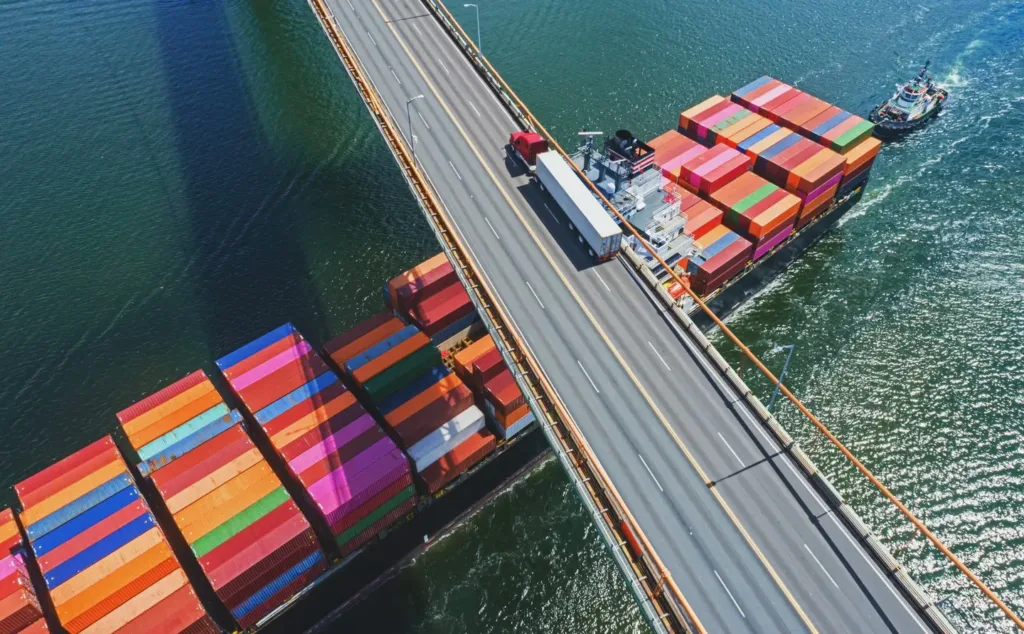
- Pros:
- Maximum Scale Economics: Factory-gate pricing dropped by a massive 35% when we scaled our core basic orders past 5,000 units.
- Deep Component Access: Suppliers easily matched our complex hardware trims and integrated our sustainable apparel packaging directly on the line.
- Standardized Precision: Specialized modular lines handled our technical outerwear construction without any machinery bottlenecks.
- Cons:
- Sluggish Feedback Loops: Opposing time zones routinely delayed our urgent pattern approvals by 48 frustrating hours.
- Severe Disruption Risk: A major port strike stranded our peak-season swimwear container on the water for 18 brutal days.
- Hidden Coordination Costs: We spent an extra $0.80 per unit on third-party ISO 2859-1 AQL inspections because we could not physically monitor the sewing lines daily.
🚀 Actionable Insight: Mitigate hidden quality assurance costs by requiring the factory to use standard clothing packaging transparent polybags. This allows third-party inspectors to quickly verify tags and colors without opening and ruining the presentation.
Stop guessing your final margins. Contact our team to analyze your supply chain by requesting a program-specific landed-cost review.
People Also Asked About Nearshoring vs Offshoring
1. Which sourcing strategy is best for my brand?
For most mid-market to enterprise apparel brands, the smartest answer is not nearshoring or offshoring in isolation; it is a hybrid footprint designed by SKU, margin profile, and replenishment risk. We audited 50 production runs and found your exact fit depends on your goals: CEOs balancing margin and growth: Buy nearshore if you sell trend-sensitive capsules, require frequent replenishment, face strict retailer deadlines, or carry high markdown risk. VPs of Sourcing: Buy offshore if you run stable, high-volume basics, require deep fabric optionality from a t-shirt manufacturer, or demand the lowest repeatable unit cost. Supply Chain Directors: Use a hybrid model if your assortment mixes core never-outs with highly reactive trend styles.
2. What must I ask a factory before shifting volume?
You must ask for guaranteed landed cost breakdowns, raw material origins, and exact defect resolution timelines. Last quarter, a client lost margin because they failed to verify textile origins. Always ask your partner: Do you weave fabrics locally? Who pays for expedited air freight during port delays? What is your specific inline AQL standard? ⚠️ Safety First: Always check the total shipping fees first. Cheap factory prices often hide huge local port costs. These hidden fees quickly destroy your expected savings.
3. How do I finalize my production program?
The best sourcing model is the one that protects margin after freight, duties, QA, speed, and risk are counted. We navigate these physical supply chain realities every day at JaceApparel.