
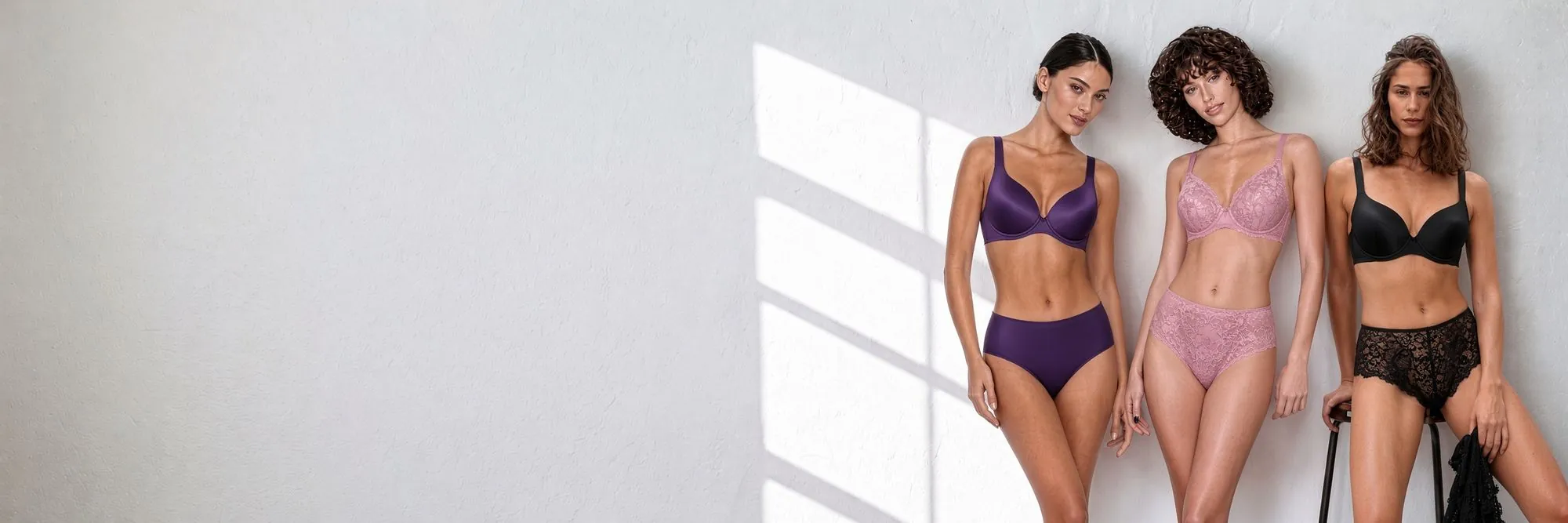
For lingerie labels, shapewear brands and boutique buyers
Custom Lingerie Manufacturer — Bras, Shapewear, Lace & Seamless Styles
Mix cup and band sizes flexibly per colour run to align with your target market demand. We offer broad sizing from bands 30–46 and cups AA–H, with custom grading available. All designs require approved sewn prototypes prior to bulk manufacturing, securing reliable fit and reducing costly production mistakes for your custom lingerie line.
Order facts
The four figures a lingerie buyer asks for first, before any brief changes hands.
Minimum run
100 pcs / colour
Prototype window
7–10 working days
Bulk run
7–15 working days
Carton inspection
AQL 2.5
Every figure here is a term confirmed on the quote — no per-piece price is published.
The range
The Pieces a Lingerie Line Is Usually Built From
Each piece is drafted from your own block, so the cup, the band and the trim are set on the tech pack instead of picked from a catalogue.
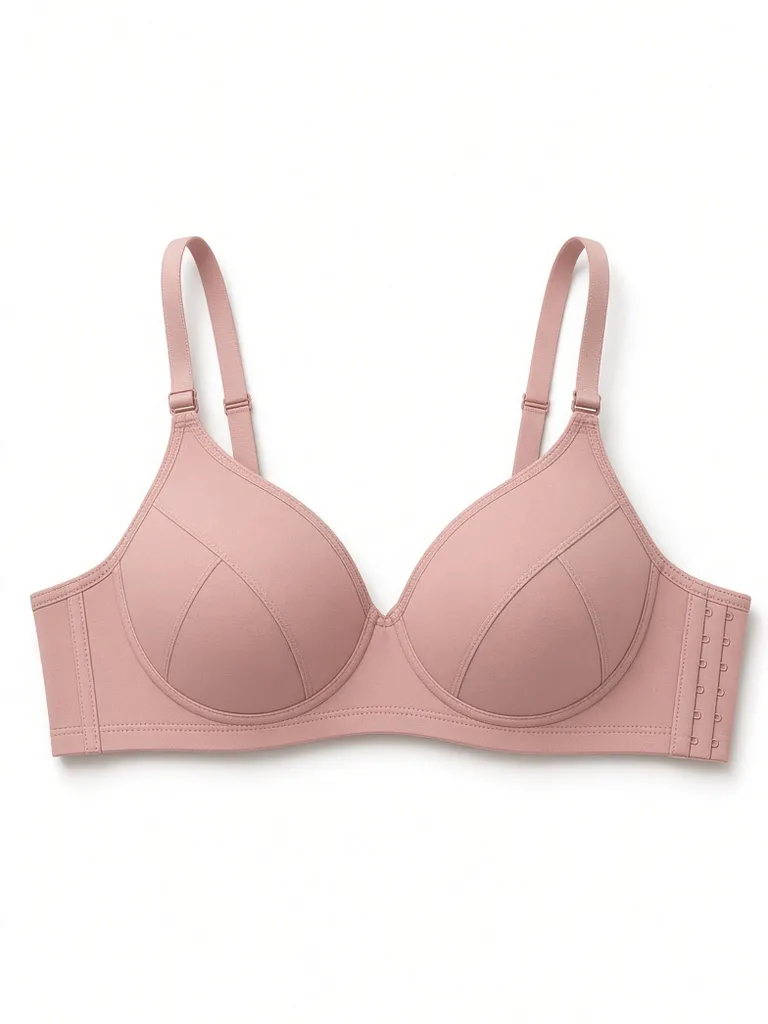
Custom Bras
- Cup seaming, wire or no wire, and the band depth all come off the tech pack.
- Hooks, sliders and rings are specified by finish and by size.
- Straps run plain, elasticated, or adjustable.
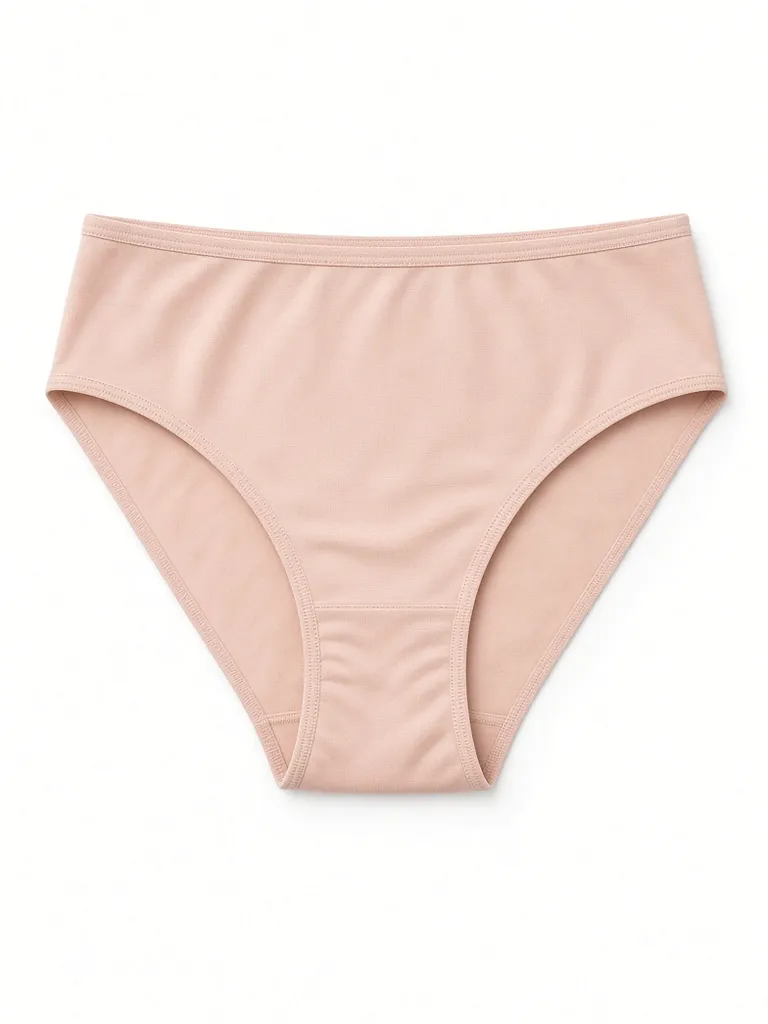
Custom Briefs & Thongs
- Rise and leg opening are pattern lines, so high, mid and low are a redraw rather than a trim.
- Elastic is picked by width and by finish, then applied at a tension agreed on the sample.
- Thong, bikini and full-coverage backs are three patterns, not one back cut three ways.
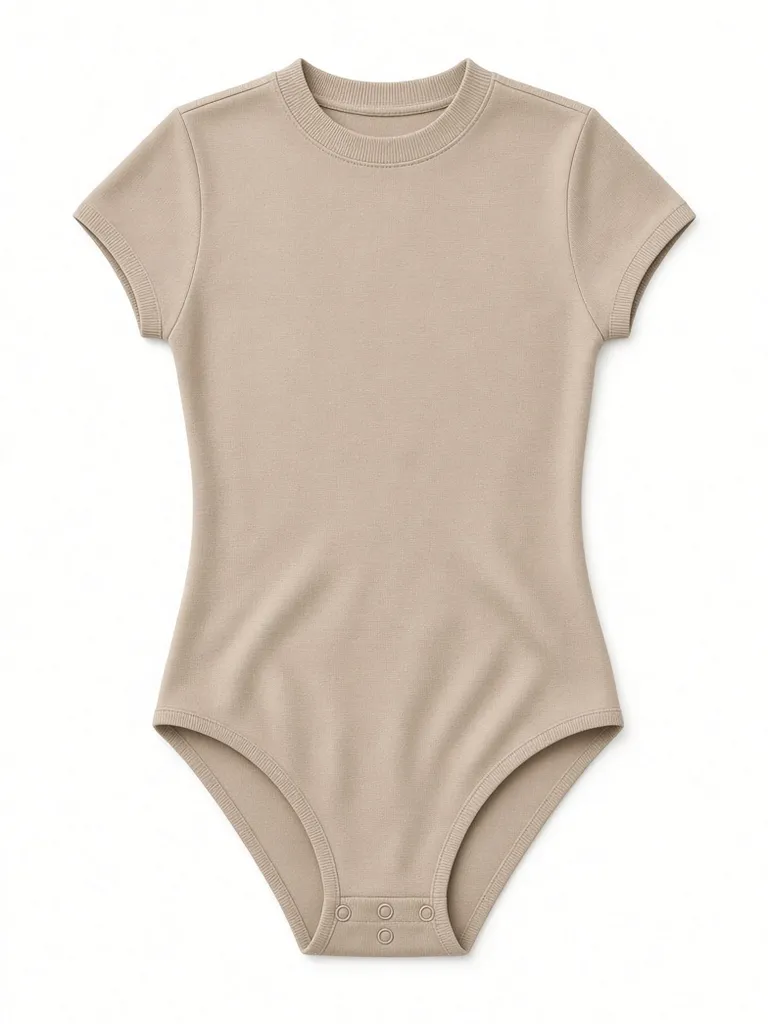
Custom Bodysuits & Teddies
- Neckline, back and leg line are drafted as one, so nothing pulls out of shape when it is worn.
- Closures run to a snap gusset, a hook-and-eye, or a plain pull-on back.
- Bodies are cut in lace or in a smooth knit, whichever the piece is for.
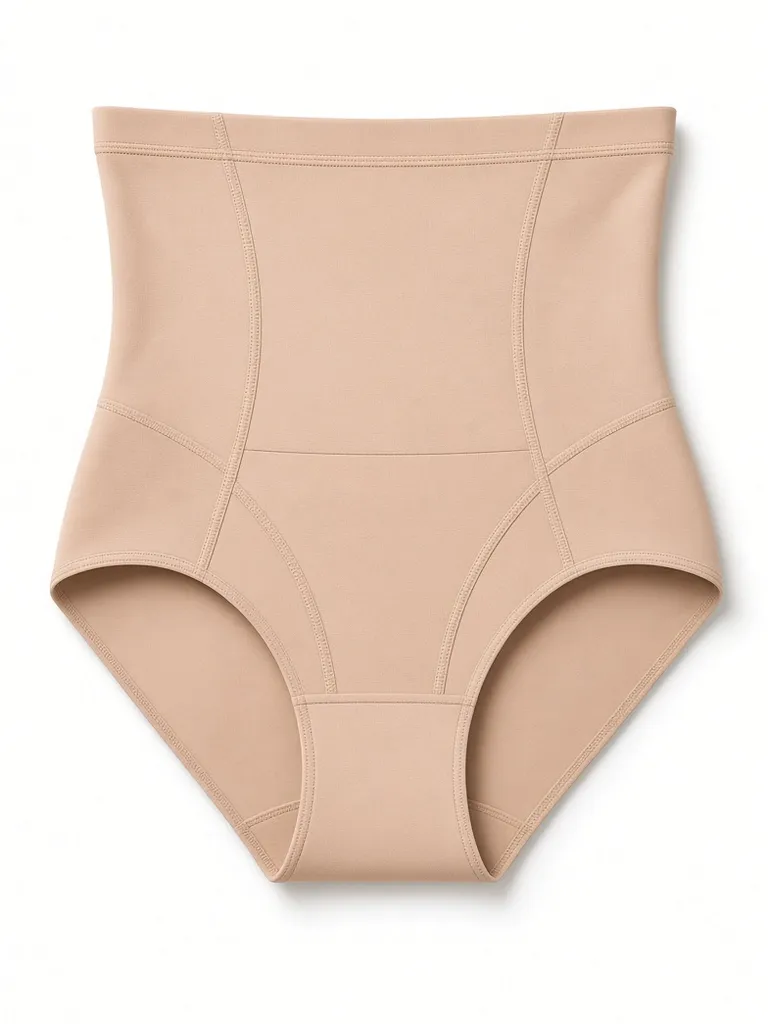
Custom Shapewear
- Panels are placed on the pattern, so the hold sits where the brief asks for it.
- Gussets, waistbands and leg openings are built per garment.
- A closed gusset or an open one, on whichever your spec calls for.
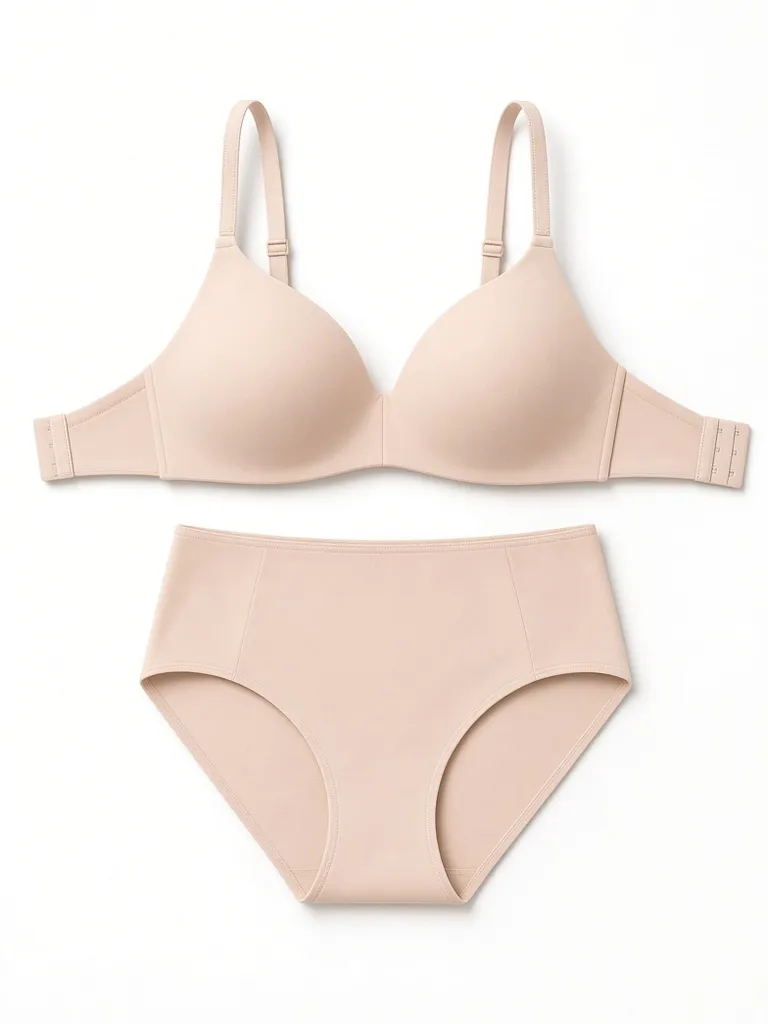
Custom Seamless
- The leg and neck edges are finished flat rather than overlocked.
- Where the seam lands is a pattern decision, not a machine setting.
- How much it gives is a property of the cloth, not of the pattern.
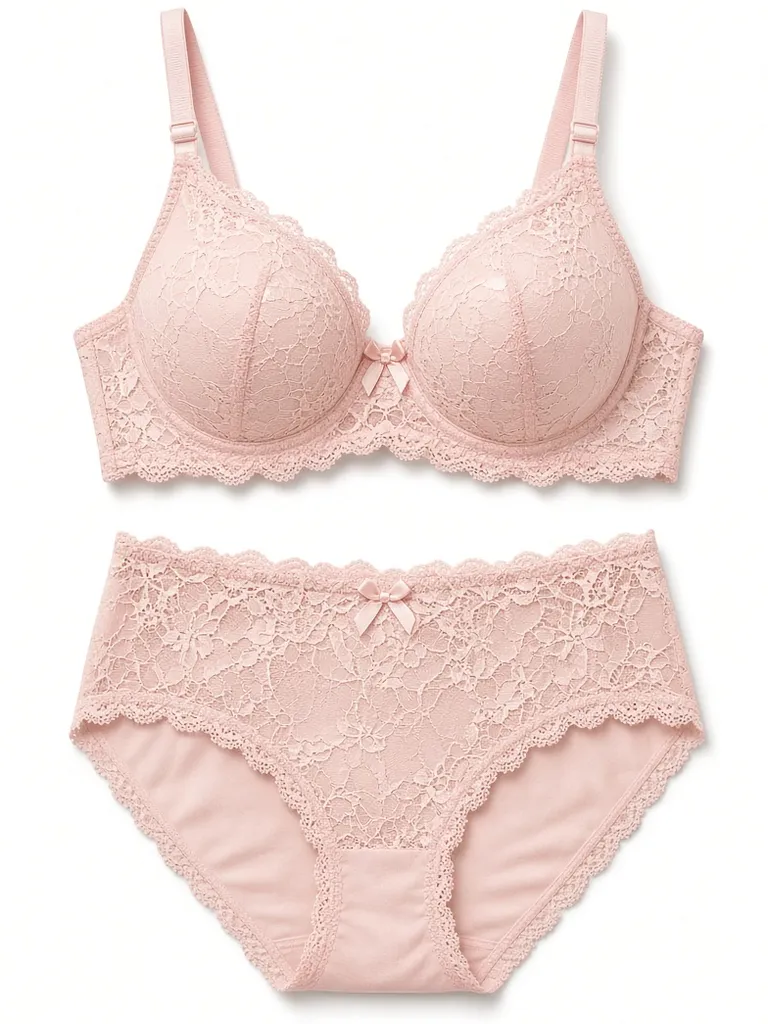
Custom Lace Lingerie
- Scallops set the edge line, so the pattern is drawn around the trim.
- Stretch lace follows the body; a rigid one holds the line the pattern gives it.
- Trim is applied flat, or folded over the edge as a binding.
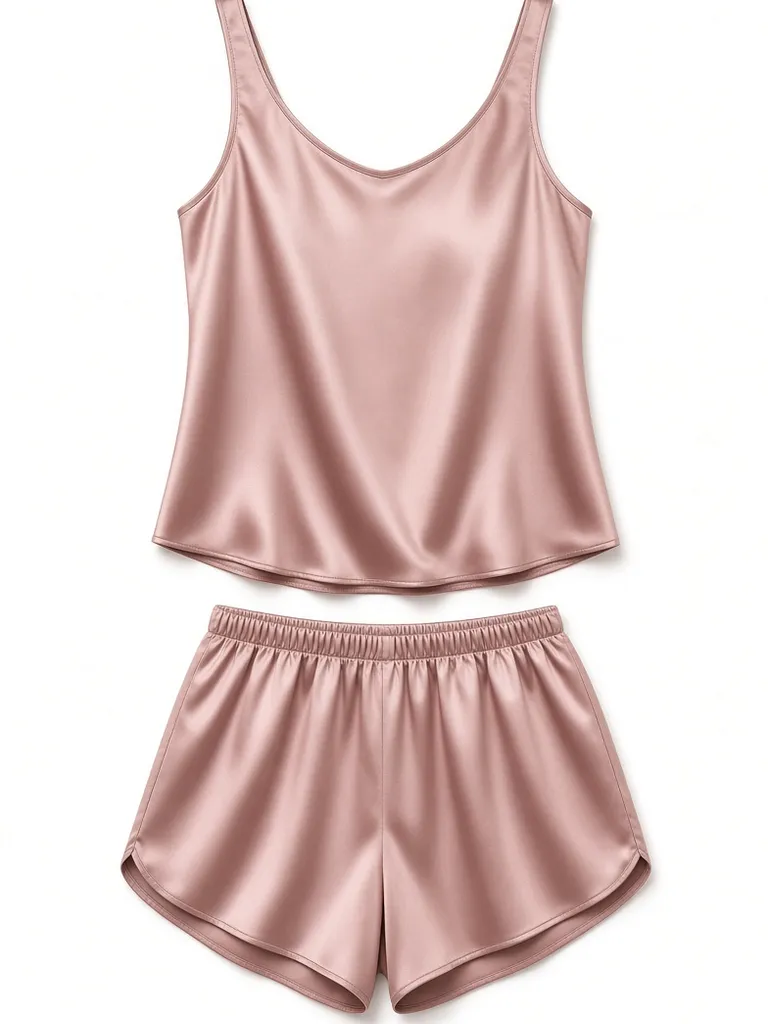
Custom Satin Sets
- Bias-cut slips, camisoles and robes in satin, charmeuse or a silk-touch blend.
- Woven edges are bound, French-seamed or rolled, whichever suits the piece.
- Silk-touch blends are quoted alongside the real thing, so the cost is a choice.
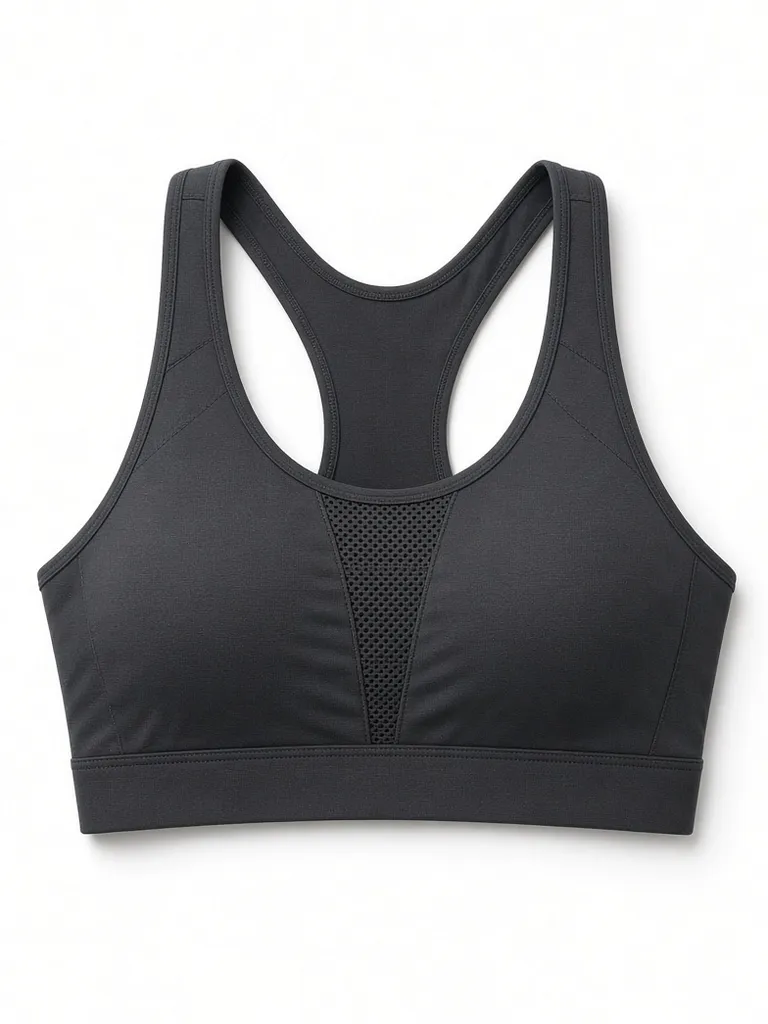
Custom Sports Lingerie
- Sports bras are built on a compression pattern, with the underband doing the holding.
- Mesh panels, racer backs and wide underbands are all pattern calls.
- Fabric is selected with you, since a compression garment is mostly its cloth.
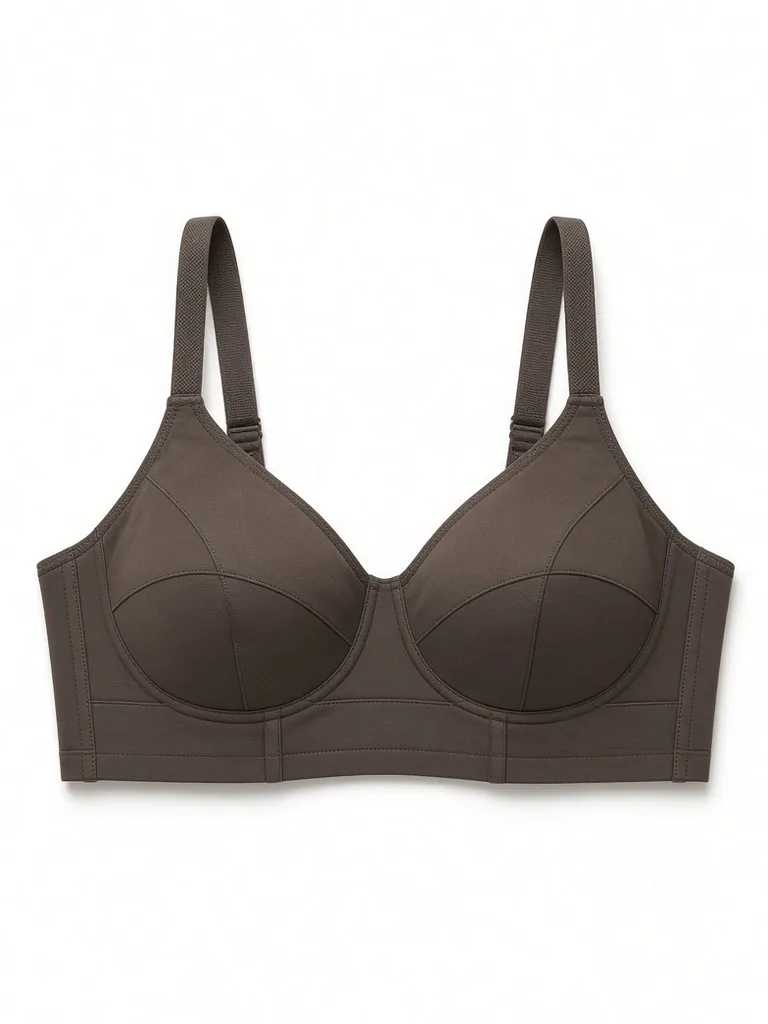
Custom Plus-Size Lingerie
- Sizes run to your own chart, or to one built from the sample measurements.
- Band and cup grading are set separately, because the two move at different rates.
- Underwire and boning positions are re-set for each size bracket.
On the tech pack
What the Pattern and the Floor Let You Specify
These are cloth, pattern and trim calls rather than options on a stock blank, which is why a sewn sample settles more here than a drawing does.
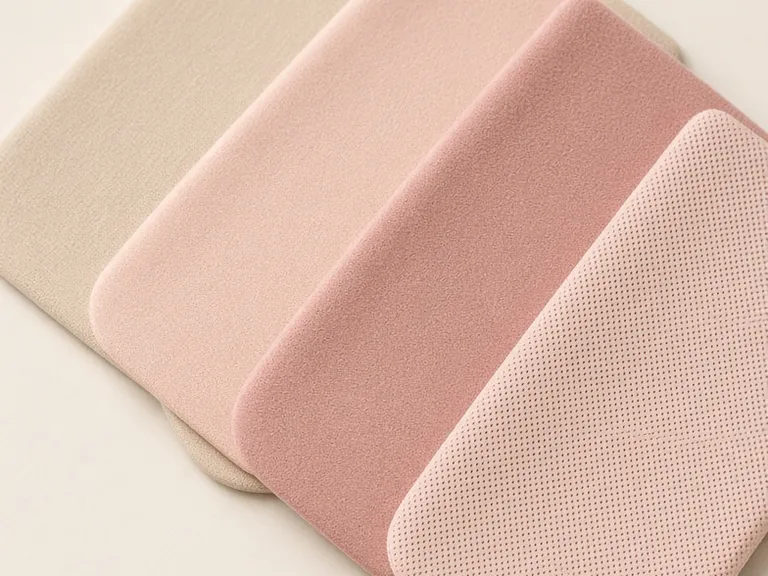
Cloth selection
Cotton · Modal · Microfibre · Mesh
- Cotton suits everyday briefs; modal is picked where a softer drape is wanted.
- Microfibre keeps a smooth line under a close-fitting garment.
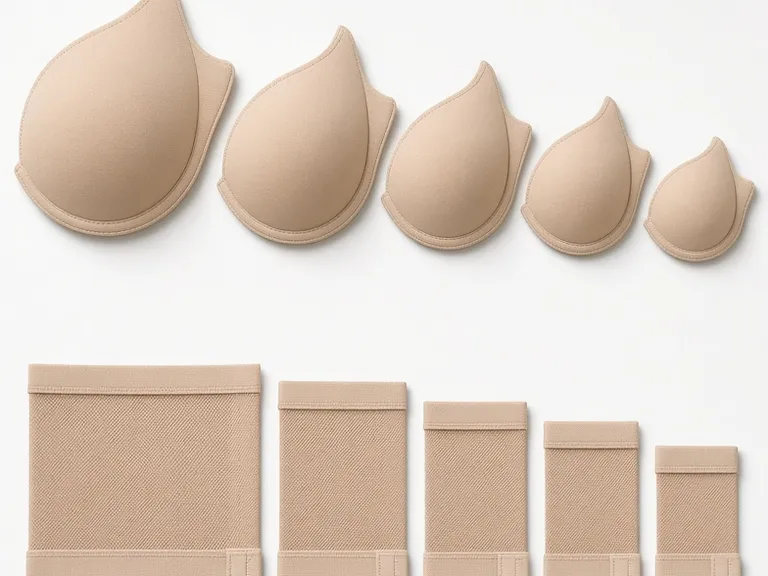
Cup and band grading
Cups and bands graded separately
- Cup sizes and band sizes do not move at the same rate, so they are charted apart.
- Bust depth is graded on the cup and the underbust on the band, on separate tables.
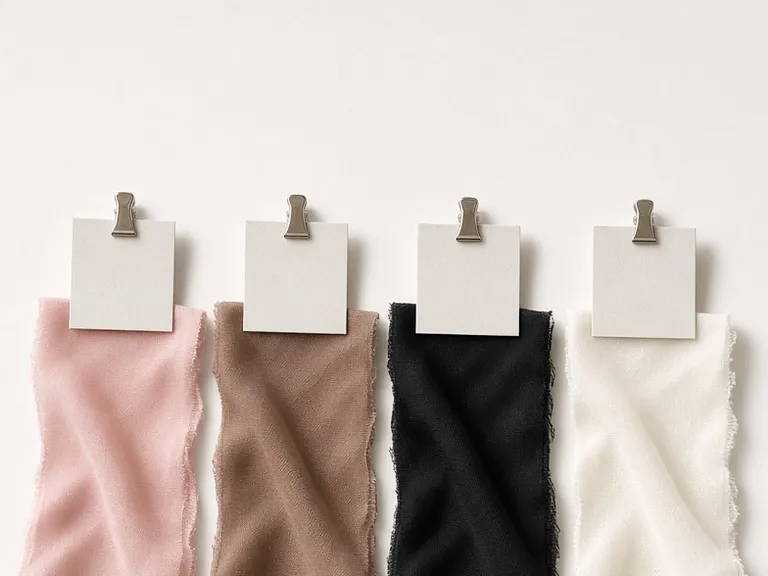
Colour and dyeing
Lab dip before bulk
- Dyed swatches are sent for approval before any bulk cloth is committed.
- Where a colour falls between two shades, the dip is re-cut rather than argued from a photograph.
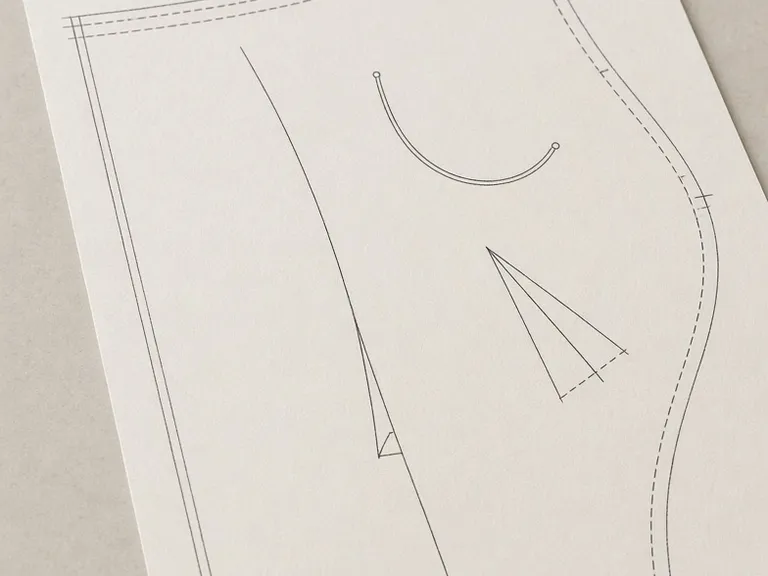
Pattern and block
Your block, or one drafted here
- Send a block you already cut; otherwise one is drafted to your own measurements.
- Darts, the wire line and the seam positions are all drawn on the block before anything is sewn.
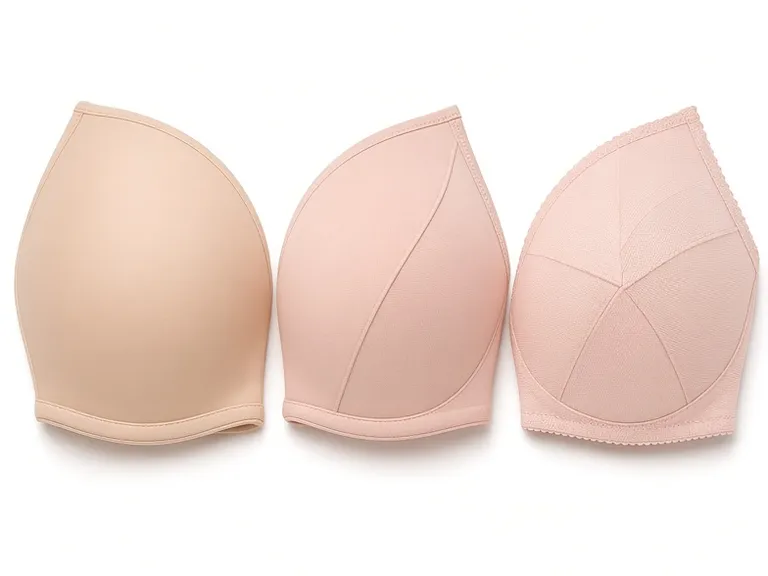
Moulded cups
Moulded · Seamed · Cut-and-sewn
- A moulded cup holds its own shape, with no seam across the front.
- Seamed cups are built up from panels, which is where a shaped fit comes from.
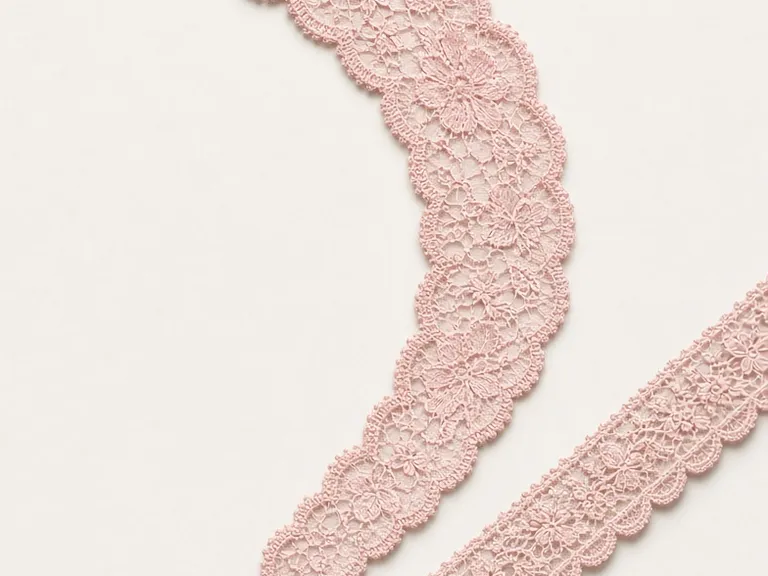
Lace and trim
Galloon · Stretch · Rigid
- A stretch lace moves with the body; a rigid one stays where it is placed.
- If the scallop is wider than the seam allowance, the edge is bound instead of overlapped.
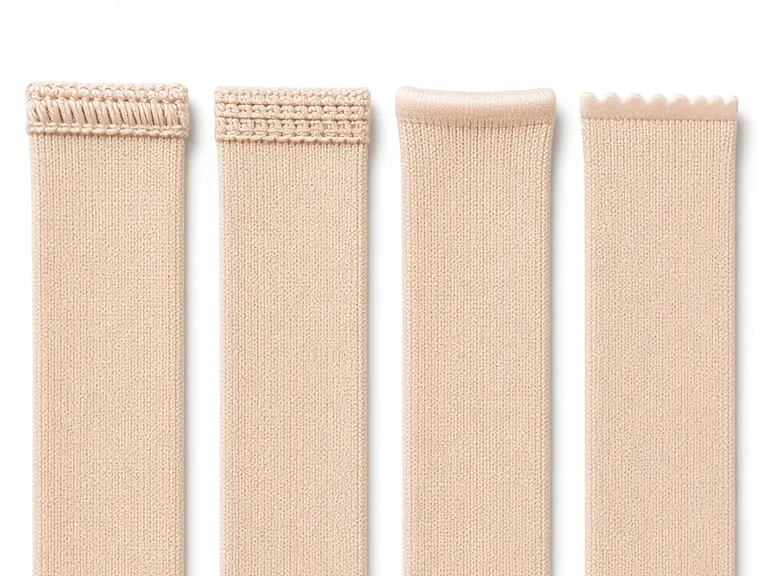
Edge finishing
Overlock · Flatlock · Bonded · Laser-cut
- Flatlock sits flush against the skin, which is why most seamless pieces carry it.
- Bonded and laser-cut edges leave no thread at all, and need the cloth to be a match.
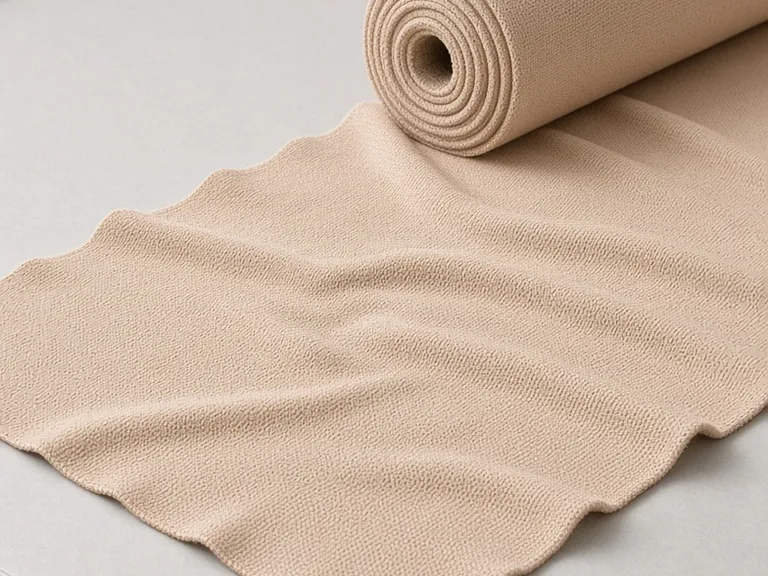
Cloth preparation
Relaxed, then cut — not cut, then relaxed
- Cloth is unrolled and left to settle before it goes near the cutting table.
- The sample is measured after that rest, which is why its numbers still hold in bulk.
The process
From a Brief to a Packed Carton, in Six Stages
Every stage below leaves a written record, so what comes off the machines is what was signed on the sample.
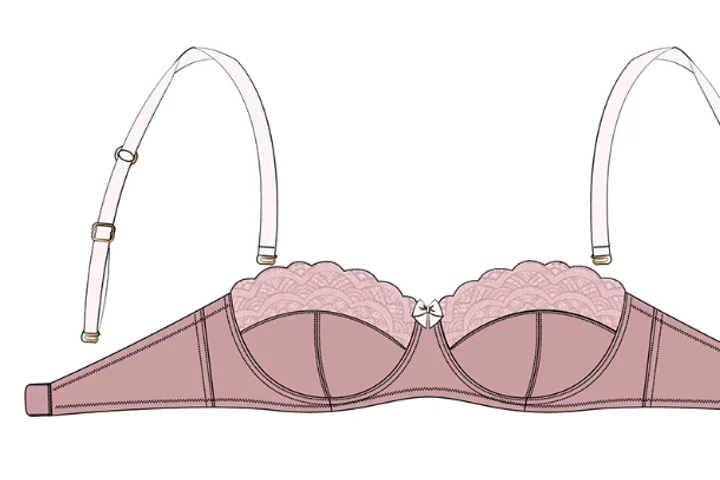
Brief
- Garment, size run and target quantity are written into one tech pack.
- Nothing reaches the cutting table until the pack is agreed.
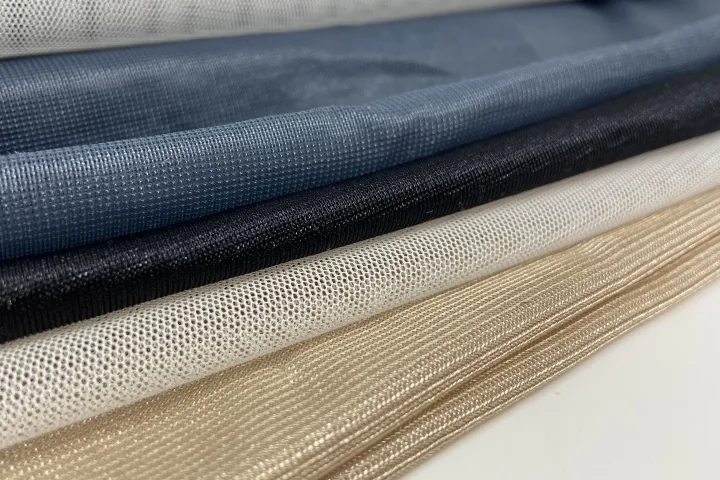
Sourcing
- Cloth, lace and elastic are sourced to the pack.
- Anything dyed to order is booked before the sample is sewn.
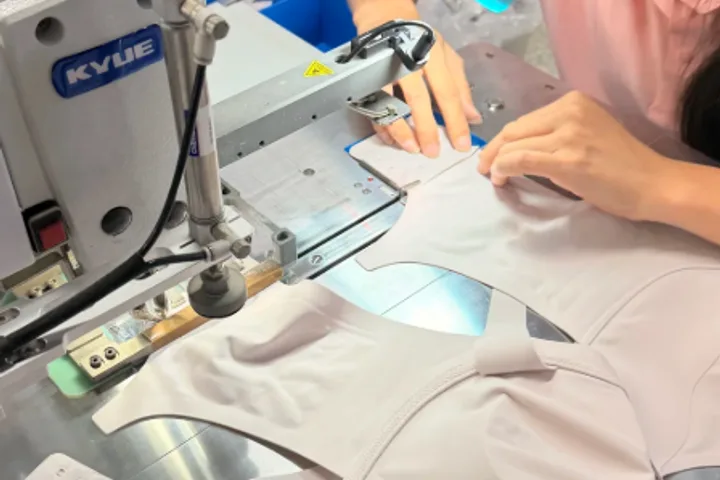
Prototype
- One piece is sewn on its own, ahead of any bulk cutting.
- Fit, cup and band are settled on that piece, not on a flat drawing.
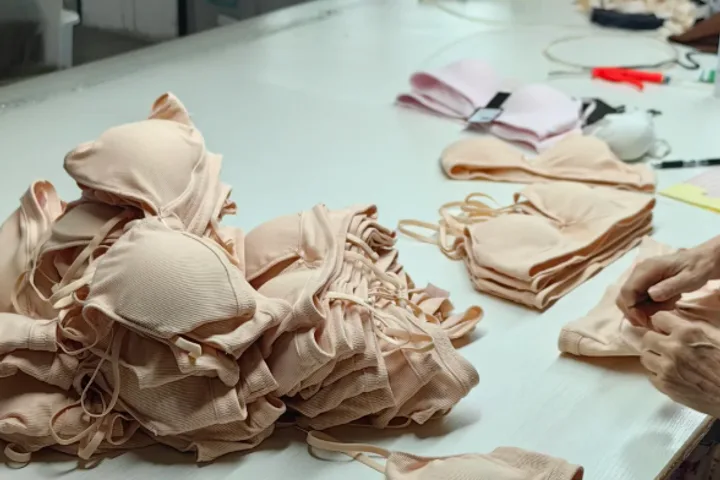
Approval
- Sign-off is in writing, and the floor works to that piece.
- Grade rules are locked at the same time, not once cutting has started.
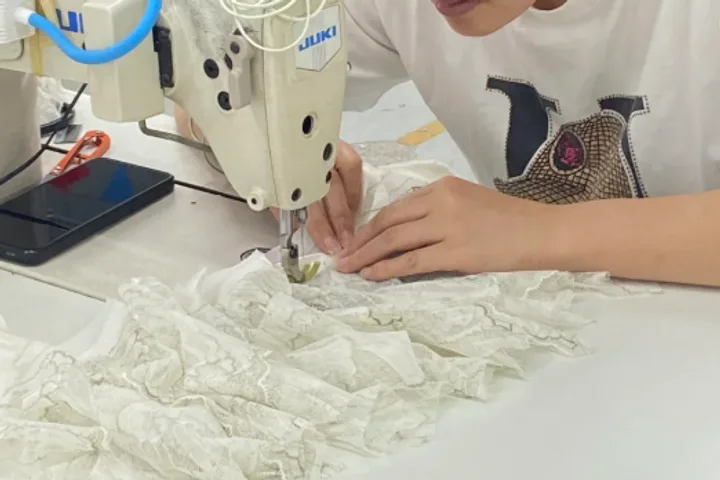
Bulk
- Cutting, sewing and finishing all run against the control piece.
- Lace and trim are matched across the run from a single dye lot.
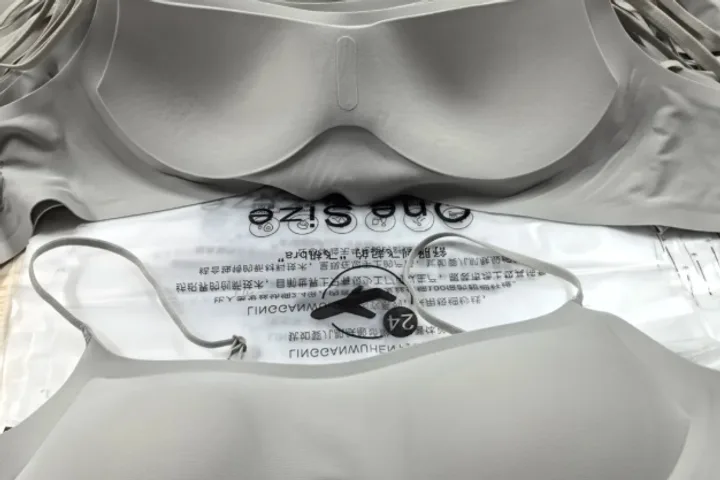
Inspection and packing
- Cartons are checked one by one before anything is packed.
- Then the run is folded, labelled and cartoned to your spec.
A cup that changes after the sample is where a lingerie run goes wrong, so the size set is agreed with the prototype rather than after it.
Lock the fit
Settle the Cup and the Grade on One Sample
Name what you want built in — cup seaming, an underband, a lace edge — and the quote prices the sample separately, with both windows dated.
Why here
Why a Run Is Easier to Place Here than at a Trading Desk
The four points below are the commercial ones — what surrounds the garment rather than the garment itself.
Cut, sewn and checked on one site
One building carries the order from cutting through finishing, and the final inspection happens there too.
A first run that stays small
The first order can be a single colourway; the second adds colours to a pattern that is already proved.
One contact, and they are on the floor
Your questions go to whoever is watching the line, not to an account desk that forwards them.
A quote with the lines itemised
Cloth, trim, sample and freight are broken out on the quote, so a run can be priced before you commit to it.
The floor your order is made on
Production floor
20,000 sqm
Workforce
400+ people
Annual output
~1,000,000 pcs
Operating since
2015
After the run
Two Buyers, in Their Own Words
Real client messages, quoted as written — plus the problem each one brought and what the run changed.
The finished garments exceeded our internal brand audit standards. Our founding team reviewed samples and production runs in detail, and we were impressed with consistent stitching, fabric stability and colour matching across batches. We’re excited to build a long-term partnership.

- Pain point
- Sourcing lingerie suppliers that can maintain consistent quality and pass strict brand quality audits was extremely challenging.
- Many factories cut corners on lace and seam workmanship, failing internal brand review.
- Solution
- Partnered with JaceApparel for custom private-label lingerie production.
- Benefit
- Production runs meet rigorous brand quality requirements.
- Consistent craftsmanship reduces quality complaints and protects our brand reputation for repeat customers.
Our customers love these custom pieces. The tailored fit works beautifully across diverse body shapes, and the fabric stays soft and holds its shape after repeated washes. We see steady repeat visits and organic referrals from happy shoppers.

- Pain point
- Off-the-shelf lingerie comes with limited sizing and poor fit consistency.
- Ill-fitting products drove high return rates and discouraged repeat purchases from our diverse customer base.
- Solution
- Custom lingerie developed with inclusive sizing, with prototype sign-off before bulk production.
- Benefit
- Well-fitted garments cut return rates, boost customer loyalty and generate free word-of-mouth marketing for our boutique.
Worn
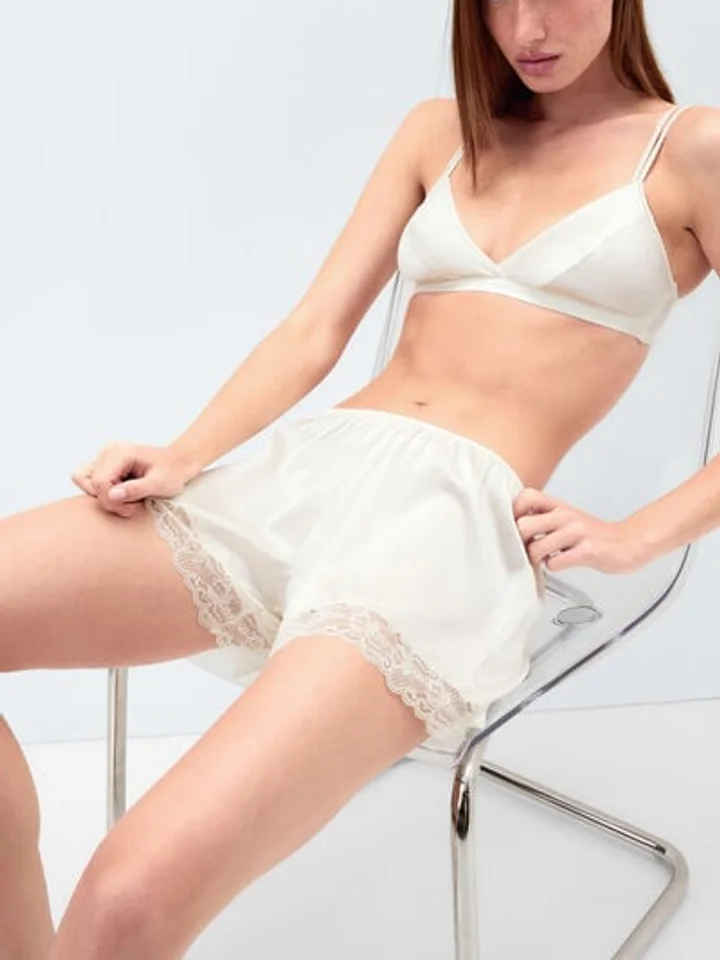
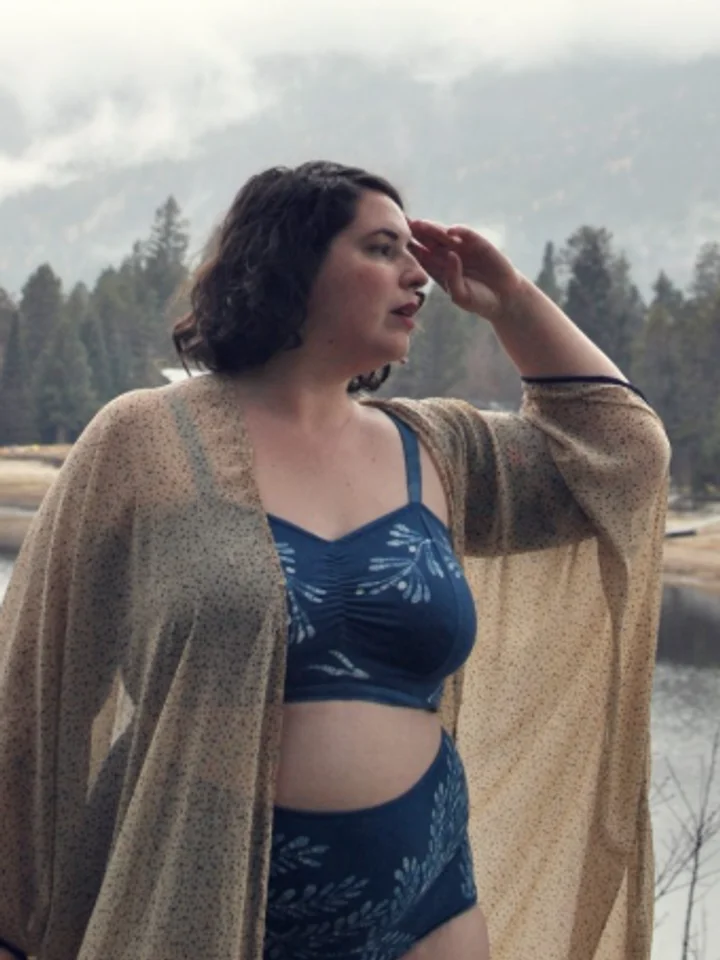
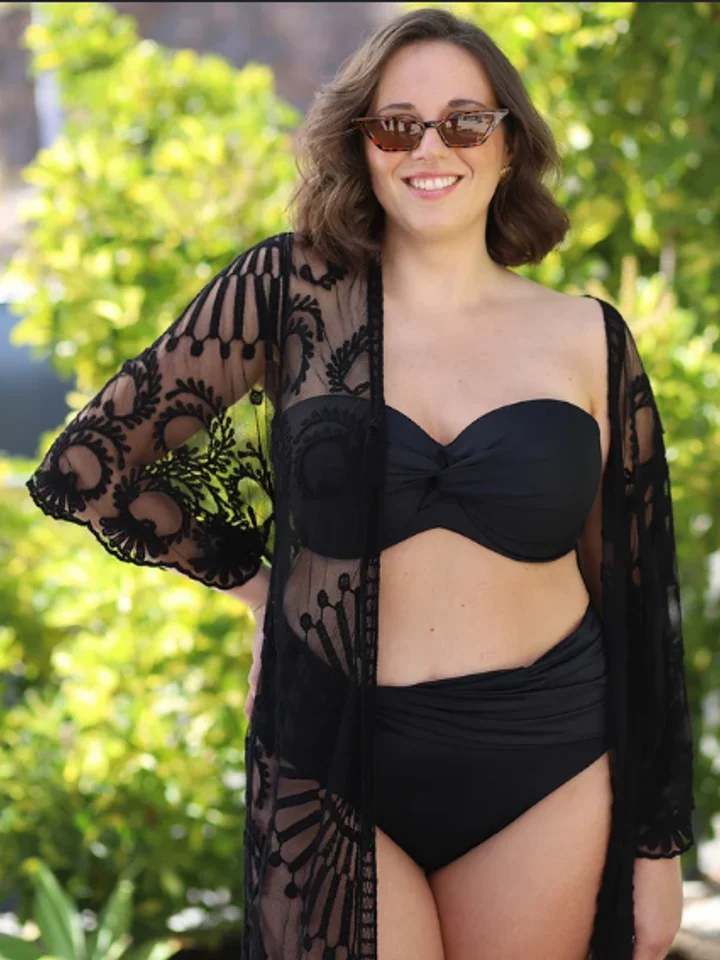
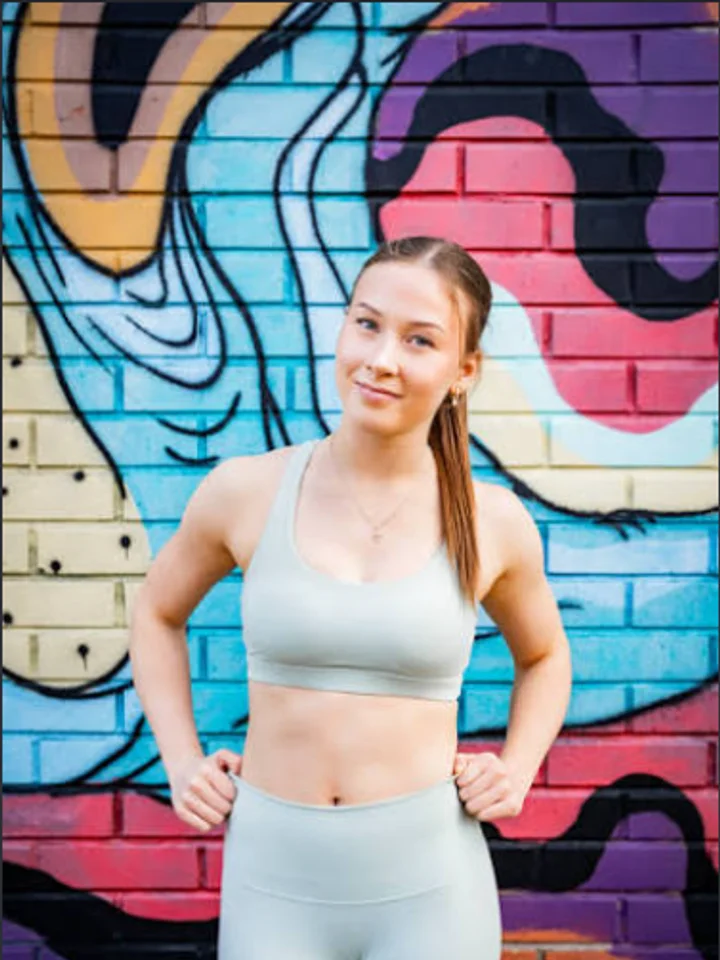
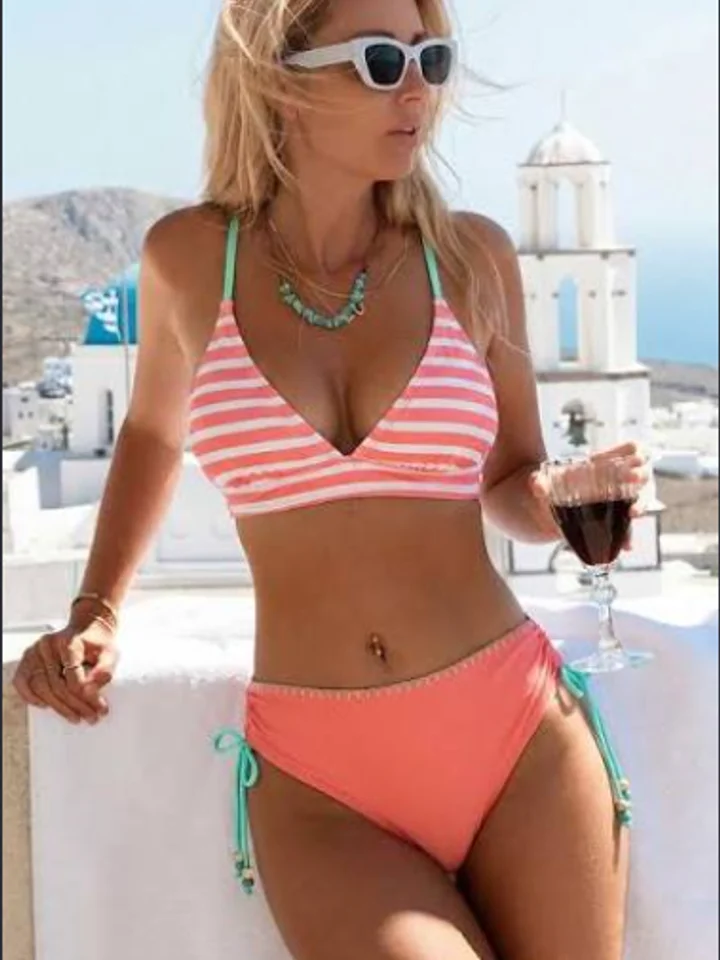
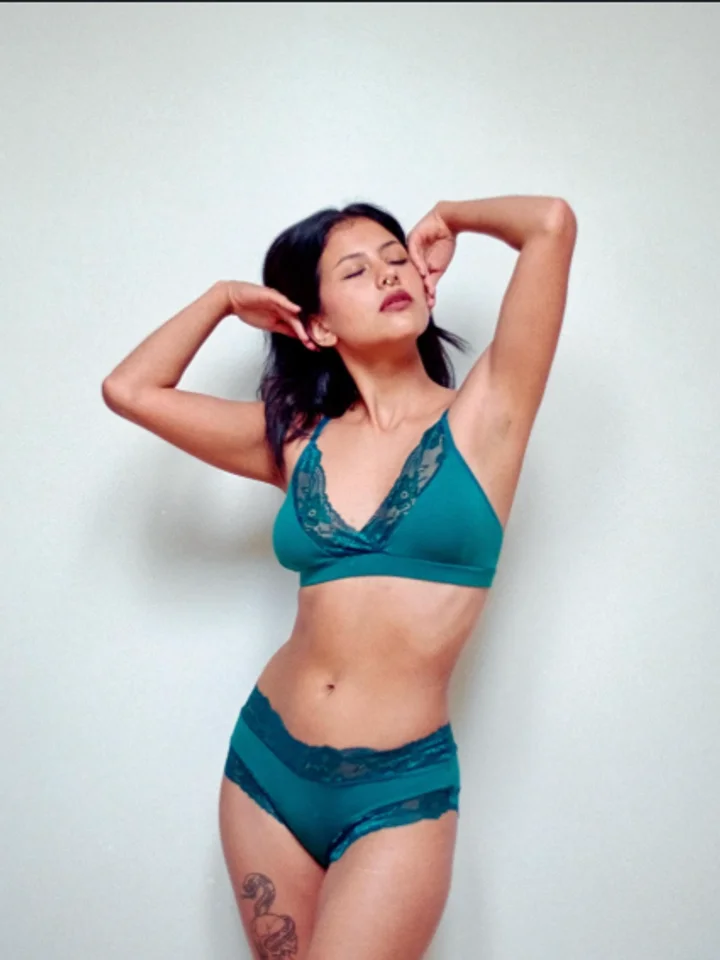
The Sets, Worn Rather than Photographed Flat

Questions
Frequently Asked Questions About Custom Lingerie Manufacturer
01How small can a first lingerie order be?
From 100 pcs per colour. The threshold sits on the colour, not on the style, and the sizes below it mix freely — so a four-size run in one colour is 100 pieces, and a second colour starts its own count.
Ask how the minimum applies02Can you cut a bra or a bodysuit from our own pattern, rather than adapting a stock block?
Yes. Cut-and-sew starts at the pattern, so the cup shape, the band depth and the leg line are drawn to your brief rather than taken off a block. A worn sample, a sketch or a mood board is enough to begin.
Open the customisation scope03Does a lingerie order get a sewn prototype first?
One prototype per style, and it is a sewn piece rather than a drawing. That piece is a 7–10 working-day window from the point the tech pack locks, and 3–5 fit revisions sit inside it. Sampling runs US$80–150 per style, and the fee comes back off the bulk order once it passes 500 pieces.
Ask how sampling runs04How long does a lingerie run take once the sample is approved?
Bulk runs 7–15 working days from the point the approved piece is signed. Adding a colourway after that puts it back in at cutting, on the same pattern, rather than starting the whole sequence again.
See how a finished run was scheduled05How is a lingerie order checked before it ships?
AQL 2.5 governs the final inspection, carton by carton. Where the cloth qualifies, the run can also be placed under the three standards the factory holds — OEKO-TEX 100 for harmful substances, BSCI for the social audit, and GRS for recycled content.
See who issues each certificate06Can the order carry our own label and packaging?
Both are set per order. The neck label, the care label and the bag or box are all specified on the tech pack — and on a delicate piece the printed neck label is usually the better choice, because a woven tag is the thing a buyer feels first.
Read the private-label process07How is a print or an embroidered detail added to a lingerie piece?
Printing goes on after the piece is made up, so the seam and the elastic are left alone. A water-based ink keeps its softness across a knit; a thick surface film will not.
Read how water-based printing works08How does a lingerie order ship, and on what terms?
Transit is 5–7 days by air or 30–45 days by sea. Freight terms are DDP, DAP or DPU into most countries, and whichever one you take is written on the quote instead of being folded into the price of the garment.
Ask about shippingNext step
Send a Piece You Already Sell, a Tech Pack, or a Sketch
Nothing is bundled into one number: the cloth, the trim and the making each carry their own line on the quote.