
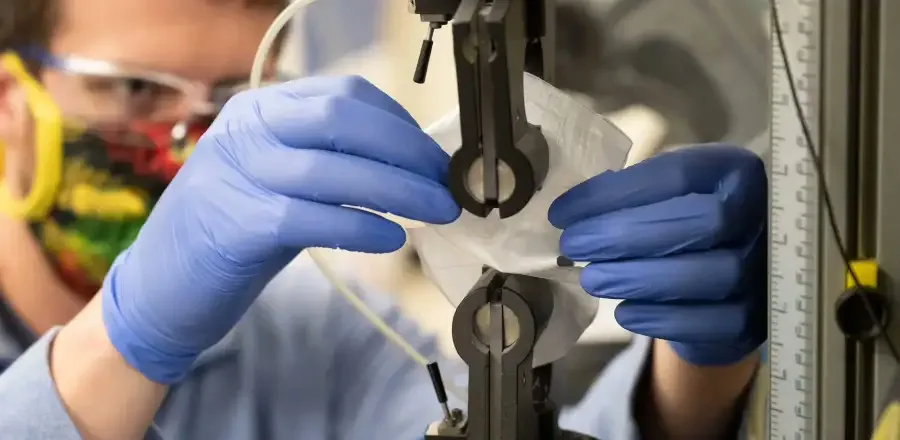
I once watched a brand lose thousands when a sample hoodie shrank two sizes in a cold wash. Fabric testing methods are not abstract lab exercises. They are your only insurance against chargebacks, poor fit, and retailer rejection.
Before approving bulk production, you must verify your materials. We prioritized these core tests using failure data from ASTM International textile standards. Our methodology targets real commercial risks: durability, appearance retention, fit stability, spec accuracy, and performance claims.
5 Essential Fabric Testing Methods
Master 5 fabric testing methods to catch defects early.
1. Tensile Strength Testing for Fabric Durability
I once watched a brand lose thousands of dollars when their activewear line ripped during basic squats. The founders approved a fabric that felt fine in hand, but they never specified a testing standard. As a result, the garments failed under real stress during wear, packing, and washing.
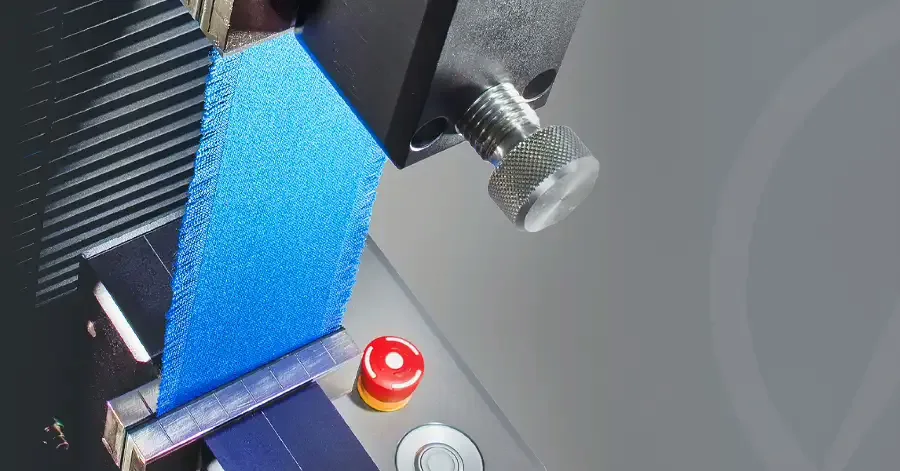
Tensile strength measures the exact pulling force required to break a woven or knit material. It is the ultimate durability metric for tees, hoodies, leggings, uniforms, and bags with fabric panels. Low tensile strength guarantees early product failure, including immediate seam stress and tearing.
To accurately apply fabric testing methods, you must request a specific standard from your supplier. The apparel industry relies on two completely different approaches:
- Grab Test: Pulls only the center fibers of a sample. Labs use ASTM D5034 for US markets and ISO 13934-2 internationally.
- Strip Test: Pulls the entire width of the fabric. You will see ASTM D5035 in the US and ISO 13934-1 globally.
Never treat these results as interchangeable. When I review tech packs in Guangzhou, I routinely catch suppliers quoting high grab test numbers to hide poor strip test performance.
Always request tensile data during your initial sampling phase. This allows you to compare lab reports across suppliers accurately. If a fabric fails your target metrics, take one of these immediate actions:
- Review your fiber blend.
- Upgrade your yarn construction.
- Recheck your total fabric weight specifications.
🛡️ Our Verdict: Request the ASTM D5034 grab test for heavy streetwear like 400 GSM hoodies. This mimics the isolated pulling stress of a customer putting the garment on. If a sample fails, increasing the polyester blend by just 5% solves the structural issue without ruining the organic cotton hand-feel.
2. Color Fastness Testing for Washing, Rubbing, and Perspiration
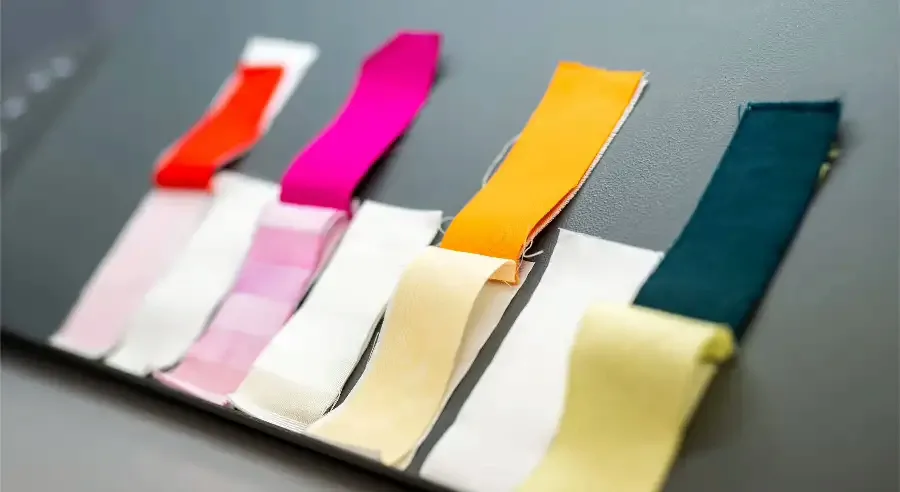
A factory might tell you their black cotton scored a perfect 5 out of 5 for color fastness. That exact same fabric could still permanently ruin a customer’s white sneakers in one afternoon. Color fastness is not a single pass or fail metric. It is a family of specific environmental tests.
You must match your fabric testing methods to how your customer actually wears the clothes. The global framework for this is the ISO 105 series, which separates color retention into distinct categories.
- Washing (ISO 105-C06): Tests laundering resistance. This checks if your fabric bleeds in the machine. It stops customer complaints about dye transfer in everyday apparel.
- Rubbing (Crocking): Measures if dye transfers onto other surfaces through heavy physical friction.
- Perspiration: Tests color loss against acidic and alkaline sweat.
- Light and Water: Checks for fading from UV exposure and rain.
During our quality control checks in Guangzhou, I constantly see what happens when brands ignore these distinctions. Market failures look like red hoodies staining lighter garments in the wash. We also catch mismatched, faded panels on color-blocked tracksuits after simulated wear.
Sportswear and dark shades carry the highest risk. Heavyweight black streetwear often requires multiple dye passes to achieve a deep shade. High-compression nylon leggings face intense sweat and stretching. Both categories demand strict, customized testing.
🛡️ Our Verdict: Never accept a generic fastness report from a supplier. For streetwear, we enforce ISO 105-C06 for washing and strict dry rubbing tests. For activewear, we automatically add perspiration testing. We mandate a score of 4 or higher out of 5 on all dark shades before clearing any fabric for your tech pack.
⚡ Power Move: Ask your manufacturer for the specific ISO 105 test results for washing and rubbing before you pay the bulk deposit on any dark garments.
3. Dimensional Stability and Shrinkage Testing
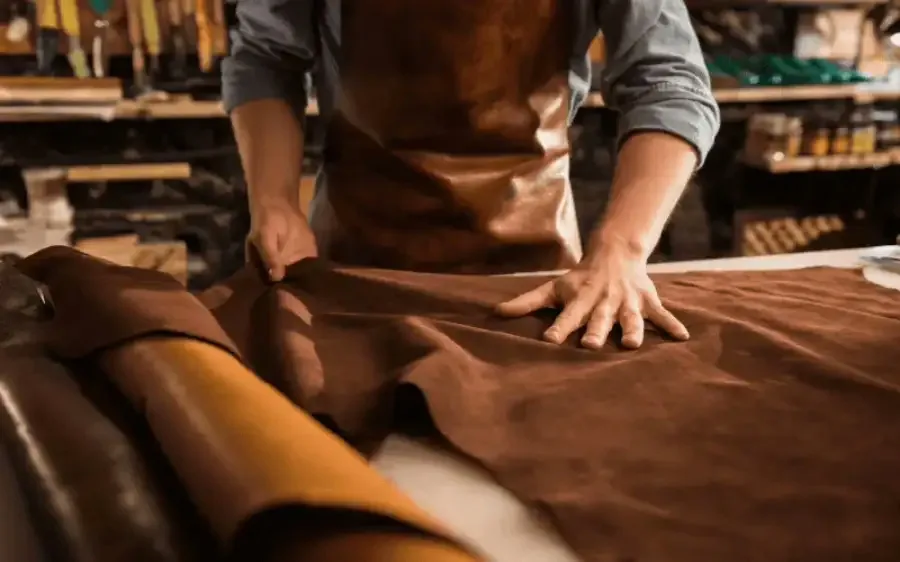
High return rates for “sizing issues” will quietly kill your profit margins. I have watched new brands hemorrhage cash because a perfectly graded medium hoodie shrank into a small after one wash.
This happens due to poor dimensional stability. When fabrics shrink in the warp (length) or weft (width) directions, they destroy your fit specs. Heavyweight cotton jersey, fleece, and blended knits carry the highest risk for this exact failure.
To stop this, you must integrate proper fabric testing methods into your production timeline. In our factories, we rely on a strict three-step workflow established by the International Organization for Standardization to verify fabric behavior:
- Prep: We follow ISO 3759 to prepare and mark the physical fabric specimen.
- Wash: We run ISO 6330 to simulate standard domestic washing and drying machines.
- Measure: We use ISO 5077 to calculate the exact dimensional change after laundering.
When you review the lab report, look directly at the math. The document shows the original dimensions, the post-launder dimensions, and the total percentage change. You must compare that percentage against your garment’s acceptable fit tolerance.
If a 30-inch sweatpant inseam shrinks by 5%, you lose a full 1.5 inches. That garment no longer fits your customer.
🛡️ Our Verdict: I always tell founders to build expected shrinkage directly into their tech pack patterns. When we test a custom fleece and see 3% shrinkage, we oversize the bulk cutting pattern by exactly 3%. We handle this complex grading math on the factory floor so you can focus on scaling your brand.
🚀 Actionable Insight: Demand the raw ISO 5077 shrinkage percentages from your manufacturer before approving your final grading rules.
4. Pilling Resistance and Abrasion Testing
You finally nail the perfect heavyweight hoodie. It feels bulletproof. But two weeks later, a customer complains that it looks five years old. I see this constantly with new streetwear brands. A garment can pass every structural strength test and still look incredibly cheap after minimal wear.
Physical strength is entirely different from surface durability. To protect your brand reputation, you must test for two major surface failures:
- Pilling: Loose fibers tangle into tiny fuzz balls. This friction ruins brushed knits and heavy hoodies. Customers view fuzz as a major quality failure long before a seam rips.
- Abrasion: This is the actual wearing away of the fabric surface. Constant rubbing creates shiny wear spots on gym leggings and thins out thick uniforms. The garment is technically intact, but it looks terrible.
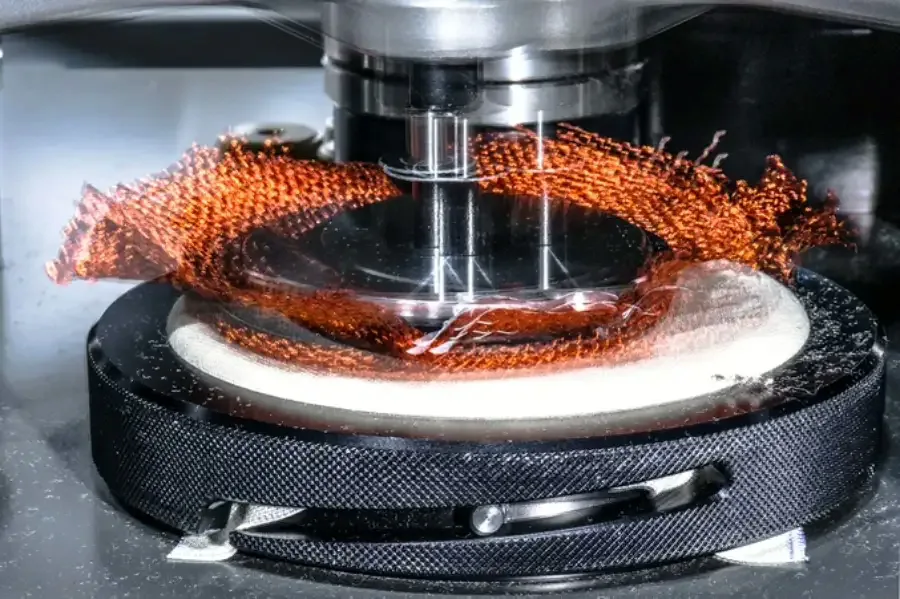
You can predict these visual failures using established fabric testing methods. For pilling resistance, we strictly follow the ASTM D3511 standard or use an ICI Pilling Box. These tests tumble the fabric inside a cork-lined box to simulate daily friction. For surface abrasion, we run the Martindale test or Wyzenbeek method. These machines rub your sample against a rough material in tight circles until the top fibers snap. In our facility, we always test custom heavyweight cotton blends because they often fail these specific friction tests.
🛡️ Our Verdict: When I review tech packs for high-friction activewear or heavy hoodies, I always check the Martindale data first. We mandate a minimum grade of 4 out of 5 for pilling resistance. If a fabric scores a 3, it will definitely get fuzzy under the arms. We fix this early by adjusting the yarn twist or applying a specific anti-pilling enzyme wash before we start your bulk production.
5. GSM, Fiber Composition, and Moisture-Management Testing
I constantly see founders pay for premium 400 GSM hoodies, only to receive flimsy 320 GSM bulk orders. Factories sometimes cut fabric weight to pad their margins. You must verify weight using ASTM D3776. This fabric testing method guarantees consistency in hand feel, drape, and warmth. If your tech pack specifies a heavyweight winter fleece, this test proves you got what you paid for.
Next, verify the chemical composition. During my early sourcing trips to Zhejiang, I caught unvetted suppliers sneaking cheap recycled polyester into expensive organic cotton runs. Detailed fiber identification protects your textile labeling compliance and sourcing integrity. If you plan to market a sustainable bamboo blend or an OEKO-TEX certified finish, you need hard lab proof. This prevents costly customs seizures and protects your brand reputation.
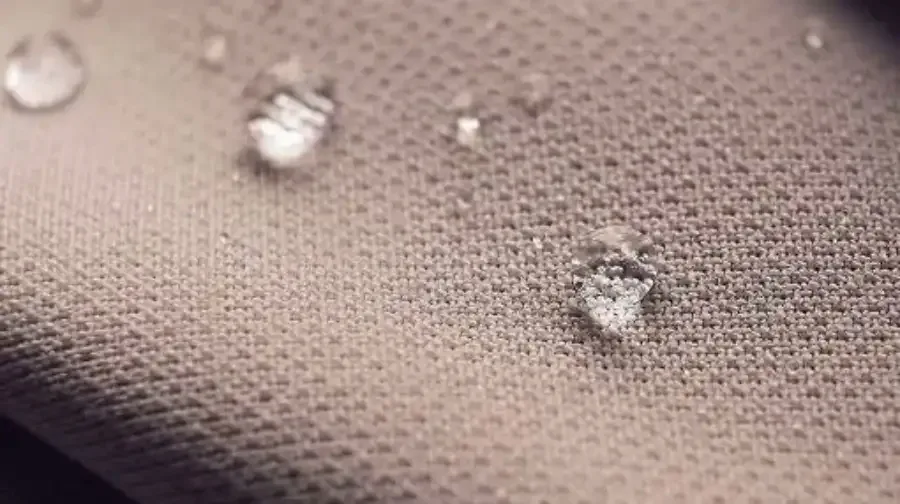
Finally, activewear brands must verify performance claims. If your high-compression leggings trap sweat, customers will demand refunds. Never ask a lab for a vague moisture test. They will usually run a basic moisture regain check like ASTM D2654. That test only measures how much water the material naturally holds at rest. It does not measure how fast sweat moves away from the skin during an intense workout. Instead, request specific capillary wicking tests, like AATCC 198, to evaluate true comfort-performance.
🛡️ Our Verdict: When sourcing activewear fabrics in Guangzhou, I never trust verbal claims. We mandate formal composition and performance testing before printing your custom woven tags. This strict specification control ensures your final product performs exactly how you market it.
How to Execute Fabric Testing Methods (With Lab Checklist)
Step 1: Choose between ISO and ASTM standards
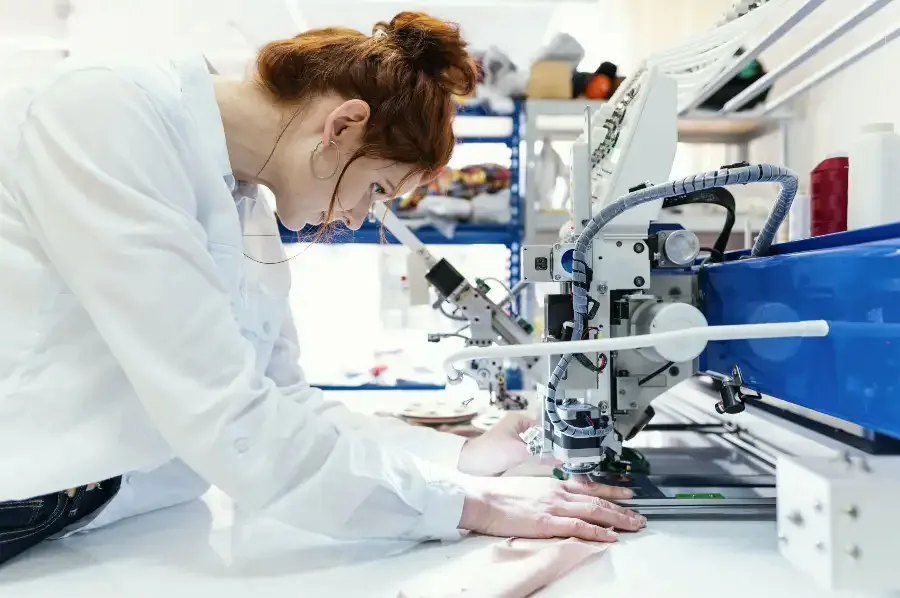
When I build a testing protocol for a new brand, I always start with the framework. Choose ISO if you work with a global supplier network. It is an internationally harmonized system. Choose ASTM if you buy from American labs. It is a US-rooted standards body.
Write the exact method number into your purchase specs. Never let a supplier substitute an “ISO equivalent” or an “ASTM equivalent” into your contract. In my experience running quality assurance, these equivalent tests rarely produce comparable numbers. A slight variation will ruin your entire production run.
Step 2: Fix common manufacturer failures
Our Experience: I review failed lab reports daily in our facility. Fabrics usually fail pilling or shrinkage tests at the foundational engineering level. When t-shirt fabric types fail pilling tests, check the yarn immediately. Tell your factory to fix short staple fibers, low yarn twist, or loose knitting. When heavyweight cotton fails shrinkage limits, audit the finishing process. Demand corrections for insufficient singeing, poor compacting, or inadequate pre-shrinking. If activewear loses its shape, the factory likely used weak heat-setting or unstable finishing conditions. Fix these technical flaws before you approve bulk production.
Step 3: Use this exact lab checklist template
Do not rely on verbal approvals during your sample process. Copy and paste this exact checklist. Hand it to your quality team. It maps perfectly to standard AQL chart inspections and ensures your clothing label requirements stay strictly legal.
Lab Test Approval Checklist:
- Style Name & Fabric Code
- Color & Lot Number
- Supplier Details
- Composition & GSM explainer Target
- Requested Standards: List exact ISO/ASTM numbers
- Conditioning Atmosphere: Define temperature and humidity
- Sample Size & Test Date
- Pass/Fail Criteria
- Result Column
- Comments & Corrective Action
- Approval Sign-off
Embed this checklist into your core manufacturing process. Verify every single detail. Check organic GOTS content claims using the official Global Organic Textile Standard database. Confirm final logistics packaging limits.
Stop gambling on unverified materials. Build a solid foundation for your clothing brand. Reach out to our production team at JaceApparel and let us handle the exact testing protocol for you.
People Also Ask About Fabric Testing Methods
1. Should I require ISO or ASTM testing for my brand?
As we noted earlier, choose your standard based on your target market. If your main market is the US, use ASTM. Use ISO if you sell to global customers. In my experience negotiating with Guangzhou suppliers, factories tend to default to ISO because they serve European brands. Pick one system and stick with it. Mixing standards across different production runs ruins your quality control data.
2. What is the minimum fabric test package for a new brand?
Do not skip basic tests to save money. At JaceApparel, our minimum mandatory package includes GSM weight, dimensional stability, and color fastness to washing. If you launch activewear, I always make founders add a stretch recovery test. This core bundle prevents the most common sizing and dye transfer returns. We built this specific package because it catches major factory errors before bulk cutting begins.
3. Do I need more than one color fastness test?
Yes. One single test will not protect your inventory. A fabric might survive a cold washing machine but still bleed dye onto a car seat when a customer sweats. Our factory team tests dark garments for washing, dry rubbing, and perspiration. You must match the test to the real world. Activewear requires different friction testing than a loose streetwear hoodie.
4. When should I test my fabric during production?
You must test your fabric before you pay your bulk production deposit. I see many new owners wait until the final garments arrive. By then, it is too late to fix errors. You must test the initial sample yardage first. If it passes, you can approve the bulk fabric order. We enforce this exact timeline to protect your upfront capital.
5. Does GSM testing require special lab conditioning?
Yes, it does. Natural fibers like cotton and bamboo absorb moisture from the air. If a factory weighs fabric in a humid room, the GSM reads higher than normal. You must require the lab to condition the fabric according to standard ASTM D1776 before testing. This rule guarantees you receive the thick, heavy material you requested.
6. What do I send to a third-party testing lab?
You must send one full physical fabric yard, your specific end-use goals, and our lab checklist template. Never send fabric and ask for a general test. When unguided clients do this, labs return useless data. You must name the exact test methods. Tell the lab if the fabric is for high-compression gym leggings or heavyweight streetwear. This context dictates the precise pass or fail limits they apply to your report.
Ready to Stop Guessing and Start Testing?
If you’re tired of gambling on unverified fabrics and surprise failures, let our production team build a battle-tested fabric testing protocol for your brand. We’ll translate your target market, price point, and product category into a clear testing roadmap that labs and factories actually follow.
👉 Book a free, no-obligation review of your current materials and test reports and get a tailored action plan for your next production run.