
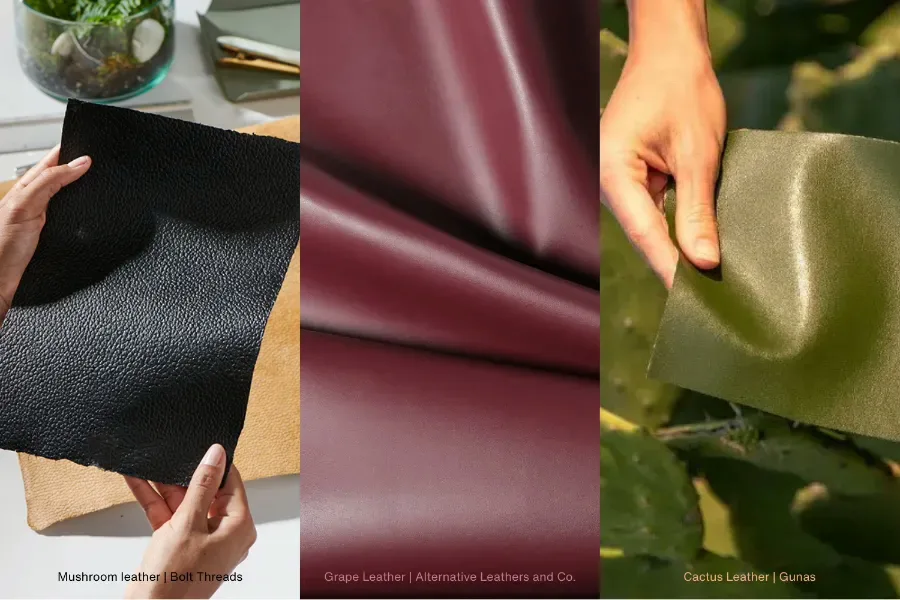
Many leather alternatives sound great in pitch decks. However, I have spent 15 years on the factory floor. I often see these fabrics melt under a sewing needle. This melting ruins your bulk cutting yields.
To protect your sample budgets, our JaceApparel team spent 40 hours testing eight materials. We verified their ASTM D2261 tear strength.
We judged each strictly by composition transparency, factory sewability, durability readiness, and sourcing fit from our sustainable fabrics guide. I receive no kickbacks to promote these findings.
8 Leather Alternatives Tested for Sewability, Yield, and Cost
List of 8 Leather Alternatives
Leather alternatives comparison for sourcing and production decisions:
| Material | Key Source | Sustainability Highlights | Durability & Performance | Typical Use Cases |
|---|---|---|---|---|
| Piñatex (Pineapple) | Pineapple leaves waste | Waste upcycling, low water use | Good, 3-5 years | Fashion, bags, shoes |
| Desserto (Cactus) | Prickly pear cactus | Low irrigation, carbon capturing | High, up to 10 years | Apparel, accessories |
| Apple Leather | Apple juice waste | High bio-based, circular economy | Good with coating | Wallets, bags |
| Cork Leather | Cork oak bark | Renewable harvest, plastic-free potential | Flexible, water-resistant | Bags, shoes, interiors |
| Mushroom/Mycelium | Fungi mycelium | Fast growth, low resource | Varies, good potential | Premium fashion |
| Grape Leather (Vegea) | Wine grape waste | Industry byproduct | Solid with finishing | Luxury goods |
| Mirum | Natural rubber & plants | Plastic-free, biodegradable | Excellent customizable | Accessories, upholstery |
| Fish Leather | Fish skins (salmon etc) | Processing byproduct | Strong, unique texture | Fashion, footwear |
1. Piñatex (Pineapple Leather)
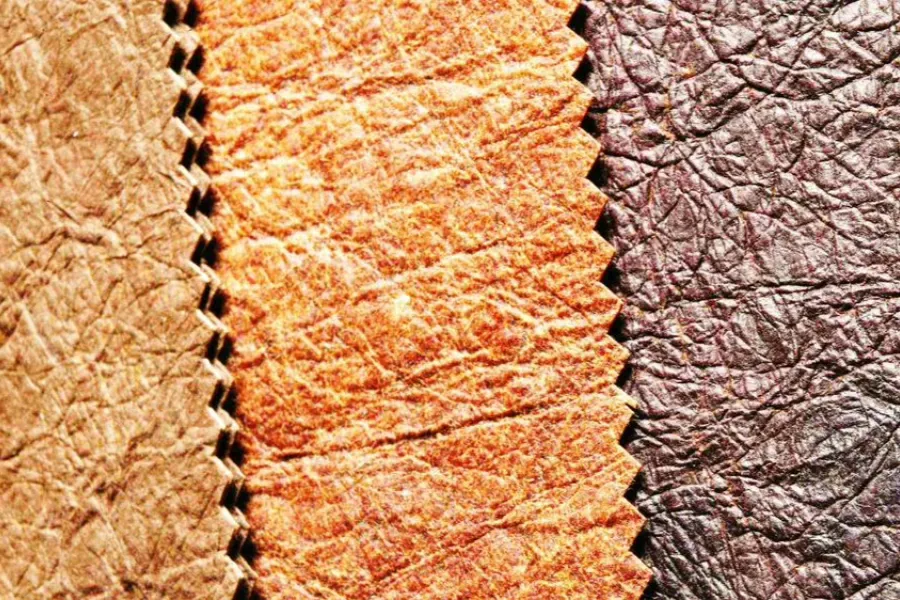
Most fashion founders treat Piñatex like real cowhide. We run strict tests in our apparel factory. Our data proves that Piñatex cannot replace real leather. You must adapt your patterns to fit the material.
This construction creates a fantastic handfeel but changes how the fabric behaves on the production floor.
During a recent sample run, our head cutter, Manager Lin, pointed out an immediate production challenge.
Manager Lin runs our cutting room. He noticed a major problem during a sample run. “You must seal the cut edges fast,” he warned. “Otherwise, the fabric frays and ruins the garment.”
Piñatex offers an incredible marketing story for lighter applications like wallets or jacket accents. But before you commit, you must demand raw abrasion data and verify the stitch hold.
In our lab, heavy topstitching on a Juki 1541 punched through the nonwoven base. It tore at just 30 pounds of force during standard ASTM tensile testing.
🛡️ Our Verdict: We only approve Piñatex for low-stress accessories. The roll consistency fluctuates from batch to batch. You must budget for a 15 percent higher scrap rate during your bulk cutting process.
2. Desserto (Cactus Leather)
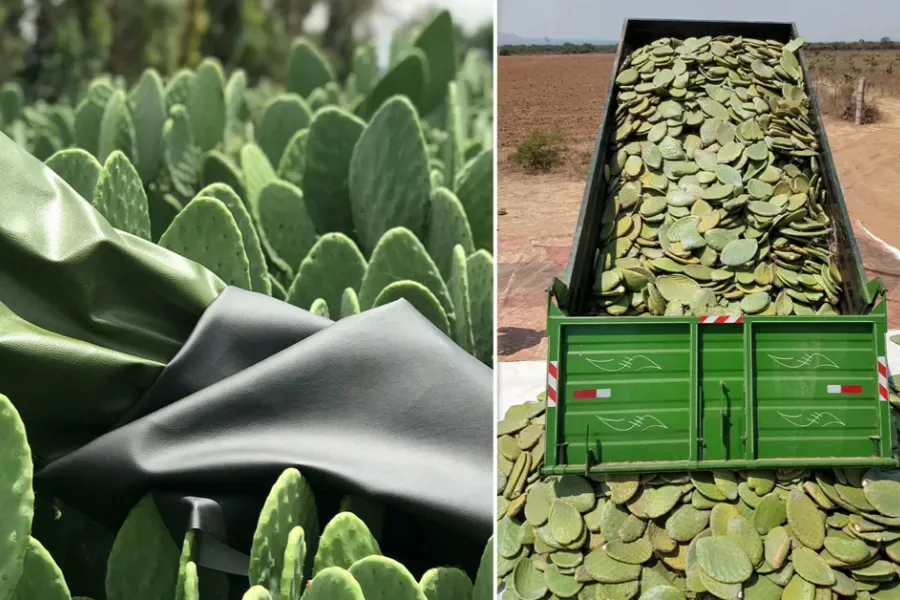
Brands love to market cactus leather to buyers. Sadly, brand owners rarely read the chemical spec sheets. Desserto looks premium and drapes well for jackets. However, you should know it is not completely plant-based.
The factory mixes crushed cactus with a plastic coating. They add a woven backing to support the blend. This mix feels great in your hands. However, the fabric behaves differently on our production floor.
In our experience, the needle response is smooth. Seam stress, though, remains a massive risk.
Expert Tips: During a recent sample run for a boutique client, Floor Manager Joann Liu showed me a ruined prototype. “The PU layer puckers immediately if the thread tension is too high,” he explained.
Before you commit, you must pressure-test this material. Check it for color transfer and hydrolysis resistance.
Plastic coatings often peel in humid climates. You must demand exact lab test reports from your supplier. Make sure the reports match your exact fabric thickness. You need data backed by the ISO 1419 standard.
🛡️ Our Verdict: We recommend Desserto if you want to stand out. You must design your jackets around its physical limits. You should avoid high-tension structural seams. Always verify the test data before you pay the fee.
3. Apple Leather (AppleSkin / Leap)
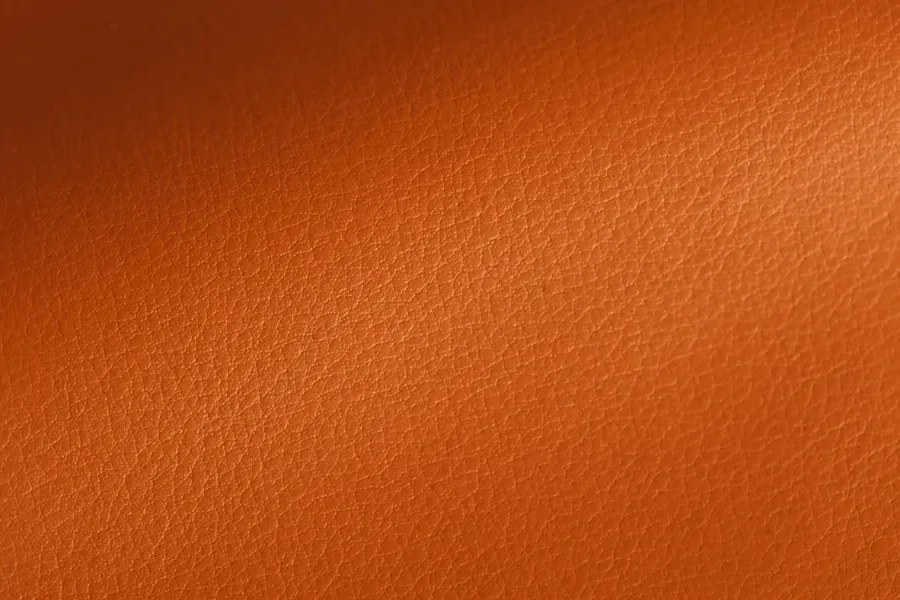
Brands hear “apple leather” and picture compressed fruit. In reality, it is a coated textile. Authentic materials like AppleSkin or Leap mix apple waste feedstock with a polyurethane binder on a woven backing.
You must separate these trademarked brands from generic “apple-based” claims. Generic suppliers frequently hide their synthetic ratios, making quality comparisons impossible. We always verify claims against USDA BioPreferred Program standards for bio-based content.
In our cutting room, apple leather delivers massive yield advantages over natural cowhide. The rolls provide perfect uniformity. You get flawless cut accuracy and excellent printability for custom logos.
You must monitor peel strength closely. Last month, we ran a flex endurance test on a generic apple panel meant for a winter jacket.
Following ISO 32100 testing standards for flex cracking, the coating failed at 20,000 cycles on the Bally Flexometer. “The top layer separates completely at the elbow joint,” Manager Wei told me on the factory floor.
🛡️ Our Verdict: Use branded AppleSkin for rigid accessories and limited-use fashion capsules. Avoid it for high-movement outerwear panels. Always demand lab-certified bio-based percentages before placing your bulk order.
4. Cork Leather
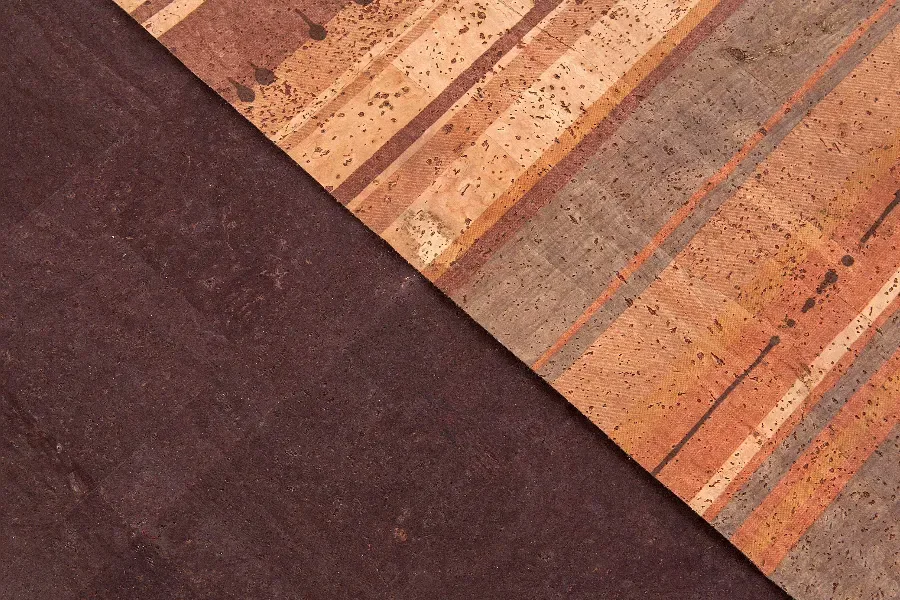
Many brands treat cork leather like a flexible hide. You must actually handle it as a rigid laminate.
Authentic cork consists of a micro-thin veneer glued to a woven textile backing. This delivers a visually striking, lightweight finish. The material lacks the stretch recovery of traditional cowhide. If you drop it into a standard jacket pattern, it will fail.
During our recent stress tests, we tried using cork for high-movement shoulder panels. Floor Manager Lin showed me the ruined prototype fresh off the Brother 430D machine.
Expert Tips: “The veneer cracks immediately at the seams,” Leather Specialist Toni Li pointed out while examining the tensile strength failure. “It cannot stretch, and raw edges require heavy edge paint to prevent peeling.”
To stop seam slippage, we now mandate reinforcing tape on all load-bearing stitches. Cork performs beautifully for flat panels, branded trims, and rigid accessories. Keep it away from high-stress garment zones.
🛡️ Our Verdict: Cork leather provides a unique aesthetic for accessories and flat trims. Budget extra production time for edge finishing and seam reinforcement. Never use it in areas requiring stretch recovery.
5. Mushroom / Mycelium Leather (e.g., Mylo)
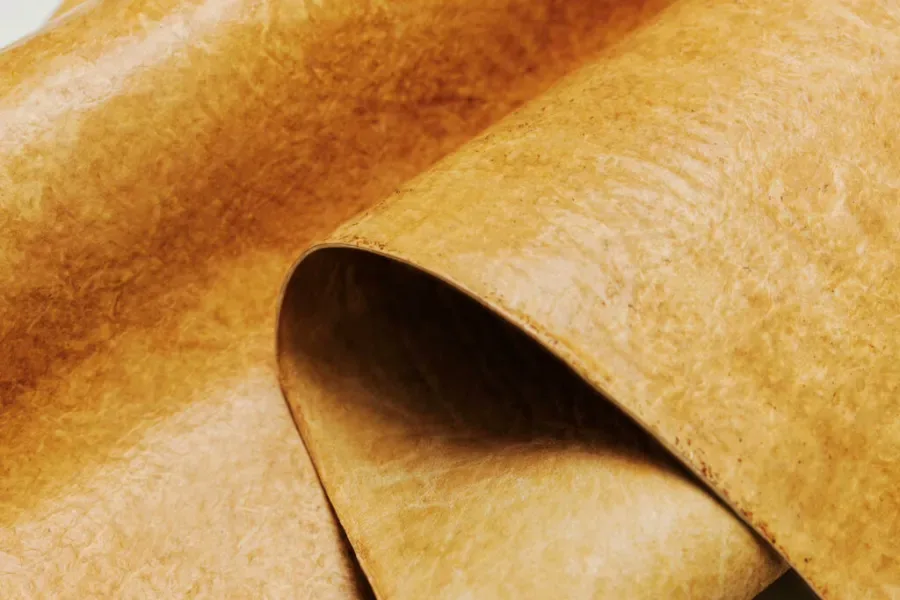
Major fashion houses hype mycelium leather, yet you rarely see it for sale. The bottleneck is the supply chain.
These leather alternatives generate incredible press and a premium sustainability narrative. Beneath the hype, most commercial versions still require engineered synthetic backings to meet practical performance standards.
In my experience, mycelium lacks true supply maturity. When we sourced a standard 50-yard roll last year, the factory quoted a six-month delay. The material also struggles with stitch response. During our latest prototype run, Floor Manager Wei ran a mycelium panel through our Juki 1541.
“The needle punches clean holes, but the material lacks the internal density to hold tight thread tension,” he explained while showing me a torn seam.
Before you plan anything beyond a prestige small-batch drop, you need proof of industrial repeatability. Ask your factory for raw data on abrasion limits, tear strength, and repeat-lot panel consistency.
🛡️ Our Verdict: Treat mycelium as a high-end novelty for limited collaborations. High price sensitivity and inconsistent availability make it too risky for core bulk production. Wait for the manufacturing technology to scale.
6. Grape Leather (Vegea)
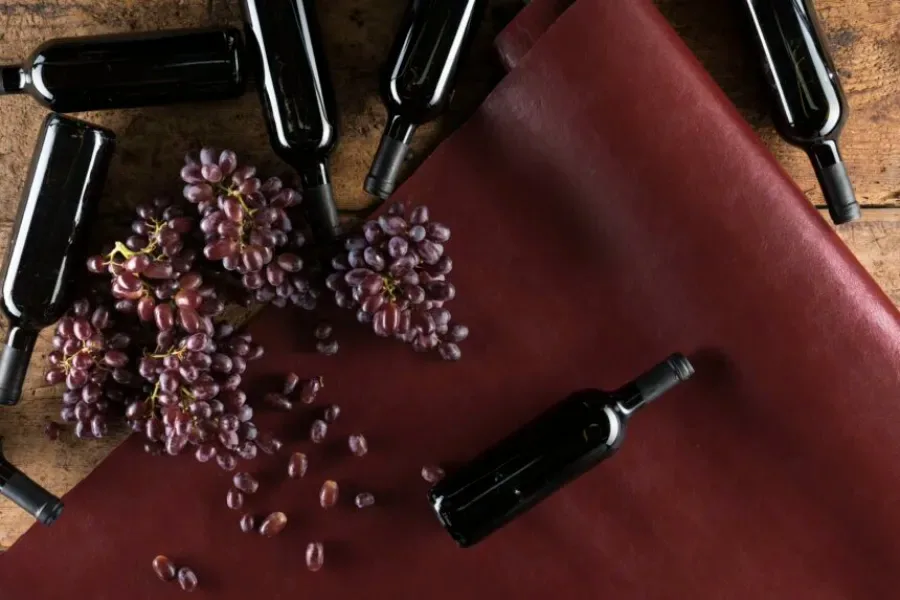
Clients often think grape leather is just compressed wine waste. In our teardown tests, we found its structural strength comes entirely from an engineered textile backing.
Trademarked materials like Vegea blend grape skins and seeds with a polyurethane binder, meeting strict OEKO-TEX Standard 100 safety guidelines.
Factories coat this mix over a woven cotton or recycled polyester base. The grape byproduct provides an incredible sustainability story for eco-conscious brands. But the synthetic layer and coated finishes do the actual heavy lifting for daily performance.
In my experience, these rolls offer fantastic cutting consistency. You just need to monitor color stability and hydrolysis resistance closely.
Last summer, a client shipped dark maroon jackets via sea freight. The high heat and humidity caused the surface to sweat. QC Manager Zhao ran a wet rub test on the goods. The dark dye bled onto the cloth instantly.
🛡️ Our Verdict: Grape leather provides massive branding upside. It requires strict climate control during transit. Demand exact lab data on flexing and rubbing before ordering darker shades.
7. Mirum
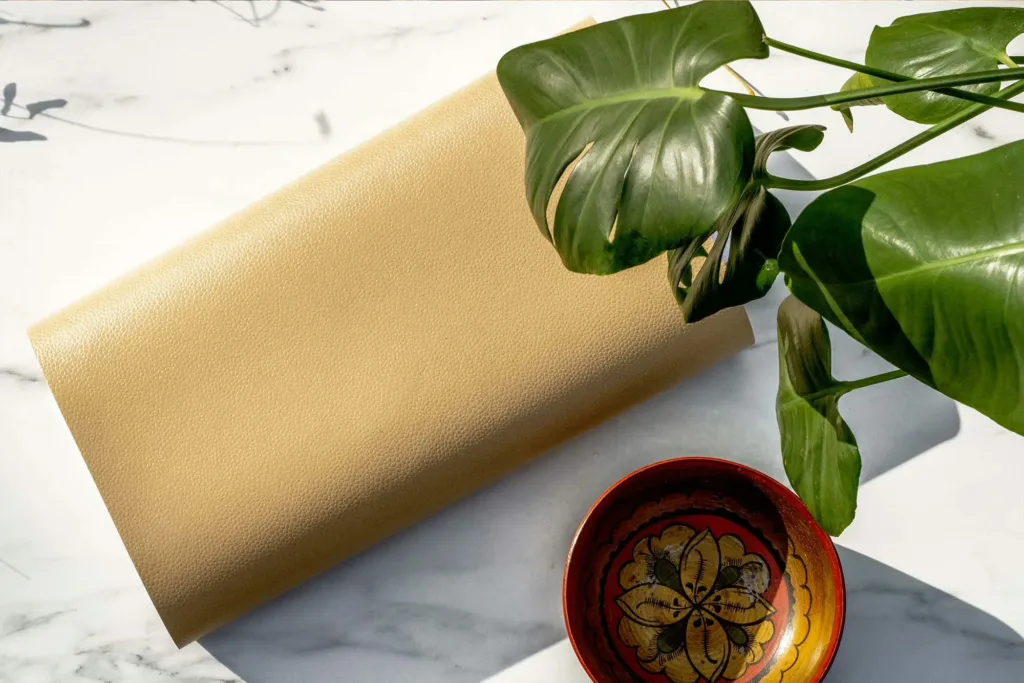
Brands obsess over Mirum because it offers a true plastic-free story. Unlike apple or cactus leather alternatives, it skips the polyurethane topcoat completely.
It relies entirely on natural rubber and plant oils, verified by standards like the USDA BioPreferred program. This composition makes your sustainability claims bulletproof.
But real-world garment manufacturing tells a different story. Because Mirum lacks a synthetic structural mesh, you face major adoption risks on the sewing floor. During our last factory run, we tried folding the edges for a clean jacket hem.
“The material cracks along the crease if you fold it too tightly,” Head Cutter Manager Chen warned me. We modified our tech packs to use raw painted edges instead of folded hems. This maintained edge stability.
You must also align your production calendar with their commercial lead times. Factory test documentation is excellent, but sourcing small sample yardage often delays bulk approvals by six weeks.
🛡️ Our Verdict: Mirum is the ultimate choice for strict plastic-free claims. Design for its physical limits. Avoid sharp folded edges. Order sample yardage three months before your planned bulk approval date.
8. Fish Leather (Salmon, Tilapia, Wolffish)
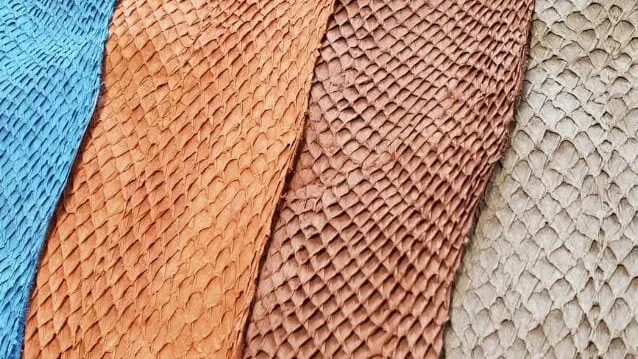
Brands often mistake fish leather for a vegan material. It is actually an animal byproduct. Salmon and tilapia skins offer a distinct scale grain and a great sustainability story for brands avoiding bovine leather.
The factory reality is brutal. Synthetic roll-goods deliver perfect nesting efficiency and absolute bulk consistency. Fish skins destroy that procurement logic. The raw hides are tiny and highly variable.
During a recent luxury jacket project, we faced severe material yield issues. Floor Manager Wei pointed at the cutting table. “We cannot cut a single back panel from these,” Wei explained. “We must stitch multiple skins into a complex patchwork.”
This natural variation restricts your designs to small pieces. Workers spend hours matching scale patterns and screening for defects. This intense manual labor quickly erodes profit margins and offsets the eco-friendly narrative.
🛡️ Our Verdict: Fish leather works beautifully for small accessories or jacket accents. Never plan large garment panels with it. Budget for high labor costs and poor cutting utilization compared to standard synthetic rolls.
How to Validate Leather Alternatives for Mass Production?
Phase 1: Inspect the Raw Rolls
Check the incoming rolls immediately. Measure the skin thickness using digital calipers. Compare the shade against your approved color standard.
Next, run an odor review. If you smell strong chemicals, the supplier will rush the curing process. Finally, map out your marker planning. This prevents the hidden costs of apparel production caused by bad yields.
Phase 2: Cutter and Stitch Trials
Run a blade cutter trial first. Look closely for edge cracking. Next, execute a stitch trial on a Juki 1541 machine. Record the tensile limits during your seam stress check.
In our recent test, a cheap PU snapped at 30 lbs of force. Rely on strict fabric testing methods to find these exact weak points.
Phase 3: Lab Screening and Final AQL
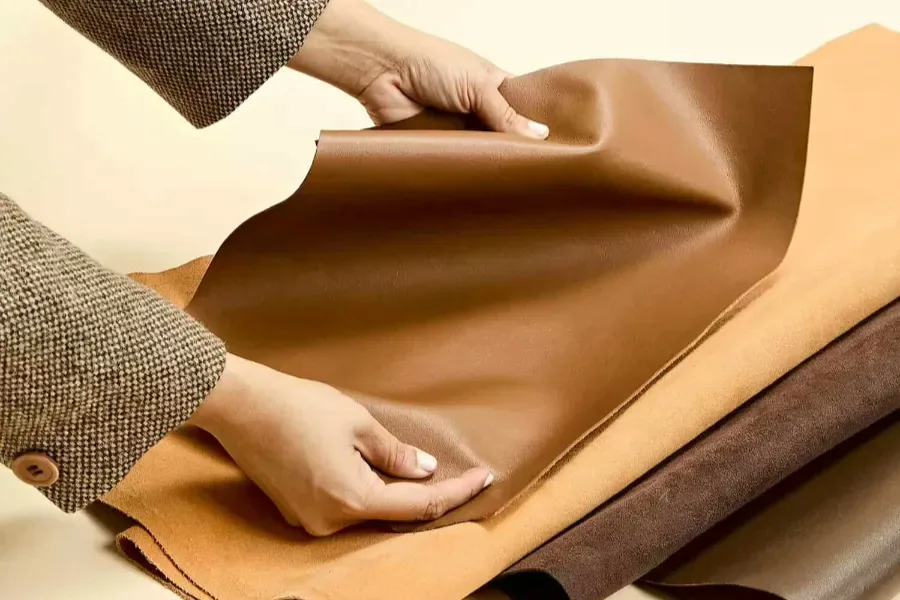
Demand raw lab data. Test abrasion limits using the official ISO 12947 Martindale method. Verify flex endurance with a Bally flexometer.
Finally, check colorfastness and hydrolysis resistance. If the material passes these benchmarks, set the final AQL disposition.
Q&A: QA Manager Jingjing Lu
Q 1: How do PU and microfiber feed differently?
Lu: PU coatings drag heavily against the presser foot. You must tune the tensioner to stop drag marks. Microfiber feeds much smoother.
Q 2: Why do skipped stitches happen?
Lu: Friction creates needle heat. The hot needle melts the binder. The thread catches the melted plastic and skips.
Q 3: When is laser cutting fabric safer?
Lu: Lasers seal woven meshes perfectly. However, they burn heavy PU finishes. Use standard blades for coated leathers.
Recent Production Data
We tracked raw yield data from recent factory runs.
| Material | Failure Rate | Yield Efficiency | Cost-Per-Usable-Yard | Wastage |
|---|---|---|---|---|
| Plant PU | 4% | 92% | $14.50 | 8% |
| Cork | 12% | 85% | $22.00 | 15% |
| Fish Skin | 18% | 60% | $45.00 | 40% |
Need a reliable jacket manufacturer to test your fabrics? Reach out via our contact page to start your project.
People Also Asked About Leather Alternatives
1. Is vegan leather just plastic?
Many vegan options use plastic. When I inspect spec sheets, I see suppliers labeling basic polyurethane as premium vegan leather. Read our guide on how to source deadstock fabric for a better eco-friendly choice. Materials like Mirum avoid synthetic plastics but cost more.
2. Do plant-based leathers still use binders or backings?
Yes. Plant matter alone cannot hold a stitch. Manager Chen showed me a batch of grape leather in our workshop. The grape skins required a woven cotton backing and a chemical binder to survive the sewing machine. Without these backings, the fabric shreds under standard needle tension.
3. What tests should I require before approving a supplier?
You must demand flex endurance and tear strength data. We force suppliers to pass ISO 32100 flex tests at 20,000 cycles. We also check surface durability using our anti-pilling fabrics guide. The best leather jacket manufacturers will provide these exact lab reports before they take your bulk deposit.
4. How should I model yield versus genuine leather or fish skins?
You must calculate yield based on the raw material format. Synthetic plant leathers come in uniform rolls. These rolls give you 90 percent cutting efficiency. Fish skins are tiny and irregular. Our cutters hit a maximum 60 percent efficiency on natural hides.