

If your white tee looked opaque in the sample but arrived see-through in production, consistency is the issue. Answering what is GSM fabric solves this specific sourcing failure. GSM (Grams per Square Meter) measures fabric mass per unit area. It provides a static number to predict how a garment feels, hangs, and endures wear.
Reliable production requires moving beyond subjective adjectives. You must leverage technical standards like ASTM D3776 to define weight requirements clearly. Furthermore, selecting a manufacturing partner with strict quality controls ensures the final product matches these specifications. This guide covers standard weight ranges for streetwear and activewear, how to convert specs for international buying, and practical tests to verify fabric density.
What is GSM Fabric?
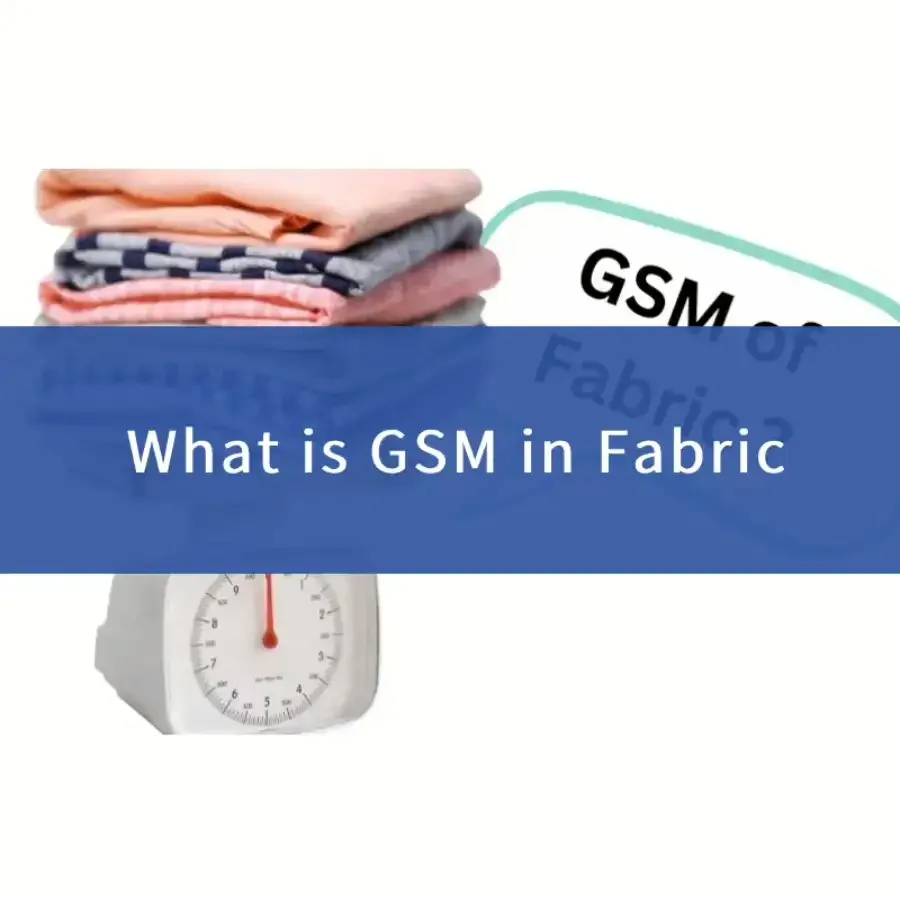
What is GSM Fabric? It is a metric measurement standing for Grams per Square Meter. It defines the mass per unit area: if you cut a textile square measuring exactly 1-meter by 1-meter, its weight in grams is the GSM score.
This metric provides a universal standard for the textile industry. It allows buyers to compare material density across international suppliers, ensuring that a “heavyweight” specification matches whether the factory is in Vietnam or Portugal.
What GSM reveals (and what it doesn’t)
Many founders mistake weight for quality. While related, they are distinct properties.
- GSM tells you: Relative heaviness, potential opacity (how see-through it is), and drape.
- GSM does NOT tell you: Thickness, softness, warmth, or fiber quality.
The confusion: Thickness vs. Weight
A higher GSM does not guarantee a thicker fabric. Weight measures mass, while thickness depends on the fiber’s structure and weave.
For example, a 250 GSM cotton fabric often feels thick and structured. However, a 250 GSM rayon fabric or spandex blend may feel thinner and fluid because the fibers have a higher specific gravity and are packed tighter. Verifying these specs against standard test methods like ASTM D3776 is crucial for accurate sourcing.
💡 Key Insight: GSM measures density, not luxury. A heavy fabric can still be rough, and a light fabric can be premium.
How GSM Works: Standards and Measurement
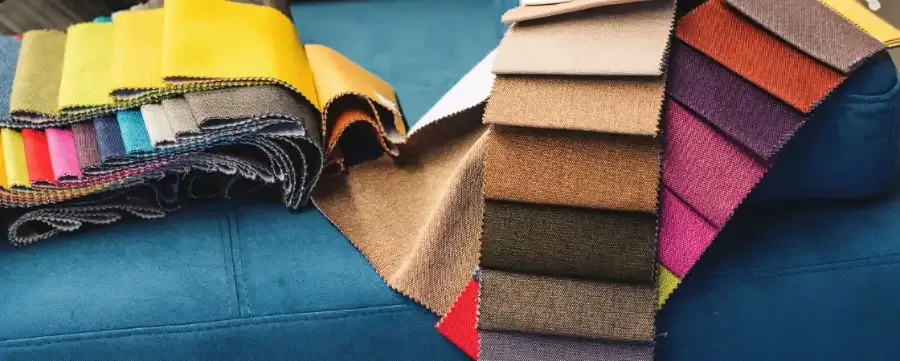
Understanding What is GSM Fabric? requires moving beyond tactile guessing. It is a calculated engineering metric. To ensure the Ice Silk you order in July matches the batch received in December, you must treat GSM as a fixed data point, not a feeling.
Textile Measurement Standards
Reliable data starts with a unified method. Two suppliers can claim the same GSM yet deliver different fabrics if they ignore humidity control or sampling methods.
To mitigate this, professional manufacturers adhere to ASTM D3776/D3776M. This standard test method defines the protocols for determining mass per unit area. It outlines specific rules for cutting and conditioning to eliminate variables like moisture absorption. Globally, factories may also cite the ISO 3801 standard for woven fabrics.
🧠 Expert Insight: Always request that your manufacturer confirms GSM using the ASTM D3776 protocol. This removes ambiguity in QC disputes.
How to Measure GSM: Factory vs. DIY
You do not need a lab to verify a sample. The process splits into two approaches based on available tools.
The Factory Method (QC Standard) Labs use a GSM Circular Cutter and a calibrated digital balance.
- Condition: The fabric sits in a temperature-controlled room to stabilize moisture.
- Cut: The cutter stamps out a specimen exactly 100 cm².
- Weigh: The balance measures mass in grams.
- Calculate: They multiply the weight by 100 to get the per-meter value.
The DIY Buyer Check For a fast spot-check on a sample:
- Cut a square exactly 10 cm x 10 cm.
- Weigh it on a jewelry scale (accurate to 0.01g).
- The Math: Area = 0.01 m². Therefore: (Weight in grams) × 100 = GSM.
⚙️ Technical Detail: Test three samples from different parts of the roll to account for weaving inconsistencies.
GSM to oz/yd² Conversion
North American buyers often deal in ounces per square yard (oz/yd²). The conversion relies on a fixed mathematical constant.
- oz/yd² = GSM ÷ 33.906
- GSM = oz/yd² × 33.906
Quick Reference:
- 160 GSM ≈ 4.72 oz/yd²
- 180 GSM ≈ 5.31 oz/yd²
- 220 GSM ≈ 6.49 oz/yd²
- 320 GSM ≈ 9.44 oz/yd²
Fabric Weight Ranges
Textile weight dictates structure. While types of t-shirt printing affect the final feel, the base fabric sets the limitations.
- Lightweight (<160 GSM): High breathability. Best for activewear or undershirts.
- Midweight (160–200 GSM): The standard “everyday” drape. Balances durability with fluidity.
- Heavyweight (200+ GSM): Provides structure and a boxy silhouette.
Decision Matrix: Tees vs. Hoodies
Use these ranges as starting points for your Tech Packs.
| Garment Type | Target GSM Range | Notes |
|---|---|---|
| Standard T-Shirt | 140–180 GSM | Ideal for summer or layering. |
| Streetwear Tee | 200–260+ GSM | Requires specialized t-shirt manufacturing to handle the density. |
| Hoodie/Sweatshirt | 280–420 GSM | Fleece construction adds loft. |
🔄 Process Loop: A 300 GSM hoodie feels warmer than a tee of the same weight. This is due to brushed inner loops trapping air, not just raw mass.
The Transparency Test
Numbers on a page do not reveal opacity. A low-GSM white fabric often shows skin or undergarments. Perform this physical check:
- Hold the fabric swatch against a strong light source.
- Place a printed text sheet behind it.
- Observe visibility.
If the text is clearly readable, the GSM is likely too low for a standalone garment. High stretch factors will further thin the fabric when worn.
Standardizes Value & Reduces Returns
GSM quantifies “hand-feel,” the customer’s immediate judge of quality. Low GSM white tees often suffer from transparency issues; increasing weight eliminates “see-through” risk and curtails returns. This technical spec directly supports color opacity strategies, ensuring your products justify premium pricing rather than signaling budget quality to the consumer.
Enforces Factory Accountability
Subjective terms like “thick” fail in global manufacturing. GSM establishes a numeric standard for Tech Packs (e.g., “280 GSM ±5%”). Citing standards from the ASTM Committee D13 creates enforceable criteria. If a supplier misses the weight tolerance, you have objective data to reject the shipment or negotiate credits, eliminating “quality gambling.”
Aligns Inventory with Positioning
Weight dictates utility. A 150 GSM knit suits activewear, while 400 GSM defines luxury streetwear. Defining this early helps founders selling their tees avoid seasonality mismatches. As noted by NC State’s Textile College, basis weight drives thermal resistance; misaligning GSM with your customer’s climate results in unsellable dead stock.
🚀 The 5-Point Spec Check If you only verify 5 specs before approving bulk production, make it these:
- Fiber Content: (e.g., 100% Cotton vs. Blend)
- GSM: Verify via digital scale.
- Structure: (Jersey, French Terry, Interlock)
- Finish: (Silicone Wash, Mercerized)
- Lab Data: Shrinkage & Colorfastness.
Challenges & Limitations: The Reality of GSM

Relying on GSM as a solitary indicator of value is a fundamental sourcing error when comparing different t‑shirt fabric types and constructions. It measures density, not luxury or durability.
High GSM ≠ High Quality
A heavy weight does not guarantee premium hand-feel. Factories can achieve 250 GSM using low-grade, short-staple cotton packed tightly. The result is a heavy, coarse garment prone to spirality (twisting seams) after washing. Weight cannot mask poor fiber selection.
Density vs. Thickness
Buyers frequently confuse mass with loft. A 300 GSM brushed fleece feels thick because it traps air; a 300 GSM dense interlock knit feels thin but heavy. The fiber type and finishing determine the physical bulk, not just the scale weight.
Measurement Variance
Fabric is hygroscopic; it absorbs atmospheric moisture. A sample weighed in a humid production facility will register heavier than in a dry warehouse.
Commercial Trade-offs
Heavier fabrics increase raw material consumption and shipping density. When coordinating logistics with clothing manufacturers in Shenzhen, shifting from 180 GSM to 280 GSM can nearly double air freight costs. Brands must balance “heavyweight” trends against logistics margins.
⚠️ Critical Warning: GSM is only one component of a “Spec Stack.” It must be paired with shrinkage testing (aim for <5%) and colorfastness ratings to ensure a viable commercial product.
Final Thoughts: Mastering Consistency
GSM (Grams per Square Meter) is the engineering metric for fabric mass, replacing subjective guesswork with data. It allows you to accurately predict hand-feel, opacity, and drape—determining whether a garment is a lightweight 150 GSM activewear piece or a structured 280 GSM streetwear staple.
Remember the universal conversion for international sourcing: oz/yd² = GSM ÷ 33.906
The Production Checklist
To move from concept to viable product, follow this protocol:
- Define End Use: Select the GSM range that matches the garment’s function (e.g., Tee vs. Hoodie).
- Lock the Spec: Add the exact GSM, acceptable tolerance (e.g., ±5%), and test method (ASTM) to your Tech Pack.
- Test Visibility: Perform a transparency test on light colors.
- Verify: Weigh the pre-production sample against your “Golden Sample” before bulk manufacturing begins.
If you are exploring textures beyond standard cotton, verify how weight impacts drape in Lyocell or Rayon.
Need help locking in your specifications for a launch? Contact us!
The goal isn’t the highest GSM—it’s the GSM you can consistently reproduce at scale.