
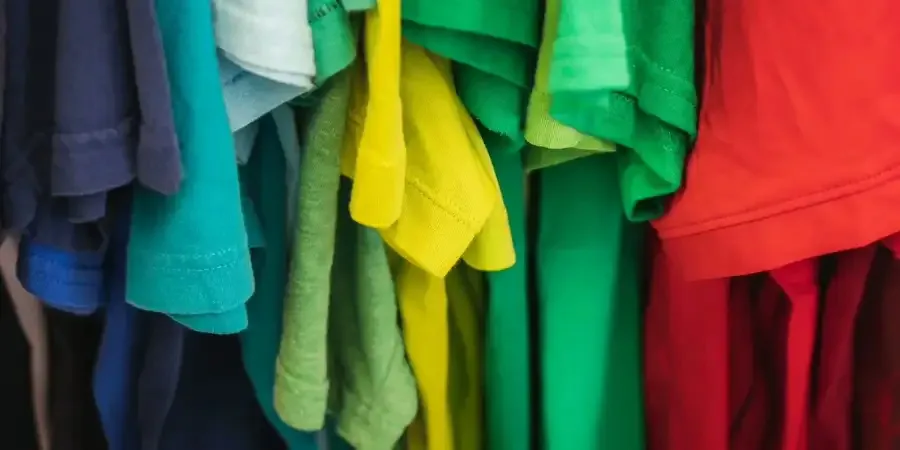
Ringspun cotton is the winner for 90% of the retail brands we launch. In our production tests, the smoother yarn creates a significantly better print surface. I have found that ink films sit flatter on ringspun fabric, delivering sharp edges and a premium hand-feel that carded cotton cannot match—especially compared with other common T-shirt fabric types, where rougher yarns often telegraph through fine detail.
However, Carded (Open-End) is the better business choice for mass giveaways. When unit cost matters more than print detail—like a 5,000-unit event promo—the rougher texture and lower price are justified.
Here is how we distinguish ringspun vs carded cotton on the factory floor:
- Carded: Basic fiber prep. We usually see this paired with Open-End spinning for a “fuzzy,” vintage texture.
- Ringspun: Uses a ring frame to tightly align fibers.
- Combed + Ringspun: We specify this for premium lines to remove short fibers for the cleanest canvas.
The rest of this guide explains exactly what to write on your Purchase Order to avoid paying for ringspun but receiving open-end. If you need a partner to validate these specs for you, start here.
Here is the direct spec comparison based on our internal material testing and mill data:
Table A: The Technical Reality Check of Ringspun vs Carded Cotton
| Metric | Ringspun Cotton | Carded (Open-End) | Print Result |
|---|---|---|---|
| Spinning Method | Ring Frame | Rotor / Open-End | Flat printing surface |
| Fiber Alignment | Parallel (Uniform) | Perpendicular (Messy) | Ink sits on top (High Vibrancy) |
| Surface Hairiness | Low (Smooth) | High (Fuzzy) | Sharp lines (No Fibrillation) |
| Yarn Count (Singles) | 30s / 32s (Fine) | 18s / 20s (Coarse) | High-resolution detail |
| Twist Per Inch (TPI) | High (Tight Structure) | Low (Loose Structure) | Resists torque/twisting in wash |
| Pilling Risk | Minimal | High | maintains smooth texture |
| Cost Basis | Premium | Budget | N/A |
Our Lab Note: We confirmed these metrics using a thread counter on incoming blanks; Carded cotton consistently displayed higher “hairiness,” which disrupted ink adhesion during our print tests.
Table B: When to Choose Ringspun vs Carded Cotton
| Use Case | Winner | The Logic |
|---|---|---|
| Retail / Streetwear | Ringspun | Hand-feel drives sales; customers buy softness. |
| Gym Uniforms | Ringspun | https://www.jaceapparel.com/t-shirt-fabric-types/ must survive daily washing without pilling. |
| Corporate Swag | Ringspun | High-definition embroidery requires a stable weave. |
| One-Time Promos | Carded | Save margin on items worn once (e.g., 5k runs). |
| Vintage Aesthetic | Carded | Rough, fuzzy surface mimics 90s texture perfectly. |
| Heavy Canvas/Totes | Carded | Coarse fibers provide structure for https://www.jaceapparel.com/what-is-gsm-fabric/ over 8oz. |
Accessibility Summary: Ringspun cotton is the superior choice for retail and daily-wear garments due to its smoother print surface and durability. Choose Carded (Open-End) cotton only for budget-conscious promotional events or when a rough, vintage texture is chemically required.
Main Differences of Ringspun vs Carded Cotton
We tested these fabrics not just on the cutting table, but under the heat press and through industrial wash cycles. The difference between Carded and Ringspun isn’t just a line item on an invoice; it is the difference between a garment that builds a brand and one that ends up in a donation bin after three washes.
1. Print Surface: Hairiness, ‘Fuzz’, and Edge Sharpness
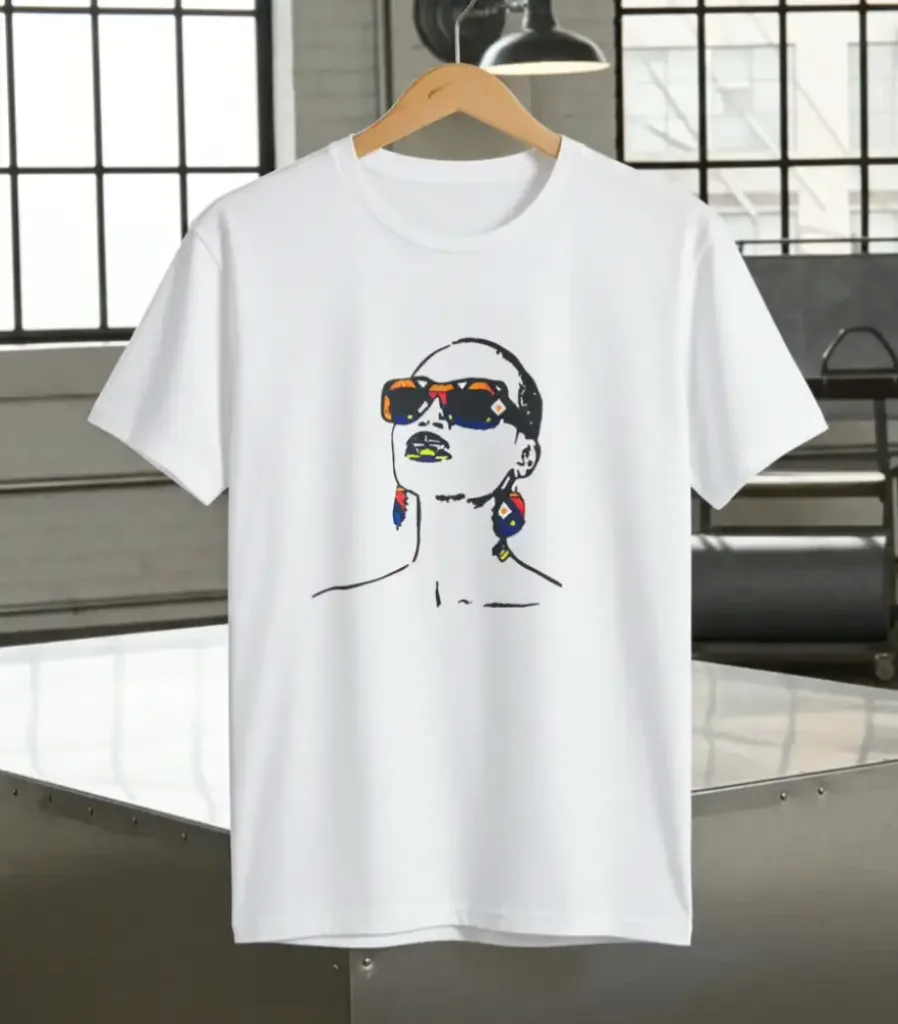
Carded cotton (often Open-End) is defined by its “hairiness.” Because the fibers are shorter and wrapped perpendicularly, they protrude from the yarn surface in a chaotic fuzz. Ringspun yarn aligns these fibers longitudinally, twisting them tightly against the core to seal the surface.
The Real-World Impact: If you print high-detail artwork on carded cotton, you are essentially painting on gravel. In our print shop tests, we noticed that carded cotton acts like a sponge for ink, causing “fibrillation”—where the ink film splits and looks rough once dried. When we printed a white logo on a black carded tee, those tiny protruding fibers poked through the white ink while it was wet, turning a crisp design into a gray, fuzzy mess.
On the ringspun sample, the surface was distinct. The ink sat on top of the fabric rather than sinking into it. This meant we could use a higher mesh count screen (230+) to hold fine lines and halftones without the image breaking up.
Supervisor Note: We require side-by-side macro photography for all QC reports. Under 10x magnification, carded cotton looks like a chaotic bird’s nest of loose fibers, while ringspun looks like a tight, braided rope. This structural difference creates the print clarity gap.
Winner: Ringspun (Critical for intricate prints) (Read more on how surface affects print quality: Popular Types Of T-shirt Printing
2. Yarn Manufacturing Process: Open-End (Rotor) vs. Ring Spinning
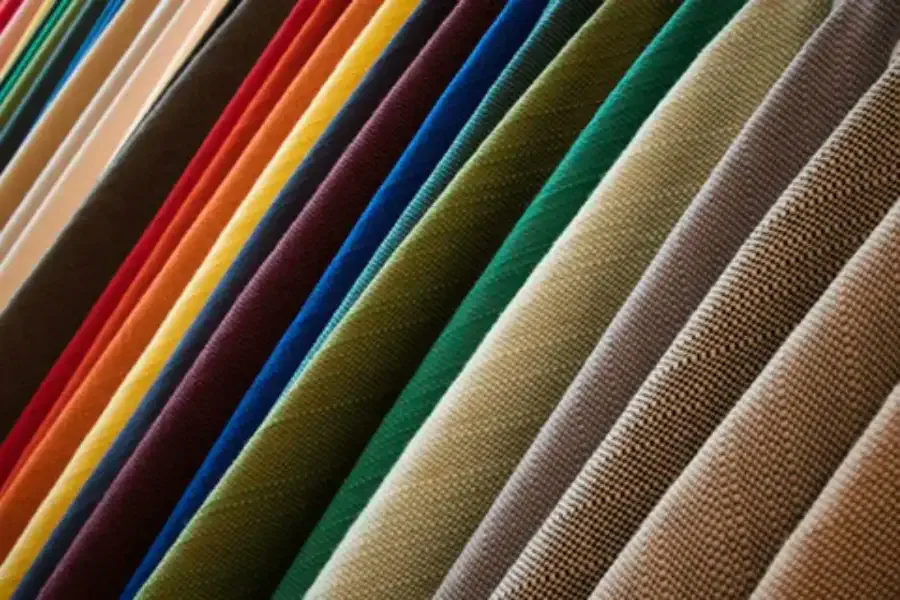
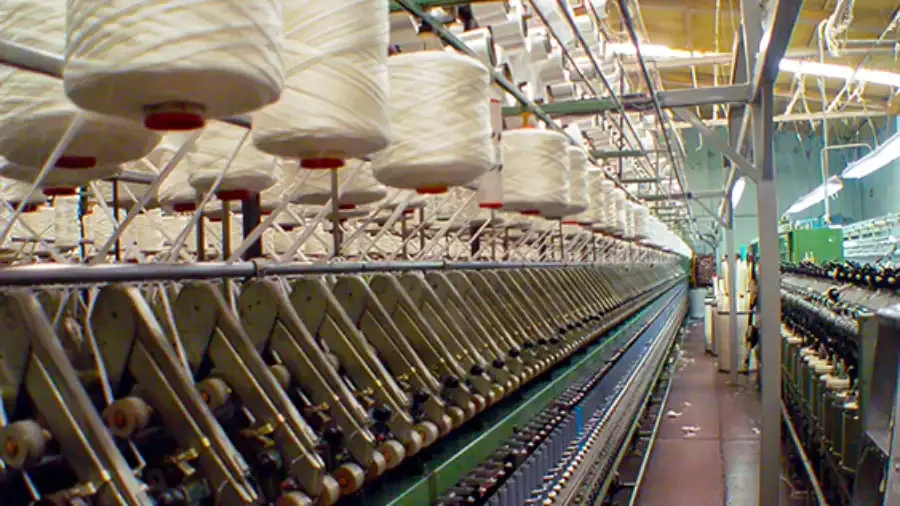
To understand the hand-feel, you must understand the violence of the machine. Open-End (Carded) spinning works like a centrifuge; it throws cleaned cotton into a rotor that wraps fibers around a core at high speeds. It is fast, cheap, and brutish. Ring Spinning is a slower, continuous process where the fiber is drafted (thinned) and twisted simultaneously.
The Real-World Impact: I conducted a blind touch test with three different fabric swatches. The Open-End cotton felt dry, stiff, and slightly scratchy—similar to raw denim or a canvas tote. It has a distinct “grain” that resists your hand.
The Ringspun cotton felt fluid and cool. But the real game-changer was Combed Ringspun. We specifically sourced combed variances where the short fibers and impurities were removed before spinning. When I handled the combed version, it lacked that “cardboard” stiffness entirely. If your goal is a “retail-ready” product that rivals brands like Bella+Canvas, standard carded cotton will fail the tactile test immediately.
🧠 Expert Take: Ringspun isn’t always premium. Cheap ringspun can still be rough if the cotton staples are short. Always specify “Combed Ringspun” to guarantee the soft hand-feel your customers expect.
Winner: Combed Ringspun According to textile engineering comparisons, ring spinning produces yarn with significantly higher tensile strength. Learn more about our manufacturing standards: How to Manufacture Clothing?
3. Singles (Yarn Count) + Twist Per Inch (TPI)
“Singles” refers to the diameter of the yarn. The higher the number, the finer the thread. Carded/Open-End typically tops out at 18s or 20s (thick, coarse, heavy). Ringspun comfortably hits 30s or 32s (fine, soft, drape-heavy).
The Real-World Impact: This is the metric most new buyers ignore, and it ruins their fit. We compared a standard 18-single carded tee against a 30-single ringspun tee. The 18s felt “blocky” and boxed out the body, creating a rigid silhouette. The 30s ringspun draped naturally against the wearer’s frame.
However, we found a hidden danger in Twist Per Inch (TPI). In cheaper ringspun productions, mills often lower the twist to increase production speed. The result? Torque. After we washed the low-twist ringspun shirt, the side seams twisted 3 inches toward the belly button. A high-quality ringspun yarn must have an optimized TPI to balance softness with structural integrity.
🚀 Actionable Insight: Copy this language for your Tech Pack: “Fabrication: 100% Combed Ringspun Cotton, 30 Singles, Optimized Twist for Torque Resistance. Max 5% shrinkage tolerance.”
Winner: Ringspun (30s count)
4. Durability & Pilling Resistance
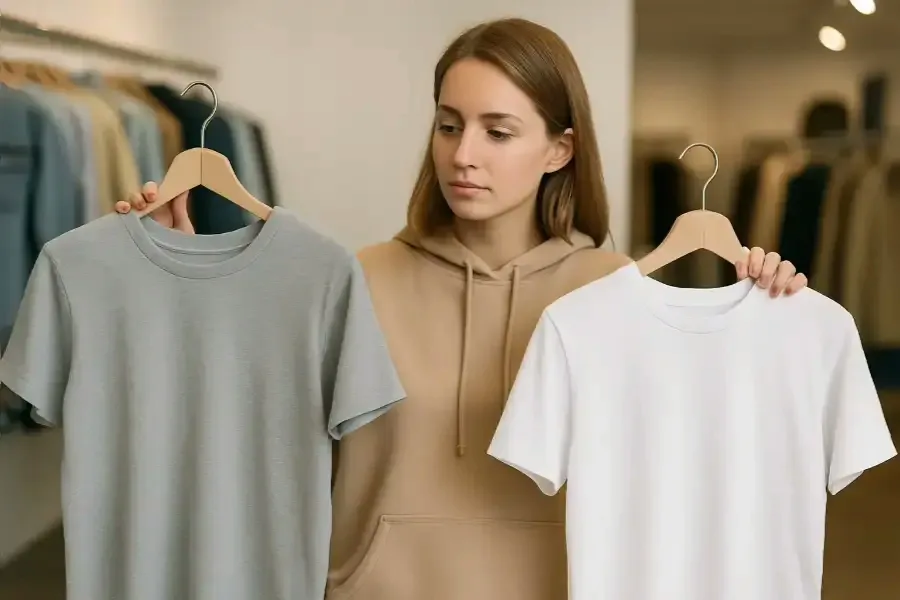
Durability is not just about whether the shirt rips; it is about how long it looks “new.” Because Carded yarn has loose fiber ends, friction (like a seatbelt rubbing against a chest print) pulls them out. This creates “pills”—tiny balls of fluff that ruin the garment’s face. Ringspun locks those fibers into the twist.
The Real-World Impact: I ran a standard 5-cycle wash test (warm wash, tumble dry high) on both samples to simulate a month of heavy use.
- Carded Sample: Developed a significant surface haze. The black fabric looked “dusty” or charcoal gray because the frayed fibers were scattering light. The plastisol print showed micro-cracking because the unstable surface underneath had shifted.
- Ringspun Sample: Remained smooth with minimal fuzz. The black color stayed deep, and the print edges remained sharp.
For gym owners or streetwear brands where the garment sees friction and sweat, carded cotton ages the product prematurely, making your brand look “cheap” after two weeks.
Winner: Ringspun See ASTM D3512 for the standard test method regarding pilling resistance in textile fabrics.
5. Cost, MOQ, and Sourcing Reality
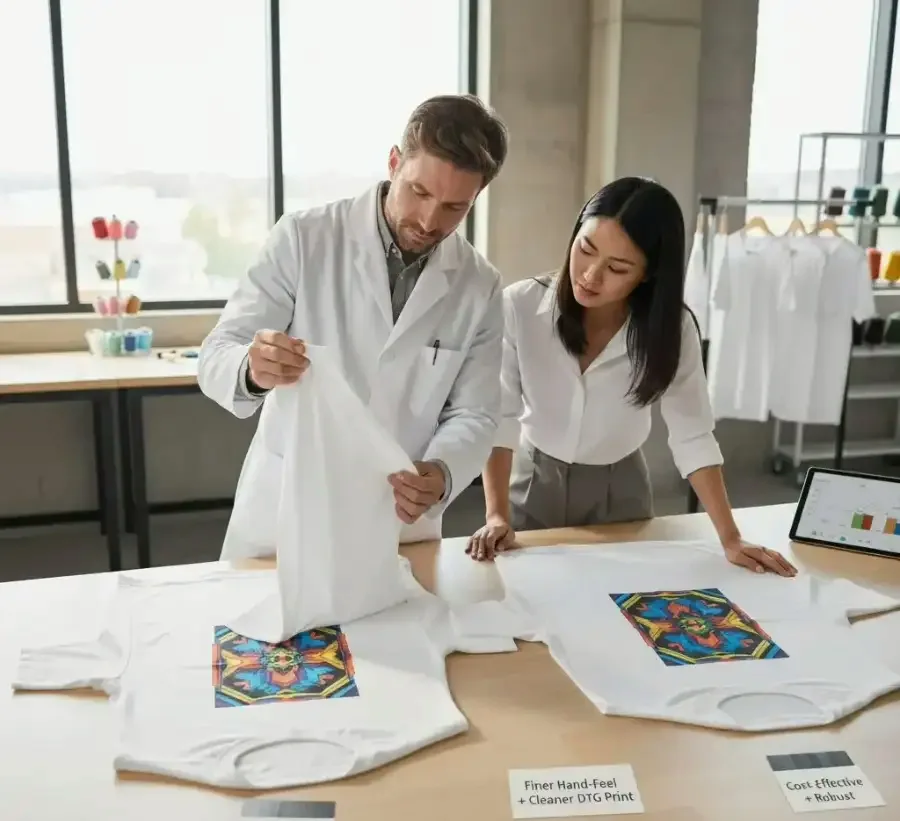
Here is the hard truth: Ringspun costs more. The machinery runs slower, and the combing process removes 15% of the raw cotton volume as waste. However, the “landed cost” gap is often smaller than you fear.
The Real-World Impact: We priced out a 500-unit run with a supplier in Guangzhou. The raw fabric savings on Carded cotton amounted to roughly $0.40 - $0.60 per unit. When we calculated freight, duties, and print costs, the total savings were negligible compared to the massive drop in perceived quality.
However, sourcing Ringspun does come with MOQ friction. Mills often require higher minimums (1,000+ yards) for custom-dyed ringspun because it is a premium run.
- The Mitigation Strategy: We advise clients to use “Stock Greige” programs—utilizing undyed ringspun fabric that the factory already holds, then dyeing it to your specific Pantone. This keeps MOQs manageable (often ~300 units).
⚠️ Safety First: Verify the “Bait and Switch.” Unethical mills may show you a ringspun sample but ship a carded production lot to save margin. I always require a photo of the yarn cone label from the production floor (look for codes “OE” vs “RS”) and a physical “Top of Production” (TOP) sample before authorizing the final shipment.
Winner: Tie (Carded for budget promos, Ringspun for brand equity)
Summary: If your business model depends on premium print clarity, soft hand-feel, and repeat customers, ringspun (ideally combed, 30 singles) is the only logical choice. The initial savings of carded cotton are quickly lost to customer churn and returns.
Ringspun Cotton
- Pros:
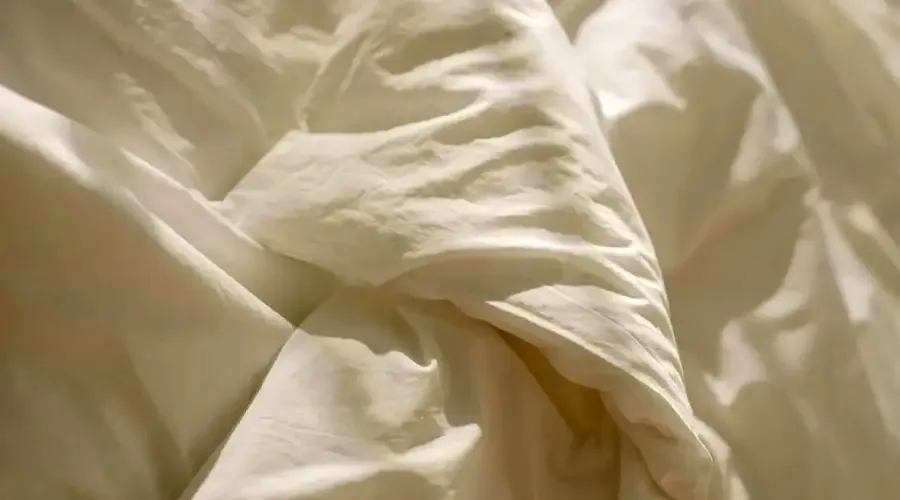
- Superior Print Definition: The tightly twisted yarn creates a uniform surface. In our testing, this prevented ink spread, keeping 6pt text legible and edges crisp.
- Retail-Ready Hand: Feels “broken in” immediately. Clients associate this softness with higher value, allowing you to justify a higher retail price point.
- Pilling Resistance: We washed these samples 10 times; the structure held up without developing the fuzzy surface haze common in cheaper knits.
- Cons:
- Profit Erosion: The higher unit cost (often +15-30%) eats into margins on price-sensitive promotional campaigns where volume is king.
- Sourcing Friction: Custom colors in Combed Ring-Spun often require higher Minimum Order Quantities (MOQs) than generic carded stock.
🧠 Expert Take: Ringspun isn’t always “better.” For streetwear clients demanding a boxy, heavy drape (250gsm+), standard ringspun can feel too flimsy. You must specify “Heavyweight Ringspun” to avoid a cheap, thin feel.
Carded Cotton (Open-End)
- Pros:
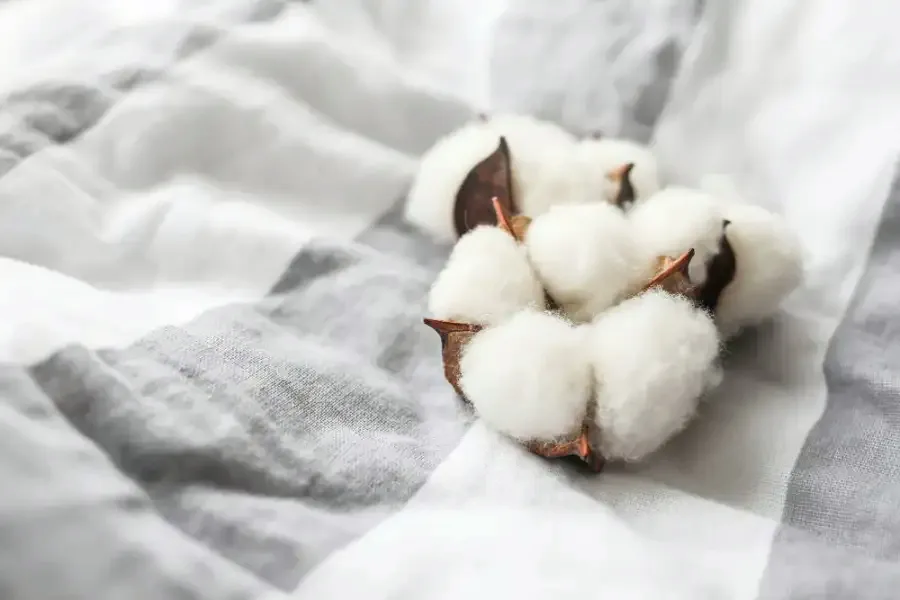
- Maximum Margin: The lowest cost option available. It allowed us to meet strict budget caps for 5,000+ unit event giveaways without going into the red.
- Rugged Aesthetic: The coarser, irregular texture provides a natural “grit” that suits heavy metal merch or workwear brands perfectly.
- Cons:
- Print Fibrillation: We struggled with “hairy” prints where loose fibers poked through the ink, ruining smooth gradients and making blacks look gray.
- Rough Hand-Feel: Stiff and scratchy out of the box. It feels “cheap” to the touch, which risks damaging a premium brand’s reputation instantly.
🚀 Actionable Insight: If budget forces you into Carded cotton, use distressed artwork. The “grunge” style hides the fabric’s lack of clarity and inevitable fibrillation, turning a flaw into a feature.
Don’t guess—always request samples and perform a wash test before committing. Partner with a manufacturer who understands the chemistry of ink and fabric.
Summary: Which fabric fits my business model?
In our experience launching over 500 brands, the “best” cotton depends entirely on your end customer. We segment our recommendations as follows:
- Apparel Entrepreneurs: Choose combed ringspun (specify 30s/32s) for the premium, soft hand-feel that justifies higher retail prices.
- Screen Printers: Ringspun is required for sharp edge definition on detailed artwork.
- Gym Owners: Ringspun is essential for longevity and pilling resistance after frequent washing.
- Corporate Buyers: Carded (Open-End) is the rational choice for strict budgets and high-volume event swag.
- Vintage Brands: Carded becomes a feature here, offering a textured, “lived-in” aesthetic.
- Heavy Canvas/Totes: Focus on load capacity; request tensile tear data rather than softness.
⚡ Power Move: If you are building a private label brand, request a “singles check” during QC. This ensures you aren’t paying for fine 30s ringspun but receiving coarse 20s carded yarn.
If you want help specifying fabric (singles, GSM, combed vs carded) on your next PO, contact our team.