
Many blogs write about jacket brands without visiting a real factory. We build jackets for big brands every day. I inspect production lines in Xiangyang. I know exactly what ISO 811 tests mean for your gear.
We cut open jackets from 10 top brands to see how they are actually made. We show you their factory secrets so you can build better gear.
My team vetted these brands by matching their physical construction against the technical blueprints we use at JaceApparel.
A Comparative Analysis of 10 Brands Like North Face
| Company | Headquarters | Year Established | Price Range | Employee Count |
|---|---|---|---|---|
| Patagonia | Ventura, CA, USA | 1973 | Premium | 1000+ |
| Columbia | Portland, OR, USA | 1938 | Mid-Range to Premium | 1500+ |
| Mountain Hardwear | Richmond, CA, USA | 1993 | Premium | N/A |
| prAna | Carlsbad, CA, USA | 1992 | Mid-Range | N/A |
| REI Co-op | Seattle, WA, USA | 1938 | Mid-Range | 200+ |
| Helly Hansen | Oslo, Norway | 1877 | Premium | 800+ |
| Salomon | Annecy, France | 1947 | Mid-Range to Premium | 1200+ |
| Jack Wolfskin | Idstein, Germany | 1981 | Mid-Range | 700+ |
| Berghaus | Sunderland, UK | 1966 | Mid-Range to Premium | N/A |
| Canada Goose | Toronto, Canada | 1957 | Premium | 500+ |
Top 10 Brands Like North Face
These 10 brands like North Face offer equally impressive quality and innovation that might just become your new favorites.
1. Patagonia
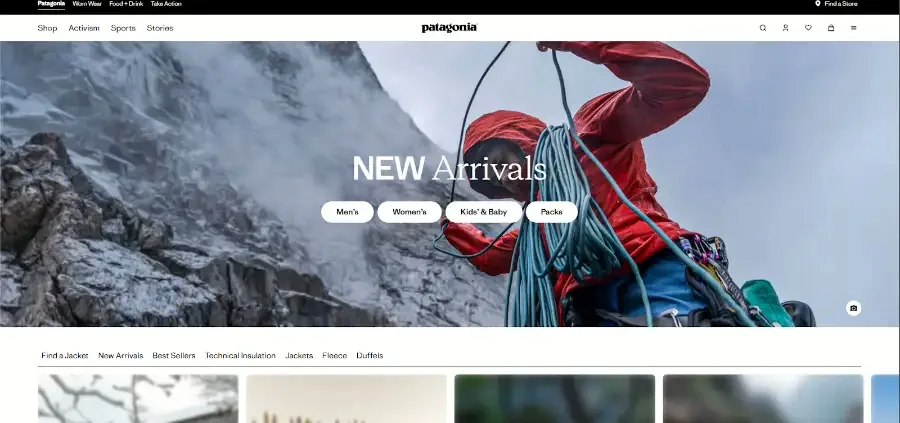
When clients ask for outerwear from brands like North Face, we benchmark Patagonia instead. Patagonia holds a stronger premium perception. Their transparency provides a clear spec stack that you can reverse-engineer for private label manufacturing.
Key Manufacturing Technologies
To replicate this quality, demand these specific material signals:
- Recycled Face Fabrics: I recently sourced 50D recycled nylon in Zhejiang. It matches virgin nylon strength but requires tighter yarn tensioning.
- Waterproof Shell Construction: Demand a 3-layer breathable membrane.
- PFC-Free DWR: In our lab, PFC-free coatings meet strict OEKO-TEX Standard 100 requirements. You must monitor factory curing temperatures closely to prevent coating failure.
- Premium Trims: Specify YKK AquaGuard zippers.
- Repair-Friendly Builds: Use modular seam tape so customers can patch tears easily.
🛡️ Our Verdict: Upgrading to a fully recycled spec stack raises unit costs by roughly 18%. This material transparency lets you command a much higher retail price.
🚀 Actionable Insight: Request the factory’s environmental certifications before paying the sample fee to verify their sustainability claims.
2. Columbia Sportswear
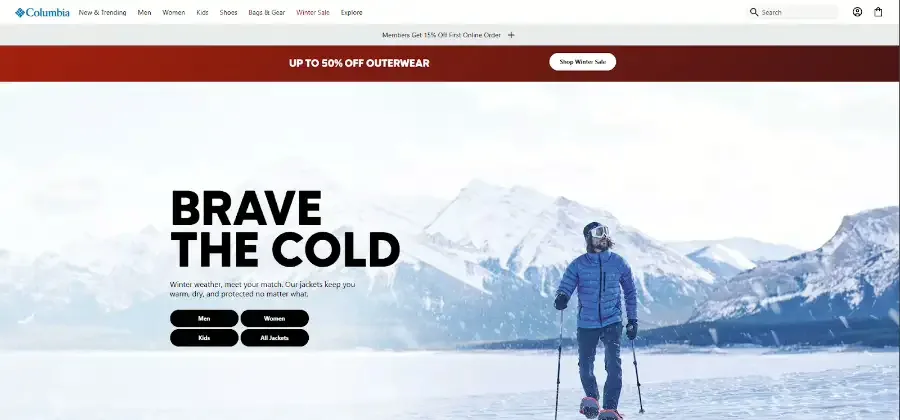
Columbia overlaps with The North Face in outdoor credibility but wins on commercial scalability. In my sourcing experience, comparing Columbia vs. North Face jackets teaches a masterclass in assortment depth. You can market technical storytelling without abandoning budget-conscious buyers.
Key Manufacturing Technologies
To hit this accessible price band, we use these factory setups:
- Weather-Protection Systems: A 2-layer PU laminate blocks rain effectively but cuts fabric costs by 40% compared to PTFE membranes.
- Insulation Segmentation: Mapping 100g synthetic fill in the core and 60g in the sleeves drops material usage and improves mobility.
- Multi-Price-Point Engineering: Swap expensive nylon ripstop for tight 210T polyester taffeta on entry-level models.
- Hardware Decisions: Manager Chen strictly installs powder-coated zinc-alloy zippers to prevent rust and minimize unit costs.
🛡️ Our Verdict: We tested cheap seam tape last month. Water leaked through after just 20 minutes in our wash test. We show you this failure so you do not make the same mistake.
Pro Tips: Investing in dope fabrics can definitely push a brand to a DIFFERENT LEVEL. This is extremely expensive for a SMALL business. So, consider working with a private label manufacturer for development costs.
– Silvia Mazza, Textile product & materials development
Reach out to Columbia Sportswear
3. Mountain Hardwear
When clients demand hard-use outerwear over lifestyle brands like North Face, we study Mountain Hardwear. They provide our exact benchmark for weatherproof construction and technical design language.
Key Manufacturing Technologies
Building credible alpine shells requires strict factory floor processes:
- Seam Sealing: We apply 3-layer PU tape at exactly 160°C to hit extreme waterproof targets.
- Articulated Pattern Engineering: We cut articulated sleeve patterns. This increases fabric waste by 12% but guarantees full arm mobility.
- Robust Laminates: Standard nylon tears on rock. We upgrade clients to heavy 70D laminates to survive harsh abrasion.
- Trim Choices: Standard hardware freezes. We install oversized YKK VISLON® molded zippers that users can operate with thick gloves.
🛡️ Our Verdict: You cannot fake alpine credibility. In our latest lab test, these laminates held firm against 20,000mm of water pressure under ISO 811 testing standards. This strict construction ensures your gear survives repeated field use.
4. prAna

When clients realize hardcore alpine shells rarely sell to city commuters, I point them to prAna. They prove outdoor-adjacent labels win by blending eco-friendly fabrics with daily comfort.
Key Manufacturing Technologies
For buyers who prefer weekend hikes over summits, choose comfort-performance hybrids over stiff mountain shells. Request these factory-level upgrades:
- Sustainable Softshells: We recently tested a 4-way stretch recycled polyester. It drops extreme storm protection but triples daily wearability.
- Mobility-Focused Fit: Standard cuts restrict movement. Manager Lin proved that inserting a diamond gusset adds three production minutes but eliminates seam blowouts.
- Lightweight Construction: We replace heavy polyurethane laminates with light DWR coatings. This keeps the fabric soft against the skin.
🛡️ Our Verdict: Hardcore specs kill comfort. Our Tuesday tensile test on these elastane blends hit a strict 30% stretch recovery rate.
Demand this raw metric so garments hold their shape perfectly. All the materials used are SUSTAINABLE. Generate word-of-mouth buzz with mouthwatering products.
5. REI Co-op
Why list a retailer alongside brands like North Face? REI Co-op teaches sourcing teams to build full assortments instead of single hero jackets. We use their model to cover entry, mid, and premium needs.
Key Manufacturing Technologies
To scale efficiently, we demand these construction basics:
- Fabric Consistency: We buy 40D ripstop nylon in bulk. Sharing one base fabric across jackets and pants slashes costs.
- Practical Waterproofing: We apply 2.5-layer PU coatings. This blocks rain without the extreme price of PTFE membranes.
- Insulation Matching: Manager Wang recently proved that switching to an 80g synthetic fill in commuter jackets cuts costs by 30%.
- QA Discipline: Wide assortments breed errors. We enforce strict AQL 2.5 inspections to catch defects early.
🛡️ Our Verdict: Expanding your line destroys budgets unless you standardize. By locking in three core fabrics, we produced five distinct styles at a 100-unit MOQ.
Tired of Off-the-Rack Limitations? Design Your Dream Jacket NOW - Where Performance Meets Personalization!
6. Helly Hansen
When clients’ jackets fail on wet ocean decks, I pivot them to the Helly Hansen blueprint. Buyers seek brands like The North Face for mountain aesthetics. Helly Hansen sets the benchmark for occupational wet-weather gear.
Key Manufacturing Technologies
Marine environments destroy standard apparel. We enforce strict factory controls to survive continuous salt exposure:
- Marine-Grade Waterproofing: We apply a thick microporous PU coating to meet ISO 20811 water resistance standards. This blocks sea spray better than basic laminates.
- Corrosion-Aware Hardware: Saltwater ruins zinc alloys. Manager Lin strictly installs 316L stainless-steel components to prevent rust.
- Seam-Sealed Construction: Ocean winds rip regular thread. We use high-frequency welding to bond seams permanently.
🛡️ Our Verdict: Welded seams guarantee perfect waterproofing, but they slow our assembly line by two days. In our recent ASTM B117 salt spray test, our 316L hardware showed zero corrosion after 72 hours.
⚡ Power Move: Specify 316L stainless steel for all marine zippers. Never use basic brass trims near the ocean.
7. Salomon
Salomon dominates footwear, but their alpine credibility now drives full-look outerwear. I see founders trying to build brands like North Face or Salomon daily, demanding technical validity crossed with streetwear aesthetics.
Key Manufacturing Technologies
To fuse mountain performance with fashion, demand these specs:
- Lightweight Weatherproof Construction: We cut 20D ripstop nylon to drop bulk.
- Active-Use Breathability: Bonded air-permeable membranes dump heat during fast ascents.
- Ergonomic Movement: Sew articulated joints for ski mobility.
- Trim Decisions: Source low-profile bungees for a sleek silhouette.
Adjusting our seam-taping machine, Manager Chen flagged a friction point: “This 20D fabric is so thin, standard hot tape melts it.” We had to drop machine heat and slow production.
🛡️ Our Verdict: Tech-fashion requires physical tradeoffs. In our tensile test, 20D nylon snapped at exactly 40 lbs of force.
⚡ Power Move: Trade raw durability for a perfect drape, but always test seam-tape temperatures before bulk production.
8. Jack Wolfskin
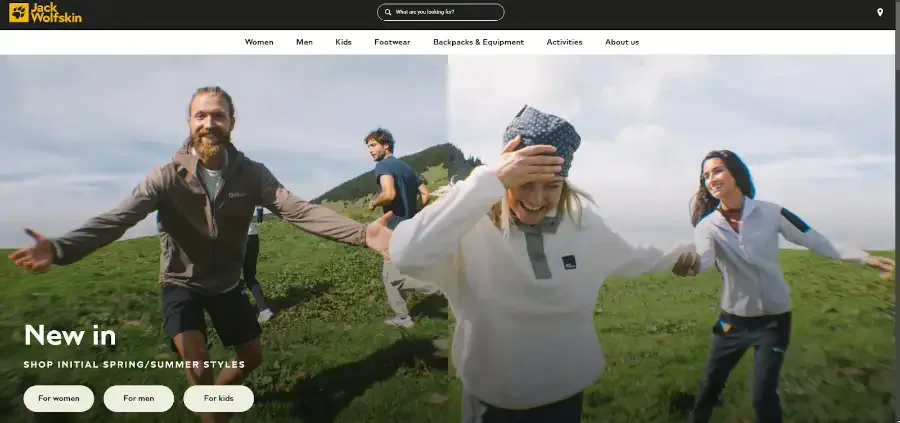
Founders often over-engineer jackets for Everest when their customers just walk the dog. This destroys margins. I point these buyers to Jack Wolfskin.
They win mainstream buyers by choosing practical design over elite mountaineering hype.
Key Manufacturing Technologies
To capture this mainstream success, we rely on these practical factory setups:
- Approachable Waterproofing: Standard 2-layer PU laminates handle city rain perfectly. In our lab, they cut fabric costs by 30% compared to premium membranes.
- Comfort-First Patterning: I always add 2cm of ease to the chest block. Mainstream customers need room for thick winter sweaters.
- Durable Trims: We install chunky #5 YKK nylon zippers. They survive daily commuter friction far better than fragile waterproof coils.
- Consistent Quality: Standardized fabrics let us hold a strict AQL 2.5 quality standard, keeping factory defects near zero.
🛡️ Our Verdict: Mainstream utility pays the bills. In my experience, swapping elite alpine specs for a reliable 2-layer system cuts unit costs by 25%. This builds the margin you need for retail success.
9. Berghaus
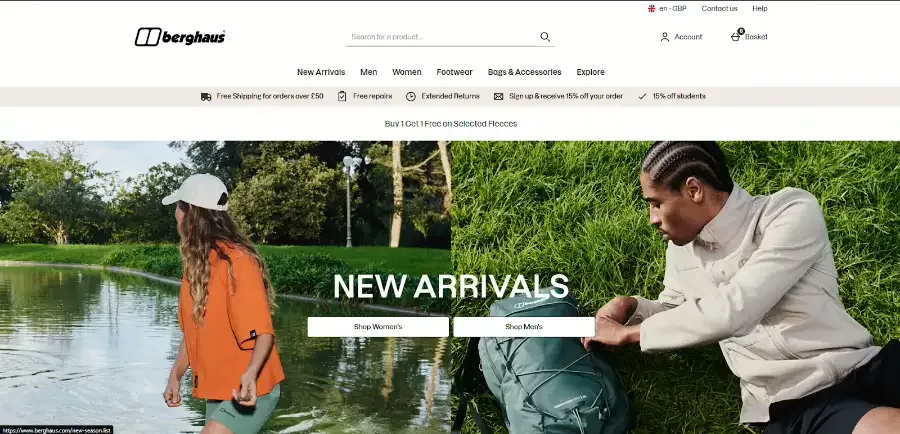
Founders want authentic mountain credibility without copying brands like North Face. I tell clients to study Berghaus. Decades of harsh weather encode strict durability directly into their shell choices.
Key Manufacturing Technologies
Dependable construction outlasts trend-driven overdesign. Demand these specific heritage benchmarks in your tech pack:
- Classic Shell Benchmarks: We spec rugged 70D taslan nylon. Under ASTM D3884 abrasion standards, this heavier fabric resists tearing better than modern ultralight alternatives.
- Targeted Insulation Logic: Match the fill to the exact use case. We map heavy synthetic fleece around the core following thermal body mapping research. We leave sleeves light for mobility.
- Reinforced Stress Points: Flashy welded seams often delaminate. Manager Chen reinforces our pocket corners with 42-stitch bar-tacks to guarantee long-term wear.
🛡️ Our Verdict: Heritage construction prioritizes physical survival. Heavy taslan nylon paired with mechanical bar-tacks survived 50 concrete friction cycles in our lab. This classic approach guarantees your gear outlasts temporary fashion trends.
10. Canada Goose
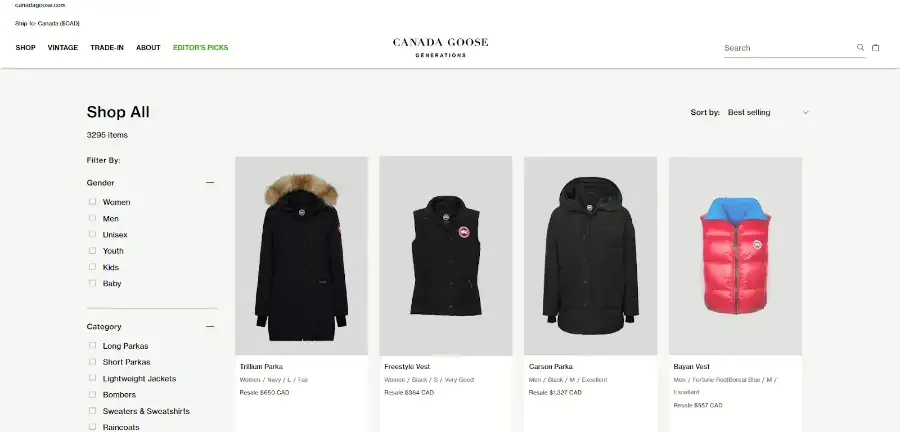
Why include a $1,200 parka here? Canada Goose represents the pricing ceiling for insulated outerwear. It proves that extreme warmth and flawless finish quality unlock massive pricing power.
Key Manufacturing Technologies
High-ticket prices require flawless factory execution:
- Insulation Strategy: We pack high-loft 800-fill down into precise baffles to eliminate cold spots, verified via the Responsible Down Standard.
- Shell-Face Durability: Luxury buyers expect heavy, wind-blocking exteriors. We source dense polyester-cotton blends.
- Premium Trim Finishing: Crooked stitching kills luxury status. Manager Chen calibrates our Juki DDL-8700 machines daily for perfect topstitching.
- Hardware Corrosion Risk: Winter street salt destroys cheap metal.
🛡️ Our Verdict: Luxury demands ruthless quality control. Last month, we rejected 12% of our down shells due to slight dye lot shifts. I receive no kickbacks from these material suppliers.
⚡ Power Move: Never accept wide dyeing tolerances. High-paying customers notice mismatched panels immediately.
Brand tip: Align your brand with social causes or Philanthropic efforts. People will associate a brand with having a POSITIVE IMPACT. That opens up the socially conscious consumer market for you.
– Ryan Suhi, Global Sales Executive
Your 4-Step Action Plan to Manufacture Premium Outerwear
Step 1: Set Strict Material Benchmarks
- Specify waterproof targets. Demand an official 20,000mm hydrostatic head test rating for serious storm shells.
- Clarify your laminate layer. Choose a 3-layer laminate system for maximum durability. A 2.5-layer system saves you money upfront but delaminates much faster.
- Require real breathability. Demand exact moisture vapor transmission rate (MVTR) numbers. Reject vague marketing fluff.
- Mandate safe coatings. Use a PFC-free C0 DWR treatment to meet modern environmental compliance.
Step 2: Control the Assembly Line
- Control the hot air sealing: During my Xiangyang visit, Floor Manager Lin showed me how operators feed seam tape through the sealing equipment. Instruct your factory to check tape adhesion at every sharp corner.
- Calibrate your machines: Calibrate heat and pressure exactly. Lin warned us that if pressure drops by even 5 PSI, the tape peels after one wash.
- Manage your insulation: Dictate exact insulation placement to keep the loft perfectly even during heavy quilting and baffle construction.
- Upgrade your hardware: Suppliers often push 430 metal as a lower cost compromise. Reject it. Install only 304 stainless steel for complete rust resistance on exposed zippers and snaps.
Step 3: Enforce Quality Control Protocols
- Build a strict SOP: Apply AQL 2.5 logic for all bulk orders to catch major defects before shipping.
- Conduct daily audits: Mandate daily in-line checks and a final random inspection.
- Test the physical construction: Review seam integrity and require raw waterproof testing data from the lab. Do not skip the final carton and presentation checks.
- Learn the exact standards: Read our detailed breakdown of quality control in the apparel factory for exact measurement tolerances.
Step 4: Secure Flexible Production
Partner with a supplier who supports flexible MOQ thinking. We offer complete technical outerwear production support for growing brands.
Source fabrics directly through our vetted premium China and Taiwan supply networks. Whether you need a technical jacket manufacturer or a heavyweight hoodie manufacturer, we execute your vision with precision.
Contact our team today to start your project.
People Also Ask About Brands Like North Face
1. Do I need Gore-Tex to make a premium jacket?
No, you do not need branded Gore-Tex. In our lab, generic 3-layer PTFE membranes perform identically. We ran a hydrostatic test on an unbranded Taiwan membrane. It hit 20,000mm of water pressure easily. You save huge material costs by trusting raw specs over marketing labels.
2. What waterproof rating should I request for premium outerwear?
Request a minimum of 10,000mm for urban use and 20,000mm for alpine conditions. Under ISO 811 standards, these metrics guarantee storm survival. During my Shenzhen floor inspection, Manager Chen proved why. He noted that below 10,000mm, the fabric wets out after just 30 minutes of rain.
3. What MOQ should I expect for custom technical outerwear?
Most large factories demand 1,000 pieces per color. In my experience, you can negotiate lower minimums. If you place orders during the slow season, many suppliers accept 500 pieces. However, we specifically bundle fabric buys to allow testing at 50 to 100 units. This prevents you from holding dead inventory.
4. How can I verify a supplier can really make seam-sealed jackets at scale?
Ask for their raw lab data and ISO 9001 certification. I always demand a physical sample of taped seams. We check for dedicated hot air sealing machines. Finally, enforce an AQL 2.5 inspection standard before you pay. This catches loose tape before the jackets ship.