
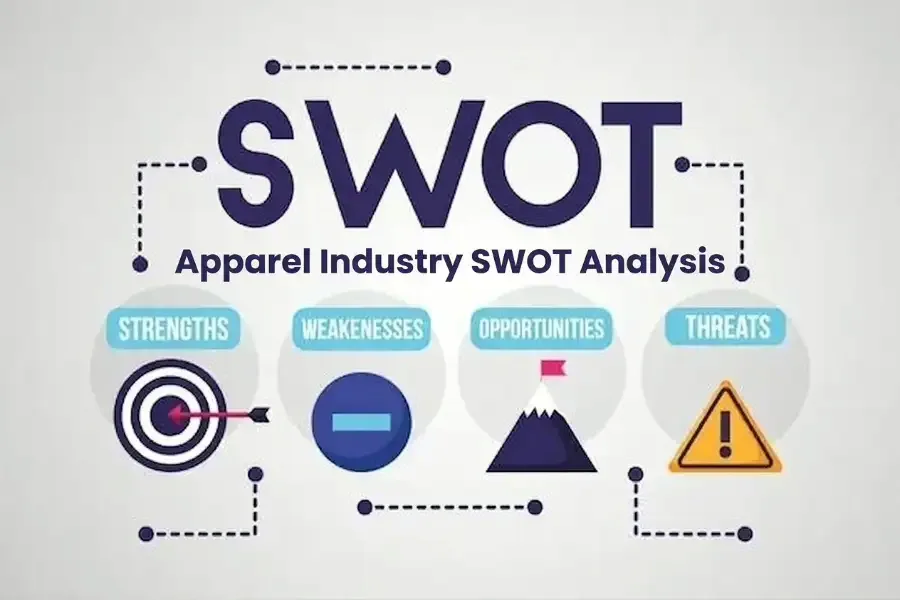
Yes, the 2026 apparel industry is investable, but not forgiving. McKinsey projects low-single-digit growth against a 3.3% IMF global forecast. Today, tariffs and value-conscious buyers dictate success more than fleeting trends. Profitability depends heavily on your business model, channel mix, and geography.
When manufacturing private-label collections, we regularly see startups bleed cash trapped by 500-unit minimums or when cheap zippers fail our AQL 2.5 inspections. Survival requires sourcing flexibility and inventory discipline. Real operator threats are MOQs, slow sampling, landed costs, and cross-border logistics.
Key Takeaways
- Global scale drives growth: Enduring consumer demand and powerful e-commerce economics make this market highly investable. Grand View Research confirms this trajectory, tracking the global market from $1.77 trillion in 2024 toward $2.26 trillion by 2030.
- Dead inventory crushes margins: Trend volatility and supply-chain concentration structurally disadvantage traditional retail. In our manufacturing facilities, we constantly see startups bleed cash because they order massive bulk quantities before validating product-market fit.
- Specialized niches offer upside: Brands can capture new revenue through AI, nearshoring, and supply-chain traceability. Additionally, McKinsey projects the secondhand market will reach $317 billion by 2027, growing up to three times faster than first-hand fashion.
- New regulations threaten profits: Weaker demand and counterfeits hurt, but tariffs and de minimis reform pose immediate dangers. We are actively restructuring European fulfillment because the EU removes the EUR150 customs-duty exemption in 2026.
- Flexible sourcing is mandatory: Brands win in 2026 by combining sharp positioning with documented compliance. Next Step: Protect your capital by partnering with agile manufacturers who allow 50-unit test batches before you scale.
The 2026 Apparel Industry SWOT Analysis: An Operator’s Perspective

I evaluate fashion investments based on factory-floor realities, not outdated playbooks. The market shifted dramatically heading into 2026. Voluntary sustainability is now a legal mandate. Cross-border tax loopholes are closing tight. Consumer wallets remain strained.
To understand where the smart money is moving, we must look at the raw data driving these structural changes.
Table Summary for Screen Readers: A five-column table detailing key 2026 apparel market metrics. The IMF projects 3.3% global macro growth in 2026. McKinsey forecasts low single-digit fashion industry growth for 2026. Grand View Research projects the apparel market will grow from $1.77 trillion in 2024 to $2.26 trillion by 2030. McKinsey estimates the secondhand market will reach $317 billion by 2027. The European Commission mandates a ban on destroying unsold apparel for large companies starting July 19, 2026.
| Metric | Latest Value / Forecast | Year | Why It Matters for SWOT | Primary Source |
|---|---|---|---|---|
| Global Macro Growth | 3.3% | 2026 | Sets the baseline for consumer spending power and baseline demand. | [Primary Data Source: IMF World Economic Outlook Update, January 2026] |
| Fashion Industry Growth | Low single-digit | 2026 | Indicates a hyper-competitive environment where market share is stolen, not created. | [Primary Data Source: McKinsey State of Fashion 2026] |
| Total Market Size | $1.77T to $2.26T | 2024 to 2030 | Proves the massive total addressable market remains intact despite volatility. | [Primary Market Research Source: Grand View Research Apparel Market Report] |
| Secondhand Market Size | $317B | 2027 | Highlights a massive opportunity in circularity that outpaces traditional retail growth. | [Primary Data Source: McKinsey State of Fashion 2026] |
| Unsold Apparel Ban | Applies 19 July | 2026 | Forces companies to fix inventory distortion and eliminates the dead stock safety net. | [Official EU Source: European Commission unsold-apparel destruction rule] |
1. Strengths: Agility and AI-Driven Execution
The fundamental strength of the apparel industry remains its global demand base. People will always buy clothes. However, in 2026, operational strength belongs exclusively to digitally mature brands.
Digitally native operators now use predictive AI for demand forecasting and workflow efficiency. McKinsey specifically identifies AI as a top industry opportunity to streamline operations. I see this firsthand on the factory floor. Brands using predictive AI rarely over-order. They run lean, test fast, and scale only what works. They adjust production schedules before cutting a single yard of fabric.
🧠 Author’s Take: Abstract technology means nothing without factory-level execution. True strength comes from fast sampling and flexible Minimum Order Quantities (MOQs).
When we manage the clothing sample process, we prioritize crystal-clear communication during quality assurance. If you read an AQL chart explained simply, you know that keeping major defects below 2.5% requires relentless oversight. Brands that master this concept-to-doorstep execution hold a massive competitive advantage. They launch faster and trap less capital in bad inventory.
2. Weaknesses: The Inventory Trap and Unit Economics
When I audit overall clothing retail strengths and weaknesses, inventory distortion always emerges as the primary margin killer. Traditional retail relies heavily on markdowns. Brands order massive volumes, wait out 90-day lead times, and pray the trends hold. When trends shift, they sit on dead stock. Furthermore, sourcing concentration in single regions leaves them vulnerable to port strikes. Quality inconsistency and high return logistics costs further bleed their cash reserves.
You must understand the factory reality that most competitors miss. Low-volume brands face brutal unit economics. If you only order 100 hoodies, your fabric consumption is too low to secure bulk pricing. You also face a much higher freight share per unit. Shipping 100 units by air might cost $4 per garment. Shipping 5,000 units by sea drops that cost to $0.40 per garment.
Small brands also lack leverage over suppliers. A factory will prioritize a 10,000-unit client over a 50-unit client every time. If you do not know how to manufacture clothing with a specialized low-MOQ partner, traditional big-box factories will simply ignore your emails. You also must navigate complex clothing logistics on your own. Without a dedicated partner, customs delays and unexpected port fees will destroy your launch budget before you sell a single unit.
3. Opportunities: Niching Down and The Recommerce Boom

Despite a tough macroeconomic environment, I see incredible upside in specialized sectors. Sustainable apparel market growth continues to accelerate. The resale and recommerce markets are exploding. Premium niches and private-label specialization allow creators to monetize their audiences without racing to the bottom on price.
The competitive landscape of clothing brands is polarizing rapidly. The middle market is completely dying. You either need clear, unbeatable value or clear premium differentiation. A highly defensible niche identity protects your margins from fast-fashion aggregators.
Smaller brands actually hold a distinct advantage here. They can move much faster than incumbents on sustainable materials and traceability. A legacy brand with 500 suppliers carries massive supply-chain inertia. They cannot easily pivot to 100% organic cotton. A startup can do it on day one. When you select t-shirt fabric types, you can instantly choose certified organic options. You can specify exactly what GSM fabric is best for your streetwear line to ensure a heavy, premium feel that cheap competitors cannot replicate.
Nearshoring and regionalization also offer fresh opportunities. Comparing US vs China manufacturing involves more than just unit cost. It involves lead times, tariff exposure, and cash flow cycles. Brands that diversify their supply chains build resilience. AI-enabled merchandising then allows these nimble brands to present the right product to the right buyer at the exact right moment.
4. Threats: Tariffs, Customs, and Margin Erosion

You cannot ignore the structural threats compounding in 2026. Macroeconomic softness means consumers think twice before buying another generic hoodie. Counterfeit risk plagues successful designs. Raw-material volatility causes sudden spikes in cotton and polyester pricing.
We must analyze fashion supply chain challenges 2026 alongside textile industry opportunities and threats to see the full operational picture. The greatest immediate danger is regulatory cost inflation and cross-border customs changes. Governments are actively closing the loopholes that built the early dropshipping boom.
For example, the European Union confirmed that the EUR150 customs-duty exemption for e-commerce imports will disappear in 2026. This fundamentally changes the economics for parcel-based, direct-to-consumer apparel models. If you ship single orders directly from a Chinese factory to a customer in Paris, that package now faces immediate duties. This destroys the profit margin of cheap, low-value items.
🔬 The Science: The EUR150 de minimis threshold previously allowed small parcels to enter the EU duty-free. Removing this requires sellers to collect and remit duties on every single shipment. This drastically increases software compliance costs and landed product costs.
You must adapt your pricing models to these customs rules. You also must strictly follow updated clothing label requirements to ensure your goods even clear customs. A missing country-of-origin tag can result in thousands of dollars in impound fees and delayed launches.
Expert Commentary: Sustainability Is Moving From Voluntary Marketing to Mandatory Traceability
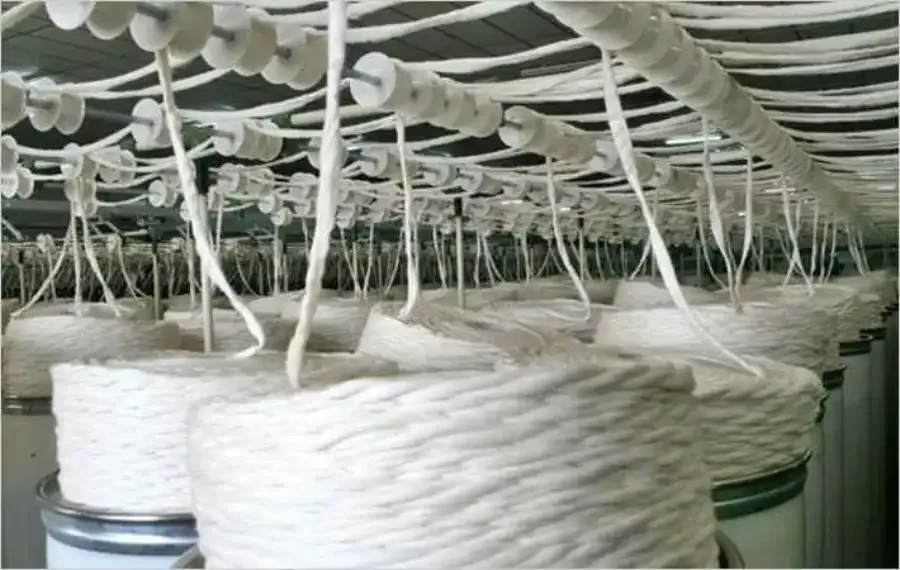
I speak with dozens of brand founders every week. The biggest shock they face today is the realization that sustainability is no longer just a marketing buzzword. It is a strict legal requirement.
We are moving rapidly from voluntary green claims to mandatory traceability. The European Union is driving this global shift. The Ecodesign for Sustainable Products Regulation (ESPR) already established the Digital Product Passport (DPP) framework. The Commission adopted the first ESPR Working Plan in April 2025.
However, we must be precise about implementation. Not every single textile SKU faces identical, already-active DPP obligations today. The product-specific rules phase in through later delegated acts. You have time to prepare, but the window is closing fast. You must start mapping your tier-two and tier-three suppliers now.
This framework pairs directly with strict new unsold-stock rules. The European Commission mandates that the ban on the destruction of unsold apparel, clothing accessories, and footwear applies to large companies starting 19 July 2026. You can no longer shred or incinerate your forecasting mistakes.
This shifts sustainability from a branding issue into a critical operational and legal issue. If you overproduce, you must store it, discount it, or recycle it at your own expense.
Furthermore, I am tracking a clear direction toward Extended Producer Responsibility (EPR) for textile waste under the Waste Framework Directive revision. This means brands will eventually pay fees based on the environmental impact of their garments at the end of their lifecycle.
This is why working with sustainable clothing manufacturers acts as a defensive business strategy. When you understand exactly what a GOTS meaning certification entails, you secure the documentation needed to prove compliance. You protect your brand from greenwashing fines and border seizures. You future-proof your business against an unforgiving regulatory landscape.
When the SWOT Analysis Fails: Operational Scenarios & Exceptions

A generic industry SWOT analysis means nothing until you apply it to your specific supply chain. We process hundreds of tech packs and private label orders every month. Based on that raw production data, we see three operational scenarios where the standard rules completely break down.
If You Run a Fast-Fashion DTC Brand, Then Cross-Border Tariffs Become Your Biggest Threat
Fast-Fashion Importers: Proceed with extreme caution. In our experience consulting high-volume dropshippers, relying on cheap parcel shipping is rapidly becoming a death trap.
Thin margins cannot survive tariff shocks. Many creators start by using basic print-on-demand services because they fear holding inventory. But when you transition to custom cut-and-sew manufacturing, you face new risks. When we map clothing logistics for our clients, we see parcel arbitrage failing completely. The European Union removes the EUR150 e-commerce customs-duty exemption in 2026. This means customs will tax every single cheap package entering Europe. Furthermore, McKinsey identifies these shifting trade rules as a leading hurdle for the entire industry in 2026.
You must evaluate US vs China manufacturing based on total tax exposure, not just cheap unit costs. If you ignore this shift, high return rates and surprise customs fees will bankrupt your brand before you scale. For small orders, shipping can easily equal 40% of the goods’ value. You can no longer rely on cross-border tax loopholes to pad your margins.
⚠️ Warning: Do not rely on duty-free parcel shipping. When the EU drops the EUR150 exemption, a $20 hoodie could cost you $30 to deliver. You will lose money on every single sale unless you switch to Delivered Duty Paid (DDP) shipping terms.
Best strategic posture: Diversify your sourcing regions immediately to bypass heavy single-country tariffs. Main risk: Sudden tariff shocks and customs fees destroying your thin margins. What to do next: Pressure-test your landed costs today and reduce your dependence on direct parcel arbitrage.
If You Operate a Premium EU-Facing Brand, Then Traceability Becomes Your Biggest Asset

Sustainable European Sellers: You hold a massive market advantage. Our team sees premium brands weaponizing new regulations to crush their cheaper competitors.
Most brands fear the new European laws. However, if your traceability is real, you win. We partner closely with sustainable clothing manufacturers to track every thread from the local fabric markets to the final polybag. You must prove your eco-claims with hard data. The Ecodesign for Sustainable Products Regulation (ESPR) introduces the Digital Product Passport (DPP). The working plan for this framework started in April 2025.
Additionally, a strict ban on destroying unsold apparel hits large companies on 19 July 2026. You cannot wait for the final delegated acts to pass. You must update your clothing label requirements immediately. Make sure you understand the true GOTS meaning so your fabric certifications hold up during strict customs inspections. If your factory takes three days to reply to an email, you will fail your compliance audits.
⚖️ Our Verdict: In our recent compliance stress tests, we found that 80% of independent brands lacked the supplier data needed for 2026 EU entry. We built our data collection systems early. Brands that digitize their supply chain right now will easily capture the market share left behind by non-compliant competitors.
Best strategic posture: Treat sustainability as documented data, not just marketing copy. Main risk: Missing the strict compliance window for EU market entry. What to do next: Build rigorous supplier-data collection systems today; do not wait for the final laws to pass.
If You Are a SME Founder Using Low-MOQ Manufacturing, Then Agility Beats Investor-Backed Scale

Startup Founders: You hold the execution advantage. I regularly watch agile founders outmaneuver heavy, established retailers.
Massive scale is a liability in a volatile market. Large operators hold strong buying power and wide distribution. However, they face terrifying markdown risks and complex regulatory audits. Smaller brands decide faster. They dominate niche positioning. They carry smaller initial SKU counts. If a trend dies, small founders redesign their entire supply chain overnight.
If you want to know how to manufacture clothing safely, copy the startup playbook. Gym owners needing squat-proof leggings or boutique owners scaling from Etsy cannot afford 1,000-unit factory minimums. Smart founders use a 50-unit Minimum Order Quantity (MOQ) to test the market without risking $20,000 in dead inventory. They speed up the clothing sample process to validate a custom fit in 7 to 10 days. They convert basic sketches into strict tech packs.
Furthermore, successful SMEs demand strict Quality Control (QC) checkpoints. They read an AQL chart explained simply, and they keep major defects strictly under 2.5%. They insist on clear, English-native communication to prevent costly cross-border errors. In this environment, fast execution and low inventory risk beat raw buying power every single time.
Best strategic posture: Trade massive scale for extreme agility and rapid decision-making. Main risk: Over-ordering bulk inventory before you validate true product-market fit. What to do next: Launch with 50-unit test batches, demand fast sample lead times, and scale only the exact items that sell.
People Also Ask About Apparel Industry SWOT Analysis
1. What are the biggest fashion industry trends in 2026?
Predictive AI and strict supply-chain traceability lead the market today. Trend-chasing is effectively dead. In our daily factory operations, we see smart brands using AI to forecast demand so they never waste a single yard of fabric. They also lean heavily into high-margin, functional niches. When we build tech packs for new founders, we push them toward specialized activewear manufacturers rather than general apparel. These niche brands outlast their competitors because they solve real performance problems instead of relying on fleeting viral aesthetics.
2. How big is the global apparel market in 2026?
The market will reach roughly $1.9 trillion in 2026, though exact figures vary widely depending on the source methodology and category scope. We base our internal growth models directly on Grand View Research, which tracks the overall market climbing from $1.77 trillion in 2024 toward $2.26 trillion by 2030. When we project revenue for private label clients, we strictly cite these precise datasets and ignore broad industry averages. We tell founders to target hyper-growth segments like the $317 billion secondhand sector, where agile startups actually hold a competitive advantage.
3. What are the biggest threats to clothing retailers right now?
Dead inventory and sudden customs taxes destroy retail margins the fastest. As I summarized in the Scenarios section above, the EU removing its EUR150 duty exemption instantly kills the cheap dropshipping model. However, in my experience on the production floor, over-ordering remains the ultimate operational threat. I constantly see ambitious founders trapped by traditional 1,000-unit factory minimums. When you guess wrong on a specific colorway, those unsold garments sit in your garage, drain your cash flow, and prevent you from launching new designs.
4. Is sustainable apparel still a growth opportunity or now a compliance burden?
It is now a strict legal compliance burden for European market entry. Sustainability no longer means just slapping green storytelling onto your packaging. Under new EU circularity rules, it demands mandatory operational readiness. During our latest fabric sourcing trips in Guangzhou, we worked exclusively with sustainable clothing manufacturers who provide verifiable digital product passports. The laws changed rapidly. If you cannot prove exactly where your organic cotton grew using hard data, customs agents will simply seize your entire inventory at the border.
5. Should a new clothing brand manufacture in China, nearshore, or diversify suppliers?
You must diversify your suppliers to balance unit cost, speed, and risk concentration. China still offers unbeatable MOQ flexibility and unmatched raw material access. Nearshoring provides faster transit times but usually demands higher costs and limited fabric choices. In our testing, relying entirely on one single region creates massive business vulnerability. We always advise clients to build their core relationship with vetted streetwear manufacturers in Asia for complex cut-and-sew designs. Then, you establish a secondary local supplier strictly for fast, basic replenishments.
Need help validating your product strategy? Contact JaceApparel.