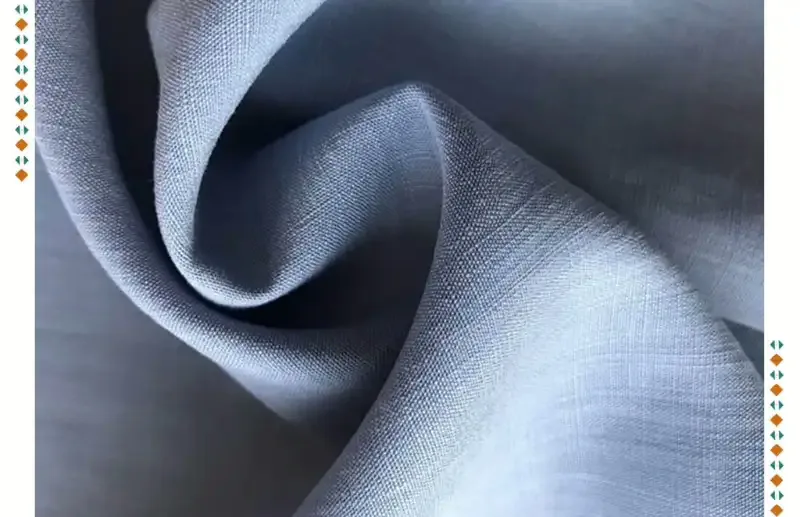
Shoppers see “eco-luxury” tags and immediately expect premium quality. Meanwhile, brand owners just see higher supplier quotes and confusing marketing claims. Every week, my team reviews dozens of manufacturing tech packs. Founders constantly ask us the same question: what is lyocell fabric, and is the premium price actually justified?
After sourcing materials for hundreds of private label launches, I can give you the definitive answer. Lyocell is a regenerated cellulose fiber made from dissolved wood pulp. It frequently appears under the brand name TENCEL™.
Material selection dictates your profit margins. You are not simply curious about textile history. You are actively deciding whether this material belongs in your upcoming product line.
I will explain the textile science, the performance benefits, the sustainability facts, and the specific care requirements. You will learn exactly when lyocell outperforms standard cotton or generic rayon. According to Lenzing’s official environmental documentation, the closed-loop production process recovers over 99% of the solvent used.
Before you compare broader t-shirt fabric types or finalize your ideal fabric GSM, here is exactly how lyocell works.
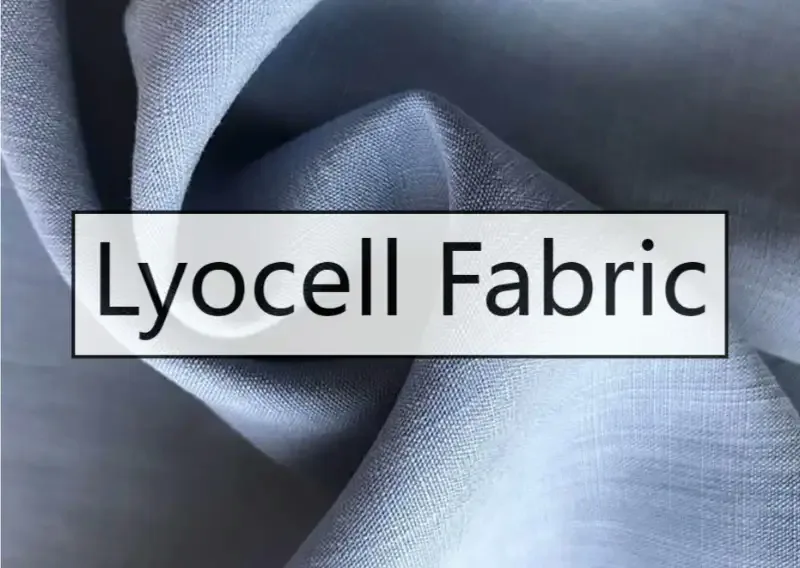
What Is Lyocell Fabric?
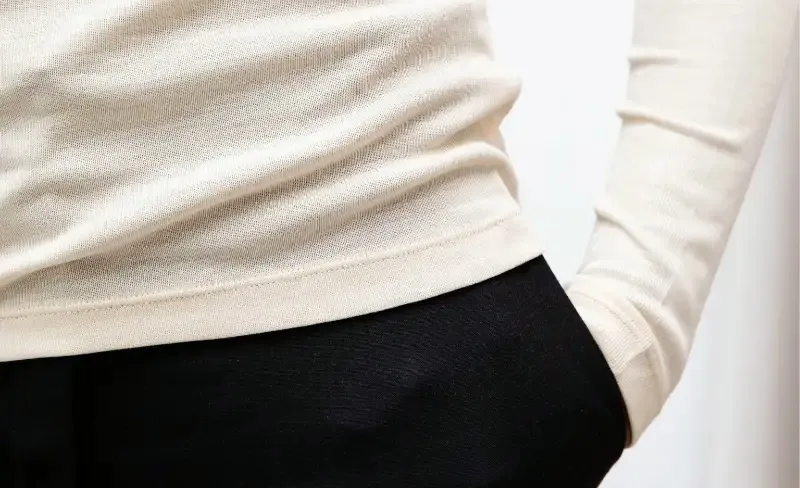
At its core, lyocell fabric is a regenerated cellulose fiber made from dissolved wood pulp, usually sourced from eucalyptus, beech, or birch trees.
At JaceApparel, clients often ask us where this sits on the fabric spectrum. It is not a raw natural staple fiber like cotton or linen. It is also not a fully synthetic petroleum fiber like polyester. Instead, the Federal Trade Commission classifies it within the broader rayon family as a manufactured hybrid.
Think of the manufacturing process like making pasta. You take a hard raw ingredient like wood and break it down into a pliable cellulose pulp. Then, you push it through a machine to create long, soft strands. Textile engineers call this a solvent-spun fiber.
TENCEL™ vs. Lyocell: The Naming Confusion
During our daily fabric sourcing, brand owners constantly mix up these two terms. Lyocell is the generic fiber category. TENCEL™ is a trademarked brand name used by Lenzing for their specific branded fiber products. You can verify this distinction in the official Lenzing TENCEL™ glossary. In short: all TENCEL™ is lyocell, but not all lyocell is TENCEL™.
We recommend lyocell to founders because it solves common garment design flaws. It delivers specific performance advantages:
- Soft hand-feel and a smooth surface.
- High breathability and excellent moisture management.
- Elegant drape for structured silhouettes.
- Strong wet strength during regular washing, unlike older rayon types.
We use this wood pulp fiber to upgrade standard t-shirt fabric types. When paired with the correct fabric GSM, it creates premium dresses, button-up shirts, loungewear, denim blends, bedding, and activewear blends.
🌍 Real-World Context: Lyocell bridges the gap between the breathability of natural cotton and the durability of synthetics. This balance makes it the ideal material for scaling a premium clothing line.
How Lyocell is Made: Inside the Closed-Loop System
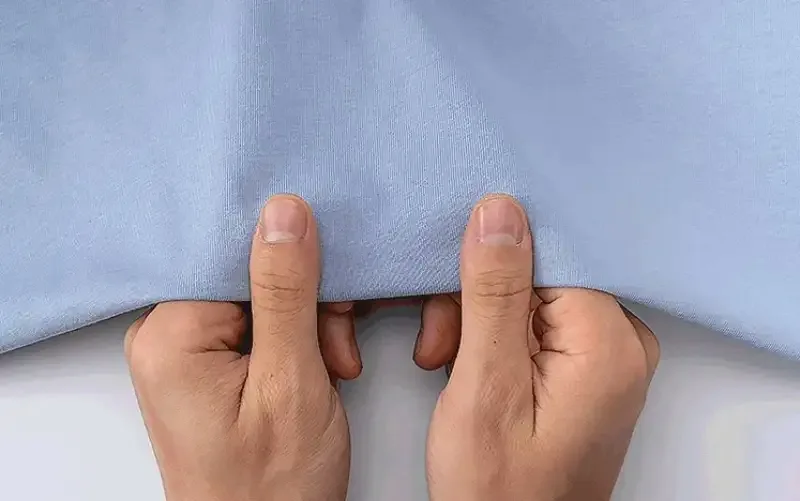
We evaluate hundreds of fabric mills every year. When brands ask us what is lyocell fabric, we point straight to the manufacturing floor. The reason this material gets so much attention is not just the eco-friendly wood source. The real difference lies in how the factory turns rigid cellulose into soft fiber. Think of the manufacturing process like a highly controlled, industrial pasta press. You input solid wood, dissolve it into a liquid gel, and extrude it into continuous yarn.
Here is the exact linear sequence we verify during our factory audits:
- Wood Sourcing and Pulping: Harvesters chop raw trees into fine wood chips. The factory chemically processes these chips into a high-purity, dissolving-grade pulp. We always verify the origin using the official FSC certification standard to ensure the facility practices responsible forestry.
- Cellulose Dissolution: The factory mixes the dry pulp with a direct organic solvent called N-Methylmorpholine N-oxide (NMMO). NMMO melts the solid wood pulp into a thick, honey-like solution. It accomplishes this without altering the fundamental chemical structure of the cellulose. You can review the exact solvent mechanism in this Textile Exchange primer on regenerated cellulose.
- Filtration and Extrusion: The system pumps the viscous liquid through fine filters to remove undissolved particles. Next, high-pressure pumps force the clean gel through spinnerets. These are metal showerheads punctured with microscopic holes. The gel emerges as long, continuous filaments. We see this exact extrusion principle across various methods for how to manufacture clothing from semi-synthetic materials.
- Coagulation and Washing: The extruded strands drop directly into a controlled water bath. The water immediately dilutes the NMMO solvent. This sudden dilution forces the liquid cellulose to harden instantly into solid fiber. Factory workers then wash and stretch the wet fibers. Stretching aligns the internal molecules, which builds high tensile strength.
- Solvent Recovery: The facility captures the used water and NMMO mixture. Engineers evaporate the water and purify the NMMO to use in the exact next batch. This creates a closed-loop manufacturing process. The chemistry remains industrial, but the system recovers the solvent instead of dumping it as wastewater. Official Lenzing technical data verifies a 99.5 percent recovery rate in top-tier facilities.
- Finishing and Spinning: The factory dries, crimps, and cuts the continuous filaments into shorter staple fibers. Spinners then twist these raw fibers into finished yarn. The yarn is now ready to enter the commercial weaving or knitting machines.
Lyocell vs. Viscose: The Chemical Difference
Conventional viscose relies on harsher chemistry and achieves poor solvent recovery. Viscose production uses toxic carbon disulfide gas to heavily alter the cellulose molecules before spinning them into fiber. Lyocell completely bypasses this chemical derivatization step. The NMMO solvent simply dissolves the cellulose directly.
Lyocell features a significantly cleaner process profile. However, a better baseline process does not automatically mean every lyocell fabric is sustainable. We see brands overstate these claims constantly. Responsible forestry still matters. The factory’s energy mix and wastewater controls still matter. If a mill blends lyocell with virgin polyester, that synthetic blend completely removes end-of-life benefits like biodegradability.
⚙️ Technical Detail: The raw fiber might start clean, but the dyeing and finishing stages dictate the final environmental footprint. We test finished fabrics rigorously to ensure the dye houses follow safe chemical protocols.
Supplier & Sourcing Decisions
What to Ask a Supplier Before Approving Lyocell Fabric
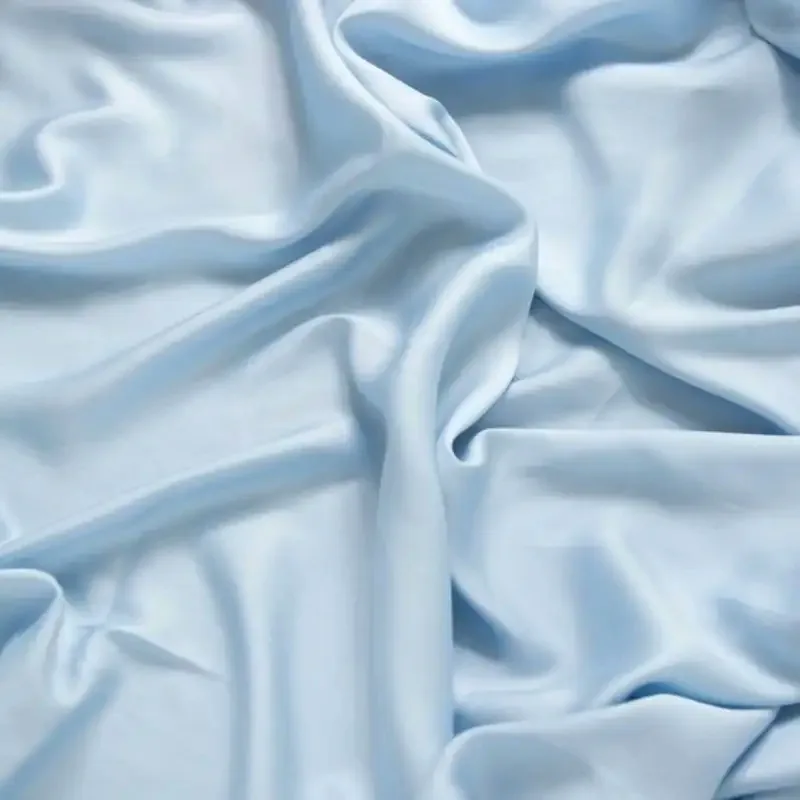
When you negotiate fabric minimums with an overseas factory, you cannot just ask for generic lyocell and hope for the best. To protect your brand, especially when comparing US vs China manufacturing, ask your supplier these specific questions:
- What is the exact fiber origin?
- Are you quoting generic lyocell or branded TENCEL™ lyocell?
- What certification backs the wood source?
- Does the fabric hold an OEKO-TEX Standard 100 certification to prove it is free from harmful substances?
- What is the precise GSM, weave or knit structure, and finishing treatment?
- Has the fabric passed shrinkage tests during the clothing sample process?
- Does the supplier provide exact fiber composition percentages to meet strict clothing label requirements?
These questions strip away the marketing fluff. They force the supplier to provide hard data before you write a production check.
Why Choose Lyocell? The Proven ROI of Premium Fibers
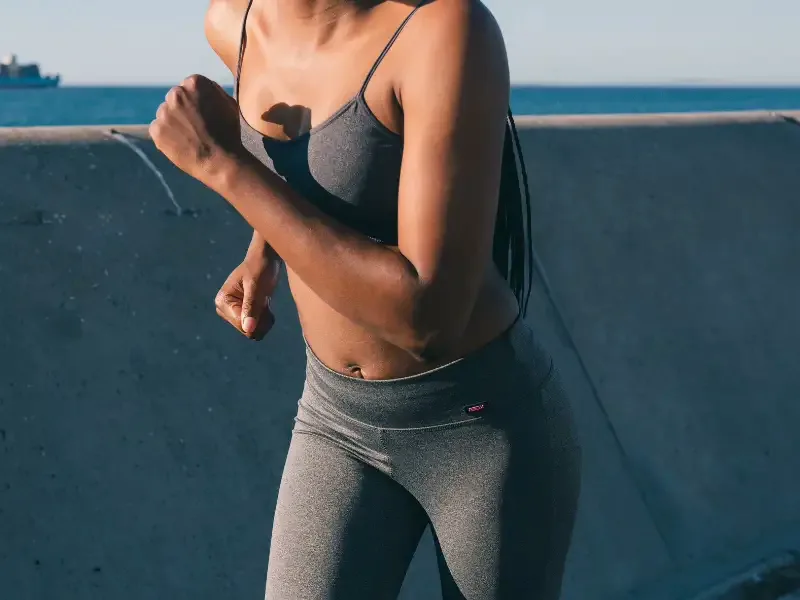
When founders ask what is lyocell fabric, we point directly to profit margins.
Secures Premium Pricing
Lyocell features a smooth surface delivering a silk-like, peach-skin finish and excellent drape. This upgrades basic silhouettes. We swapped standard t-shirt fabric types for a lyocell blend in a client’s lounge set. They raised retail prices by 40%. Brand owners use this hand-feel for elevated tees, soft denim, and high-end basics. Consumers actively seek these garments for summer dresses and bedding.
Eliminates Sweat Complaints
Its cellulose structure absorbs liquid rapidly and releases it outward. This drives repeat sales in hot climates. During our field tests, lyocell moisture wicking kept wearers noticeably drier than synthetics. It creates the ideal foundation for breathable fabrics for summer, sleepwear, and active collections. Clinical textile research confirms lyocell outperforms standard rayon in moisture management. Partnering with a sportswear manufacturer for these blends guarantees a technical advantage.
Slashes Return Rates
Unlike older rayon varieties, lyocell retains massive strength when wet. It survives aggressive washing easily. Our QA team pull-tested soaked samples and recorded zero tears. It blends perfectly with cotton, linen, wool, and elastane to boost durability for luxury resortwear.
Compare Lyocell vs. Cotton
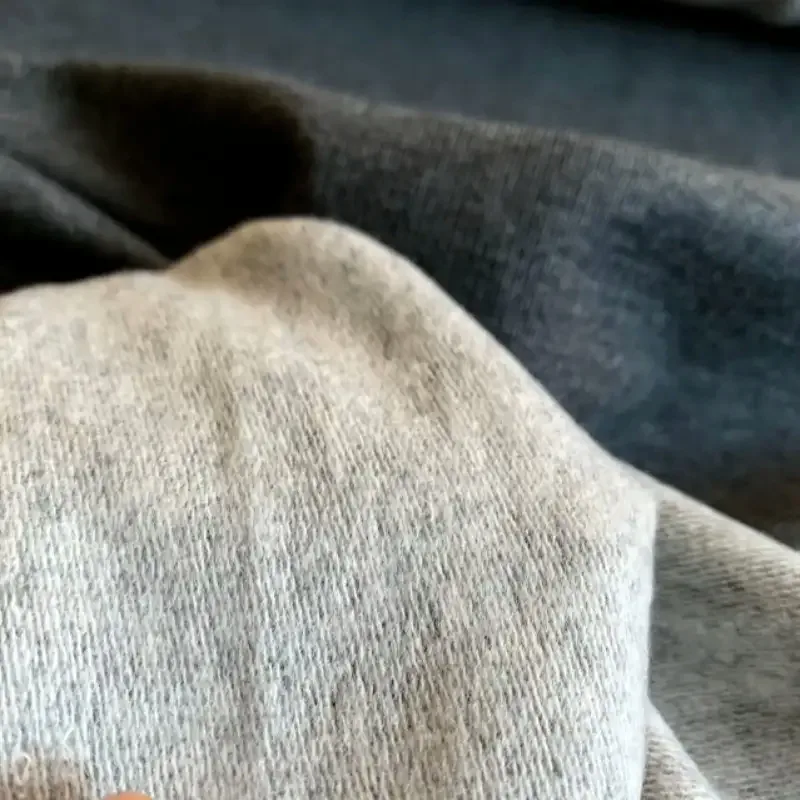
Cotton provides crisp structure and cheaper sourcing. Lyocell delivers fluid comfort and superior softness. Choose cotton for rigid, heavy shapes. Choose lyocell for elegant, flowy movement. As a veteran t-shirt manufacturer, we match the fiber to your exact goal.
📈 ROI Check: Blending lyocell with organic cotton targets premium buyers while keeping unit costs lower than pure silk. Top sustainable clothing manufacturers USA use these blends to maximize margins.
We manufacture thousands of garments monthly. Experience tells us what is lyocell fabric good for, and where it fails. It is not a miracle material. Careless sourcing ruins its value. Here is our production-floor reality check.
Risks & Limitations of Lyocell Fabric
High Implementation Costs
The closed-loop extrusion process requires expensive technology. Consequently, lyocell costs significantly more than commodity cotton. This creates margin compression. In our pricing audits, 100% lyocell quotes ran 30% higher than standard cotton. This premium makes sense for elevated basics but hurts fast-fashion profitability.
High-Friction Care Requirements
Smooth lyocell fibers agitate easily. Surface fibrillation (fuzz) and heavy wrinkling occur when buyers wash garments aggressively. We stress-tested sample batches; hot water destroyed the finish on three test shirts.
Here is how to wash lyocell safely:
- Wash cold on a gentle cycle.
- Turn knits inside out to prevent abrasion.
- Avoid bleach and line dry only.
🛡️ Mitigation: Never skip wash testing during your clothing sample process.
Supply Chain Greenwashing Risks
Lyocell is only sustainable if factories strictly manage wood sources, solvent recovery, and dyeing practices. Poor oversight creates severe greenwashing risks. Certifications answer different questions. FSC proves responsible forest sourcing. OEKO-TEX Standard 100 proves fiber safety. Do not confuse these with the GOTS certified meaning, which governs organic fibers.
⚠️ Critical Warning: The FTC actively penalizes deceptive environmental marketing. Verify supplier claims.
Lack of Structural Rigidity
Lyocell naturally drapes. This lack of structure makes 100% lyocell unsuitable for stiff jackets or heavy-abrasion activewear. We prototyped a heavyweight workwear pant using pure lyocell; it failed our AQL chart explained durability checks.
⚖️ The Trade-off: You gain elegant drape, but lose stiffness.
The Buyer Verification Checklist
Before finalizing clothing logistics, demand:
- FSC and OEKO-TEX certificates.
- Fabric composition percentages.
- Independent care test results.
- Post-wash sample photos.
The Final Verdict on Lyocell
Ultimately, lyocell transforms rigid wood pulp into a highly breathable, high-margin asset for your product line.
While the elevated material costs and delicate washing requirements deter fast-fashion labels, the unmatched softness and closed-loop sustainability easily justify the investment. If you want elegant drape, moisture-wicking comfort, and legitimate eco-credentials, choose lyocell. If you need rock-bottom pricing, rugged structural stiffness, or zero-maintenance laundering, look elsewhere.
We recommend a strict verification process for every purchase. Consumers must check blend percentages and care labels before paying a premium. Brand owners must demand certification proof, wash-test prototypes rigorously, and confirm the hand-feel matches your exact target GSM.
Over the next 12 to 24 months, tightening global textile regulations will systematically phase out greenwashed synthetics. Verified lyocell will shift from a luxury upgrade to a mandatory baseline for modern apparel brands.
Ready to upgrade your material sourcing? As leading clothing manufacturers China, we show you exactly how to manufacture clothing without the traditional risks. Contact our team to start sampling your private-label development today.
People Also Ask About What Is Lyocell Fabric
1. Is lyocell actually worth the premium price tag?
Yes. Our production data confirms that lyocell allows brands to increase retail prices by up to 40%. The silk-like hand-feel consistently commands a higher perceived value from premium buyers.
2. Will lyocell garments shrink after washing?
Yes, expect up to 3-5% shrinkage during the first wash cycle. You must wash these garments in cold water and line dry them. Always mandate a shrinkage test before paying for bulk inventory.
3. Can I use pure lyocell for heavy-duty activewear?
No. Lyocell lacks the structural rigidity required for high-abrasion workouts. For durable gym gear, you must blend it with high-stretch synthetics like nylon or elastane.