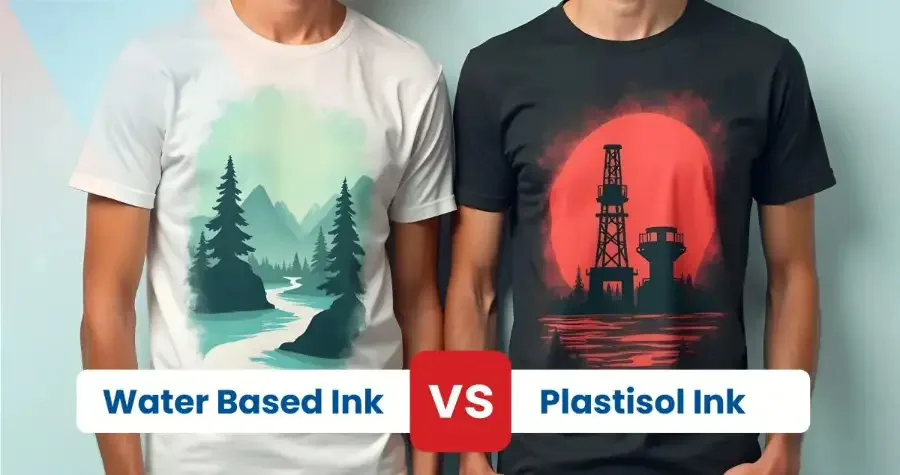
Choose Water-Based Ink if your priority is retail-grade comfort and a “soft hand” feel. Choose Plastisol if you need predictable color vibrancy on dark garments and scalable production reliability.
In this water based vs plastisol ink comparison, water-based wins the wearing experience because it dyes the fabric fibers directly. Plastisol wins on consistency and opacity, but the ink sits on top of the shirt, creating a heavier, less breathable layer.
This article focuses strictly on garment printing ink types, but you can view our broader guide on types of printing. If you need a recommendation based on your specific fabric and budget, we can review your tech pack.
Water Based vs Plastisol Ink - Expert Comparison
Here is the direct technical specification comparison for selecting the correct ink chemistry:
| Feature / Metric | Water-Based & Discharge | Plastisol |
|---|---|---|
| Hand Feel Rating | 10/10 (Zero Hand) | 3/10 (Rubberized/Thick) |
| Ink Interaction | Fibre-Penetrating (Dyes the fabric) | Surface-Bonding (Sits on top) |
| Breathability | High (Air permeable) | None (PVC Sweat Barrier) |
| Vibrancy on Dark | Moderate (Requires Activator) | High Opacity (Standard Underbase) |
| Pantone Accuracy | Approx. (Substrate-Dependent) | Exact / Predictable |
| Failure Mode | Gradual Fading (Softens) | Cracking / Peeling |
| Cure Requirement | 300°F–350°F (Requires ~90s Dwell) | 320°F (Instant Fusion) |
| Pot Life (Screen) | High Risk (Evaporates/Clogs) | Indefinite (Never dries) |
| Chemical Base | Solvent/Acrylic (PVC-Free) | PVC Resin / Plasticizer |
| Best Substrate | 100% Cotton | Poly-Blends [Learn more about fabrics](link-to-fabric-guide) |
| Production Cost | Premium (+15–30% approx) | Standard Industry Rate |
Water-Based ink is the technical winner for “retail-quality” softness, breathability, and eco-compliance, making it the standard for fashion brands. However, Plastisol remains the superior logistical choice for exact color matching, synthetic fabrics, and cost-effective high-volume production.
1. Hand Feel + Breathability (The “Retail Quality” Test)
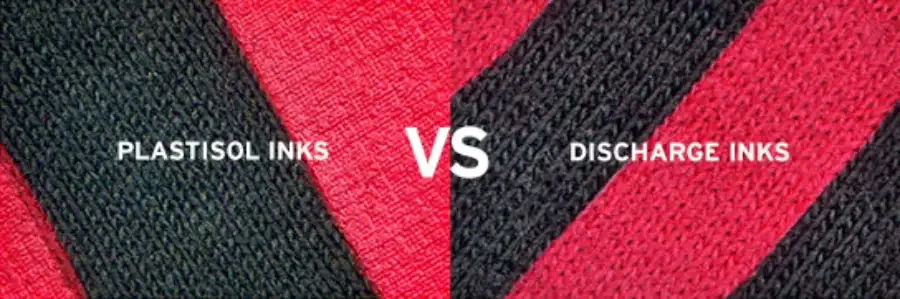
This is the single biggest wedge between a “merch tee” and a premium fashion garment. If you rub your thumb over a Plastisol print, it feels like a rubberized sticker sitting on top of the fabric. It creates a physical barrier. On a hot day, a large plastisol logo on the chest acts as a non-breathable sweat patch, trapping heat and moisture against the skin.
Water-based ink behaves like a dye. It penetrates the fibers rather than coating them. The result is a “soft hand” where the print is indistinguishable from the unprinted cotton. The fabric retains its natural drape, and the print remains breathable t-shirt prints—air passes right through the design.
The Hierarchy of Softness:
- Discharge: Softest / “No-hand” feel (bleaches dye out of the fabric).
- Traditional Water-Based: Soaks in, effectively zero texture.
- Opaque Water-Based / High Solids Acrylic (HSA): The bridge—adds coverage but slight texture.
- Soft-Hand Plastisol: Thinned with additives; softer, but still a surface film.
- Standard Plastisol: The classic “bulletproof” rubber feel.
Winner: Water-Based Ink (Essential for streetwear/fashion brands; Plastisol is strictly for promotional gear).
2. Color Vibrancy + Color Accuracy
Plastisol is liquid plastic. Because it sits on top of the fibers, it offers 100% opacity. If you need a bright Neon Yellow to pop aggressively off a black tee, or if you need an exact Pantone match for a corporate logo, Plastisol is the only safe bet.
Water-based inks are semi-transparent. On dark garments, they naturally look muted or “vintage” because the fabric color influences the ink tone. While modern HSA inks have narrowed this gap, achieving fluorescent brightness with water-based systems requires complex under-basing that drives up costs.
🧠 Expert Take: Don’t fight the medium. If you want soft hand feel vs vibrant colors, you usually have to pick one. Using water-based ink to achieve a “glossy” look often requires so much ink deposit that you lose the softness advantage anyway.
Winner: Plastisol (For neon vibrancy and strict brand guideline adherence).
3. Durability (How They Fail)
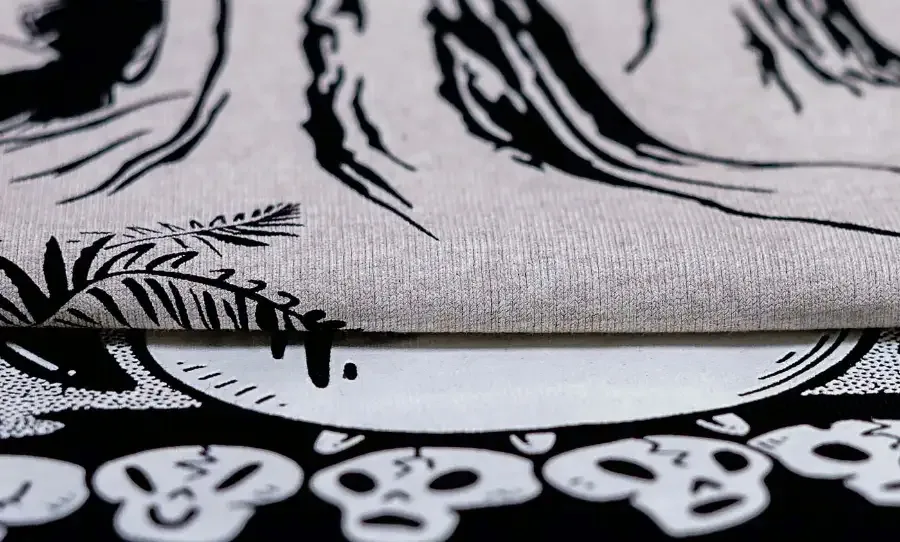
Durability isn’t just about longevity; it’s about aging. Plastisol ink durability is high, but its failure mode is mechanical. Over time, as the shirt shrinks and stretches, the rigid ink layer will eventually stiffen and crack (the “cracked logo” effect).
Water-based ink fails chemically. It integrates with the fiber, so it cannot crack. Instead, it undergoes fibrillation—tiny cotton fibers break through the ink surface after repeated washing, giving the print a fuzzy, faded “vintage” patina. High-end brands often prefer this graceful aging over the jagged cracking of old plastisol.
🚀 Actionable Insight: The 50-Wash Protocol Don’t guess—verify your manufacturer. Print the same design both ways on the same black GSM tee and photograph the edge/mid-fill at:
- Day 1: Baseline gloss/hand.
- Wash 10: Check for initial fading on water-based.
- Wash 25: Check for edge lift on plastisol.
- Wash 50: The verdict. (Pass criteria: No flaking or illegibility).
Winner: Water-Based (For graceful aging; Plastisol for resistance to fading).
4. Curing & Production Risk (The Cost Driver)
This is why water based ink pros and cons often list “Higher Price.” Plastisol is forgiving. It won’t dry in the screens and cures simply by reaching a fusion temp (typically 320°F / 160°C, though always verify exact cure per TDS).
Water-based ink is high-maintenance. It requires evaporation plus cross-linking. The water must be driven out before the heat sets the binders, requiring longer dryer tunnels with high airflow. If a factory rushes a water-based job through a standard plastisol dryer, the ink may feel dry to the touch but will wash out immediately by the customer. This complexity increases spoilage risk and production time.
⚠️ Safety First: Undercured water-based ink is the #1 cause of returns for new brands. Always demand a “wash test” video from your clothing factory before the bulk order ships.
Winner: Plastisol (For lower production costs and speed).
5. The Eco-Friendly Debate
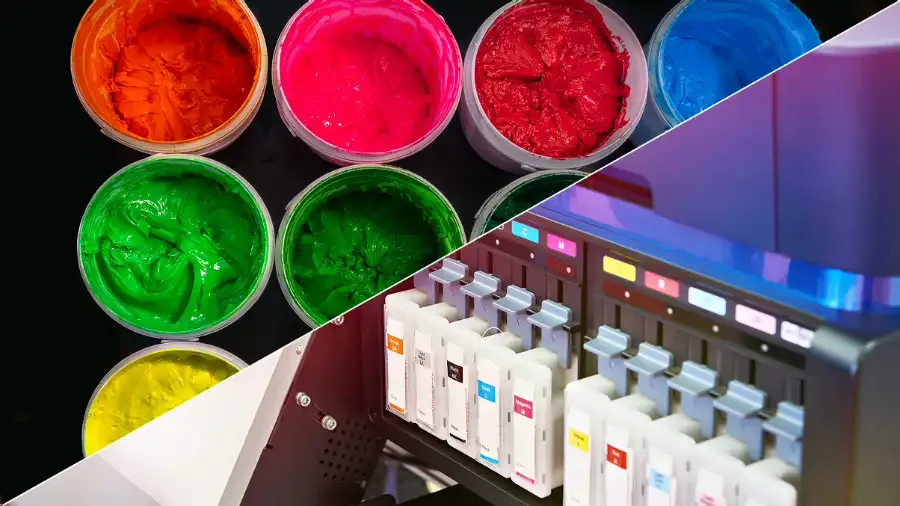
Eco-friendly screen printing is a major selling point, but the reality is nuanced. Water-based is generally superior as it is PVC-free and phthalate-free, requiring water for cleanup rather than harsh chemical solvents.
However, water-based printing consumes significantly more energy (to evaporate the water) and often uses co-solvents. Plastisol is a PVC product that requires chemical management for disposal.
Buyer Checklist:
- Ask for the Ink TDS/SDS.
- If selling to the EU or children’s market, verify OEKO-TEX / REACH compliance.
Winner: Water-Based (For compliance and brand optics).
Discharge Printing vs Plastisol
For brands that want the opacity of plastisol on dark shirts but the softness of water-based, discharge printing is the “hack.” Discharge is a water-based ink mixed with an activator (typically Zinc Formaldehyde Sulfoxylate) that bleaches the dye out of the organic fabric fibers and replaces it with pigment simultaneously.
The result is a bright print on a black shirt with zero hand feel. However, discharge printing vs plastisol has a major limitation: it only works reliably on 100% natural fibers (Cotton/Bamboo). It cannot discharge synthetic dyes, meaning it fails on standard polyester athletic blends.
Winner: Discharge (Specifically for 100% Cotton dark garments).
Water-Based (and Discharge)
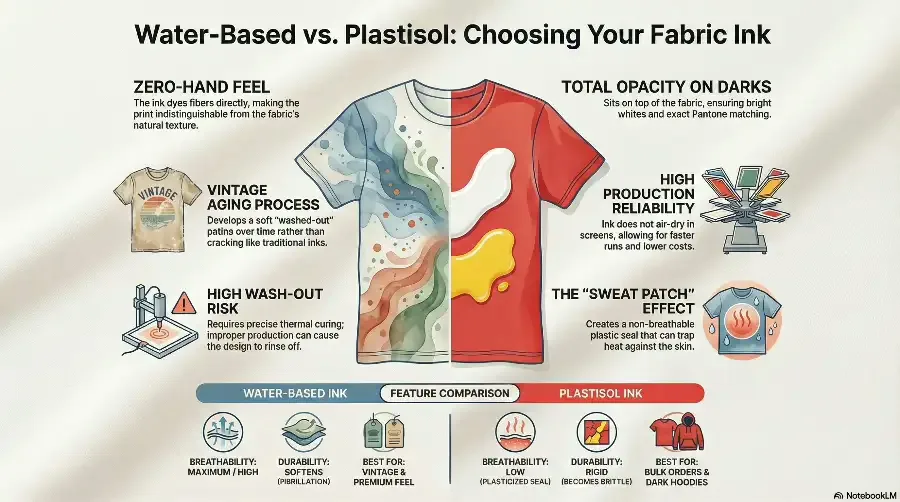
Pros
- Zero-Hand Feel: The ink dyes the fabric fibers rather than coating them. In our testing, the print feels indistinguishable from the cotton, offering maximum breathability.
- Vintage Aging: Develops a soft, “washed-out” patina over time (known as fibrillation) rather than the ugly cracking seen on old gym shirts.
Cons
- High Wash-Out Risk: This ink relies on precise thermal dwell times to cure. If a shop rushes production, the design can rinse off in the customer’s first wash—a catastrophic failure for new brands.
- Muted on Dark Fabrics: Achieving neon brightness on black cotton is difficult without harsh discharge agents or expensive high-solid acrylics.
Plastisol Ink
Pros
- Total Opacity: Sits on top of the fabric as a plasticized layer. This ensures bright whites and exact Pantone matching even on dark black hoodies.
- Production Reliability: The ink does not air-dry in the screen, allowing factories to run faster with fewer defects. This generally results in lower unit costs for bulk orders.
Cons
- The “Sweat Patch” Effect: Creates a non-breathable seal. We found that large center-chest logos trap heat and feel like a heavy plastic sticker against the skin.
- Long-Term Brittleness: The rigid ink eventually fights against the flexible fabric, leading to cracking after repeated wash cycles.
🚀 Actionable Insight: Don’t guess—audit your printer. To avoid the common “wash-out” disaster with water-based inks, ask your supplier: “Do you perform a wash test on the first sample?” If they only do a stretch test, the risk of fading is high.
People Also Ask About Water Based vs Plastisol Ink
1. Which ink chemistry is best for my brand?
Your choice depends on your business model and fabric constraints: · Choose Water-Based / Discharge if: You are a DTC brand prioritizing “retail-quality” comfort and breathability on 100% cotton. · Choose Plastisol if: You require precise brand colors on dark uniforms or high-volume event merch where consistency is paramount. · Choose a Bridge (HSA) if: You need opacity on dark fabrics but refuse the heavy, rubberized feel of standard plastisol.
2. How do I de-risk the production process?
Never proceed blindly. Request a strike-off sample on your exact garment to verify the hand feel. ⚠️ Safety First: Define your “after washes” expectation immediately. Poorly cured ink is a primary failure point; verify compliance with AATCC Laundering Standards.
Ready to validate your design? Request samples and wash tests here.