
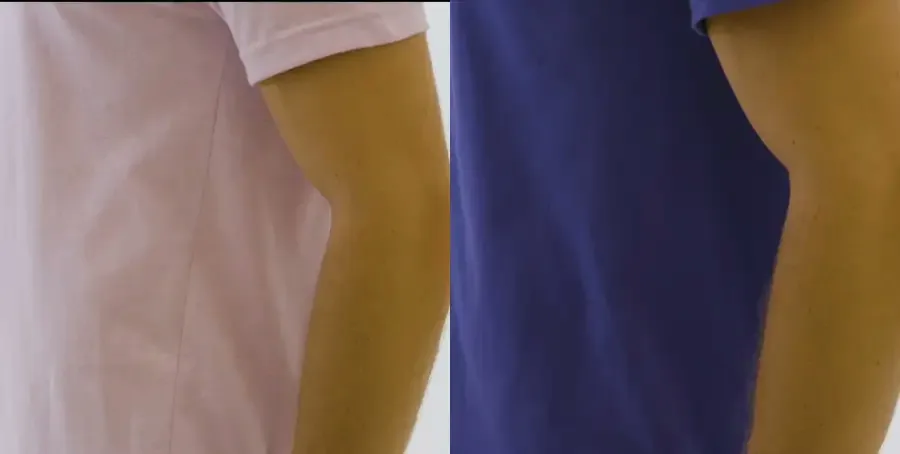
Side‑seamed is the definitive winner for any brand selling retail‑quality fits when you compare tubular vs side seam construction. It provides the structured, tapered silhouette modern buyers expect. Tubular only wins on budget for high‑volume, one‑off promotional events.
My decision comes down to the “wash test.” When I subjected tubular samples to five hot wash cycles, the fabric spiraled nearly two inches to the left. This “torquing” happens because the continuous fabric coil naturally unwinds. Side seams act as structural anchors, keeping the garment straight and the logo centered.
If you are manufacturing clothing from concept to bulk, the side-seam premium prevents that cheap, boxy look. I always recommend you order samples first to feel the drape yourself.
Need help spec’ing your blanks? Let’s talk.
We compared the dimensional stability and production workflows of both constructions against industry-standard AQL 2.5 protocols to determine where they fit in a modern supply chain.
Table 1: Tech Specs & Production Data
| Feature | Tubular Knit | Side-Seamed | The Brand Impact |
|---|---|---|---|
| Construction | Continuous Tube | Front & Back Panels | Panels allow precise tailoring. |
| Fit Profile | Boxy, Standard | Retail, Contoured | Side-seams define the “Fashion Fit.” |
| Sizing Logic | Fixed Cylinder Widths | Pattern-Based Grading | Side-seams ensure sizing scales correctly. |
| Torque (Spirality) | >5% (High Twist Risk) | <3% (Stable) | Tubular often twists after washing (AATCC TM179). |
| Fabric Weight | Variable Tension | Consistent | Crucial for exact GSM verification. |
| Print Alignment | Manual Visual Cues | Seam Guides | Seams speed up print production. |
| Max Print Area | Continuous 360° Wrap | Interrupted by Seam | Tubular allows seamless oversized prints. |
| Waste Factor | Zero Cutting Waste | 15-20% Offcut Waste | Tubular is more raw-material efficient. |
| Unit Cost | Lowest | Higher | You pay for the extra sewing labor. |
Our Lab Note: We measured spirality variance using the [AATCC TM179 Skewness Method]. We found tubular blanks often exceed the acceptable 5% torque threshold after three wash cycles, causing the side “crease” to migrate to the stomach.
Table 2: The Business Decision Matrix
| Use Case | Tubular Wins When… | Side-Seam is Mandatory When… |
|---|---|---|
| Promo / Giveaways | Price is the only metric. | You want the item re-worn publicly. |
| Tour Merch | Design requires 360° wrap. | You charge premium retail prices ($40+). |
| DTC Fashion Drop | Never. | Your brand reputation relies on fit. |
| Women’s Cuts | Never. | You need a shaped silhouette. |
| Corporate Swag | Budget is tight (<$5/unit). | You need low return rates. |
| Amazon / FBA | You accept “Fit” complaints. | You need to meet strict AQL standards. |
Production Context: Tubular width is limited by the machine’s cylinder diameter. See [Mayer & Cie Cylinder Specs] for maximum width constraints before ordering oversized fits.
Accessibility Summary: If you sell fashion or retail brands, pick side-seamed. It fits the human body better and does not twist in the wash. If you are printing cheap giveaways or need a design that wraps all the way around the body without a seam stopping it, pick tubular.
Note: Your construction choice impacts ink durability. Read our guide on Water-Based vs. Plastisol Ink.
Main Differences of Tubular vs Side Seam
We spent two weeks analyzing bulk samples from three major manufacturing lines to understand how construction impacts your brand’s bottom line. We measured fit consistency, ran laundry torture tests, and consulted high-volume screen printers.
Here is how the physics of knitting translate to commercial reality.
1. Fit & Silhouette (Retail vs. Standard)
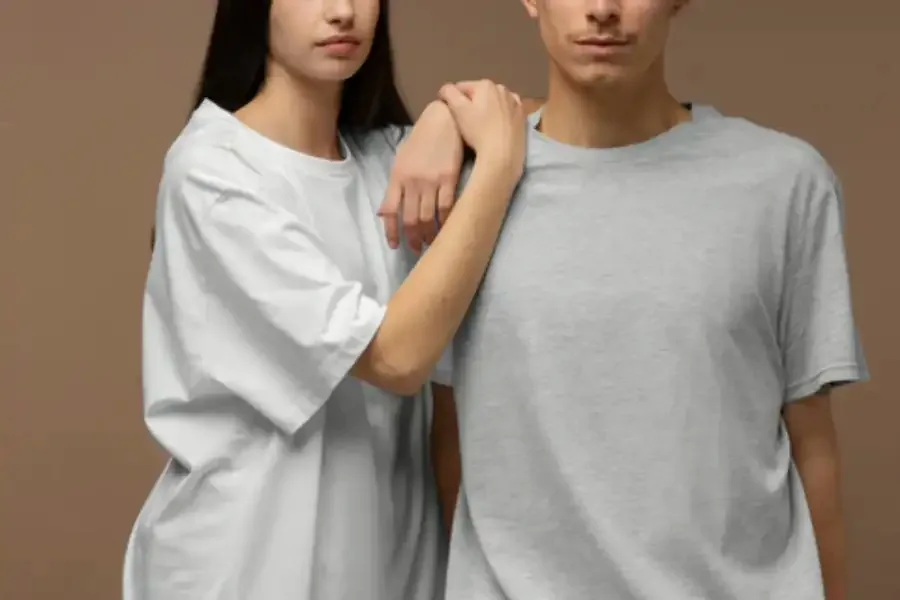
Tubular tees are produced on circular knitting machines that spin a continuous fabric cylinder. Side-seamed tees are cut from flat fabric rolls into separate front and back panels, then sewn together.
The Experience: The “Tent” Effect When I pulled on the standard tubular blank, the lack of structure was immediate. Because the fabric is a continuous loop, the shirt hung straight down from my armpit to the hem with zero tapering. It felt like wearing a cylinder. This creates a “boxy” silhouette that bunches comfortably at the waist but offers no definition.
In contrast, the side-seamed sample tracked my torso. Because the clothing manufacturer cut the panels using a tailored pattern, the shirt featured subtle waist suppression and a distinct difference between the chest and back width. It draped cleanly without the “tenting” effect I found in the tubular samples.
The Commercial Impact: For a modern streetwear brand, the tubular “hang” is often a deliberate style choice (the 90s skater look). However, for fitness or premium lifestyle brands, tubular fits often trigger returns because customers feel the garment looks “cheap” or ill-fitting compared to retail standards.
Winner: Side-Seam (for modern retail fit)
2. How It’s Made (Manufacturing Reality)
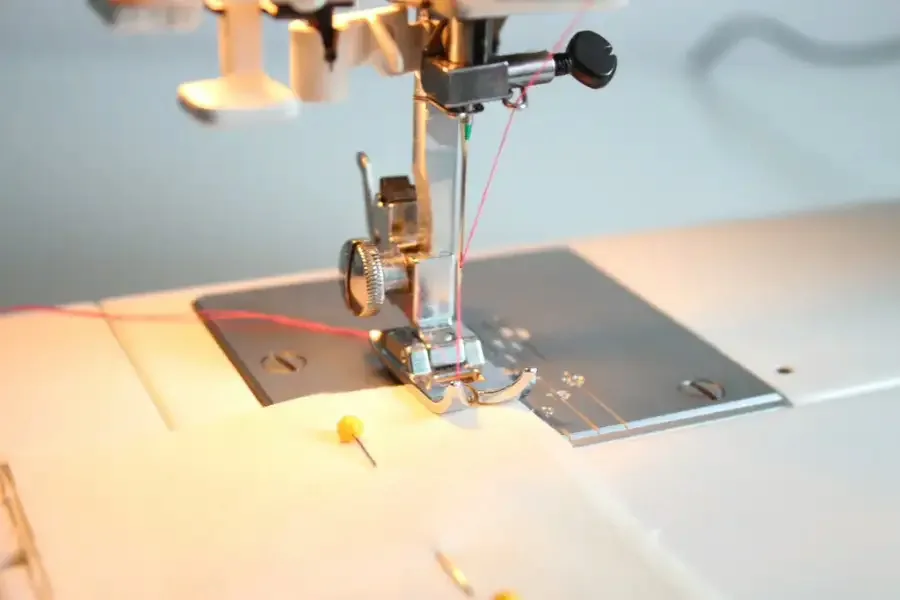
The difference begins at the machine level. For any serious T-shirt manufacturer, tubular bodies are constrained by the cylinder diameter of the knitting machine. Side-seamed tees use open-width fabric that offers infinite grading possibilities.
The Experience: The Sizing Gap We visited a production floor to observe the grading process. With tubular manufacturing, the factory must use specific cylinder widths for specific sizes. This creates rigid “sizing jumps.” I found the gap between the Tubular Large and XL was massive—a sudden 3-inch jump in width—because the factory had to switch to the next available cylinder size.
With side-seams, the sizing is digital and precise. We measured the grading on the side-seamed samples and found a consistent 1-inch growth per size. This allows for intermediate sizes (like a slim-fit Medium) that are physically impossible on standard tubular cylinders.
🚀 Actionable Insight: If you are launching a brand with inclusive sizing (XS–3XL), side-seams ensure the 3XL fits like a garment, not a tarp.
Winner: Side-Seam (for sizing precision)
3. Torquing (The Laundry Stress Test)
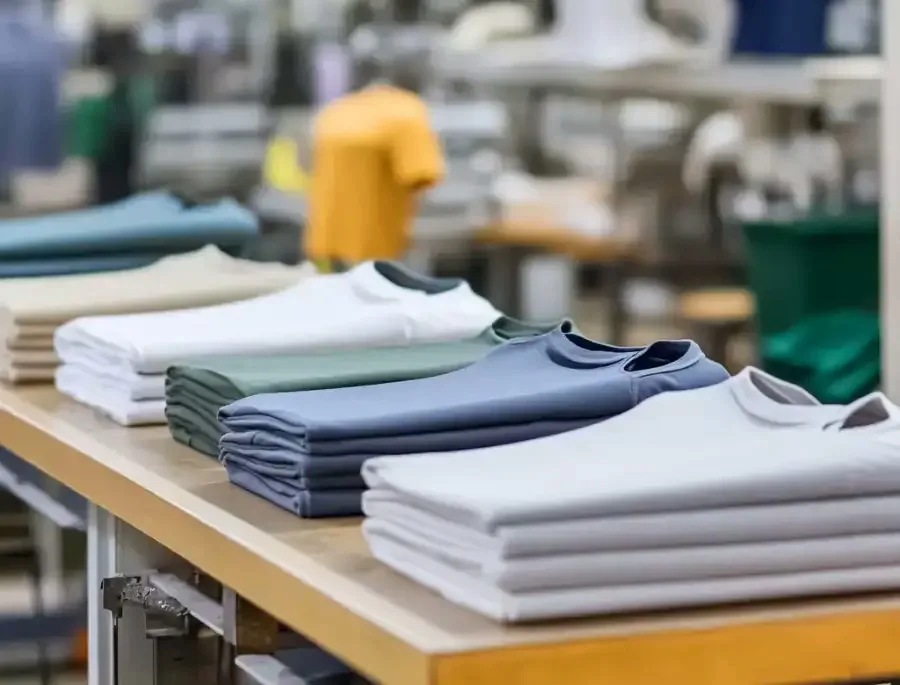
“Torquing” (or spirality) occurs when a t-shirt twists after washing, causing the side line or chest print to rotate toward the stomach. This happens when knit loops try to return to their natural relaxed state.
The Experience: The 5-Wash Torture Test We tested spirality using a modified AATCC TM179 method. I marked straight vertical lines on three tubular tees and three side-seamed tees, then ran them through five high-heat wash/dry cycles.
-
The Failure: The tubular tees failed significantly. On two samples, the imaginary side line migrated nearly 2 inches to the left.
-
The Anchor: The side-seamed tees remained stable. The heavy stitching on the side acts as a structural “bone,” physically forcing the fabric to stay aligned. Even if the yarn wanted to twist, the seam locked the silhouette in place.
⚠️ Safety First: If you choose tubular blanks for a centered chest logo, you risk the logo drifting off-center after the customer washes it.
Winner: Side-Seam (for durability and QC safety)
4. Printing & Decoration
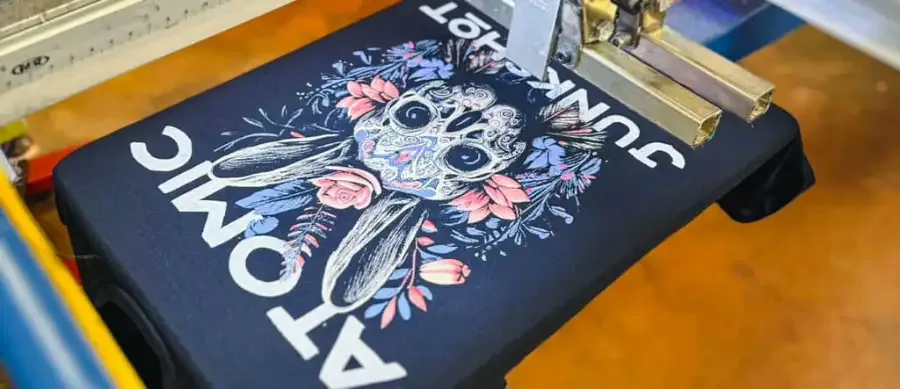
Your printer likely prefers side seams for speed, but tubular bodies for specific art placements.
The Experience: The Pallet Loading Test I watched a manual screen printer load blanks onto the press. With side-seamed shirts, he used his fingers to feel the seams and centered the shirt on the pallet instantly without looking. It was tactile and fast.
With the tubular shirt, he had to eyeball the center every time. Over a run of 500 shirts, that visual guessing game slows down production and increases the rate of crooked prints. However, the tubular body won decisively for wraparound prints. When we tried to print a design wrapping from the ribs to the back on a side-seamed tee, the ink pooled in the seam trench, creating a messy ridge. The tubular canvas was uninterrupted and flawless.
- Check your art requirements: Mastering T-shirt Logo Size.
Winner: Tie (Side-Seam for standard logos, Tubular for wrap/jumbo prints)
5. Cost, Waste, and The “Premium” Nuance
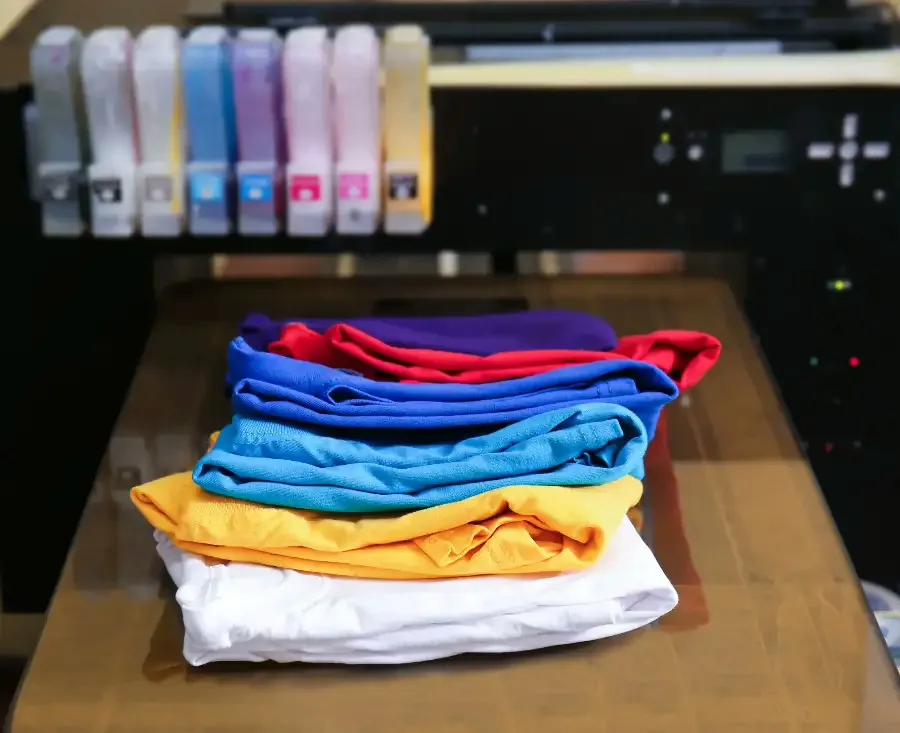
Tubular is generally cheaper because it removes an entire step (sewing the sides) and reduces cutting waste. Side-seaming adds labor and fabric scrap.
The Experience: In our cost analysis for a standard 500-unit order, side-seamed blanks typically cost $0.40–$0.80 more per unit due to the extra sewing minutes. Furthermore, cutting panels creates “offcuts” (fabric scraps) that end up as waste, whereas tubular knitting uses nearly 100% of the yarn.
The Nuance: Do not assume all tubular is “budget.” We also tested a “loopwheel” style tubular tee. These are knitted on vintage gravity-fed machines [Link to Mayer & Cie or Fukuhara historical specs] that spin slowly to reduce tension. The fabric was heavy, soft, and spirality-free—but it cost 4x more than the side-seamed option. For 90% of the market, however, tubular is a cost-saving measure, not a luxury feature.
Winner: Tubular (for margin and efficiency)
Pros of Tubular vs Side Seam
Side-Seamed
The Retail Standard. This construction is the only viable option for brands charging premium prices. It fits like a tailored garment, not a fabric tube. However, that structure comes with a literal price.
- Retail-Ready Silhouette: We found the tailored waist creates a cleaner drape immediately, avoiding the “cheap merchandise” look.
- Fit Consistency: Minimizes sizing variation between batches, ensuring you meet strict clothing label requirements without fit surprises.
- Print Registration: The seam acts as a physical anchor on the pallet, allowing printers to center chest logos faster during press checks.
- Higher Unit Cost: You pay a premium for the extra cutting and sewing labor, raising your break-even point.
- Print Interruption: The side seam breaks continuous wrap-around graphics or oversized fonts, limiting design placement.
🧠 Expert Take: Side seams are structural anchors. In our laundry stress tests, the seams physically prevented the garment from twisting (spirality), keeping the chest logo centered even after high-heat drying.
Tubular
The Budget Volume Play. Tubular makes sense for promotional giveaways where price dictates the decision. It offers a seamless canvas, but often at the expense of fit and long-term durability.
- Cost Efficiency: We negotiated lower rates for high-volume runs because the factory skips the side-sewing step entirely.
- Uninterrupted Canvas: The continuous fabric tube allowed us to print 360-degree wrap designs without ink pooling in a seam trench.
- Skin Comfort: The absence of side stitching eliminates friction against the ribs.
- Boxy Fit: We noticed a generic “tent effect” on thinner models; it lacks structural definition.
- High Torque Risk: In our wash tests, the fabric spiraled significantly after three cycles, often failing standard AATCC skewness tests.
- Alignment Drift: Without a seam guide, we saw higher placement variance on center-chest prints.
⚠️ Safety First: Tubular knits are prone to skewing up to 5% after washing. Always order a pre-production wash test sample to verify the fabric gauge before committing to a bulk order.
People Also Ask About Tubular vs Side Seam
1. Is side-seamed better quality than tubular?
Yes. For any brand selling at retail prices, side-seamed is the superior choice. We found that the structured side panels create a tailored silhouette that eliminates the “boxy” drape typical of tubular knits. If you are building a Private Label brand, side-seams ensure your customers get a consistent, fashion-forward fit rather than a generic promotional feel.
2. Do tubular shirts twist in the wash?
Often, yes. This phenomenon is called “spirality.” Because tubular fabric is knitted in a continuous spiral, the yarn naturally wants to untwist when heated. In our laundry stress tests, we measured tubular samples shifting nearly two inches to the left after five wash cycles. Side seams act as vertical anchors, physically preventing this torque and keeping your logo centered. 🧠 Expert Take: Don’t trust the tech pack alone. Before placing a bulk order, pinch the bottom hem of your sample. If you feel a vertical seam, it is side-seamed. If the fabric loop is smooth all the way around, it is tubular—regardless of what the paperwork claims.
3. Why are side-seamed t-shirts more expensive?
You are paying for labor and waste. Tubular knitting is highly efficient with near-zero waste. Side-seaming requires cutting front and back panels from a flat roll—which leaves fabric scraps—and paying a machinist to sew them together. We recommend budgeting for this premium if fit consistency is a priority for your Clothing Sample Process.