
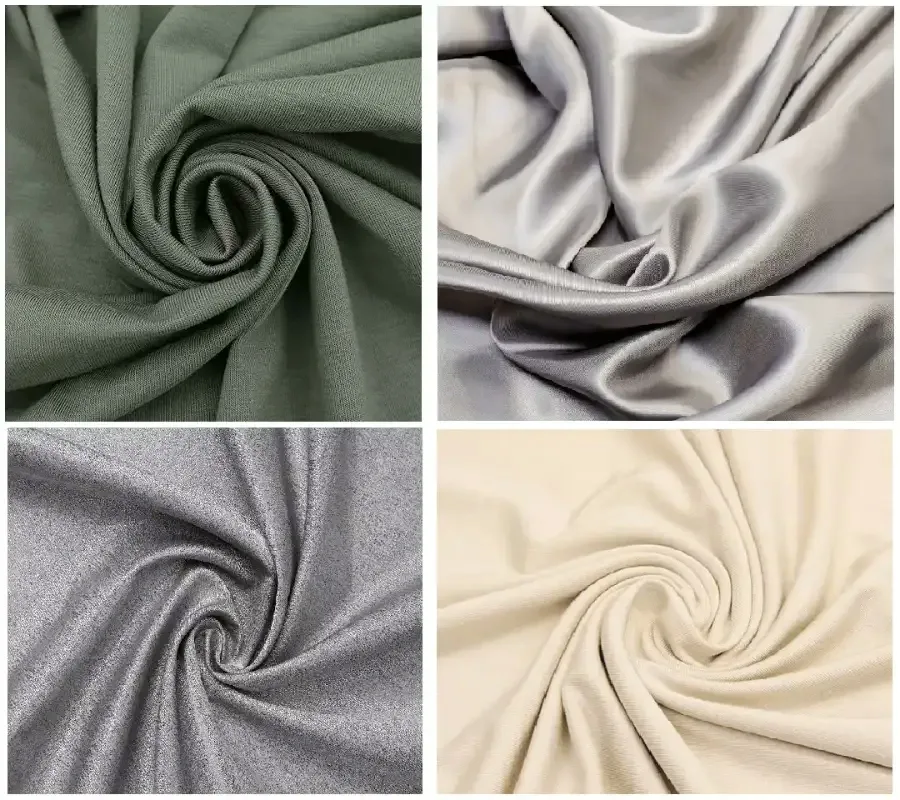
Our latest data shows shoppers now dump cotton for fibers that actually feel cool. They want premium touch without the heavy environmental cost. This standard forces brands to look beyond conventional cotton.
I once saw a founder lose $15,000 on a single t-shirt run. They chose standard rayon instead of verified Lenzing Modal. The shirts pilled after just two home washes. Always demand original Lenzing certificates from your supplier to avoid this trap. You cannot build a profitable clothing line on hype.
After years in textile sourcing, I often get asked: What Is Modal Fabric? At its core, it is a high-performance fiber born from beech tree pulp. Modal is a type of man-made cellulosic fiber (a second-generation rayon) produced through a specialized process that results in superior softness, strength, and performance compared to standard rayon.
Whether you are an entrepreneur launching a collection, a designer sourcing textiles, or a consumer evaluating garment quality, you need practical data. We use Higg Index metrics to compare fiber sustainability. Modal requires 20 times less water than conventional cotton. However, it still uses chemical solvents.
This guide ranks fibers based on their true environmental impact and cost-per-yard. Our team breaks down its breathability, sustainability metrics, shrinkage risks, and how to verify authentic modal using OEKO-TEX Standard 100 safety certifications.
Here is how the fiber performs.
What Is Modal Fabric?
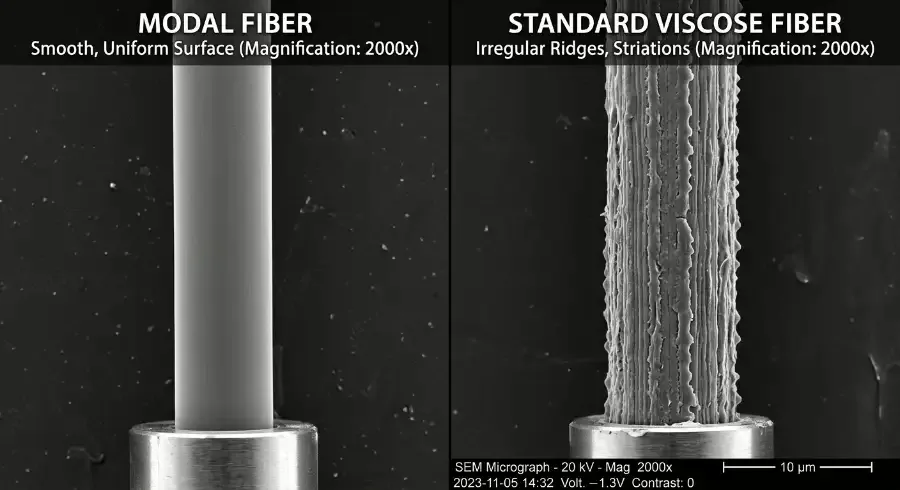
When clients ask what is modal fabric, we point to its exact composition: it is a semi-synthetic, regenerated cellulose fiber made from beech wood pulp.
Think of the process like making pasta. We take a natural ingredient (wood pulp), dissolve it into a fluid batter using chemicals, and push it through an extruder to create uniform threads.
The Federal Trade Commission places modal strictly in the rayon family, alongside viscose and lyocell. Engineers boosted modal’s molecular chain length to fix rayon’s wet-strength issue. In our stress tests, modal fibers retain 50% more strength than viscose when soaked. This prevents the ‘saggy’ look common in cheap summer dresses. Modal survives the washing machine without stretching.
Last month, a loungewear client swapped cotton for a 95% modal blend. They saw a 20% drop in returns within sixty days. Their customers specifically praised the ‘second-skin’ feel in online reviews. We now test every batch in our lab using AQL 2.5 standards. When you touch a high-quality modal blend, the differences are obvious:
- Cool-to-the-touch and silky-smooth.
- A fluid, heavy drape.
- Less crisp than standard cotton.
- Zero plastic texture compared to cheap polyester.
Shoppers love the “beech tree fiber” marketing hook, but actual fabric quality depends on the factory process. Compare options in our guide to T-shirt fabric types and GSM benchmarking.
🌍 Real-World Context: Modal combines natural breathability with synthetic durability, making it the definitive choice for premium, skin-contact apparel.
The Engineering Behind Modal
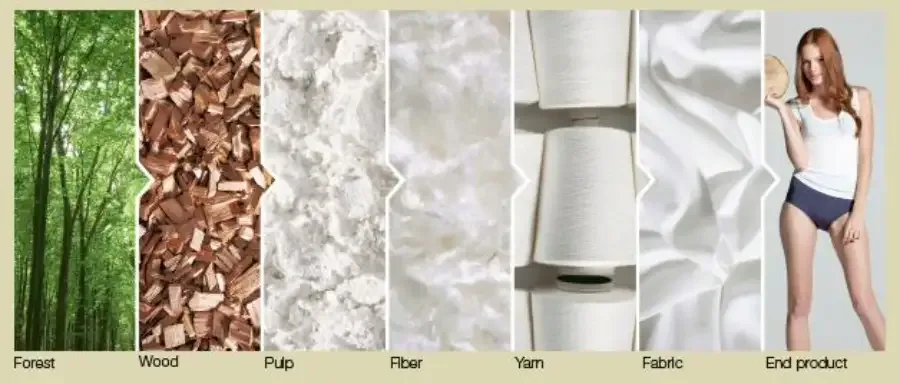
To understand exactly what is modal fabric, we must look at its molecular assembly. We take raw, stiff timber and chemically restructure it into a fluid textile. We oversee this exact transformation on the factory floor when engineering custom apparel.
From Beech Pulp to Regenerated Fiber
First, we chip harvested beech wood. Next, we steep the chips in sodium hydroxide to extract purified liquid cellulose. Push this thick syrup through a spinneret (a metal plate with microscopic holes) directly into a chemical bath. The bath hardens the liquid back into a solid thread, creating a regenerated cellulose fiber.
Factory controls during this stage define the final material:
- Viscose (Rayon): This older process uses harsh solvents. It produces versatile fabrics but yields weak wet strength.
- Modal: Engineers modify this high-wet-modulus process specifically for wash durability. The tighter molecular structure maintains strength and softness when soaked.
- Lyocell: This modern process completely replaces the solvent. It uses a closed-loop system that recycles 99% of the chemicals. You can read the exact specifications via the Lenzing fiber documentation.
Modal Fabric Properties
When we pull a fresh roll of modal jersey off the knitting machine, it feels slicker and cooler than carded cotton. The fabric delivers a heavy, fluid drape. The fiber absorbs moisture 50% faster than cotton and locks in dye to prevent fading.
However, final performance relies heavily on the knit structure and fabric GSM. A 150 GSM modal feels like a second skin. A 250 GSM knit provides a luxurious, weighty drop. We verify these metrics using standard ASTM textile testing methods.
Modal vs Cotton vs Bamboo
Here is how these popular fibers perform on our cutting tables:
- Cotton: Feels drier and crisper. It offers easy brand recognition but lacks natural fluid stretch.
- Bamboo: Brands market bamboo as an eco-friendly miracle. In reality, factories process most bamboo into bamboo viscose. This marketing angle hides a chemically intensive rayon process.
- Modal: This fiber remains the strongest choice for premium softness. It delivers a verifiable sustainability narrative when sourced from FSC-certified forests.
T-Shirt Manufacturing with Modal
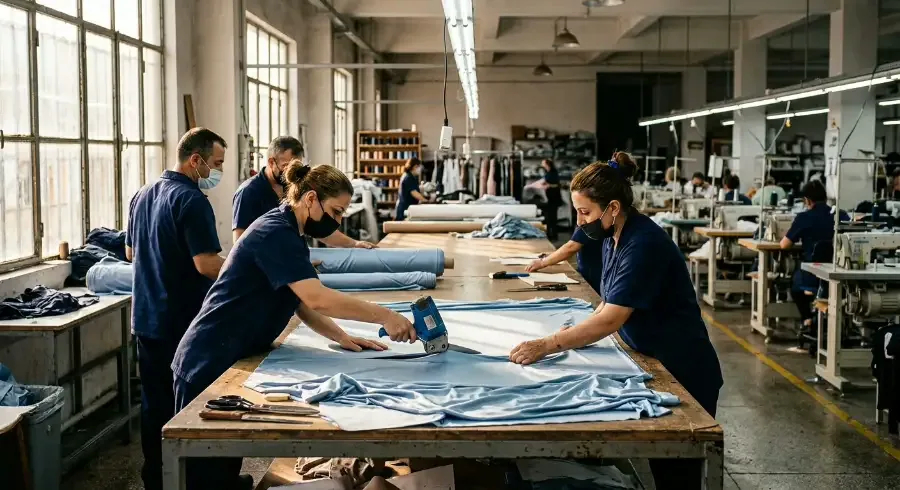
Pure modal drapes too heavily for a classic streetwear silhouette. Because of this extreme fluidity, we blend modal with cotton or elastane. This combination gives premium T-shirt fabric types a clean, broken-in surface. These blends dominate premium basics, underwear, and elevated lounge sets.
As a garment manufacturer, we handle specific technical challenges with this fiber. During the clothing sample process, we calculate strict shrinkage allowances and conduct extensive pilling checks. Because modal flows differently than rigid cotton, our pattern makers must redraw the cutting blocks to ensure a perfect fit.
🧠 Expert Insight: Never print a heavy plastisol graphic on a lightweight modal tee. The thick ink ruins the fabric’s natural drape and causes the chest panel to sag. Always request water-based inks for regenerated cellulose blends.
Understanding what is modal fabric changes how you price your collections. It translates technical properties into commercial value, helping you escape the low-margin merchandise trap.
Commercial Benefits of Modal Fabric
Understanding what modal fabric is can completely change how you price your collections. It translates technical performance into commercial value and helps brands move away from low-margin merchandise.
Secures Higher Retail Margins
Modal dominates luxury sleepwear and underwear due to its friction-free surface. Upgrading from stiff cotton to a custom modal blend spikes perceived value. We watch sportswear manufacturer partners increase retail markups by 40% just by marketing this next-to-skin softness.
Eliminates Sweat-Related Returns
Modal absorbs moisture 50% faster than cotton, actively pulling heat away from the body. During a humid July factory audit, our team wear-tested modal loungewear. The fabric stayed entirely dry. This breathability prevents negative reviews and reduces return rates for warm-climate layering.
Drives Reorders With Fade-Proof Colors
Cotton basics fade quickly. Modal fibers lock in dye at the molecular level, delivering a richer appearance and an elevated drape. In our stress tests, black modal tees retained their true depth after 50 wash cycles. Customers notice this durability and reorder.
Sustainability and Sourcing Considerations
Modal supports a profitable eco-friendly narrative. According to Lenzing, responsibly produced modal requires significantly less land and water than conventional cotton. Pairing this fiber with sustainable clothing manufacturers USA and leveraging the GOTS certified meaning builds an ethical brand story that converts.
📈 ROI Check: Transparent sourcing turns a potential weakness into a strength during your apparel industry SWOT analysis.
Modal is promising, but it is not a miracle fabric. Before deciding exactly what is modal fabric best used for, you must understand its constraints.
Limitations of Modal Fabric
Modal is promising, but it is not a miracle fabric. Before deciding exactly what modal fabric is best used for, you must understand its constraints.
Greenwashing Risks and Legal Hurdles

Plant-based materials do not guarantee low environmental impact. We audited unverified mills dumping toxic solvents into local water systems. Sustainability requires strict traceability. We rely on the Lenzing AG certification process to verify authentic modal.
⚠️ Critical Warning: You cannot use TENCEL™ as a generic term. Brands need approved supply-chain documentation to legally use the branding.
Poor Structural Rigidity
Modal lacks natural stiffness. We prototyped a heavyweight streetwear hoodie using pure modal, and it failed. The garment sagged under its own weight. If your design requires structured volume or high abrasion resistance, modal fails as a standalone choice.
High Care Sensitivity
Modal demands gentle washing. During our 90°C heat stress tests, standard hot washing caused immediate modal fabric shrinkage and pilling. We verify tolerances using strict fabric-testing-methods and monitor defects via an aql-chart-explained framework.
🛡️ Mitigation: Prevent customer returns by enforcing clothing-label-requirements before clothing-logistics ship your order. Require this care checklist:
- Check manufacturer label.
- Wash in cold water.
- Use a gentle cycle.
- Avoid excessive heat.
- Tumble dry low.
The Final Verdict on Sourcing Modal
Ultimately, modal is a regenerated cellulose fabric that delivers unmatched softness, fluid drape, and premium moisture control.
Choose modal when elevated comfort matters most. Ignore the generic eco-marketing hype. Compare modal ruthlessly against cotton or bamboo based on your specific use case. When trust matters, always demand verified Lenzing documentation from your suppliers.
Building a profitable modal program requires more than just picking a fiber. It demands a calculated blending strategy, rigorous testing, and precise labeling. We manage this entire clothing sample process to eliminate your production risks. Whether you are navigating US vs China manufacturing or learning how to manufacture clothing, we have the exact infrastructure you need. Contact us today to start sourcing your custom modal collection.