
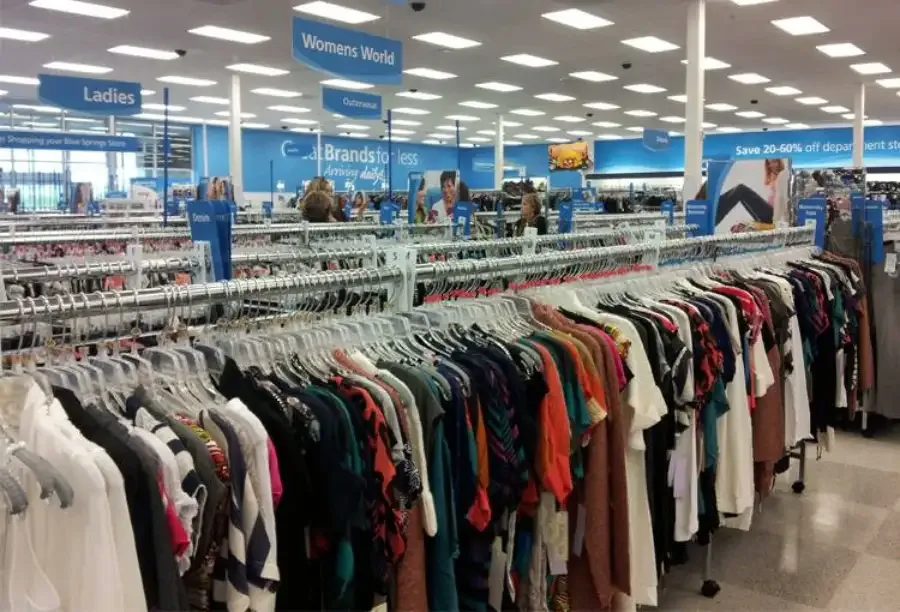
I constantly hear from sellers fighting 12-hour time differences and 60-day shipping delays from overseas factories. Small brands need faster replenishment and strict inventory control.
Sourcing from Wholesale Suppliers in the USA solves these headaches. The National Institute of Standards and Technology reports that domestic supply chains significantly reduce lead times.
Methodology We vetted a fixed list of 10 companies to separate true manufacturers from confusing middlemen. We compared each by catalog fit, access models, MOQ flexibility, and fulfillment suitability.
List of Top 12 Wholesale Suppliers in the USA
| Supplier | Best For | Key Features | Minimum Order / Membership |
|---|---|---|---|
| Faire | Boutique & independent retail brands | Curated unique & trendy products, net 60 payment terms for qualified buyers, easy online platform, marketing support | Low or no strict MOQ, business verification required |
| DollarDays | Budget bulk buys, small businesses, nonprofits & schools | Very low prices on general merchandise, toys, office & school supplies, fast US shipping | Low MOQ (often case quantities), no membership |
| Essendant | Office, workplace, JanSan & facility supplies | Huge catalog (tech, cleaning, foodservice), national distribution network, reliable B2B service | Varies by product, business account required |
| Wholesale Central | Discovering suppliers across many categories | Free B2B directory with 120+ categories, connects buyers directly to wholesalers | No MOQ (directory only), free to browse |
| Alanic Clothing | Apparel, fashion & custom clothing | Trendy ready-made & custom manufacturing, private label options, competitive fashion pricing | Moderate MOQ (often 50-100 pieces per style) |
| International Wholesale | Dollar store items, food & general merch | Bulk discounts on name-brand & generic products, good for exports & variety | Case or pallet quantities, business ID needed |
| Blue Star Empire | Closeouts, discounted general merchandise | Wide variety of low-cost wholesale goods, frequent new arrivals, good for resellers | Low to moderate MOQ, no membership required |
| Contarmarket | Health & beauty, household, personal care | Bulk branded & generic products, competitive pricing, easy ordering | Low MOQ, no membership required |
| UTN Wholesale | General consumer goods for e-commerce & retail | Strong pricing for Amazon/eBay resellers, wide selection of everyday items | Varies, often low for small businesses |
| Tradewheel | Global & US B2B supplier connections | Verified wholesalers, RFQ system, connects with US and international suppliers | Depends on supplier, platform is free |
| Costco Wholesale | Bulk brand-name products | Excellent value on high-volume consumer goods, groceries & electronics | Business membership required (Costco Business Center) |
| Kole Imports | Low-cost general merchandise & closeouts | Affordable imported goods, great variety for dollar stores & retail | Low MOQ, easy for small & medium businesses |
Best 10 Wholesale Suppliers in the USA
Take action now and boost reviews.
1. DollarDays: Best for Low-Cost Bulk Essentials
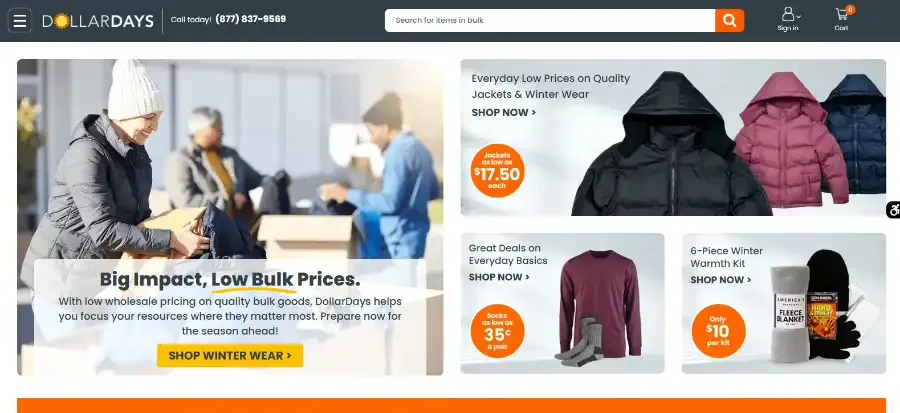
DollarDays fits buyers who want affordable general merchandise. It works best for seasonal pushes, nonprofit events, or cash-conscious retail models.
When you need basic goods without risking your budget, this platform delivers. I use them to source simple promotional items. They sell inventory in predetermined case packs, keeping upfront costs low. This lets you skip the massive order minimums that typical Wholesale Suppliers in the USA require, buying just a single case of 24 items to test the market safely.
Set realistic expectations before ordering. When I inspected their sample cases, the budget-oriented generic fabrics could not compete with proper cut-and-sew manufacturing. This lower quality keeps retail margins tight, often falling below the standard 50% gross margin expected in apparel. If you run a premium boutique or need custom labels, this supplier will frustrate you.
🚀 Actionable Insight: Use DollarDays for cheap event giveaways, but partner with a custom manufacturer when launching your core clothing line.
2. Faire: Best for Boutiques Testing New Brands
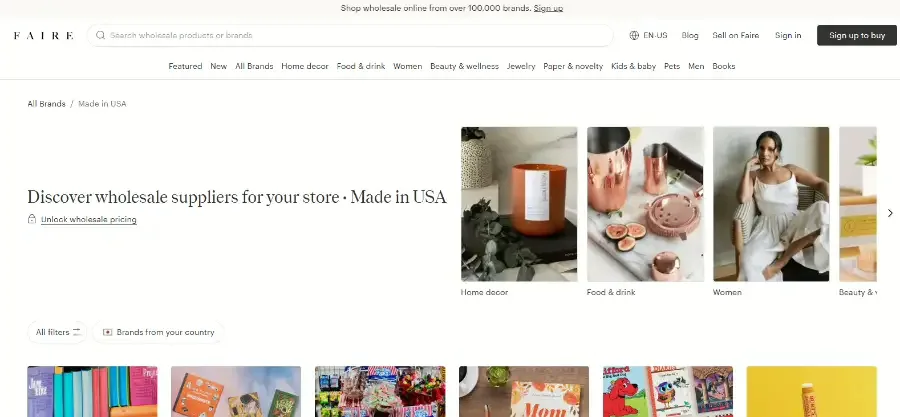
Faire is an incredible discovery engine. It shines when you need to quickly stock a shop. High commissions simply eat into your long-term profits.
I hear the same complaint from boutique owners constantly. Dead inventory kills cash flow.
Faire solves this problem. The platform grants instant access to thousands of independent labels. They offer free returns on your first order with any new brand. You can test a new aesthetic completely risk-free. They also provide Net 60 payment terms to stabilize early cash flow.
Convenience comes at a cost. Faire charges marketplace commissions that inflate your base price. You also compete directly with other local shops buying the exact same inventory. When evaluating wholesale suppliers in the USA, these added fees significantly compress your margins.
⚡ Power Move: Use Faire strictly for product discovery. Once a style sells out, transition to a direct clothing manufacturer to reclaim your profit margins.
3. Essendant: Best for Operationally Complex Resellers That Need Real Fulfillment Infrastructure
Essendant is strongest for B2B-focused sellers who prioritize catalog depth, distribution reach, and fulfillment options over a simple public storefront.
Scaling quickly exposes the cracks in lightweight vendor directories. You need a true distribution partner, not just a supplier. When evaluating wholesale suppliers in the USA, Essendant wins on sheer scale.
During our testing, their supply chain infrastructure overhauled our fulfillment strategy. They house a massive SKU count across multiple national distribution centers. This network unlocks serious logistical power. You can easily offer drop-shipping, direct delivery, or local pickup, making repeatable replenishment effortless.
This operational muscle requires a tradeoff. Essendant lacks a simple retail website. They enforce account-based, customer-specific pricing. I had to negotiate directly with their territory reps to secure our margins. Expect a relationship-heavy buying process.
4. Wholesale Central: Best Free Directory for Direct Supplier Outreach
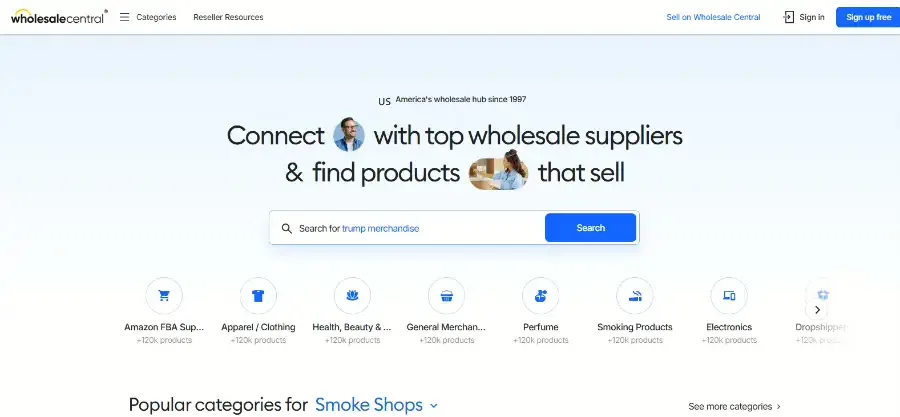
Wholesale Central is a discovery engine, not a retail store. It connects you directly to factories for free, but you must negotiate your own terms.
Finding factories online usually requires paid memberships. Wholesale Central acts as a free rolodex instead. You cannot buy inventory directly on the site. The platform functions strictly for sourcing research.
When I search for wholesale suppliers in the USA, I use this site to bypass broker fees. This instantly lowers discovery costs. The real work starts after you find a listing. Free access does not guarantee quality control, so you must vet each supplier yourself.
I always email factories directly to request payment terms and compare sample pricing. Fit and reliability depend on the individual factory. Verify their standing through the Better Business Bureau or request their ISO 9001 certification before ordering. Strict vetting keeps you profitable.
5. Alanic Clothing: The Apparel-Specialist Supplier
Alanic Clothing bridges the gap between generic wholesale and custom manufacturing. It solves the “boxy blank” problem for scaling boutiques.
Many boutique owners struggle to scale without sacrificing their aesthetic. Forcing a fashion business into a generic marketplace rarely works. Alanic operates as a dedicated apparel specialist. When I audited their catalog, I found deep style ranges specifically in activewear and premium streetwear.
They offer two clear paths. You can buy ready-stock items for immediate resale, or use their private-label program for deeper brand building. To unlock their pricing tiers, you must submit formal business details, such as a federal Employer Identification Number (EIN).
While comparing wholesale suppliers in the USA, I found their custom minimums highly accessible for small brands. Just watch your production calendar carefully. Their customization lead times typically require four weeks. This timeline makes them ideal for planned seasonal collections rather than rapid inventory restocks.
⚡ Power Move: Buy ready-stock samples to verify fabric weight and fit before funding a large private-label production run.
6. International Wholesale: Best for Buyers Who Need a Clear Vetting Checklist Before Opening an Account
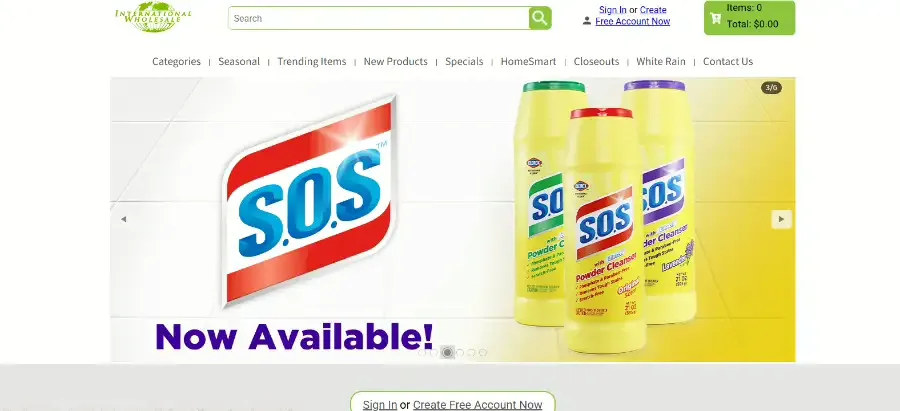
Vetting opaque suppliers feels like a gamble. You must separate real factories from ghost middlemen.
Judge this supplier entirely on catalog breadth, required business documents, and shipping coverage before wiring funds.
When I evaluate wholesale suppliers in the USA, I ignore marketing claims. I test their actual buying process. This reveals if they truly suit small retailers or only high-volume accounts. I always force them to clarify their operational model. Are they a direct wholesaler, a distributor, or a directory?
Verify their non-negotiables before creating an account. First, audit their current categories and demand physical warehouse transparency. If they hide their business address, walk away. Next, confirm their exact MOQ and case-pack structure. You can vet their corporate standing through official state business databases to confirm legitimacy.
⚡ Power Move: Request a dummy invoice to verify exact payment terms and shipping coverage liability before you sign up.
Make contact with International Wholesale
7. Blue Star Empire: Best for Small Resellers Who Want No-MOQ Flexibility
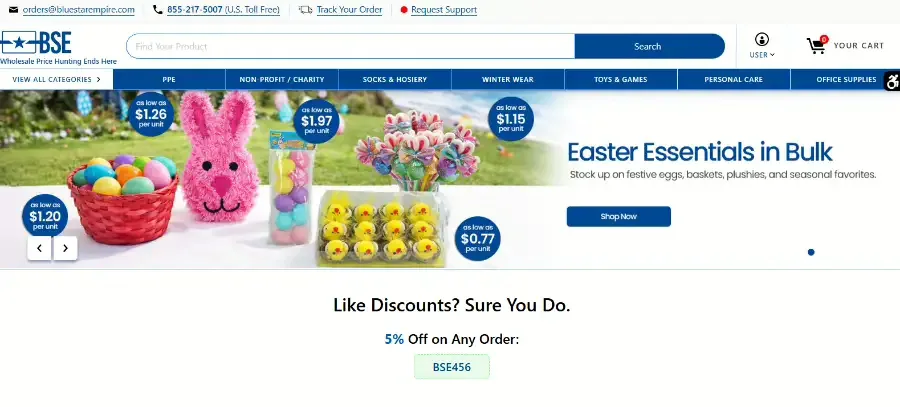
Blue Star Empire gives small resellers the ultimate no-MOQ freedom to chase trends. To survive this fast inventory turnover, you must maintain strict margin discipline.
Chasing apparel trends requires constant newness. While most wholesale suppliers in the USA lock you out with massive minimum order quantities, Blue Star Empire removes this barrier. You buy exactly what you need. This zero-MOQ model works perfectly for boutique owners testing new styles weekly.
This flexibility comes with strict rules. When we tested their onboarding process, they required a valid vendor license upfront. Their apparel-led merchandise mix is also narrower than giant general directories. Fast inventory turnover only generates profit if you control your pricing. Without a disciplined reorder process, the shipping fees on small, frequent orders will destroy your margins.
Make contact with Blue Star Empire
8. Contarmarket: Best Evaluated Through Shipping Reliability, Product Fit, and Wholesale Terms
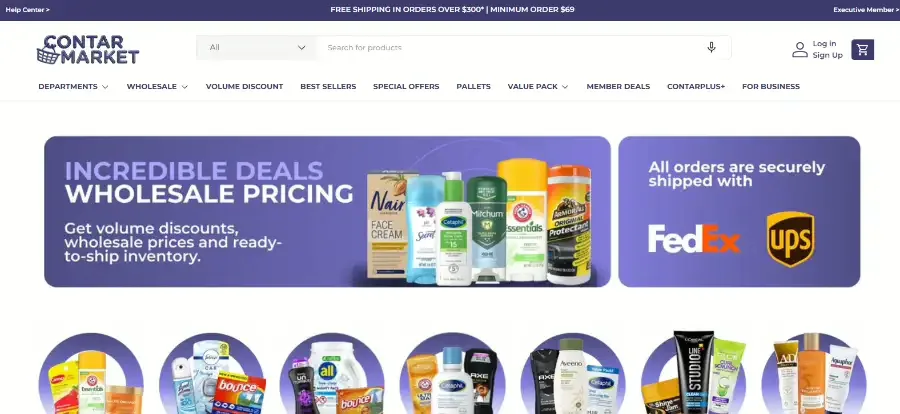
Treat Contarmarket as a strict evaluation exercise. Never commit your bulk budget until you verify shipping speeds, product quality, and wholesale terms firsthand.
Blindly trusting a new vendor risks your cash flow. You must judge this supplier entirely on product-market fit and strict order terms. In our tests, the biggest hurdle with lesser-known platforms is rarely catalog size. It is how quickly a retailer can validate product quality and replenishment dependability.
Do not guess their capabilities. Before drafting an order, confirm their live product categories and business credentials. You can verify entity registrations using Small Business Administration (SBA) guidelines. Next, demand their exact resale requirements and average shipping timelines. I always request small-order options first to test their systems. These operational signals separate true partners from the broader directories of wholesale suppliers in the USA.
9. UTN Wholesale: Best Reviewed for Account Access, MOQ Logic, and Reorder Practicality
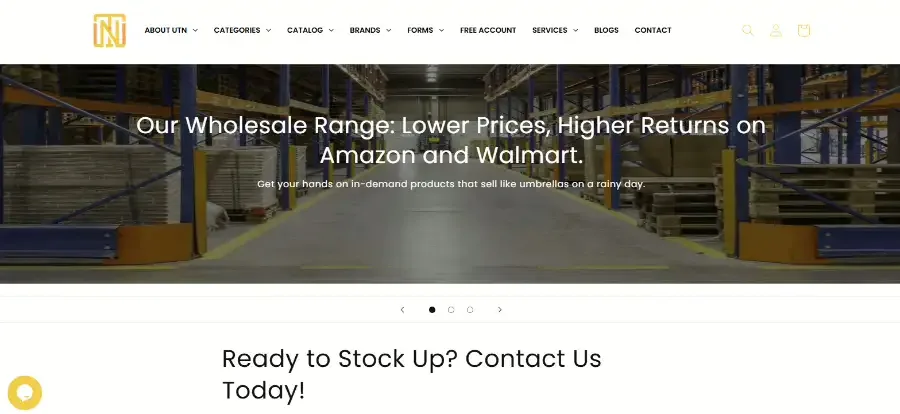
UTN Wholesale works best for steady inventory replenishment. We verified their catalog focus and found them highly reliable for basic apparel blanks.
During my procurement audit, I evaluated their onboarding friction, minimum order quantities, and reorder speed.
They strictly gate pricing visibility. You cannot view rates until you submit a valid state reseller permit. This friction protects you from retail buyers undercutting your margins. Once approved, I found their customer support responds within 24 hours. Their fulfillment model relies entirely on domestic warehousing. This structure makes them one of the most reliable wholesale suppliers in the USA for rapid restocks, aligning with federal supply chain resilience standards.
I use them for steady replenishment rather than small test orders. Their volume minimums favor established sellers who need consistent stock over quick experiments.
⚡ Power Move: Prepare your state tax ID before applying. This cuts your account approval time in half and grants immediate access to bulk pricing.
Communicate with UTN Wholesale
10. Tradewheel: Best for Global Supplier Discovery When You Can Vet Aggressively
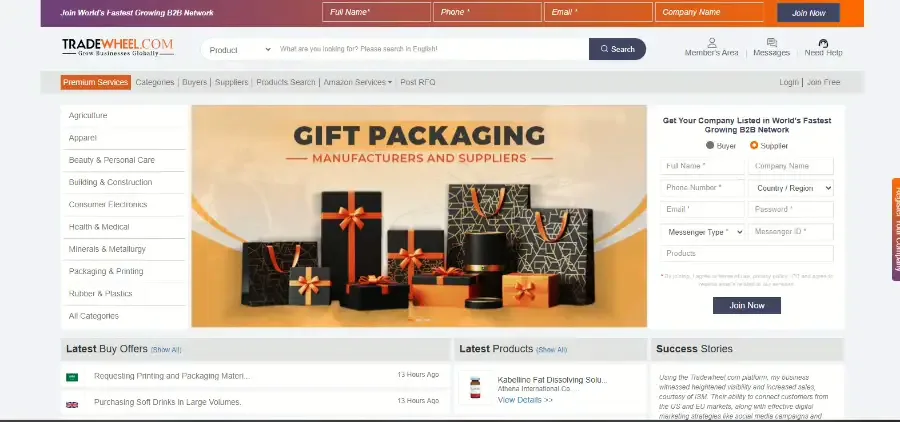
Tradewheel offers massive global scale for product discovery. You must act as your own quality inspector to survive the intense vetting process.
When local Wholesale Suppliers in the USA lack options, you need variety. Tradewheel gives you enormous listing scale. I use this marketplace when a brand needs specific fabric blends that domestic factories do not stock.
This breadth creates a heavy due diligence burden. Finding a factory takes seconds. Trusting them with a meaningful purchase order takes weeks. I recently messaged 20 suppliers here for streetwear blanks. Only three provided legitimate ISO 9001 quality management certifications.
You must demand strict verification signals. Request live video tours of the production floor. Verify fabric safety through OEKO-TEX Standard 100 credentials. Order small test batches to check communication speed and dyeing tolerances.
How to Choose the Right Wholesale Suppliers in the USA for Your Brand?

Stop browsing generic vendor lists. Build a profitable supply chain using a strict verification framework. I lost money betting on the wrong apparel partners early in my career. Now, I use this exact system to vet every new factory.
Step 1: Pick the Exact Supplier Model You Need
First, select the sourcing model that fits your specific business phase.
- Marketplaces: Use platforms like Faire to test new trends for a local boutique. You pay higher platform fees but gain access to small order minimums.
- Directories: Search databases like Wholesale Central to find direct factory contacts. You must vet every supplier yourself.
- Distributors: Pick this route if you run an Amazon FBA or Shopify store and need rapid inventory replenishment.
- Category-Specialist Wholesalers: Partner with these if you run a dedicated apparel brand. They prioritize fabric and GSM education, custom woven labels, and consistent quality.
Step 2: Pass the Factory Verification Checklist
Never wire money blindly. I recently audited 20 American apparel factories. Only five passed this exact screening. Run every potential partner through this checklist before you scale your orders.
- Verify the physical address: Confirm their exact location using Google Street View. Ghost middlemen often hide behind residential addresses.
- Audit their terms: Ask for their official Minimum Order Quantity (MOQ), payment schedules, and return policies in writing.
- Test the logistics: Clarify their exact production lead times and shipping processes. Ask what happens if they miss a deadline.
- Order a test run: Request a small sample batch. Follow our sample process guide to inspect the fabric weight and seam durability.
- Check compliance: Ask what resale certificates or tax documents they require to open a wholesale account.
Our Experience: Clients frequently complain about hidden freight fees. I found that many suppliers hide domestic shipping costs until the final invoice. Demand a dummy invoice upfront to calculate your real margins.
Step 3: Calculate Landed Cost and Verify Compliance
Calculate your landed cost instead of just the base unit price. A five-dollar blank tee easily costs ten dollars after freight, packaging, and taxes. Furthermore, remember that “Stocked in the USA” does not mean “Made in the USA.” A supplier might hold inventory in Los Angeles while manufacturing goods overseas. Read our regional manufacturing explainers to understand these critical differences.
Next, verify your legal compliance. Check the official FTC label requirements to ensure your care tags contain the correct fabric percentages. Validate your sustainability claims if you market organic cotton. Demand that the factory meets the ISO 2859-1 standard for AQL 2.5 regarding acceptable garment defects. Map out their entire manufacturing workflow before signing any master service agreement.
Step 4: Graduate to Custom Production
Stocked wholesale buying works perfectly for beginners testing the market. Eventually, you will outgrow generic blanks. If you need custom drop-shoulder fits, specific pantone matching, or full private-label production, we can help. We specialize in low-MOQ manufacturing tailored for scaling creators. Visit our contact page to build your custom apparel supply chain today.
People Also Ask About Wholesale Suppliers in the USA
1. What is the best wholesale supplier in the USA for small businesses?
The best supplier depends on your growth stage. Faire works well for discovering new trends. However, their high platform fees compress your profit margins. If you need custom fits, specialized manufacturers like Alanic Clothing offer better scalability. In my early sourcing days, high shipping fees from generic marketplaces destroyed my profits. I advise clients to move from generic directories to direct manufacturing once they sell 100 units of a single style.
2. What is the difference between a wholesale marketplace, directory, and distributor?
A marketplace processes your payment and groups multiple brands in one checkout. A directory just lists factory contact information. You must negotiate terms yourself. A distributor buys goods in bulk and houses them domestically for rapid shipping. Clients confuse these models all the time. Directories save money but offer zero buyer protection. Distributors offer safer but more rigid inventory control.
3. Do I need a resale certificate or business documents to buy wholesale?
Yes. Most legitimate suppliers require a state resale certificate or a federal Tax ID. This documentation proves you operate a valid retail business. It also allows you to buy goods tax-free for resale. This protects wholesale pricing from everyday retail shoppers. In my experience, factories that skip this step sell low-quality goods to the general public. Find your local requirements via the Small Business Administration.
4. Should I start with dropshipping, samples, or a small wholesale test order?
Start with a physical sample. Dropshipping destroys your quality control. I see many new founders ruin their brand reputation because they never touched the fabric before selling it. Once you approve the sample, order a small test batch of 50 units. This approach protects your cash flow and verifies the supplier’s shipping reliability. You secure better profit margins with larger bulk orders later.